




لائحة الاتحاد الأوروبي بشأن التعبئة والتغليف ونفايات التعبئة والتغليف، اللائحة (الاتحاد الأوروبي) 2025/40، أصبحت مطبقة بشكل عام اعتبارًا من 12 أغسطس 2026. من ذلك التاريخ، تحتاج كل أنواع التعبئة والتغليف الفريدة التي يتم طرحها في سوق الاتحاد الأوروبي إلى إعلان امتثال موقع مدعوم بوثائق فنية، ولا توجد فترة سماح للمخزون الذي يتم طرحه حديثًا.
معظم ما يتم تداوله عبر الإنترنت حول هذه اللائحة يصف التزامات عام 2030 وكأنها بدأت هذا الشهر. لم يحدث ذلك. لقد فصلت ما يلزم المستورد اليوم عما يلزم المستورد في عامي 2028 و 2030، لأن عمل الامتثال المطلوب الآن هو وثائقي وليس إعادة تصميم للتعبئة.
ما الذي تغير فعلياً في 12 أغسطس 2026؟
دخل التنظيم حيز التنفيذ في 11 فبراير 2025 ويشمل جميع العبوات بالإضافة إلى نفايات التعبئة والتغليف بغض النظر عن المواد أو المنشأ. تنشأ أربعة التزامات اعتبارًا من 12 أغسطس 2026:
- إقرار المطابقة حسب نوع التعبئة. كل نوع فريد يتم طرحه في السوق يحتاج إلى إقرار موقع مدعوم بملف فني.
- التحقق من المستورد بموجب المادة 18 (2). قبل طرح التعبئة والتغليف في سوق الاتحاد الأوروبي، يجب على المستورد التأكد من أن الشركة المصنعة أجرت تقييم المطابقة وأعدت الوثائق الفنية.
- توثيق عند الطلب. يجب أن تكون الوثائق التقنية قابلة للإنتاج للسلطات الإشرافية على السوق، مع اعتبار 10 أيام نافذة زمنية شائعة للاستجابة.
- تقييد PFAS في مواد التعبئة والتغليف الملامسة للأغذية، بالإضافة إلى التسجيل في نظام مسؤولية المنتج الممتدة في كل دولة عضو تضع فيها السلع.
فترات الاحتفاظ تسير جنباً إلى جنب مع تلك الواجبات: 5 سنوات للتغليف أحادي الاستخدام و 10 سنوات للتغليف القابل لإعادة الاستخدام. إذا كان رد فعلك الأول هو أن هذا يبدو منطق علامة CE مطبقاً على صندوق من الورق المقوى، فهذا هو بالضبط ما هو عليه، وتتبع نفس مشكلة مطاردة المستندات.
إعلان المطابقة هو الوثيقة التي توقف الشحنة
يطلب المستوردون الإعلان من الشركة المصنعة للتعبئة والتغليف. لا يقومون بكتابته بأنفسهم. تنص المادة 15 على واجب إعداد وتوقيع الإعلان والوثائق الفنية على الشركة المصنعة، مما يعني أن المستورد الذي لم يسمع فيه مورده عن اللائحة 2025/40 لديه مشكلة مع المورد، وليس مشكلة في الأوراق.
إن وضع الفشل العملي الذي نتوقعه حتى أواخر عام 2026 هو شحنة تصل بوثائق جمركية صحيحة ومنتج متوافق، ولكن يتم احتجازها بسبب فقدان إعلان التعبئة والتغليف أو تغطيته لنوع التعبئة والتغليف الخاطئ. يُندرج الإعلان المفقود، أو الإعلان الذي تم إعداده بشكل غير صحيح، أو الوثائق الفنية غير المكتملة، تحت نظام عدم الامتثال الرسمي للمادة 62 (1). تطلب الدولة العضو بعد ذلك إنهاء عدم الامتثال ويمكنها حظر إتاحة التعبئة والتغليف، أو سحبه أو استرداده من السوق.
من يُعتبر المستورد، وما الذي يجب على الشركة المصنعة خارج الاتحاد الأوروبي تعيينه
تُفرض الالتزامات على المشغل الاقتصادي الذي يضع العبوات أو السلع المعبأة في السوق الأوروبية، ويشمل ذلك المصنعين والمستوردين والموزعين وكذلك الأسواق عبر الإنترنت. يمكن للشركة المصنعة خارج الاتحاد الأوروبي تعيين ممثل مفوض: وهي كيان مؤسس قانونيًا في الاتحاد الأوروبي، مفوض خطيًا، يمكنه إعداد الإعلان نيابة عن الشركة المصنعة والاحتفاظ بالملف الفني. تظل المسؤولية القانونية عن الامتثال على عاتق الشركة المصنعة في جميع الأوقات.
بالنسبة لوكلاء الشحن، فإن السؤال الأكثر شيوعًا هو ما إذا كان وكيل الشحن يصبح المستورد عن طريق التعامل مع البضائع. التعامل مع البضائع لا يضعها في السوق. الطرف الذي يقوم بذلك هو الطرف المسمى كـ "المشغل" الذي يضع المنتج المعبأ في التداول الحر، وهو نفس التحليل الذي نجريه لأنظمة الاستيراد الأخرى في الاتحاد الأوروبي مثل بطاقة المنتج الرقمية.
التعبئة للنقل والتجميع ضمن النطاق، وهذا يفاجئ الناس
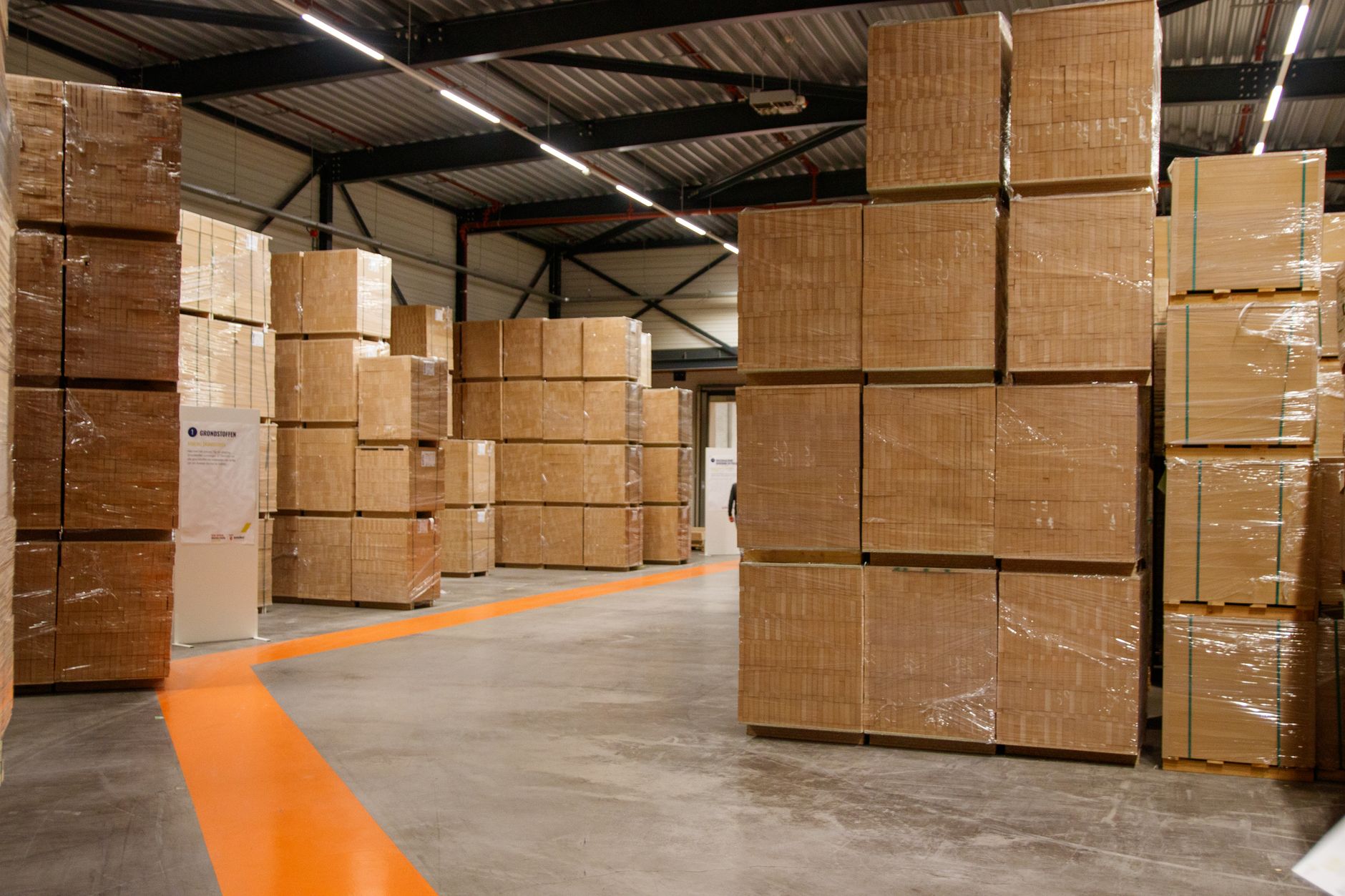
تحدد المادة 24 نسبة المساحة الفارغة بـ 50% كحد أقصى للتعبئة والتغليف المجمعة، والنقل، وتعبئة التجارة الإلكترونية اعتبارًا من 1 يناير 2030. المساحة الفارغة هي الفرق بين الحجم الكلي للتعبئة والتغليف وحجم المنتج المعبأ، وتُحتسب مواد الملء كمساحة فارغة: قصاصات الورق، والوسائد الهوائية، ورق الفقاعات، وحشوات الإسفنج أو الرغوة، وصوف الخشب، ورقائق البوليسترين كلها فراغ، وليست محتوى.
ينطبق مبدأ التقليل الأقصى وراء هذا السقف اعتبارًا من 12 أغسطس 2026، لذا فإن التناسب الصحيح هو بالفعل توقع قابل للتنفيذ على الرغم من أن الحد الرقمي الصعب يصل في عام 2030. يجب على المفوضية اعتماد منهجية الحساب بحلول 12 فبراير 2028، وهو التاريخ الذي يجب مراقبته إذا كان منطق التعبئة الخاص بك يعتمد على كيفية قياس النسبة.
هناك تصحيح واحد جدير بالاهتمام، لأنني رأيته في ثلاث إحاطات منفصلة للموردين: الادعاء بوجود سقف مساحة فارغة بنسبة 40 بالمائة اعتبارًا من أغسطس 2026 خاطئ مرتين. القيمة المخصصة للتعبئة والتغليف المجمعة والنقل بالإضافة إلى التجارة الإلكترونية هي 50 بالمائة، والموعد الملزم هو 1 يناير 2030 على أقرب تقدير.
التواريخ المهمة
| تاريخ | التزام |
|---|---|
| 11 فبراير 2025 | دخل حيز التنفيذ اللائحة (الاتحاد الأوروبي) 2025/40 |
| 12 أغسطس 2026 | طلب عام: إعلان المطابقة لكل نوع تعبئة، تحقق المستورد بموجب المادة 18 (2)، تقييد PFAS في مواد التعبئة الملامسة للأغذية، تسجيل مسؤولية المنتج الممتدة، مبدأ تقليل التعبئة |
| 1 يناير 2028 | تطبيق إجراءات بناءً على معايير أداء قابلية إعادة التدوير المستحقة |
| 12 فبراير 2028 | منهجية العمولة لحساب نسبة الفراغ |
| 12 أغسطس 2028 | تنطبق الملصقات التصويرية المنسقة، إذا تم اعتماد الأفعال التنفيذية بحلول 12 أغسطس 2026 |
| 31 ديسمبر 2029 | تتوقف المتطلبات الأساسية القديمة بموجب المادتين 9 (1) و 9 (2) عن التطبيق. |
| 1 ينايرير 2030 | تصميم قابل لإعادة التدوير إلزامي، فقط درجات A إلى C قابلة للتسويق، الحد الأدنى للمحتوى المعاد تدويره يبدأ، نسبة المساحة الفارغة بحد أقصى 50 بالمائة، هدف إعادة استخدام 10 بالمائة لتعبئة المشروبات المحددة |
| 2040 | ارتفاع المحتوى المعاد تدويره إلى 50 بالمائة لزجاجات PET الحساسة للملامسة و 65 بالمائة لعبوات المشروبات بالإضافة إلى عبوات بلاستيكية أخرى؛ يصل هدف إعادة الاستخدام إلى 40 بالمائة |
أرقام المحتوى المعاد تدويره لعام 2030، مذكورة بدقة
يحتاج تغليف PET الحساس للملامسة بخلاف زجاجات المشروبات ذات الاستخدام الواحد إلى 30 بالمائة على الأقل من المواد المعاد تدويرها بعد الاستهلاك بحلول عام 2030، وترتفع إلى 50 بالمائة بحلول عام 2040. تحتاج المواد البلاستيكية الأخرى الحساسة للملامسة إلى 10 بالمائة. تحتاج زجاجات المشروبات البلاستيكية ذات الاستخدام الواحد إلى 30 بالمائة بحلول عام 2030 و 65 بالمائة بحلول عام 2040، بينما يحتاج تغليف البلاستيك الآخر إلى 35 بالمائة بحلول عام 2030 و 65 بالمائة بحلول عام 2040.
يُحتسب الناتج المُعاد تدويره بعد الاستهلاك فقط لتحقيق تلك الحدود. المواد الصناعية بعد الاستهلاك لا تؤهل، وهو تمييز سأؤكده كتابيًا مع أي مورد يذكر نسبة محتوى معاد تدويره اليوم، لأن الاثنين غالبًا ما يتم الإبلاغ عنهما معًا. اعتبارًا من يناير 2030، يجب أن تصل التعبئة والتغليف أيضًا إلى حد أدنى من قابلية إعادة التدوير، ولا يمكن تسويق التعبئة والتغليف التي تحصل على درجة أقل من C، مما يعني أقل من 70 بالمائة قابلية لإعادة التدوير.
ماذا سنفعل في الـ 90 يومًا القادمة
- **أنواع تغليف المخزون، وليس المنتجات.** الإقرار هو لكل نوع تغليف، لذا فإن كتالوجًا مكونًا من 400 وحدة تخزين يمكن أن يقل إلى 25 إقرارًا.
- أرسل إلى الموردين طلبًا خطيًا للحصول على الإقرار بالإضافة إلى تأكيد بأن الملف الفني موجود ويمكن استرجاعه.
- تعيين ممثل مفوض حيث يقع مقر الشركة المصنعة خارج الاتحاد الأوروبي ولا توجد جهة داخل الاتحاد الأوروبي تمتلك الملف حاليًا.
- **تأكيد تسجيل بلد المصدر** في كل دولة عضو في أول عملية طرح، مع التحقق من العتبات والرسوم حسب كل بلد بدلاً من افتراض أنها موحدة.
- افحص خطوط ملامسة الأغذية للمواد PFAS واحصل على إقرارات الموردين رسمياً.
- ضع قاعدة احتفاظ لمدة 5 سنوات للمواد للاستخدام الفردي و 10 سنوات للمواد القابلة لإعادة الاستخدام في أي نظام يحتفظ بالفعل بسجلاتك الجمركية.
- قِسْ الفراغ الهوائي الآن على صناديقك الخارجية ذات الحجم الأكبر، لتكون نسبة عام 2030 مجرد تمرين إبلاغي بدلاً من إعادة تصميم تحت ضغط الموعد النهائي.
يتم تحديد العقوبات على المستوى الوطني. يتطلب التنظيم من الدول الأعضاء اعتماد قواعد فعالة ومتناسبة ورادعة، ويمكن للسلطات فرض غرامات بالإضافة إلى تقييد الوصول إلى الأسواق. هذا النمط من الالتزام على مستوى الاتحاد الأوروبي مع الإنفاذ الوطني مألوف من تقارير الكربون، وهو ينتج نفس النتيجة: الدولة العضو الأكثر صرامة تحدد معيارك العملي. سيتعرف المستوردون الذين يقومون بالفعل بتعيين هذا النوع من التعرض على النهج من دليل التحضير لنظام تسعير الكربون في المملكة المتحدة ومنطق التوثيق في دليل قواعد منشأ الاتحاد الأوروبي-ميركوسور.
أسئلة شائعة
ما الذي ينطبق بالضبط اعتبارًا من 12 أغسطس 2026؟ إعلان المطابقة لكل نوع تغليف مع وثائق فنية داعمة، وواجبات التحقق للمستورد بموجب المادة 18 (2)، وقيود PFAS في التغليف الملامس للأغذية، وتسجيل مسؤولية المنتج الممتدة (EPR) بالإضافة إلى مبدأ تقليل التغليف. تصل درجات قابلية إعادة التدوير، والحد الأدنى للمحتوى المعاد تدويره، بالإضافة إلى الحد الأقصى للفراغ البالغ 50 بالمائة في 1 يناير 2030.
هل يكتب المستورد إعلان المطابقة؟ لا. يقوم المصنع بإعداده والتوقيع عليه. يجب على المستورد الاحتفاظ بنسخة لكل نوع تغليف، والتحقق من إجراء تقييم المطابقة، وأن يكون قادرًا على تقديم الوثائق الفنية إلى سلطات مراقبة السوق عند الطلب.
هل هناك فترة انتقالية للأسهم الموجودة بالفعل قيد النقل؟ لا تنطبق فترة سماح على التعبئة والتغليف التي يتم طرحها في السوق في أو بعد 12 أغسطس 2026. تحتاج السلع التي لم يتم طرحها في السوق بعد إلى وثائق تعبئة وتغليف مطابقة بغض النظر عن وقت إنتاجها.
هل يشمل التنظيم المنصات وعلب التغليف الخارجية؟ نعم. تتناول المادة 24 التغليف المجمع والنقل مباشرة، وتُحسب مواد التعبئة كفراغ بدلاً من حجم المنتج. أي مصدر يخبرك بأن القواعد تغطي تغليف البيع بالتجزئة فقط يصف التوجيه القديم، وليس اللائحة 2025/40.
المصادر: اللائحة (الاتحاد الأوروبي) 2025/40 كما نُشرت في الجريدة الرسمية، ودليل المفوضية الأوروبية بشأن نفايات التعبئة والتغليف، بالإضافة إلى التحليلات القانونية للمواد 18 و 24 و 62 من شركات Latham & Watkins و Fieldfisher وكذلك Greenberg Traurig. تختلف أنظمة العقوبات الوطنية بالإضافة إلى عتبات مسؤولية المنتج الممتدة (EPR) حسب الدولة العضو، لذا قم بالتأكيد محليًا قبل الشحن.