


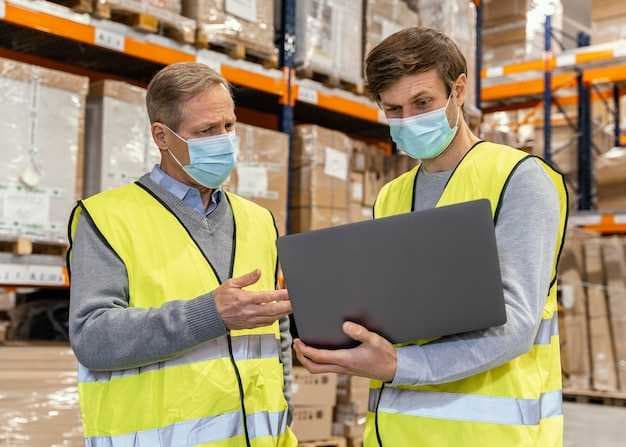

ابدأ بتجربة رائدة محكمة في منطقة واحدة لإثبات القيمة: قم بتوجيه الإيصالات بقواعد وضع واضحة في مستودعاتك، ثم قم بالتوسع إلى مرافق أخرى بعد تأكيد المكاسب.
يقوم النظام بإنشاء رؤية في الوقت الفعلي لموقع المخزون وكميته وحالته، حتى تتمكن من قياس الأداء بنظرة سريعة. هناك، يحل محل المهام اليدوية المملة بسير عمل موجه، مما يحسن التحكم والسرعة. يدعم نظام إدارة المستودعات الحقيقي هذا التخزين الوارد والاستلام الصادر، حتى خلال فترات الذروة، ويساعدك على دعم العمليات عبر المستودعات.
حدد أولويات الميزات التي تؤثر بشكل مباشر على الإنتاجية: التخزين حسب المنطقة، واستلام الأمواج، والتجديد القائم على القواعد. استخدم الباركود أو تقنية RFID لتسريع المسح الضوئي. في منشأة متوسطة الحجم نموذجية، يمكن لدمج نظام إدارة مستودعات مرحلي أن يقلل من وقت السفر للتخزين بنسبة 30-50٪ ويرفع معدل استلام الطلبات بنسبة 20-40٪ في غضون 2-3 أشهر. هذه التحولة تعزز دقة التنفيذ وتدعم أداء تجارة أفضل عبر القنوات.
حافظ على نظافة حالة البيانات: قم بتطبيق العد الدوري، تسوية التناقضات يوميًا، والاحتفاظ بمسارات التدقيق. يعمل هذا عبر مستودعات متعددة ويمنحك رؤية حقيقية ومصدرًا واحدًا للحقيقة. ثم قم بتدريب الموظفين باستخدام كتيبات إرشادية موجزة قابلة للتنفيذ حتى يتمكنوا من التكيف مع التغييرات بسرعة ودعم التحسين المستمر.
بعد التجربة الرائدة، قم بالتوسع على خطوتين: أولاً، قم بالتوسع إلى منطقة أخرى، ثم قم بالتنفيذ في مناطق أو مستودعات أخرى. استخدم ترحيل بيانات مرحلي وخطة واضحة لبدء التشغيل. يوفر النظام لفريقك دعمًا لاتخاذ القرار وحالة واضحة للمخزون، مما يضمن لك تلبية مستويات الخدمة والحفاظ على قدرتك التنافسية في التجارة.
نقاط دخول عملية لدمج نظام إدارة المستودعات مع الروبوتات المتنقلة المستقلة
قم بتثبيت جسر واجهة المهام بين نظام إدارة المستودعات والروبوتات المتنقلة المستقلة وقم بتشغيل تجربة رائدة لمدة أسبوعين في منطقة الشحن لإثبات سير العمل. استخدم 4 روبوتات متنقلة لنقل البالتات من الاستلام إلى التجهيز وإلى أرصفة التحميل، ثم قم بقياس وقت الدورة والدقة واستخدام الأرصفة.
قم بمطابقة أمواج نظام إدارة المستودعات بمهام الروبوتات المتنقلة المستقلة باستخدام قاموس مهام صغير: موقع الاستلام، الكمية، رف المصدر، رصيف الوجهة، وملاحظات التعبئة. قم بتضمين قواعد واضحة لتحديد أولويات التصحيحات عندما تختلف الكميات أو يجب إعادة توجيه العناصر إلى خليج مختلف.
اربط تحديد المواقع بعلامات مغناطيسية على طول الممرات وعلى واجهات الأرفف. تقرأ الروبوتات المتنقلة المستقلة العلامات لتأكيد الموضع والمسار، مما يقلل من جهد التحقق ويقلل من تكاليف المعايرة مع الحفاظ على المسارات المتوقعة للمشغلين الذين يوجهون التدفق.
اكشف عن واجهة خفيفة الوزن (REST أو MQTT) تقبل حمولات المهام وتعيد تحديثات الحالة. قم بتنفيذ التحقق قبل الإرسال لتأكيد معرفات العناصر والكميات والوجهات قبل أن تبدأ الروبوتات المتنقلة المستقلة في نقل الحمولة.
خطط للسعة لكل روبوت وطول المسار: استهدف 120-180 عنصرًا في الساعة على المسارات المستقيمة، مع انخفاض المسارات الأطول إلى 60-90. استخدم "عقل" الروبوتات المتنقلة لتوجيه القرارات عند التقاطعات، وموازنة الحمولة، وتجنب الازدحام، مع الحفاظ على الدقة في الاستلام والتسليم.
سجل كل إجراء: معرف الروبوت، معرف المهمة، معرفات العناصر، الكميات، الطوابع الزمنية، والنتائج. أعد تغذية هذه السجلات إلى نظام إدارة المستودعات لتحديثات المخزون وإمكانية التتبع، مع تقديم حالة في الوقت الفعلي للمشغلين على الشاشة أو في لوحات المعلومات.
استبدل المهام المملة مثل التصنيف حسب الوجهة والنقل إلى الشاحنات بالروبوتات المتنقلة المستقلة التي تتعامل مع التوجيه، مما يحرر الموظفين لمعالجة الاستثناءات وفحوصات الجودة. تعزز هذه التحولة الإنتاجية دون زيادة التعامل اليدوي.
للتطبيقات الأكبر، قم بتنفيذ طرح وحدات نمطية: ابدأ في منطقة واحدة بـ 2-3 ممرات وأسطول صغير؛ راقب الإنتاجية والدقة واحتياجات الصيانة، ثم أضف مناطق ووحدات أخرى على مراحل للحفاظ على السيطرة على بيانات الأداء.
ترتفع التكاليف بشكل أساسي من الأجهزة وتكامل البرامج والصيانة المستمرة؛ قم بقياس ساعات العمل التي تم توفيرها وتقليل وقت الخمول للمستودعات لبناء حالة قوية للعائد على الاستثمار. توقع نافذة استرداد تتناسب مع الحجم وعدد الورديات النشطة، وليس فقط النفقات الرأسمالية الأولية.
تشمل الخطوات التالية تحديد مقاييس النجاح لدقة الاستلام وتوقيت وصول الرصيف، وتثبيت خطط العلامات المغناطيسية في منطقة التجربة الرائدة، وتعيين مالك رائد، وجدولة مراجعات أسبوعية لتعديل الواجهات والقواعد حسب الحاجة. يبقي هذا النهج التحسينات سهلة التتبع وقابلة للتكرار عبر المواقع.
اختيار وحدات نظام إدارة المستودعات التي تدعم دمج الروبوتات المتنقلة المستقلة

التوصية: اختر وحدة نظام إدارة مستودعات تتضمن تكاملًا مدمجًا للروبوتات المتنقلة المستقلة مع مهام أصلية، وتحديثات في الوقت الفعلي، وواجهة برمجة تطبيقات (API) قوية لشركاء الأتمتة لديك، حتى لا تضطر إلى التعامل مع المهام يدويًا.
لعمليات اللوجستيات، تأكد من أن الوحدة تسترد الحالة من كل روبوت متنقل مستقل وتعرضها في لوحة معلومات واحدة في الوقت الفعلي. يجب أن تنشئ مجموعة تعليمات موحدة لكل مهمة، بما في ذلك الاستلام والتعبئة والتجديد، وتدفع هذه التعليمات إلى الروبوتات المتنقلة المستقلة قبل التنفيذ. يجب أن تدعم الوحدة الإرسال لكل مهمة، وتتبع الشحنات أثناء تحركها عبر الاستلام والتخزين والتحميل، وتعكس التغييرات عبر الشاحنات وأبواب الأرصفة. بالإضافة إلى ذلك، يجب أن تقوم برسم خرائط للمناطق، وتقدم توجيهًا تكيفيًّا، وتقليل الوقت المستغرق في التراجع عن طريق إعادة التخطيط أثناء التنقل.
قبل النشر، قم بتشغيل تجربة رائدة في منطقة واحدة لمدة 4-6 أسابيع بحجم محدد (على سبيل المثال، 100-150 شحنة واردة و 200-300 شحنة صادرة يوميًا). قم بقياس التغييرات في مسافة المشي لكل عملية استلام، والإنتاجية في الساعة، ودقة التعيينات. توقع انخفاضًا بنسبة 20-40٪ في مسافة المشي وارتفاعًا بنسبة 15-30٪ في المناولة الصادرة، مما يخلق بيانات أساسية موثوقة للطرح على نطاق واسع. إذا رأيت مكاسب ثابتة في سرعة المناولة، فقم بالتوسع إلى المناطق المجاورة.
اختر الوحدات التي تعرض واجهات برمجة تطبيقات مفتوحة (REST أو GraphQL) وتيارات أحداث في الوقت الفعلي (WebSocket أو MQTT) حتى يتمكن أسطول الروبوتات المتنقلة المستقلة من استرداد التحديثات فور حدوثها. يحافظ هذا الإعداد على تزامن شرائط الباركود وفحص RFID ويقلل من وقت فقدان شريط البيانات في الإدخال اليدوي. كما أنه يساعد في إنشاء مصدر واحد للحقيقة للمخزون والطلبات والشحنات عبر فرق اللوجستيات وشركاء الأتمتة، مما يقلل من مخاطر التكامل.
أخيرًا، تحقق من أن نظام إدارة المستودعات يدعم الصيانة المستمرة بإصدارات واضحة، والتوافق الرجعي، ومسار ترقية موثق. ستقدم الوحدة التي تتطور مع أسطول الروبوتات المتنقلة المستقلة في النهاية عمليات أكثر سلاسة وعددًا أقل من عمليات التسليم التي تستغرق وقتًا طويلاً، وستصمد أمام حقائق المناولة اليومية، حتى تحت شحنات الذروة.
أساسيات الروبوتات المتنقلة المستقلة: أنواع الروبوتات ومهام المستودعات التي تؤديها
ابدأ بمزيج وحدات نمطية من الروبوتات المتنقلة المستقلة المخصصة لعملياتك: ضع روبوتات النقل عالية الأداء في الممرات الرئيسية، بينما تتعامل الوحدات التي تتطلب حمولات كبيرة مع نقل البالتات. تم تصميم كل وحدة لمهمة محددة، وتؤكد التجربة الرائدة السريعة المكاسب، مما يساعد على التوسع مع نموك. ينتج عن هذا النهج إنتاجية متزامنة ومسار واضح للتوسع.
تشمل أنواع الروبوتات المتنقلة المستقلة روبوتات النقل المتنقلة التي تنقل البضائع بين المناطق، ومساعدي الاستلام الذين يحددون مواقع العناصر ويشغلون إشارات "Pick-to-Light"، ووحدات قادرة على حمل البالتات للأحمال الثقيلة. تتبع المسارات المرسومة وتتكيف مع الازدحام، مع الحفاظ على مسافات آمنة. هناك فائدة في الأساطيل المتكاملة حيث تم تصميم كل روبوت لدعم مهمته.
أثناء المعالجة، تساعد الروبوتات المتنقلة المستقلة في التجديد والفرز ومعالجة المرتجعات. تنقل الصواني والصناديق، وتتعاون مع العمال البشريين أثناء الاستلام دون إبطاء الخط. تؤكد علامات RFID هوية العنصر وموقعه، وتتحقق إجراءات التحقق من الوجهة الصحيحة قبل الإطلاق.
قم بقياس التأثير بمعدل العناصر المنقولة في الساعة والوظائف المكتملة في الوردية. في عمليات النشر المبكرة، توقع تحسنًا بنسبة 20-40٪ في مسافة السفر وانخفاضًا بنسبة 15-30٪ في خطوات المستلم، اعتمادًا على التخطيط ومزيج المهام. تتبع هذه المقاييس أسبوعيًا لتوجيه التعديلات دون تعطيل العمليات. عندما تزداد الطلبات، قم بإعادة ترتيب أولويات المسارات للحفاظ على استقرار الإنتاجية.
التكامل مع نظام إدارة المستودعات وطبقة التحكم مهم. بالإضافة إلى الأتمتة، تضيف بروتوكولات "asar" نقاط تفتيش للسلامة والتدقيق، وتضيف RFID تحسين إمكانية التتبع عبر المعالجة. يقلل هذا النهج المتكامل من الأخطاء ويتيح التحقق السريع عبر التحركات.
نصائح للنشر: قم برسم خرائط للمسارات لتقليل التراجع، وضع محطات الشحن على طول المحيط، وقم بتشغيل تجربة رائدة بـ 4-6 وحدات بمعايير نجاح محددة. بالإضافة إلى ذلك، قم ببناء لوحة معلومات بسيطة لمراقبة المعدل والوظائف والأخطاء، واستخدم حلقة تحقق قصيرة بعد كل وردية لالتقاط الحالات الشاذة. يأتي التحسين الإضافي من خرائط حرارة الحركة وردود الفعل من المشغلين البشريين الذين يعملون مع الروبوتات المتنقلة المستقلة أثناء مسح العناصر باستخدام علامات RFID.
مزامنة نظام إدارة المستودعات مع الروبوتات المتنقلة المستقلة للحصول على عدد دقيق للمخزون
قم بتكوين نظام إدارة المستودعات لتشغيل عمليات مسح الروبوتات المتنقلة المستقلة عند كل حركة: استلام البضائع، وضعها في المنطقة الصحيحة، وتشغيل عد دوري تلقائيًا. يجب أن تقوم معدات الروبوتات المتنقلة المستقلة بالإبلاغ عن النتائج رقميًا إلى نظام إدارة المستودعات، الذي يتحقق من الأعداد مقابل المستويات المتوقعة ويشير إلى التناقضات للتصحيح الفوري. هذا النهج سيجعل تتبع المخزون أسهل ويحافظ على دقة بيانات المتجر عبر جميع المناطق.
اختر أنواع الروبوتات المتنقلة المستقلة التي تناسب تخطيطك: أدوات نقل الوحدة للبالتات الثقيلة، والرافعات الشوكية المستقلة للأحجام الكبيرة، وروبوتات مسح الرفوف لأرفف التخزين الآلي. قم بتعيين كل روبوت متنقل مستقل لمنطقة بحيث يمكن لنظام إدارة المستودعات تعيين المهام حسب المستوى والمنطقة، مما يقلل من وقت السفر ويمنع تقاطع حركة المرور. بدلاً من الدوريات العامة، يمكنك إنشاء مسارات دقيقة تزيد من الإنتاجية.
تشمل خطة التنفيذ إنشاء توأم رقمي لمقارنة الأعداد المتوقعة والفعلية. قم بضبط المستشعرات، ومعايرة الموازين، وتعيين تحمّلات تحدد متى يجب تشغيل تنبيهات المراقبة. سيستقبل نظام إدارة المستودعات تحديثات الروبوتات المتنقلة المستقلة في الوقت الفعلي تقريبًا، مما يضمن تتبع كل حركة ويصبح المخزون صحيحًا مع انتقال البضائع من الرصيف إلى التخزين إلى مناطق الاستلام.
أفضل الممارسات للاعتماد: توحيد الباركود أو RFID عبر المعدات، وفرض المسح التلقائي عند الاستلام، وإنشاء مسار مراقبة يومي. بدلاً من الشيكات اليدوية، يساعدك هذا النهج في خدمة مرافق أكبر مع الحفاظ على دقة مستويات المخزون وعدم الاعتماد على التخمين. كما أنه يدعم تكاملًا أكثر سلاسة مع إعدادات التخزين الآلي ويقلل من أوقات الدورات في بيئة المتجر.
| مجال التركيز | إجراء نظام إدارة المستودعات | سلوك الروبوت المتنقل المستقل | الفوائد |
|---|---|---|---|
| الاستلام | تشغيل المسح عند استلام الرصيف؛ تسجيل معرف العنصر، الدفعة، والكمية | يقوم الروبوت المتنقل المستقل بمسح وتحديث المخزون في المنطقة الصحيحة | تحسين الأعداد الأولية؛ استلام أسرع |
| إدارة المنطقة | تعيين المهام حسب المنطقة؛ تحديث مستويات مخزون المنطقة | ينفذ التحركات إلى الأرفف المخصصة؛ يتجنب التحركات عبر الممرات | موازنة أفضل؛ تقليل وقت السفر |
| العد الدوري | جدولة العد المستمر؛ مقارنة مع نظام إدارة المستودعات | يتحقق الروبوت المتنقل المستقل من مستويات الأرفف ويبلغ عن الفروقات | صحة أعلى؛ عمليات تدقيق يدوية أقل |
| التجديد | إنشاء مهام تجديد تلقائيًا عندما ينخفض المخزون عن الحد الأدنى | يتجه روبوت التجديد المتنقل المستقل إلى موقع المخزون الدقيق | مستويات مخزون ثابتة؛ نقص مخزون أقل |
تصميم مسارات الاستلام وطرق التخزين باستخدام الروبوتات المتنقلة المستقلة
قم بتنفيذ نموذج توجيه مركزي وتكوين الروبوتات المتنقلة المستقلة لمتابعة هذه المسارات، بدءًا من تخطيط مرسوم وبيانات الطلب. يساعد هذا النهج في تقليل السفر، وتحسين الجودة، ويصبح أداة قابلة للتكرار للعمليات اليومية.
- التقاط البيانات والتخطيط
- قم بتسجيل حدود المنطقة، وإحداثيات العقد، وأطوال الممرات، ونصف قطر الانعطاف؛ قم بفهرسة مواقع المخزون، ونقاط التجديد، ومقابض التخزين المتقاطع. التقط معدلات طلبات وحدات SKU ومتطلبات التعبئة. توفر هذه الحاجة الأساس لرسم خرائط قواعد التوجيه وتضمن الاتساق عبر الأسطول.
- وثق القيود المفروضة على مسارات حركة المرور، ومناطق المشاة، ومخارج الطوارئ، وأرصفة التحميل، وتفاعلات النواقل الآلية. قم بتغذية طبقة المعلومات التي تستخدمها الروبوتات المتنقلة المستقلة لتجنب التعارضات وضمان السلامة.
- نمذجة المسارات وسير العمل
- قم ببناء رسم بياني: تمثل العقد أوجه الاستلام، وجيوب التخزين، ونقاط الإرساء؛ الحواف هي أجزاء قابلة للمسير بأوزان للمسافة، واحتمالية الازدحام، والارتفاع، والخلوص.
- حدد سير عمل أساسيين: مسارات الاستلام وطرق التخزين. تضع الأنماط الشائعة المسارات المباشرة للعناصر ذات الحركة العالية ومسارات المنطقة إلى المنطقة للتجديد. ثم قم بوضع منطق الأولوية للطلبات العاجلة واستراتيجيات الاستلام الدفعي.
- قم بإنشاء مسارات متوقعة لكل SKU وسير عمل، وتأكد من أن المسارات تتجنب النواقل، والرافعات الشوكية، والممرات المسدودة. يؤدي هذا إلى عمليات أكثر سلاسة وعدد أقل من أحداث التعارض.
- التنفيذ والتجربة الرائدة
- قم بتشغيل تجربة رائدة لمدة أسبوعين في منطقة خاضعة للرقابة مع أسطول صغير من الروبوتات المتنقلة المستقلة. استخدم مزيجًا تمثيليًا من وحدات SKU والطلبات لاختبار مسارات الاستلام والتخزين.
- راقب المؤشرات الرئيسية: وقت السفر لكل وحدة مستلمة، والمسافة المقطوعة لكل طلب، ووقت انتظار المستلم، ودقة التخزين. اجمع بيانات حول معدلات الإنتاجية واشغال الممرات لتحديد الاختناقات.
- المراقبة والتعديل والتوسع
- قم بمراجعة المعلومات يوميًا: قم بتحديث أوزان العقد بعد التأخيرات الملحوظة، وتعديل أولويات الممرات، وإعادة التحقق من المسارات المتوقعة مع تغير مزيج المنتجات.
- كرر على وتيرة بسيطة: بعد أسبوع واحد، أسبوعين، ثم مراجعات شهرية. تزيد هذه المجموعة من عمليات التحقق من الثقة في النموذج وتدعم مجموعة متنوعة من السيناريوهات.
- قم بنشر التغييرات على الأداة والتواصل عبر سير العمل إلى أرضية التصنيع. يضمن التوافق بين نظام إدارة المستودعات ووحدات تحكم الروبوتات المتنقلة المستقلة والأجهزة الناقلة تقليل إعادة العمل والإرجاع.
- بمجرد ظهور النتائج الأولية، قم بضبط أولويات المسار واستخدام الممرات بناءً على المكاسب المقاسة وردود الفعل من المشغلين.
- سيناريو مثال والمكاسب المتوقعة
- مثال: يتم توجيه SKU عالي الأداء في ممر تدفق البالتات إلى تقاطع قبل وضعه، مما يقلل من وقت المشي بنحو 25٪ ويتجنب تقاطعات الممرات المزدحمة.
- النتائج المتوقعة: تحسين جودة الاستلام، وأوقات دورات أكثر قابلية للتنبؤ، واستخدام أسطول أعلى بشكل عام. النهج الشائع هو تأجيل موجات الاستلام حتى تقوم الروبوتات المتنقلة المستقلة بالنقل بين المناطق دون منع معالجة الطلبات.
يستخدم التنفيذ أداة مخصصة لحساب المسارات، ومحاكاة التدفق، والتقاط النتائج. تدعم المعلومات الناتجة تخطيط التصنيع وتصمد أمام عمليات التدقيق والتدريب. بالنسبة للفرق التي تتبنى الروبوتات المتنقلة المستقلة، يقدم النهج ثقة وموثوقية أفضل، حتى مع وجود مجموعة متنوعة من وحدات SKU ونوافذ الطلب.
من التجربة الرائدة إلى الإنتاج: خطة طرح مرحلية لنظام إدارة المستودعات والروبوتات المتنقلة المستقلة
ابدأ بتجربة رائدة خاضعة للرقابة في منشأة واحدة للتحقق من تكامل نظام إدارة المستودعات والروبوتات المتنقلة المستقلة في غضون 6 أسابيع. قم بتتبع الإنتاجية في الوقت الفعلي لخمسة سير عمل أساسية: الاستلام، التخزين، الفرز، الاستلام، والتعبئة. تأكد من بقاء الدقة أعلى من 99٪ وأن أوقات الدورات تظل قابلة للتنبؤ عبر حجم الكميات الواردة للمواد من أنواع مختلفة. قم بتوثيق أوضاع الفشل وكيفية معالجة الروبوتات المتنقلة المستقلة للعناصر في مناطق مختلفة من البيئة طوال منطقة الرصيف والتخزين.
تقسم خطة الطرح إلى خمس مراحل، لكل منها معايير واضحة للانتقال/عدم الانتقال وإطار زمني محدد. تغطي المرحلة الأولى الاستلام والتخزين، مع توجيه الروبوتات المتنقلة المستقلة للعناصر بين الأرصفة والأرفف. تضيف المرحلة الثانية الفرز عبر المناطق، مما يوفر رؤية للمخزون ويمكّن من عمليات النقل بين المناطق. تتوسع المرحلة الثالثة إلى الاستلام والتعبئة بكميات كبيرة، مع فحوصات في الوقت الفعلي للدقة. تدمج المرحلة الرابعة التجديد ومعالجة الساحة في تدفق نظام إدارة المستودعات، وتتحقق المرحلة الخامسة من الأداء من البداية إلى النهاية تحت أحجام العمل اليومية النموذجية عبر جميع المواد والعملاء.
تربط هندسة البيانات بين نظام إدارة المستودعات ووحدات تحكم الروبوتات المتنقلة المستقلة ونظام تخطيط موارد المؤسسات (ERP)، مما ينتج عنه صورة مشتركة للنشاط. قم بإنشاء لوحات معلومات في الوقت الفعلي وقناة إرسال مركزية للحالة والاستثناءات. راقب الكميات المتوفرة حسب الموقع، وأوقات الاستلام والدورات، وتغيرات الأحمال/الأحجام على مدار اليوم. استخدم هذه الإشارات لضبط قواعد التوجيه، وتحديث استراتيجيات الفرز، وتقليل الحركة غير ذات القيمة عبر البيئة.
تمكّن الحوكمة والتدريب من الاعتماد. قم بتشغيل تدريبات للمشغلين، ووفر أدلة مرجعية سريعة، وأقر إجراءات التشغيل القياسية للاستلام والفرز ومناولة المواد. قم بمواءمة التوظيف مع خمسة ملفات تعريف للمشغلين، وتأكد من تضمين الروبوتات المتنقلة المستقلة في عمليات تسليم الوردية، وجدول دورات تنشيط منتظمة. قم بتأطير العمل كفرصة لتحسين السلامة والكفاءة، مع قوائم تحقق بسيطة وإشارات مرئية في منطقة العمل.
تثبت بوابات الجودة والتحسين المستمر الخطة في مكانها. قم ببناء سجل مخاطر يشمل عمر البطارية، وزمن انتقال الشبكة، وتجنب الاصطدام، مع تخفيفات محددة ودورة مراجعة مدتها 30 يومًا. تحقق من البيئة بقطع ناعم قبل الإنتاج الكامل، مما يضمن بقاء النافذة للتوسع إلى مواقع أخرى مفتوحة. عندما تلبي التجربة الرائدة معايير النجاح الخمسة، انتقل إلى نشر مواقع متعددة بتكوينات موحدة، بحيث يحافظ الانتقال بين المرافق على مناولة متسقة للمواد والأحجام.