Author
James Miller specializes in global logistics and supply chain dynamics. His investigative work explores the intricacies of international trade, infrastructure challenges, and technological advancements shaping modern commerce. He advocates for sustainable practices and transparency in supply chain operations.


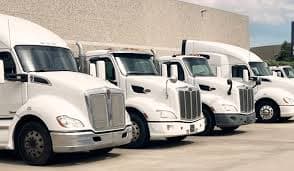
February spike in Class 8 orders and steady spot rates: logistics impacts and planning advice
Class 8 net orders climbed to 47,200 in February, the highest monthly intake since September 2022 — a 47% month-over-month jump and a 159% year-over-year increase, according to FTR.

DataDis appoints three vice presidents and a training director to drive operational excellence and growth
DataDis has shifted its executive lineup by elevating an internal operations lead to vice president of operations, a move that will directly influence process optimization across fleet telematics, dispatch workflows and customer support for commercial fleets in Quebec and adjacent markets.

Bob Costello: trucking’s recovery is painfully slow because capacity—not freight—has shifted
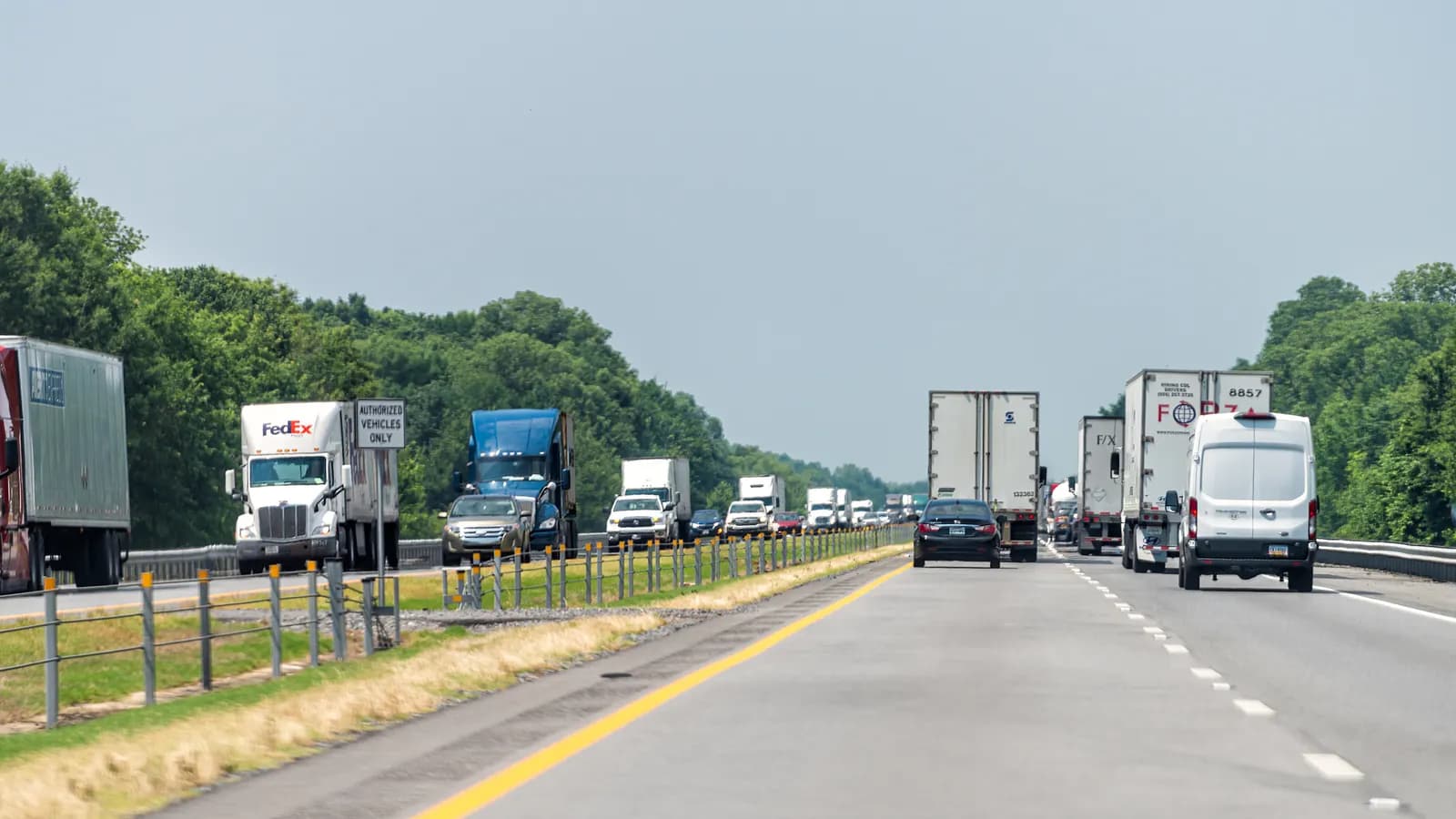
Contract truckload shipments rose 1.4% in January 2026 (seasonally adjusted), the biggest monthly jump since October 2024, yet overall contract volumes still sit about 9.2% below the 2022 peak, illustrating a recovery that’s coming from the supply side rather than a surge in freight demand.

ATRI’s Operational Costs survey adds multi-year benchmarking and asks carriers to share driver pay and operational costs
ATRI launched its annual Operational Costs of Trucking survey asking motor carriers to report 2025 metrics through April 24, requesting granular figures on driver pay, equipment payments, insurance premiums and key performance indicators such as revenue per truck per week.

AI competency and change management climb HR priority lists
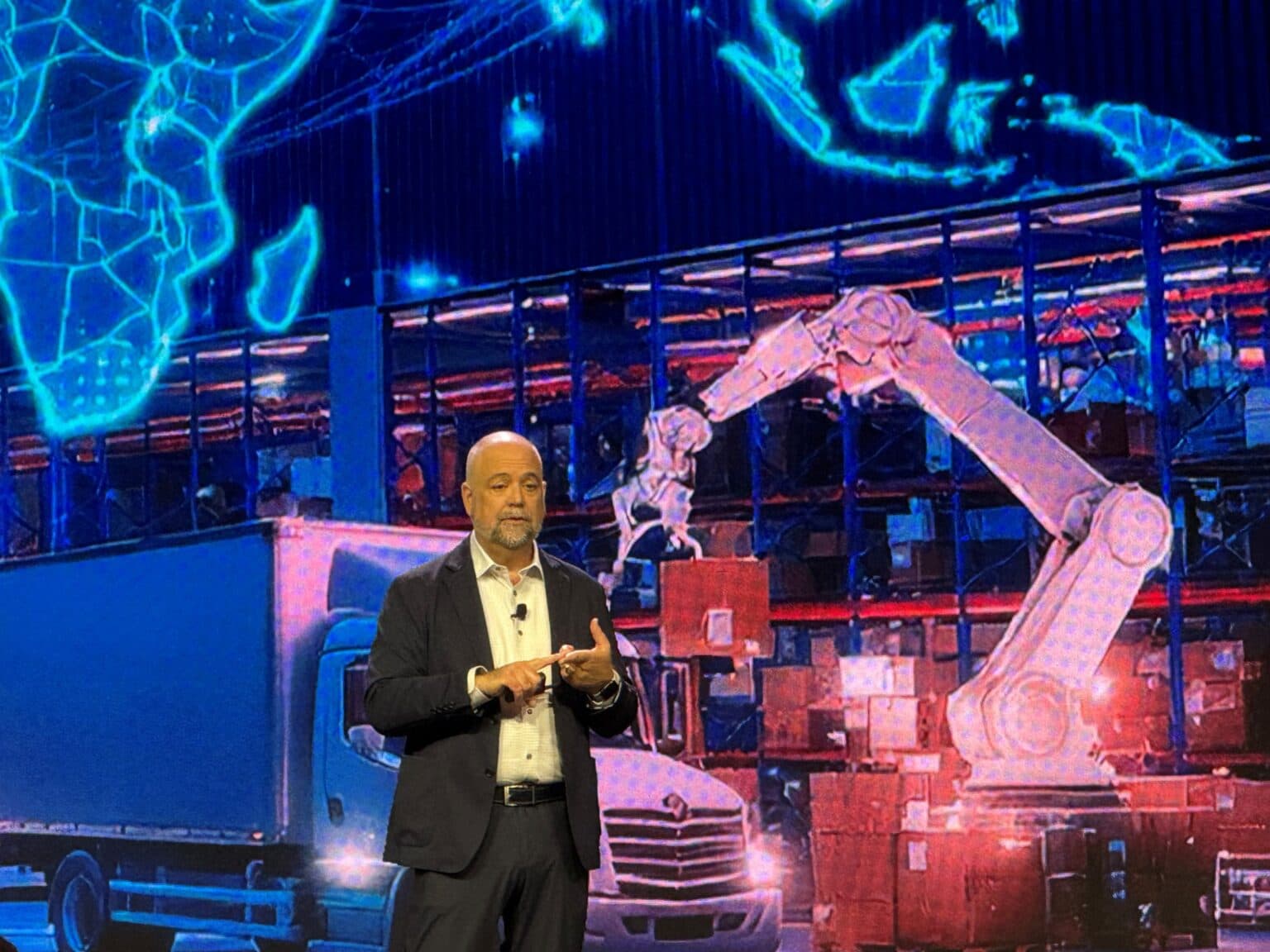
Warehouse HR and transport operations teams are being asked to integrate AI-driven rostering, automate training playlists for seasonal hires, and guide organizational restructures to keep 24/7 supply chains moving — and LinkedIn’s Skills on the Rise highlights that AI literacy and organizational change management are among the fastest-growing HR skill sets.

Port 460 Logistics Center advances in Suffolk with A. Duie Pyle developing Building 5
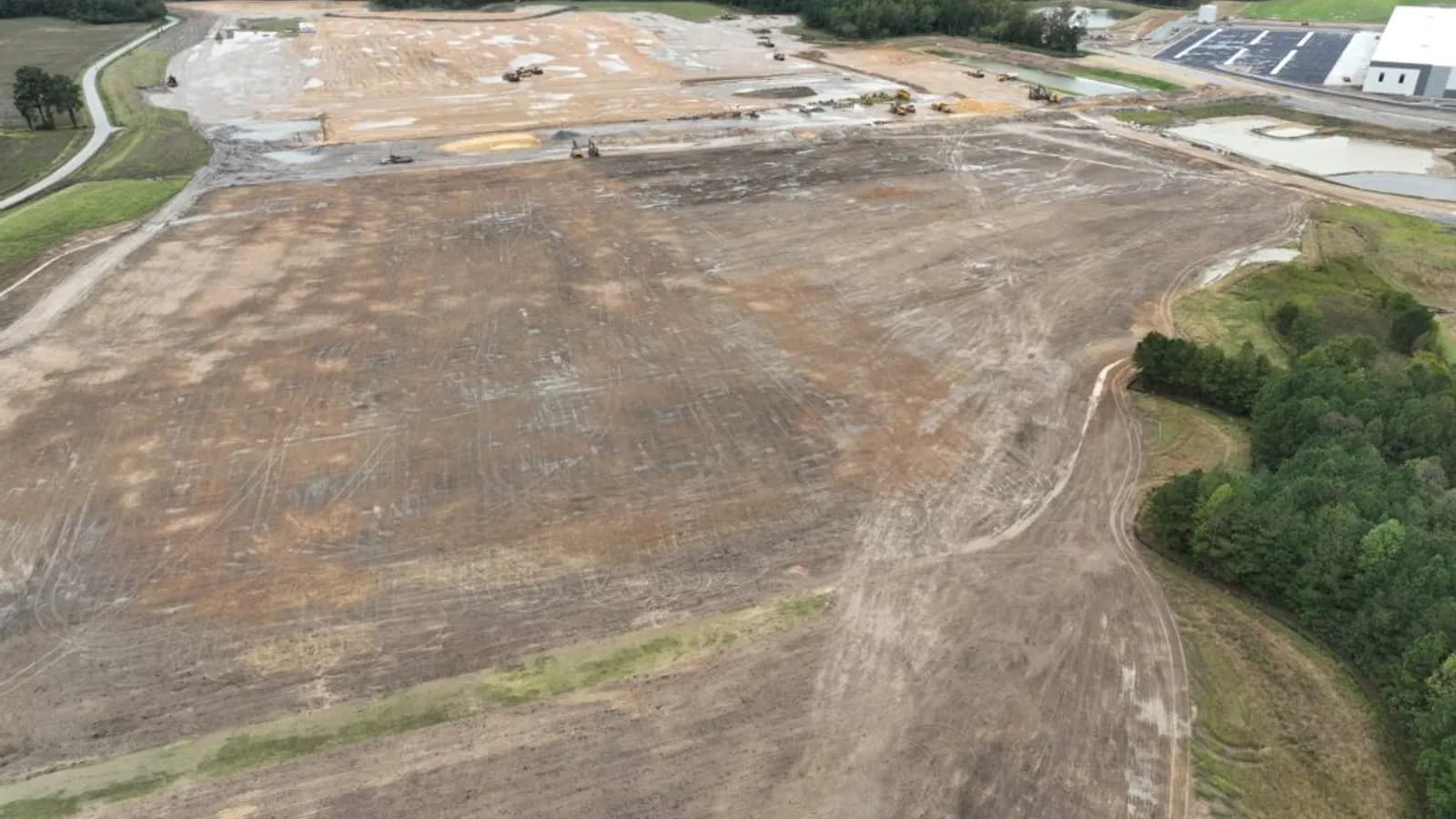
The Port 460 Logistics Center occupies over 500 acres in Suffolk, Virginia, with a planned buildout of roughly 5 million square feet of industrial warehouse and distribution space.

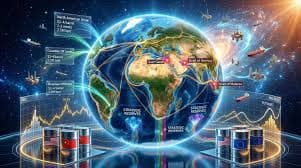
How Middle East tensions are altering sea routes, insurance premiums and fuel volatility
Since early March 2026 several container lines and tanker operators have opted for Cape of Good Hope transits instead of the Suez–Red Sea corridor, adding up to two weeks to some sailings and increasing bunker consumption by an estimated 15–25% on affected legs.

Red Sea hazards push up sea transit times, insurance premiums and freight bills
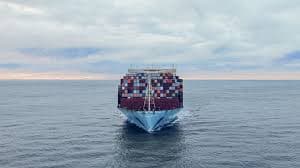
Container services diverting around the Cape or making longer detours are adding measurable days to Asia–Europe schedules, raising bunker consumption and creating extra port calls that translate directly into higher landed costs and scheduling gaps in supply chains.

How Gulf-region conflict is translating into higher fuel, freight and supply-chain pressure
Rising crude prices from the Gulf region conflict have an immediate pass-through effect on transportation costs across road, rail, sea and air.

Airfreight Strain: 21% of Global Cargo Volumes Disrupted, Critical Lanes Impacted
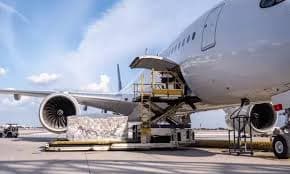
Air freight capacity on major corridors — notably Asia–Europe, trans‑Pacific and routes via the Middle East hubs — has contracted, with industry specialists estimating about a 21% reduction in accessible global cargo volumes following the recent US–Iran tensions.

How Red Sea and Strait of Hormuz disruptions are driving up freight costs and transit times for Indian trade
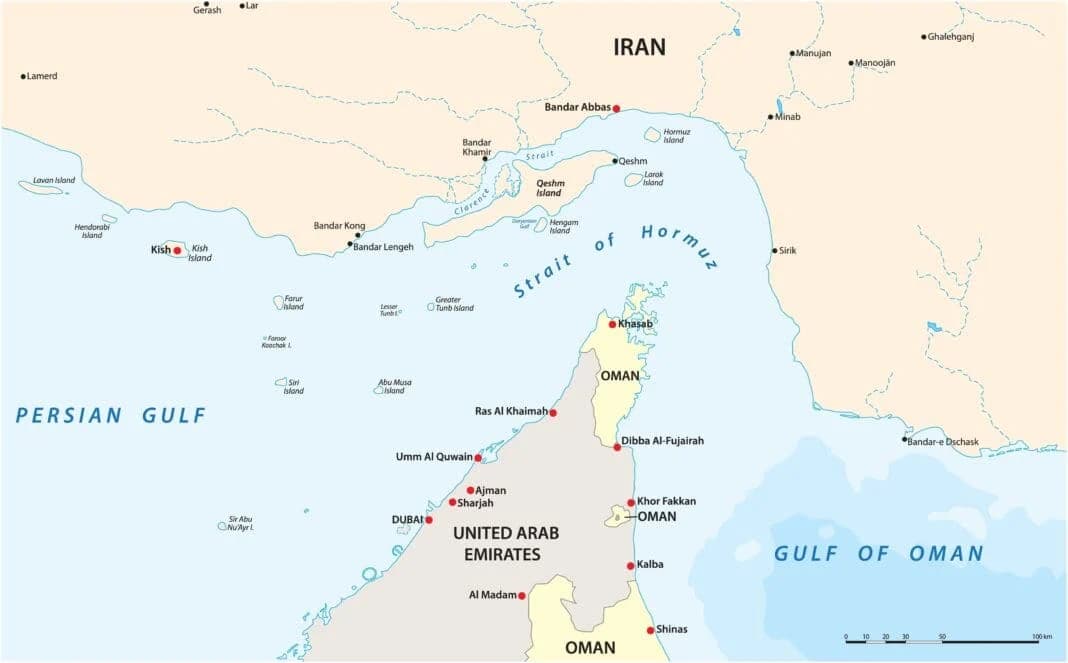
Shipping lines are rerouting vessels away from the Strait of Hormuz and the Red Sea, adding days to voyages, increasing bunker consumption, and driving up spot and contract freight rates for India’s import-export flows.

How a Strait of Hormuz Disruption Cascades Through Global Container Networks
About 132 container vessels carrying roughly 450,000 TEU were reported immobilized around the Strait of Hormuz after February 28, representing ~1.4% of the global container fleet, but impacting nearly 10% of deployed loops once broken rotations and service strings are counted.