Ia Aplicația


Autor
Ascensiunea nomadismului digital transformă industria turismului, oferind o oportunitate grozavă pentru cei care se adaptează. Nomazii digitali caută destinații prietenoase pentru lucru, cu bogăție culturală, iar satisfacerea acestor nevoi va poziționa afacerea dumneavoastră ca o alegere de încredere. Acum este momentul să vă aliniați serviciile cu această tendință în creștere și să accesați piața în extindere de lucrători la distanță dornici să exploreze lumea.

Future of the Chemical Supply Chain - How New Government Priorities Will Shape the Industry
Diversify suppliers and streamline customs to prevent stockouts and reduce pollution. working with british and ukrainian partners helps ensure finished inputs move reliably. most reforms tighten regulations on cross-border trade, with new customs checks and better data sharing across suppliers, authorities, and manufacturers. this shift aims to reduce stockouts while driving cleaner transportation and improved safety data for everyone involved. recycling and circular packaging become policy requirements, nudging firms to report packaging recovery rates and reduce waste. the polluter pays principle will push for higher environmental discipline, and customs inspections will verify

Scenario Planning vs Probabilistic Forecasting - A Practical Guide
Start with scenario planning to map uncertainties, then use probabilistic forecasting to quantify likely outcomes. This two-step approach probably gives you a right balance between exploration and precision, enabling decision-makers to act with confidence. When you are creating four to six coherent scenarios, you can align production, supply, and staffing with market signals while preserving flexibility to respond to surprises. These sets of metrics measure resilience and help you gain actionable insights faster than a single-point forecast. This approach profoundly shifts how teams think about risk. In practice, build a scenario library around the most impactful drivers: demand shifts,

Eliminați pierderile de timp și creșteți-vă operațiunile la cote maxime
Realizează o hartă de 15 minute a celor mai mari 3 consumatoare de timp ale tale de astăzi și corectează o acțiune centrată pe proprietar. Acest lucru dezvoltă forța și stabilește direcția, iar menținerea unei singure schimbări aduce ușurință tuturor. Dacă sarcinile sunt răspândite în emailuri, chat-uri și notițe pe hârtie, vei vedea progres atunci când vei înlocui haosul cu un singur proprietar clar. Aceasta este genul de claritate care scurtează timpii de așteptare și readuce munca sub control. Consolidează într-un singur backlog și calendar. Nu lăsa notițele să rămână împrăștiate; atribuie fiecărui element o dată și un proprietar. Uneori, o mică acțiune deblochează un flux mai mare. Programează o întâlnire zilnică de 15 minute și revizuiește o acțiune concretă. Acest lucru menține munca în mișcare, de la așteptare la execuție, și reduce

Global Supply Chain Outlook 2025 - Trends, Risks, and Opportunities
Adopt a dual-sourcing strategy now to reduce disruption and meet demand across key markets in 2025, while building operational resilience through closer collaboration with suppliers and government partners in the current environment. This approach will provide buffer capacity and help you meet service targets during spikes in cost or transit delays. To capitalize on these shifts, explore nearshoring, regional hubs, and operational digitization. Many firms report a 15-20% improvement in forecast accuracy after AI-driven demand sensing and communication dashboards; some cut cycle times by up to 30% and implement a policy to share data with key suppliers. Risks demand attention: climate

Warehouse Operations - Storage Optimization to Maximize Space and Efficiency
Implementing zone-based storage with clearly labeled zones is the fastest way to move goods efficiently and maximize space throughout the facility. Challenges such as uneven demand and bulky SKUs are addressed by placing high-turn items in accessible bays and slow movers in deeper racks. When faizulloh asked, what is the first step, the answer is to map flows and set fixed pick faces. look at how goods travel from receiving to put-away and from put-away to outbound–minimizing travel is the first win. Expand density through vertical storage, creating creative slotting and flexible cross-docking. A well-planned rack height, from 2.5 to 6 meters, unlocks 20-35% more pick faces. implementing

Future of Warehousing in Southeast Asia - Trends, Technology, and Growth Opportunities
Invest in modular, automated warehouses in strategic regional hubs to meet rising e-commerce demand and lift performance across the sector. In asian markets, geographic proximity to ports and dense urban cores creates very tangible opportunities to shorten lead times, despite regulatory and infrastructure gaps in some countries. Foreign and international developers are accelerating footprints, but success hinges on local adaptation and scalable automation that makes operations resilient. Across some countries in the region, the largest growth is driven by consumer online shopping, with demand in electronics, fashion, and groceries accelerating. The geographic spread means a

AutoStore Customer Cases - Real-World Warehouse Automation Success
Implement AutoStore with standardized shelving and automated retrieval within 60 days to cut processing time by 40% and reduce order errors by 25%. Align the rollout with your existing workflows and ensure incremental upgrades protect current throughput while expanding capacity. In extensive client trials, facilities that used AutoStore reported a 2x to 3x boosts in picking throughput and a 35% to 55% faster retrieval, depending on SKU mix. The raiffeisen project shows a clear investment payoff: with a 12- to 18-month payback, centers handling up to 12,000 lines per hour maintained service levels during peak runs, while converting 25% of manual handling to automated processes. When

The Robot Revolution - Warehouse Automation Trends for 2025
Deploy a modular intelligent automation stack today, fully integrated with your ERP, focusing on sensors and autonomous assets to address bottlenecks in picking and packing. Start with a one-zone pilot, gather real-time insights on throughput, and scale smoothly across the workplace as results prove viable. In practice, a quick teardown of existing processes reveals where automation delivers the most value: repetitive forklift tasks, route planning for a truck fleet, and the handling of inbound goods. A clean break between manual and automated flows helps unify safety and productivity, while still keeping workers engaged on higher‑skill tasks. This mix keeps the workplace safe and

Don't Miss Tomorrow's Healthcare Industry News - Key Updates
Click to subscribe now and receive tomorrow's briefing from your provider network, with concise , actionable insights you can apply outside the office. July's updates come with a tight list of shifts in payer policies, telehealth reimbursement, and data-sharing rules. gupta notes practical steps clinics can take to keep care safe and compliant; some recommendations you can implement immediately to provide safe patient care while maintaining efficiency. For teams stuck in a prison of manual workflows, the article outlines paths that release capacity and move tasks to automation where possible . Some changes may seem impossible at first, but a staged approach helps you progress. To stay ahead

What Is Perfect Order Fulfillment and Why It Is Important
Redesign your end-to-end workflow now to cut damages and returned items by 20–40% and outsource non-core tasks to preserve focus on brand-critical processes. This concrete move tightens the loop between procurement, fulfillment, and last mile, keeping you in control of each step. davis observations confirm that a focused start pays off within weeks. Perfect order fulfillment means receiving, picking, packing, and shipping in a single, reliable rhythm so customers get what they ordered, when they expect it, with minimal damage. To make that real, you need end-to-end visibility across inventory, orders, and carrier handoffs. The core challenges are inaccurate demand signals, misrouted picks,

Supply Chain Innovation - 7 Proven Strategies to Transform Your Operations in 2025
Start with a 90-day pilot of real-time demand sensing to align production planning with early signals from sales data. Track forecast accuracy, reduce inventory by 15-25% in tested SKUs, and shorten lead times in factories that adopt connected systems. This concrete kickoff gives teams fast feedback and a solid baseline for 2025 improvements in performance and customer service, setting the stage for a successful transformation. Strategy 1: Real-time demand sensing and synchronized planning. Integrate ERP, MES, and warehouse data with a lightweight analytics layer. Conduct a 4-week interview cycle with people on the shop floor and with suppliers to validate assumptions. Set a target of
Visibility and Adaptability - The Core of Truly Integrated Logistics
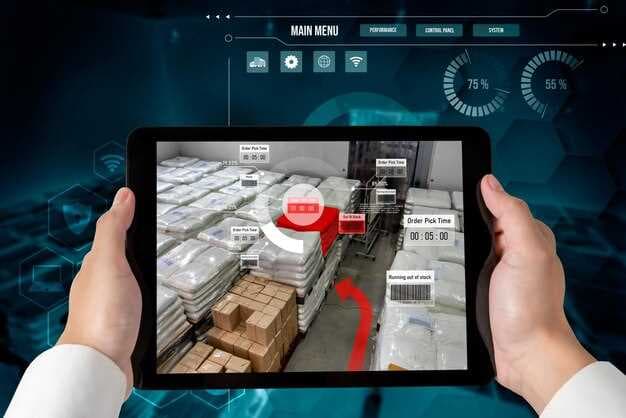
Start with a unified visibility layer that covers sourcing, production, and distribution to boost competitiveness and agility. Keep the efforts together by connecting suppliers, factories, and carriers through a single источник of truth, updated timely to support production decisions and sourcing choices. Integrating data from ERP, WMS, and TMS into a cross-network dashboard reduces risk and speeds responses. In practical terms, this does cut disruption windows by 20-30%, and might elevate on-time delivery toward 93-96% in stable markets. Increasingly firms embrace sourcing partnerships that align incentives and shrink buffer stock without harming service. Provide actionable guidance to
