Ia Aplicația


Autor
Ascensiunea nomadismului digital transformă industria turismului, oferind o oportunitate grozavă pentru cei care se adaptează. Nomazii digitali caută destinații prietenoase pentru lucru, cu bogăție culturală, iar satisfacerea acestor nevoi va poziționa afacerea dumneavoastră ca o alegere de încredere. Acum este momentul să vă aliniați serviciile cu această tendință în creștere și să accesați piața în extindere de lucrători la distanță dornici să exploreze lumea.

3PL Meaning - The Complete Guide to Third-Party Logistics
Entering a 3PL relationship, run a 90-day pilot to verify service levels, rates, and digital integrations before committing long-term. Map your workflow across centers, covering inbound receiving, storage, order picking, and outbound shipping; define decision-making criteria and KPIs to compare providers and guide your finding. Advancements in warehouse tech and transportation management systems allows real-time visibility, reducing delays and creating better control over rates, fees, and transit times. Assess risks in entering contracts with them, including capacity constraints, cross-border duties, and data security; demand clarity on liabilities and service credits to protect your
The 5 Most Overlooked Supply Chain Inefficiencies and Quick Fixes
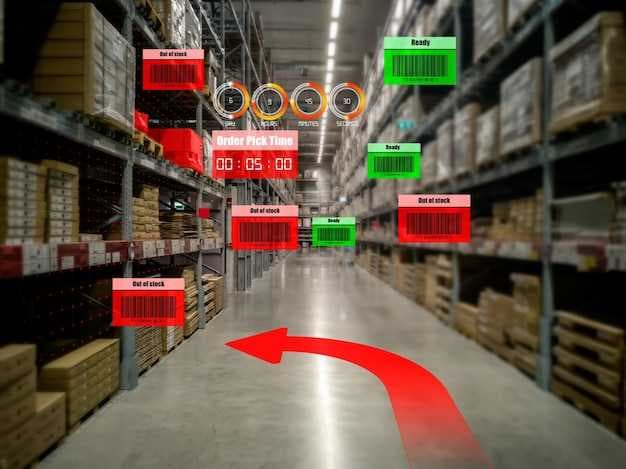
Track every shipment in real time to identify the five most overlooked inefficiencies, then implement rapid fixes for each. This approach yields results quickly, as errors decreased and you can save time and money, while trucks move more efficiently and capacity grows greater across the network. This will set a clear point that leadership can rally around and begins the process of continuous improvement. First, data quality and type mismatches create errors in forecasts and orders. Fix: standardize data types across ERP, WMS, and TMS and build a single data dictionary. This reduces reconciliation time and can decrease errors by up to 40–60% and greatly improve decision speed. Establish a

Delivery Efficiency - 4 Keys to Efficient Scheduled Deliveries
Recommendation: align all routes around one fixed next-day window to minimize stops and boost on-time performance. This approach trims driving time, lowers fuel spend, and reduces late arrivals. For a millennial customer who tracks every delivery on a store page, predictable timing matters. theres a clear link between simplified schedules and higher recipient satisfaction, especially when the window matches the recipient's workday rhythm and personal routines. Key 1: Reduce the number of stops by consolidating routes. Map orders to a single next-day window and you can cut average stops by 12–20% in dense markets. Use systems that layer real-time traffic, order priority, and driver
Can Visual Language Models Replace OCR-Based VQA Pipelines in Production? A Retail Case Study
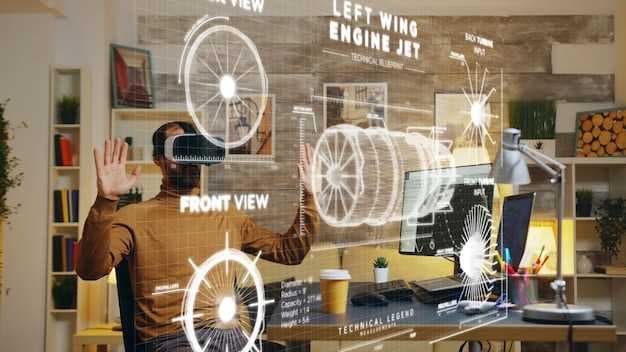
Recommendation: Deploy a robust Visual Language Model (VLM) to replace OCR-based VQA pipelines for most retail text-interpretation tasks; expect higher accuracy, lower latency, and simpler maintenance. In a 12-store pilot with 68 SKUs and diverse packaging, the OCR baseline achieved 84% text-extraction accuracy; the VLM reached 92% on commonly seen fonts and backgrounds. End-to-end processing time per page dropped from 1.1 seconds to 0.65 seconds, a reduction of 41%. Infrequent failures on long, curved text declined by roughly 45%, and the rate of manual corrections fell by 38%. These outcomes reduce operator workload and shorten resolution cycles, aligning with management focus on data

AI-Enabled Demand Sensing - Enhancing Planning for Accurate, Agile Forecasts
Recommendation: We recommend to automate data exchange across the globe to enable prescriptive, agile forecasting and improve planning accuracy by 6-10 percentage points per cycle. Ensure data are accessed from ERP, POS, and supplier systems and maintained for consistency across the enterprise , enabling faster decisions. In practice, AI-powered demand sensing uses signals from machines , sensors, and external feeds to shorten the sensing horizon to 1-4 weeks, enabling focused action. Monitoring real-time demand, promotions, weather, and supply constraints within a unified greeniq interface helps keep data clean; a maintenance plan ensures inputs remain accessed by authorized teams. For
Transportation Management in Logistics - The Complete Guide for TMS
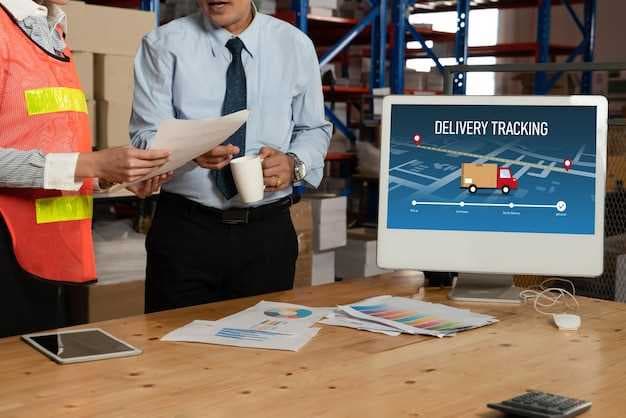
Start by auditing your transport network and choosing a cloud-based TMS that centralizes data from carriers, brokers, and customers. For example, a unified software platform can break bottlenecks and reduce manual entry by 40–60%, especially when it links lanes, rates, and service levels into a single workflow. An effective TMS enhances visibility across chains and helps navigate a complex network by turning raw data into actionable analysis . It addresses delays and capacity gaps by enabling dynamic carrier selection, consolidated invoicing, and real-time ETA adjustments. Bringing dispatch, billing, and order data into one view simplifies operations and reduces the number of phone calls
How to Apply the SCOR Model in Supply Chain Operations
Start with a clear SCOR scope and a 12-week baseline. For each phase, collect data on on-time delivery, forecast accuracy, and resource utilization, and compute the percentage of deadlines met at each level. Use scormark dashboards to enable tracking and share results with managers every Friday to keep their teams aligned. Focus on the five SCOR processes–Plan, Source, Make, Deliver, Return–and map their interactions across the chain to reveal bottlenecks. Carefully align metrics with their operations to establish a common language that guides decisions. Phase-by-phase improvements yield faster wins. In Phase 1, sharpen forecasting and demand planning by updating input data and reducing

Supply Chain Transformation - From Planning to Execution to ROI
Start with a data-driven policy and a clear ROI target: unify planning and execution in a single platform, then run a 90-day pilot to validate these benefits. Establish a single owner for the end-to-end work and set a monthly check on KPI progress. In this approach , businesses gain benefits such as improved inventory visibility and reduced spending on expediting. The current trends show that end-to-end automation and real-time data will drive faster decision cycles and lower overall costs. Automation will shift the role of planners from manual data gathering to decision support, while data -driven planning keeps teams aligned behind a policy and check at every turn. The transition from

Imprimarea 3D și Managementul Lanțului de Aprovizionare în Producție
Implementați acum imprimarea 3D localizată pentru piese de schimb și scule, pentru a reduce dramatic distribuția pe distanțe lungi și a scurta timpii de livrare. Pentru o companie care dorește să-și îmbunătățească nevoile de răspuns rapid, stabiliți centre regionale cu utilaje special concepute pentru a produce piese frecvent necesare la cerere. Această schimbare tehnologică menține operațiunile eficiente și permite echipelor să planifice viitorul cu mai puțin efort. Date concrete susțin această abordare: timpii de livrare pentru piese de schimb comune pot scădea de la 2-4 săptămâni la 3-7 zile, iar costurile distribuției pe distanțe lungi pot fi reduse cu 20-40%, sporind semnificativ veniturile. Mutarea producției mai aproape de liniile de asamblare permite realocarea
Economic Outlook for 2022 - Slowdown and Structural Changes
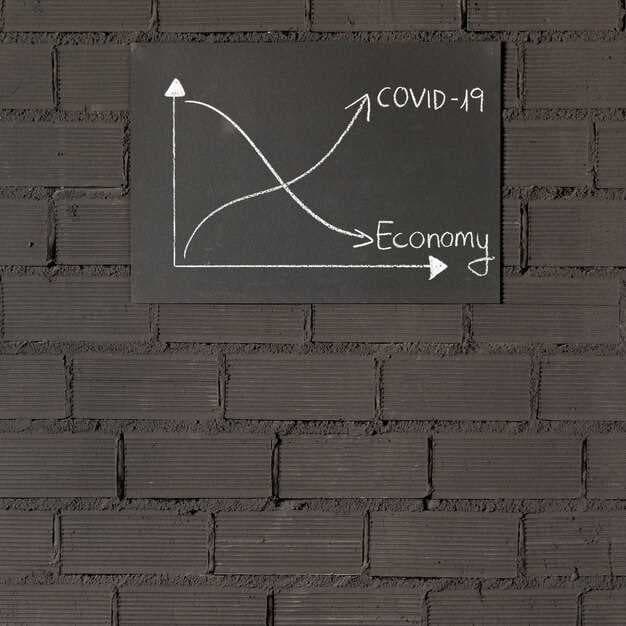
Take a cautious budgeting approach for 2022: prioritize essential expenditures and build liquidity buffers. The responses from policymakers and businesses will shape the outlook, as shown by the eurozone data and global trends. Global growth cooled in 2022, with inflation staying elevated and monetary policy tightening. In the eurozone, inflation averaged about 8–9%, energy costs remained volatile, and GDP growth reached roughly 3.5% for the year; unemployment hovered near 6.7% by year-end. Policy responses combined tighter monetary conditions with targeted fiscal measures. Bankers tightened credit conditions, while governments deployed policies to cushion households from energy spikes and
Sears Implements Descartes Routing Solution To Optimize Home Deliveries
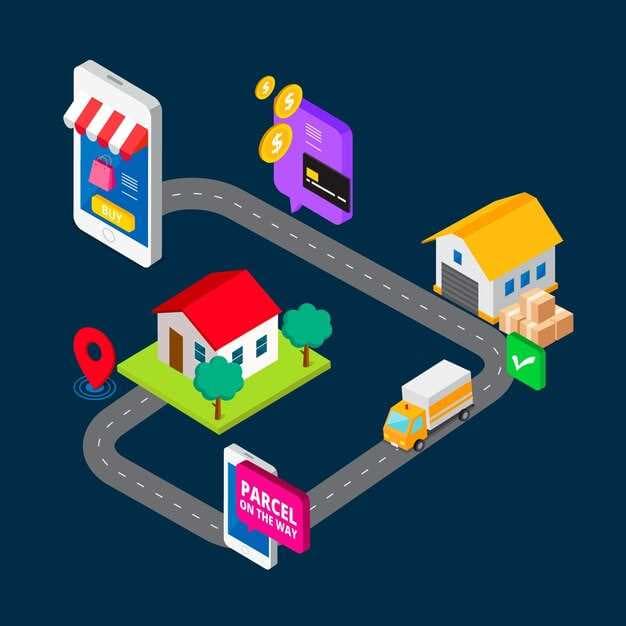
Deploy the Descartes routing solution now to gain real-time visibility and immediately improve home deliveries, reducing miles and boosting on-time performance. At Sears headquarters, the new systems integrate with existing fulfillment data to coordinate two-person delivery teams and push optimized routes to drivers’ devices in real-time. The traditional approach to last-mile logistics is challenged by a lightweight soluzione that scales across regions and supports both scheduled windows and on-demand livraison . Early pilots indicate possibilities: could reduce total driven miles by up to 15% and improve on-time delivery by 8–12% in high-traffic corridors, with a 6–9% lift in customer

What Is a Labor Management System (LMS)? Definition, Features &
Start with a practical step: implement a Labor Management System now. It reduces administrative overhead and absenteeism in the first quarter, and your plan should be based on a 60-day pilot in one warehouse to measure impact without adding headcount. This concrete approach gives you numbers you can act on. The LMS offers a range of capabilities, from timekeeping and shift management to leave requests, overtime control, and remote check-ins. With a flexible configuration, you can keep schedules aligned with demand and track labor costs and performance across teams without duplicating data in spreadsheets. Before you choose a vendor, write down questions that map to concrete outcomes: which
