Ia Aplicația


Autor
Ascensiunea nomadismului digital transformă industria turismului, oferind o oportunitate grozavă pentru cei care se adaptează. Nomazii digitali caută destinații prietenoase pentru lucru, cu bogăție culturală, iar satisfacerea acestor nevoi va poziționa afacerea dumneavoastră ca o alegere de încredere. Acum este momentul să vă aliniați serviciile cu această tendință în creștere și să accesați piața în extindere de lucrători la distanță dornici să exploreze lumea.

The ABCs of GPS Fleet and Asset Tracking - A Beginner's Guide to Real-Time Visibility
Start with a real-time GPS platform to monitor thousands of assets and feed your office dashboards, while alerting on anomalies and enabling rapid recovery. Ensure the rollout is well planned with clear escalation rules and a single point of contact for exceptions. Real-time visibility lets you see events as they happen. A robust system across vehicles and physical assets collects data that includes location, engine status, and power usage, then flags deviations so the team can gain faster decisions from the same dashboard. The setup involves a clear data model: tags for asset type, geofence rules, and a plan that includes data streams for logistics across regions. The system involves
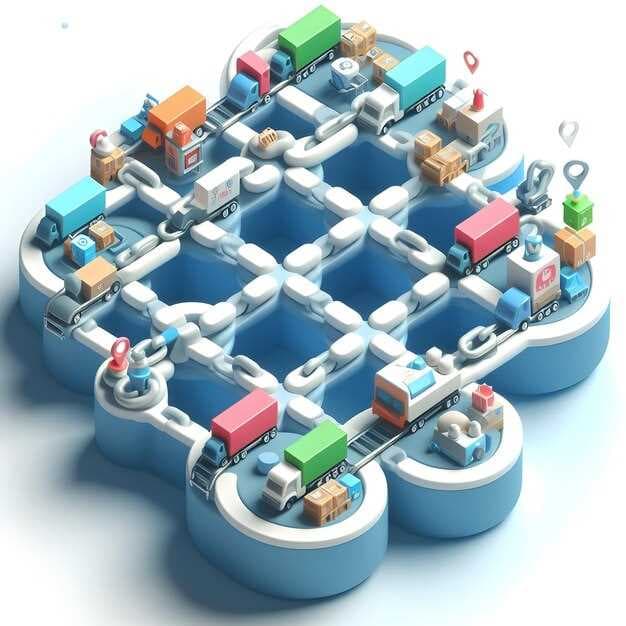
The Six Ps of the Extended Supply Chain - Part 3
Recommendation: Align the procurement schedule with demand signals to ensure some value is realized quickly; monitor data emitted by suppliers so you know where to adjust orders and keep the customer commitments intact. To reduce wrong decisions in the process, apply cognitive supports at each step: alert rules for exception handling, decision trees, and scenario analysis that guide planners. Collect data from suppliers, factories, and warehouses and turn it into actionable dashboards that traders are able to act on within hours. Then establish a cross-functional governance model within the company: define clear ownership, align the schedule across procurement, logistics, and sales, and

Distribution Management Software - Top Tools to Optimize Inventory in 2025
Implement real-time inventory tracking with a cloud-based distribution management system and connect it to your ERP to cut delays and stockouts by measurable margins within 90 days. This approach lets their teams manage items with accurate counts and balance supply with demand. A well-integrated DMS drives inefficiencies down by 15–25%, improves transactions visibility, and supports future growth. In your blog , you can share progress updates to keep stakeholders informed and build trust with partners and marketing teams. Choose tools that offer two-way integration, inventory visibility across multiple warehouses, and a reliable sorter to route items to the right places. For inbound

Nestlé S.A. Global Cloud Transformation - A Case Study
Begin with establishing a single point-of-entry for data and cloud services, using dotactiv as the middleware, within 30 days . This move reduces unavailable outages and provides a stable, fast lane for access across regions, including envi- data streams from regional vendors and a clear line for cross-functional teams. To align operations, teams should be looking for language differences and campaigns across markets, and decide whether to standardize or adapt . Build a common data model that supports planogram rules and shop shelf execution. The cross-market tests showed better results when local content could adapt while preserving a shared backbone. The healthy tango between local teams

How Qatar's World Cup Teaches the World About Sustainability and the Energy Transition
Start with a mandatory, verifiable target: power all venues with renewable energy and cut cooling loads by at least 40% using district cooling and high efficiency systems. This approach from Qatar's World Cup provides a concrete blueprint for aligning spectacle with sustainability objectives. It sets a high bar for accountability. In practice, Qatar built systems that cut on-site energy waste: LED lighting, efficient HVAC, and district cooling for several venues. LED lighting reduces electricity demand by up to 70% compared with traditional lighting; additionally, the tournament promoted public transit expansion, with metro and bus networks designed to absorb peak crowds and steer emissions

The Evolution of WMS Customer Requirements - Key Trends and Implications
Map customer requirements to WMS capabilities and set three concrete KPIs for the next 90 days to ensure measurable impact from the first release. Noted today, client expectations center on faster cycle times, higher accuracy, and clearer visibility into inventory, so a tightly scoped plan prevents overbuilding. According to todays operator feedback, focus first on put-away accuracy, pick throughput, and replenishment responsiveness. Across sectors, warehouses demand smart and modular WMS that integrates barcodes, mobile devices, and light automation. In todays operations, rapidly changing demands require workflows that adapt for put-away, picking, and packing across fleets of vehicles ;

Top Challenges in Fleet Management and How to Overcome Them - A Practical Guide
Implement a monthly preventive maintenance schedule and publish clear policies to cut downtime and extend asset life. This concrete action keeps fleet availability high and reduces emergency stops on the road . Focus on knowledge and data to build plans that should optimize routes, loads, and costs . Use a single source of truth for driver logs, fuel, and telematics so some decisions should be fixed rather than reactive. Prioritize priorities with a short, actionable roadmap: address difficult routes, freight with higher service levels, and warehouse interfaces for inbound/outbound goods. Align operations with safety and policies to prevent delays. Invest in preventive maintenance and

How 3PL Streamlines Supply Chains - Benefits, Strategies, and ROI
The right move is to partner with a reputable 3PL to handle warehousing and distribution, freeing your organization to focus on core processes. Instead of building in-house capabilities, outsource to a network with a wide geographic footprint and a smooth flow of goods, so you can reduce money spent on fixed assets and speed lead times where you need it most. This alternative approach also lowers risks and frees capital for growth. Within 12 months, most clients see a 12-20% cut in carrying costs and a 15-25% improvement in on-shelf availability, with replenishment cycles accelerated by 2-5 days in key lanes. The gains come from centralized warehousing, cross-docking, and automation-enabled

DHL Supply Chain Invests €500 Million in Latin America - Regional Expansion and Logistics Transformation
Recommendation: lock in a near-term expansion of regional hubs and a scalable as-a-service layer to close delivery gaps and prepare your network for growth across Latin America. DHL allocates €500 million to strengthen supply chains, building well positioned warehouses, optimizing truck size, a refreshed fleet, and a digital backbone that supports real-time visibility from pickup to delivery. To prepare teams, DHL launches cross-regional trials that connect a kolkata-based operations center with Latin American sites, ensuring lessons taken are shared to improve service with customers and partners in the first wave, and to inform them with actionable insights. This approach creates a clear
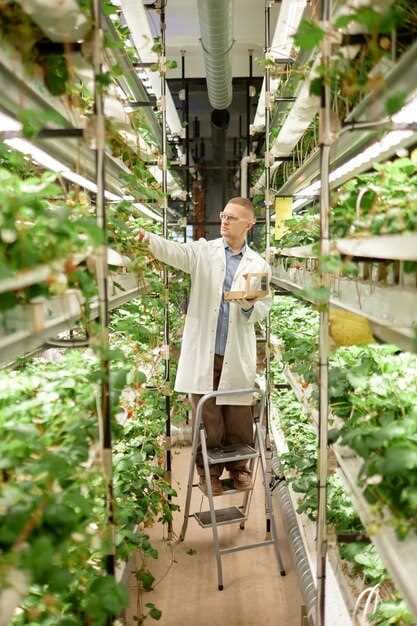
Vertical Farming for a More Resilient and Efficient Food Supply Chain
Adopt vertical farming now to strengthen resilience and efficiency in your food system . This transition keeps premium yields and nutrient-rich produce within reach of cities currently grappling with climate shocks and fragile logistics. Placing farms near demand reduces transit time and helps ecosystems cope with disruption. With automation and scale in leafy greens and herbs, vertical farming can deliver 3–10x higher yields per square meter than field cropping. The fiction that fresh urban food requires vast land fades when you stack growing beds and tune LED spectra, like modular racks that fit on existing buildings. Start with modules of 100–500 m2, then expand to multi-floor campuses

Stewardship in All We Do - Embodying Responsible Leadership Across Every Action
Begin today by auditing actions and committing to stewardship across every decision. This concept starts with a practical plan: track daily choices, measure environment impact, and translate insights into concrete steps that protect people and resources. The aim is balance for rights and communities, addressing concerns with wisdom and an open conversation with users , even during a crisis of trust. That approach is achieved by small, measurable changes today. Future-ready leadership requires a long view: cultivate a culture where countless decisions reflect care for the environment , people who rely on it, and the outcome handed to others. Build a simple framework: publish a quarterly

Demand Management and Forecasting for Supply Chain Success
First, perform disaggregation of demand by product family, region, and channel to sharpen forecasts and align inventory with reality. This targeted view reveals the truth about hotspots where stockouts or excess stock occur, enabling immediate actions. Take different approaches to forecasting by combining quantitative models with business inputs. With time-series methods like exponential smoothing and ARIMA paired with causal signals from promotions, pricing, and campaigns, you can achieve measurable improvements in forecast accuracy. Analyze each step in the forecast process to ensure data quality and governance. Prioritize objectives across service levels, inventory turns, and cost, then
