


 Română
  English (UK)
  Русский
  العربية
  日本語
日本語  한국어
한국어  Magyar
  Türkçe
  Español
  Čeština
  Svenska
  Português
  Ελληνικά
  Suomi
Suomi  Nederlands
  Italiano
  Français
  Polski
  Українська
  Deutsch
  简体中文
简体中文  Slovenčina
 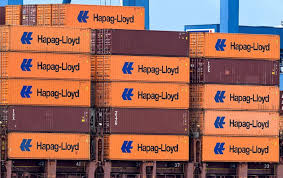 Hapag-Lloyd Sees 50% Profit Decline in First Nine Months Amidst Global Shipping Market Fluctuations">

Understanding the Profit Decline at Hapag-Lloyd
German container shipping giant Hapag-Lloyd has experienced a sharp 50% decrease in net profit over the first nine months of the year, pulling in 846 million euros, down from previous periods. This significant drop highlights the continuing turbulence in the shipping industry, a sector often seen as a bellwether of global economic swing. The firm has also adjusted the upper boundary of its full-year earnings forecast downward as it confronts ongoing market volatility and rising operational costs.
Navigating a Narrower EBIT Forecast
Specifically, Hapag-Lloyd has revised its full-year earnings before interest and taxes (EBIT) guidance to a range between 0.5 billion and 1.0 billion euros, trimming the high end from an earlier projection that went up to 1.1 billion euros. This recalibration shows the company’s cautious approach in responding to an environment marked by unpredictable demand and cost pressures.
CEO’s Strategy in Volatile Times
Chief Executive Officer Rolf Habben Jansen emphasized agile responses as the name of the game, with plans to maintain strict cost discipline to offset the persistent ups and downs in global trade flows. “We will respond agilely to changes in global trade and maintain strict cost discipline,” he noted, signaling an intent to stay lean and focused while exploring efficiencies.
The Impact of Security Concerns and Changing Trade Policies
Several external factors are weighing heavily on Hapag-Lloyd’s profitability. Security concerns in strategic shipping lanes like the Red Sea and frequent shifts in U.S. trade policies have spooked the market, contributing to unstable cargo demand and fluctuating freight rates. These conditions challenge the steady dispatch and haulage of shipments, adding a layer of complexity to logistics operations worldwide.
Transport Volumes and Cost Pressures
Despite these hurdles, Hapag-Lloyd managed a 9% growth in transport volumes, handling 10.2 million twenty-foot equivalent units (TEU) during the period. This increase reflects resilience in shipment activity, but unfortunately, it came paired with a 4.8% drop in average freight rates, settling around $1,397 per TEU. Rising costs combined with softer pricing have squeezed margins, placing pressure on overall financial health despite the volume uptick.
| Metrică | Nine-Month Period | Variație de la an la an |
|---|---|---|
| Net Profit | 846 million euros | -50% |
| EBIT | 809 million euros | -55% |
| Transport Volume (TEU) | 10.2 million | +9% |
| Average Freight Rate | $1,397 per TEU | -4.8% |
Collaboration and Cost Advantages
On a more positive note, the company has started to see tangible cost benefits from its new cooperative venture named Gemini, which is a partnership with another industry heavyweight, Maersk. Even though the initiative required upfront investments, the emerging efficiencies signal promising progress in shared operations that could reduce overhead and improve service reliability over time.
Industry Context: Maersk’s Performance
Interestingly, Maersk’s recent third-quarter results painted a somewhat brighter picture with better-than-expected earnings. Yet even Maersk issued caution, flagging the risk of declining freight rates heading into the fourth quarter. This joint visibility into market trends underscores the sector-wide challenge of balancing freight pricing with fluctuating cargo demand and cost inflation.
Implications for the Logistics and Freight Industry
The ongoing volatility that Hapag-Lloyd and its peers face is a microcosm of the larger logistics world, where fluctuating freight rates and transport demands directly affect supply chains, shipping schedules, and cargo forwarding decisions globally. For businesses relying on freight shipping, such market dynamics can dictate supply costs, delivery timelines, and overall logistics reliability.
- Cost Management is Critical: Rising operational expenses require companies to tighten budgets and seek collaborative efficiencies.
- Volume Growth vs. Rate Pressure: Increases in shipment volumes may not fully compensate for falling freight rates, squeezing profit margins.
- Geopolitical and Security Factors: Regions like the Red Sea continue to influence shipping routes and insurance costs, impacting logistics planning.
- Partnerships and Innovation: Collaborations, such as Gemini, may become a necessary tool to preserve profitability and enhance service scalability.
Table: Impact Factors and Their Effects on Logistics
| Factor | Effect on Logistics |
|---|---|
| Market Volatility | Unpredictable freight rates, planning uncertainty |
| Security in Key Routes | Route alterations, added insurance costs |
| Rising Operational Costs | Increases in freight pricing or squeezed margins |
| Collaborative Ventures (e.g., Gemini) | Potential cost savings, operational synergies |
The Takeaway: Making Sense of Market Shifts
While these financial results may look daunting, they reflect the fluctuating tides of global commerce. Shipping companies like Hapag-Lloyd are adapting their sails to catch promising winds wherever possible—whether that’s through stricter cost control, strategic partnerships, or nimble responses to market shifts. For anyone involved in cargo transport, freight forwarding, or logistics management, staying on top of these industry trends is essential to making informed decisions.
Personal Experience Matters Most
Of course, no amount of reviews or third-party analysis can substitute for firsthand experience. Platforms such as GetTransport.com empower shippers and movers by offering transparent, affordable, and flexible options for global cargo transportation. Whether it’s office relocations, large bulky-item shipments, or vehicle transport, the ability to compare services and prices helps customers avoid costly surprises and ensures a smooth logistics process. The freedom to choose and tailor transport solutions is a game changer.
On GetTransport.com, one can access a wide range of cargo transportation services at competitive prices globally, bridging the gap between complex supply chain needs and straightforward, reliable delivery. Book now GetTransport.com.com.
Looking Ahead: Logistics in a Changing World
While the recent developments at Hapag-Lloyd may not alone shift global logistics trends drastically, they certainly underline the importance of adaptability and transparency in shipping and freight forwarding. As GetTransport.com closely follows these market dynamics, the platform strives to offer solutions that keep pace with changing demands, ensuring customers’ cargo—be it parcels, pallets, or bulky international shipments—arrives safely and cost-efficiently.
Rezumat
In summary, Hapag-Lloyd’s 50% drop in nine-month net profits amid a turbulent shipping market highlights the pressures facing global logistics. Decreased freight rates, security challenges in key regions like the Red Sea, and rising operational costs have squeezed margins despite a rise in transported volumes. The company’s shift to stricter cost management and strategic cooperation, like its Gemini partnership with Maersk, illustrates efforts to regain stability in the freight sector.
For anyone navigating the complexities of freight shipment, cargo delivery, and international transport, these fluctuations underscore the need for reliable, affordable logistics solutions. Services like GetTransport.com meet this need by offering versatile shipping options worldwide, from household moves to the forwarding of large bulky goods, at competitive prices. This platform simplifies the dispatch, haulage, and relocation process, ensuring logistics operations remain smooth and efficient in challenging times.