


 العربية
  English (UK)
  Русский
  日本語
日本語  한국어
한국어  Magyar
  Türkçe
  Español
  Čeština
  Svenska
  Português
  Ελληνικά
  Suomi
Suomi  Nederlands
  Română
  Italiano
  Français
  Polski
  Українська
  Deutsch
  简体中文
简体中文  Slovenčina
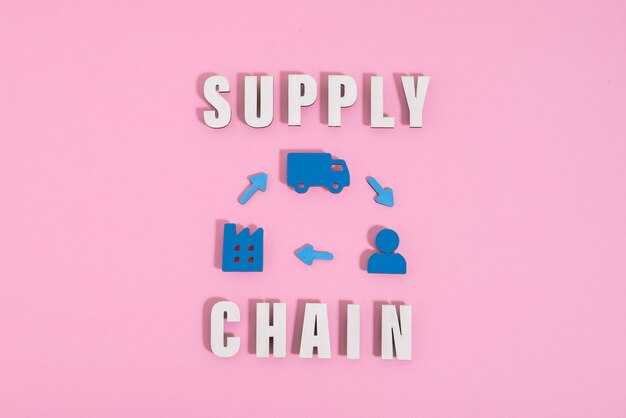
Adopt a competencies-based ladder for supply chain talent, starting with a course and a formal assessment to confirm readiness for the next position. Build a framework that captures competencies across planning, procurement, logistics, and data analytics, with notes and milestones to track progress. For some roles, anchor the path in a bachelors level foundation and tie advancement to practical inventory optimization projects that demonstrate impact, so teams can see a clear return on investment and keep willing learners engaged. The program should take into account regional needs, including africa, and be transparent about the requirement to develop cross-functional skills that enable a greater range of responsibilities.
In a T-shaped model, clarity matters: a greater horizontal span across aspects of supply chain–demand planning, supplier risk, transport, and technology–paired with deep vertical expertise in one domain. Encourage teams to appear qualified for cross-functional tasks by exposing them to short course modules and real-world challenges. This approach supports retention by showing clear growth milestones and a perfect match between skills and business needs, ensuring people can take on broader responsibilities fully.
Operational steps: create a three-tier path–Associate, Specialist, Lead–with inventory and data-driven milestones. Use notes from quarterly reviews to tailor development plans. Make retention a measurable outcome by tying promotions to completed course work, a portfolio of projects, and demonstrated competencies. Target africa markets with localized programs that blend global standards with regional demand, and involve stakeholders among teams to ensure buy-in and shared accountability.
Implementation timeline and metrics: roll out in phases over 12–18 months, start with pilot teams in high-impact areas like demand planning and supplier collaboration, then expand to inventory control and digital tools. Track time-to-proficiency, promotion rates, and notes of performance, ensuring willing participants complete required course work. Keep the process just and focused on measurable outcomes, not a checkbox exercise. Encourage partnerships with universities for a bachelors pathway and corporate-sponsored certifications that align with requirement profiles, so talent can take the next step with confidence.
Opportunities, Skills, and Roles for T-Shaped Talent in a Recruitment Storm
Begin with mapping your T-shaped profile across three core domains: deep expertise in a primary area (such as analytics, sourcing, or candidate experience) and broad capability in data literacy, process design, and cross-functional collaboration. Then initiate a 6- to 8-week cross-functional project to demonstrate real-world value and build a tangible portfolio that hiring teams can review across departments.
In a recruitment storm, opportunities arise across HR, operations, and business units. These environments demand talent who can bridge between talent strategies and operational outcomes. Your awareness of multiple channels, markets, and stakeholders becomes a differentiator, especially when you can translate data into actions that support both speed and quality in hiring outcomes.
These skills matter most when you combine depth in one domain with breadth in related areas. Develop a practical set of capabilities: quantitative literacy to read dashboards, storytelling with data to influence leaders, process optimization to streamline pipelines, and human-centered design to improve candidate journeys. Working on small, repeatable projects helps you convert learning into measurable impact while you balance competing priorities.
Roles aligned with this approach include Talent Analytics Specialist, Sourcing Strategy Partner, Candidate Experience Designer, Recruitment Operations Analyst, and Employer Brand Strategist. Between these titles, you’ll stand out by showing how your unique blend of specialization and cross-functional insight accelerates hiring cycles, reduces friction, and supports strategic workforce goals. These roles benefit from hands-on project outcomes and clear collaboration with business leaders.
To become qualified, engage with schools, bootcamps, and micro-credentials that deliver tangible artifacts you can present to managers. These programs should emphasize real-world projects, not just theory. If you are young or returning after a break, combine formal coursework with practical assignments that you can apply across teams. Working on side projects while you are underemployed increases your readiness and expands your potential network, while you optimize your development path and shorten your time to impact.
Below is a practical map that links focus areas, skills, actions, and potential roles. Use it to organize year-by-year growth across a 2-year horizon and to benchmark progress against measurable outcomes.
| Focus area | Key skills | Recommended actions | Possible roles |
|---|---|---|---|
| Talent Analytics | Data literacy, KPI interpretation, dashboard use | Complete 2 real-world projects; build a dashboard for hiring metrics; participate in monthly metrics reviews | Talent Analytics Specialist, HR Data Partner |
| Candidate Experience & Sourcing | UX messaging, channel strategy, stakeholder communication | Run A/B tests on messaging; map candidate journey; collaborate with marketing on outreach | Sourcing Strategy Partner, Candidate Experience Designer |
| Recruitment Ops & Automation | Workflow design, ATS tooling, process optimization | Implement one automation workflow; document time-to-fill reductions; lead a small enhancement sprint | Recruitment Operations Analyst, Process Improvement Lead |
| Employer Branding & Market Awareness | Brand storytelling, market intel, content planning | Develop a 90-day external content plan; track signals from job markets; present quarterly impact | Employer Brand Strategist, Brand & Engagement Partner |
Metrics to track include time-to-fill, candidate satisfaction scores, and conversion rates at key funnel stages. Target a 10–25% reduction in time-to-fill when cross-functional skills are applied to process gaps, plus a 15–20% lift in candidate engagement in redesigned touchpoints. Between projects, document lessons learned and update your development plan to close any remaining capability gaps.
Core T-Shaped Skills: Balancing Tech, Analytics, and Business Insight
Start with a 12-week skill map that bundles three tracks–Tech, Analytics, and Business Insight–into weekly blocks and two capstone projects connected to coursework. Build a very practical plan, track progress in a shared document to demonstrate tangible work across teams, underscoring opportunities for learners to show impact to recruiters and managers.
Tech block focuses on three practical rails: data handling, programming, and systems literacy. Build SQL basics to join two sources; use Python for cleaning and small automation tasks; and learn cloud concepts to understand storage, access, and governance. This track centers on different data streams and yields the most actionable improvements to day-to-day work and product decisions.
Analytics block emphasizes statistics fundamentals, experimentation, and storytelling. Run two small experiments per project, interpret confidence intervals, and create visuals that connect to business KPIs. Use Excel or lightweight tools to model scenarios; practice with coursework datasets; present findings in a 10-minute session to a non-technical audience. This helps learners move from data extraction to decision-making.
Business Insight block bridges to operations. Map processes, identify bottlenecks, and align metrics with the organization’s goals. Learn stakeholder communication, prepare one-page briefs for a board-like audience, and apply root-cause analysis using simple frameworks. This perspective helps they see how analytics informs decisions and how roles evolve within a modern organization.
Implementation and career growth: structure a 3- to 6-month grooming path that spans cross-functional roles such as analyst, product support, and operations. This approach creates opportunities in africa for young talent, where partnerships between faculty and local organization deliver real projects during sessions and coursework. From a learner perspective, they could see faster progression when projects align with company priorities; managers gain ready-to-deploy talent that fits multiple roles; concerns about skill gaps shrink as cross-functional work is practiced and measurable outcomes accumulate. saunders notes that tying hands-on work to coursework accelerates readiness and better prepares graduates for the most in-demand roles.
In-Demand Roles Within the T-Shape: From Data Translator to Supply Chain Orchestrator
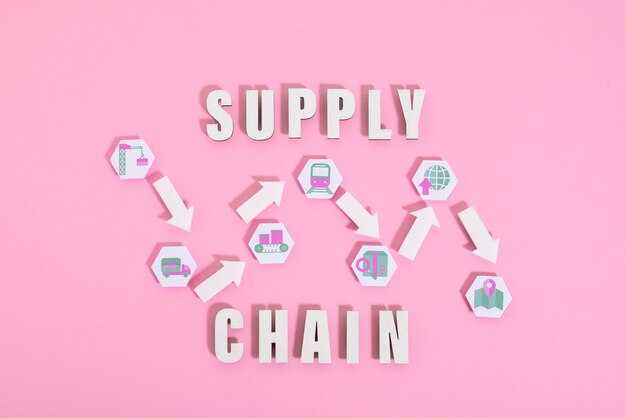
Start with a concrete recommendation: begin as a Data Translator to bridge analytics and operations, then advance to a Supply Chain Orchestrator. This position sits at the intersection of data and action in manufacturing project teams, delivering value to the most critical parts of the supply chain. For the workforce, this path reduces concerns about turning data into results. You learn by doing through simulations and real case work, building a foundation on education aligned with majors in analytics, engineering, or operations.
The path continues through roles such as Data Translator, Analytics Specialist, Demand Planner, and Supply Chain Designer, with the ultimate goal of the Orchestrator. Each role could boost outcomes by connecting planning with factory-floor execution. Seek opportunities to work between data teams and operations, and let data show how cross-functional work accelerates impact. Ground your growth in foundational statistics and operations, then add advanced capabilities like scenario modeling and simulations to stay ahead.
For students and professionals, education should blend coursework with hands-on projects and internships, not only majors. Scholarships support women and underrepresented groups to join recruiting pipelines and the workforce. A center of excellence can host case libraries, simulations, and ongoing training, providing managers with a reliable talent pool during periods of rapid change. Foundational courses in forecasting, inventory, and transportation set the stage, while advanced modules tackle network design and digital twin simulations.
Organizations can accelerate this talent pathway by creating a center-led career track that spans data literacy and operations, implementing rotating projects between analytics teams and manufacturing sites, and offering scholarships or tuition reimbursement to attract students. Use case-driven project work to show value and reinforce education with real outcomes. When recruiting, highlight the concrete path from Data Translator to Supply Chain Orchestrator and describe how this foundation fits the company’s goals during demanding cycles.
Career Growth Paths: Ladder, Lattice, and Lateral Moves for T-Shaped Talent

Starting with a concrete recommendation: adopt a three-track plan that ties ladder growth, lattice breadth, and lateral moves to your T-shaped capabilities, and reflect on progress every quarter.
This approach aligns your strengths with business needs, requires deliberate actions, and benefits those willing to invest time in cross-functional learning. Several studies underscore that those who combine formal programs, hands-on rotations, and clear impact metrics achieve faster visibility with managers and executives.
- Ladder (Vertical Growth)
- Recommendation: those willing to commit will require sponsor backing from managers and a clear vertical plan.
- Education: complete several formal programs or certifications linked to your domain.
- Timeline: target the next title within 24–36 months, with quarterly progress reviews and starts on concrete milestones.
- Impact tracking: use analytics to quantify outcomes (cost savings, cycle time, quality), underscoring the leadership perspective that your work creates.
- Studies: several studies show that education paired with consistent performance and visibility accelerates promotions.
- Mentorship: seek guidance from managers and, where possible, a professor or senior advisor to refine your approach.
- Lattice (Cross-Functional Breadth)
- Approach: actively pursue rotations across planning, procurement, operations, and analytics to broaden your perspective.
- Programs: participate in cross-functional projects; those programs highlight your T-shaped credibility and selling points to leadership.
- Timeline: aim for 12–18 months per rotation, and complete at least two different functions within 3–4 years.
- Resource: leverage internal mobility resources and mentor networks to smooth transitions.
- Benefits: wider influence, improved collaboration, and a more versatile profile for career growth.
- Lateral Moves (Horizontal Shifts)
- Purpose: use short- to mid-term assignments to deepen analytics, storytelling, and market-facing insights while staying aligned with your core.
- Approach: actively join cross-functional task forces, pilots, and dashboards; those efforts should start with very concrete goals and selling points.
- Timing: execute projects lasting 6–12 months that yield visible gains and raise your profile among executives.
- Mentorship and education: lean on managers and professors for feedback; use education resources to map your next two roles.
- Outcome: increased flexibility, stronger communication with stakeholders, and expanded options for future promotions.
However, vertical growth demands discipline and measurable impact to be sustainable.
For graduates and those starting their careers, this framework offers very concrete steps: reflect on your analytics portfolio, get cross-functional exposure, and think about your trajectory from your perspective and the business outcomes you influence. This requires active effort, several small wins, and a willingness to sell your value to teams and leadership.
Learning Roadmap: Short-Cycle Certifications and Hands-On Projects
Start with two short-cycle certifications in analytics and operations, then pair them with a hands-on project that solves a real business problem. Such a mix, stated by firms and professors, helps students move from theory to practice and evolve their professional profile quickly, really speeding up the learning curve.
Plan a six-to-eight-week cadence: weeks 1–2 choose the certifications; weeks 3–4 complete modules and attending live sessions; weeks 5–6 scope a project with a local place or partner firm; weeks 7–8 present outcomes to a professor and stakeholders. Among the benefits, a tighter feedback loop with professor mentors helps retention and supports graduate readiness for roles in strategy, analytics, and operations. This cadence leaves little idle time, reduces lack of engagement, and keeps momentum for students and others evaluating their readiness, when they seek practical skills that firms value.
Hands-on projects should tackle a real data problem: define objective, collect and clean data, apply analytics to extract actionable insights, and deliver a working dashboard with a true business impact. The project could model a process improvement in operations, showing how a disciplined approach could deliver measurable outcomes within weeks.
To choose programs, seek those that offer foundational labs, practical simulations, and mentorship from a professor or industry practitioner. Look for data-heavy modules, opportunities to work with firms, and a capstone that can be placed in a resume or interview. For attendees, attending such programs could build a competitive edge in graduate searches and early-career roles, like professionals stepping into real responsibilities.
Outcomes: a graduate gains true, transferable skills, can tell the data story, and can drive retention and performance in teams. By focusing on strategy, analytics, and operations, the path supports a discipline-filled career ramp and keeps pace with changing roles in firms and the broader industry.
Hiring and Retention Playbook During the Perfect Storm: Signals, Interview Focus, and Onboarding
Build a signals-driven hiring playbook that blends data, analytical, and qualitative indicators to identify candidates who can perform end-to-end tasks across a major area of the supply chain. Establish a lean cross-functional board to review signals weekly, align with department goals, and lock in a few majors or studies that reliably predict performance. Use a single tool to manage sourcing, screening, and assessment, and require candidates to show development in real-world projects before a final decision.
During interviews, blend qualitative responses with data-backed tasks to measure t-shaped capabilities: end-to-end thinking, collaboration, and domain knowledge in your area. Ask about studies and major projects that demonstrate the ability to connect inputs and outcomes. Seek examples that show how candidates are coming up with better solutions while managing data quality and relevancy, and how they balance speed with accuracy.
Onboarding to boost retention: implement a 90-day plan tied to department milestones, pair each new hire with a mentor, and provide scholarships or learning funds for targeted development. Run end-to-end onboarding with a lean tool and define 30-, 60-, and 90-day check-ins. Provide access to data and cross-department projects that illustrate relevancy and impact, so new hires see how their skills connect to firm goals.
Signals to monitor after hiring include rapid mastery of core data tasks, strong qualitative feedback from peers, and early contributions to the most critical area. Track several indicators, including studies, majors, and development trajectory. The area leadership should rely on a relevancy-focused rubric that emphasizes data quality and analytical skills, while keeping time-to-proficiency lean and fair for all candidates. Some firms cite saunders on skill taxonomy to align majors with end-to-end roles.