


 العربية
  English (UK)
  Русский
  日本語
日本語  한국어
한국어  Magyar
  Türkçe
  Español
  Čeština
  Svenska
  Português
  Ελληνικά
  Suomi
Suomi  Nederlands
  Română
  Italiano
  Français
  Polski
  Українська
  Deutsch
  简体中文
简体中文  Slovenčina
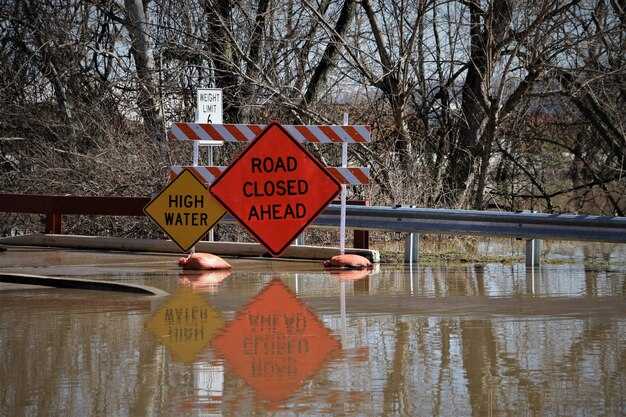
Reschedule nonessential trips now and prep these trucks for relief operations. Florence approaches the eastern coast, and HOS relief provisions may activate to move supplies where they are most needed. Monitor national and agency advisories, coordinate with dispatch, and also keep truckers informed so you can adjust routes quickly and maintain service during the storm.
These emergency measures are coordinated through the fmcsas and national agencies. Exemptions will be issued for essential relief shipments, and drivers should follow the latest updates, log exemptions where allowed, and coordinate with dispatch to keep relief flows moving.
Plan routes around major corridors and avoid coastal flooding zones toward cape Fear; use inland staging areas when possible. Keep a little extra supplies in the cab for 24–48 hours, and carry chains for traction. If Florence arrives early, adjust plans quickly and stick to safety guidelines. If you encounter torrential rain or road closures, do not proceed; reschedule and wait for safer conditions. Do not move over floodwater.
Eastern truckers should align with national and state guidance and minimize congestion in vulnerable coastal communities. If a dispatcher asks you to move, verify exemptions with the agency and fmcsas before proceeding, and use official channels to reschedule nonessential loads and deliver relief cargo first to areas with the greatest need. Also share real-time updates to help the fleet stay coordinated.
Security and load restraint take priority: check straps, chains, and tie-downs, and verify weight and axle limits before entering storm-affected areas. Maintain a little margin on ETA and fuel, because delays can exceed initial estimates. The trucker community should communicate clearly about changes so these adjustments don’t disrupt critical relief deliveries.
After Florence passes, resume operations gradually and in step with declared rules. Recheck HOS status as updates are issued, then resume normal driving hours with appropriate rest. Reschedule affected deliveries and notify customers about revised timelines. The national relief timeline will guide when exemptions taper, and fmcsas will publish post-event guidance to support recovery and safety on coastal routes, including key corridors near the cape region.
HOS Regulations Suspended as Hurricane Florence Approaches

Reschedule nonessential trips now and align with emergency planning guidelines issued by the agency. On tuesday and in september, authorities along the coast urged trucking services to prioritize high weight loads and to steer clear of florences approaching, using these guidelines to reduce nonessential travel along the seaboard.
Verify which HOS exemptions apply in the affected zones and document with the safety office. These emergency exemptions would suspend certain driving-hour limits for relief operations and related services, with FEMA guidance shaping which routes and days qualify. Keep driving logs current and report any extensions or reschedules to your supervisor or the agency.
Plan routes that minimize exposure to the threat path while meeting weight requirements for high-priority cargos. Use real-time weather updates to adjust the path and choose the seaboard routes with multiple service options. Coordinate with seaboard trucking services and warehouses to stage high-priority commodities and avoid bottlenecks at ports and distribution centers. These steps help maintain service continuity even as the storm approaches.
During emergency planning, ensure safety: equip drivers with emergency kits, maintain two-way communications, and authorize rerouting. These steps, supported by FEMA guidance, help you adapt to the threat as florences approaches. These lessons echo earthquakes and other disasters and emphasize the value of planning, which keeps services moving even as conditions change.
After the storm, restore operations quickly: coordinate reschedules with trucking and warehousing, recheck weight loads, and verify that weight limits and regulations are back in effect on the coast. Agencies will publish a clear path for resumption, and many warehouses along the seaboard will reopen to relieve pressure from the coast. Use this recovery window to resume normal planning and build a robust plan for september and beyond.
What Drivers Need to Know and How to Prepare for Storm Relief Hauls
Plan relief hauls into the affected area now, before conditions tighten access and before the storm’s peak window closes. This early step helps avoid delays and keeps their cargo moving toward relief points on time.
- Route and timing: choose corridors that stay open during the September weather window, prioritize routes into virginia and neighboring states, and confirm bridge clearances and weight limits before you load. Stay in close contact with dispatch to react to changing forecasts and road closures.
- Load and weight management: distribute weight across axles to meet weight and high-percentage limits, then verify that each axle pair stays within permitted limits to prevent fines or delays caused by overweight checks. This helps reduce the risk of causing damage to bridges or pavements and keeps the truck safer during high-wind events.
- Equipment readiness: inspect tires, brakes, lights, steering, and the hitch system, and stock heavy-duty straps, tarps, chains, and wheel chocks. Ensure you have spare parts for common heavy-truck wear and tear, because downtime with relief cargo hurts the whole supply line.
- Safety and compliance: review fmcsas guidance and fmcsa advisories related to disaster relief, because rules may shift temporarily for relief operations. Keep your logbook or electronic device up to date, and know which hours-of-service exemptions, if any, apply in the current emergency declared areas. The agency may publish updates that affect safety and compliance on the ground.
- Coordination with relief networks: connect with shippers and relief organizations to confirm the supply needs, where to stage loads, and which facilities will accept heavy equipment and fuel. This reduces the risk of delays caused by misaligned pickup and drop-off points.
- Fuel, supplies, and contingencies: carry extra diesel, water, and non-perishable food for the crew, plus weather-appropriate clothing. Maintain a small kit for storm conditions, including flashlights and a portable weather radio to support sustained operations during power outages that often accompany hurricanes and wildfires in the region.
- Weather monitoring and timing: watch the forecast from the agency and National Weather Service alerts, because storms can accelerate and shift paths quickly. If a route into states like virginia becomes untenable, you’ll need an alternative plan into other states to keep relief moving.
- Driver readiness and fatigue management: schedule early starts when possible to reach staging areas ahead of the surge, and plan driver rotations to avoid peak fatigue during long relief hauls. Trucker safety comes first, especially when handling heavy loads and adverse weather.
- Communication and documentation: keep all relevant permits, carrier registrations, and relief-specific waivers accessible, and note any exemptions that apply from fmcsas or fmcsa during an emergency. This helps you stay compliant while delivering relief into affected communities.
- Situation awareness: record and share real-time updates about road conditions and weather effects, since this information helps the entire fleet adapt. Remaining proactive reduces the risk of getting stuck in flood zones or under deteriorating road conditions caused by the storm.
By focusing on early planning, precise weight management, and tight coordination with agencies and relief networks, a trucker can move higher-priority relief into the hardest-hit areas efficiently and safely. This approach supports the broader transportation response while protecting their crew and equipment during the peak of hurricane season and related events, such as wildfires and other emergencies that strain supply chains across multiple states.
Suspended HOS Provisions: Duration, Scope, and Restart Rules
Verify the current emergency HOS relief on the agency’s official notice and adjust plans now. If you operate along florences coastal lanes, preplan supplies and rest stops, since the relief takes effect from friday and continues through the declared emergency.
Duration and timing: The relief applies for the duration of the emergency declaration in the affected counties and states. The agency said the extension targets essential services and relief shipments moving to damaged areas, with September’s storms forcing night operations to adapt. If damage to roads or bridges worsens, officials can extend the window, so monitor updates closely. Washington-based administration staff emphasize that enforcement remains flexible only for eligible moves and documented relief work.
Scope: The waiver covers motor carriers performing disaster-relief and recovery tasks in the effect area, including supplies, fuel, and medical services to communities hit by florences. Routes along the north coast–from wilmington to other coastal towns–may qualify when linked to relief efforts and ongoing damage assessments. Many carriers confirm eligibility by the declared counties and the tropical-storm-force wind zone; if you’re unsure whether a shipment qualifies, confirm before dispatch. Chains of deliveries tied to first-response services would generally fall under this relief, but confirmation with the agency is essential.
Restart rules: During the emergency, the restart provision can be relaxed to support urgent relief, allowing longer driving windows when needed. After the emergency declaration ends, drivers should revert to standard restart requirements, including a full 34-hour restart if required to reset the cycle. Trucker logs must reflect the relief status, and any time claimed under the waiver should be clearly documented for audit and compliance. If you would normally need a restart after a sequence of relief drives, plan that restart for the immediate post-emergency period.
What to do now: Align routes with official notices, confirm eligibility for each shipment, and track the timeline for the renewal or expiration of the waiver. Prioritize high-priority services to florences and coastal communities, coordinate with dispatch for night deliveries when needed, and keep a buffer for possible delays caused by damage or port closures along the coast.
| أسبكت | ماذا يعني ذلك | Recommended action |
|---|---|---|
| Duration | Active for the emergency declaration in the affected area; end date varies by state and extension decisions. | Check the agency notice daily; plan loads with a safety margin for possible extension. |
| Scope | Affects disaster-relief and essential-services shipments within the declared zones; includes supplies and services to florences-hit communities. | Confirm eligibility per route with dispatch; avoid non-relief moves unless explicitly authorized. |
| Restart rules | Restart requirements may be relaxed during the emergency; post-emergency rules revert to standard, including the 34-hour restart if applicable. | Log relief driving clearly; schedule the required restart after the declaration ends if your clock requires it. |
| Documentation | Emergency declarations and waivers issued by the agency; records support compliance during audits. | Keep copies of notices; annotate logs with waiver codes and relief-due moves. |
Storm-Relief Hauls: Eligibility, Routes, and Load Types That Qualify
Verify eligibility now under fmcsas and fmcsa emergency declarations and prioritize relief freight that serves the surge needs. Move loads that directly support disaster response, including relief supplies, generators, fuel, and temporary housing, and coordinate with your dispatcher to stay within approved pathways. Drivers should confirm clearance before departure and document all relief-related paperwork to speed approvals at checkpoints.
Eligibility centers on purpose and destination. Eligible shipments move to florences-affected areas or to staging points for emergency distribution. Prioritize freight that supports life-safety needs, water and meals, medical supplies, and equipment used in sheltering or field clinics. Heavy loads require proper permits and securement, and your transportation plan should reflect the surge in demand and the differencing needs of each site.
Routes align with the surge footprint into states ahead of the storm surge. Plan routes into the affected states along the Florence path, favoring main corridors with active logistics hubs and established FEMA and state guidance. Maintain proactive communications with DOT offices, law enforcement, and dispatchers to avoid delays at chokepoints. Use a single, clear path for each trip and keep alternate routes ready in case of road closures.
Load types that qualify cover a broad relief spectrum. Expect freight that includes water, meals, PPE, medical supplies, and shelter materials, plus heavy equipment for debris removal and temporary power. Include waste-management capabilities, fuel delivery, and portable generators as high-priority assets. If your load involves tropical plants or other agricultural relief items, ensure proper packaging and compliance with any state phytosanitary rules. Relieve bottlenecks by consolidating multiple, compatible items into a single trip when feasible.
Operational guidelines keep teams safe and compliant. Align with safety protocols for securing, containerization, and weight distribution; adhere to temporary HOS provisions only when officially declared and documented; verify permits for overweight or oversized equipment; and maintain clear logs and communication with the receiving sites. Emphasize driver rest, route familiarity, and real-time updates to minimize risk during surge travel.
источник FEMA guidance and official FMCSA advisories remain the reference points for eligibility, routes, and load types that qualify. Regularly check in before each deployment, coordinate with state agencies, and document every relief move to sustain steady transportation support into florences-affected communities during the september surge.
Documentation and Recordkeeping During Suspension: What to Keep and For How Long
Keep a complete, timestamped record set for every trip during the suspension, and retain copies for six months after the relief is lifted.
To stay safe and compliant, collect: driver hours logs (ELD or paper), dispatch messages, trip manifests, bills of lading, delivery receipts, fuel and maintenance receipts, vehicle inspection reports, and records showing cargo was secured with chains for each truck or motor unit. Include route notes, delays, and driver acknowledgments along the way, which would help justify decisions during the storms and when shipments were rescheduled.
Document weather alerts and directives: tropical storms, hurricane advisories, and mid-atlantic coast guidance. Save communications that show which shipments were rescheduled, and note updates received on friday as storms evolve and waves build along the coast.
Coordinate with the administrator, and store copies digitally and physically in safe locations near wilmington, along the mid-atlantic corridor, and on islands that handle relief shipments. Keep a safe supply chain trail that satisfies the needs of the hurricane response and the broader relief effort.
Store duplicates in two formats, label by date and region, and ensure quick retrieval during an audit. If you use cloud storage, set an administrator role and keep offline backups for emergencies. According to источник guidance, this approach supports transparency and helps during post-storm reviews; it also aligns with reforms in safety and recordkeeping that the industry is adopting, which would strengthen your readiness for future events. This process should be reviewed this Friday and adjusted as needed to stay compliant and resilient in the mid-atlantic region.
FMCSA Guidance and Real-Time Updates: How to Stay Informed During Florence

Sign up for FMCSA alerts and use the agency’s hurricane guidance now; you’ll receive real-time updates on waivers and hours-of-service changes that affect motor freight and drivers as florences approaches. As waves approach the coast, these updates indicate which waivers apply and how the hurricane path could impact your schedule.
Track the hurricane path into the mid-atlantic states and coastal zones; if the track shifts toward wilmington, plan inland detours to reduce risk for freight moves and protect drivers. Coverage may expand into north virginia, so place adjustments to inland routes accordingly. If the forecast tightens, changes could be greater than tuesday. This helps limit disruption during the peak threat window. Avoid bottlenecks at key freight spot.
Before departure in september, verify the status of plants along the route and update the fleet; confirm which hours-of-service relief would apply and coordinate with the dispatcher to adjust the spot schedule. Stay in touch with shippers and terminals to confirm pickup and delivery windows and avoid loading delays when roads close.
Listening Session Cancelled: Alternatives for Guidance and Support
Reschedule non-urgent freight moves and review the official HOS guidance on the national administration portal today to confirm which requirements are suspended during this event; if possible, coordinate with dispatchers to push critical loads to monday.
Use these concrete options to replace the cancelled session: national and regional safety hotlines, virtual Q&A with planners, and downloadable planning templates. Build your plans around safety for chains, equipment readiness, and driver rest as storms and tropical threats rise; review guidance from florences advisories for route changes and detour suggestions.
On the road, monitor weather alerts and verify conditions before each trip. Inspect equipment, check for damage at plants, and adjust schedules to avoid hurricanes-related damage. Ensure you have up-to-date plans and confirm that all chains and tie-downs meet requirements.
Coordinate with carriers and your administration contacts; there, washington officials said safety takes precedence and higher-level guidance would be issued quickly if conditions shift. If a change in plans is needed, inform customers and reschedule ETA transparently.
Keep the momentum by logging revised plans in your planning system and sharing updates with drivers. Prepare for a possible extension of exemptions if florences persist or new tropical storms arise, so the freight remains moving while keeping safety at the forefront.