


 العربية
  English (UK)
  Русский
  日本語
日本語  한국어
한국어  Magyar
  Türkçe
  Español
  Čeština
  Svenska
  Português
  Ελληνικά
  Suomi
Suomi  Nederlands
  Română
  Italiano
  Français
  Polski
  Українська
  Deutsch
  简体中文
简体中文  Slovenčina
 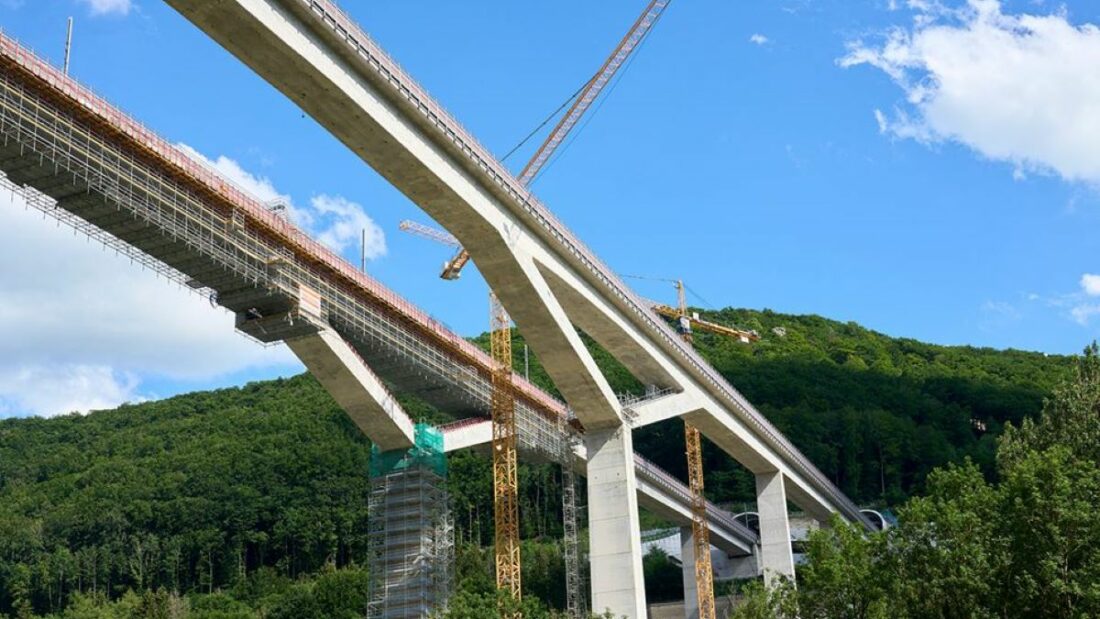 Why the EU’s flagship transport projects are running years late and over budget">

The focus here is the growing mismatch between the EU’s timelines and budgets for its biggest transport megaprojects: massive cost hikes and long postponements that undermine the 2030 target for the core TEN-T network.
Big promises, bigger headaches
Three decades after their design most of the EU’s flagship corridors and transnational links are nowhere near the finish line. A recent update to a previous audit makes clear that the goal of completing the core Trans-European Transport Network (TEN‑T أو RTE-T) by 2030 is no longer realistic. The short version: budgets have ballooned and timelines have been stretched — and that’s a problem not just for governments, but for businesses that rely on predictable transport corridors.
Where the numbers bite
The universe of examined megaprojects includes high-profile rail links, waterways, highways and multimodal connections. Key figures show an alarming trend: the average real cost increase for the audited projects rose from +47% reported earlier to roughly +82% today. Specific cases illustrate why planners are tearing their hair out:
- Rail Baltica: costs jumped by about +160% in recent years — almost four times original estimates.
- Lyon–Turin rail link: up around +23% over the past six years, more than double its initial projection.
- Canal Seine‑Nord Europe: construction costs have roughly tripled since project start.
Delays that add up
Schedule slippage is just as severe. Where the average delay was about 11 years compared to original plans, the updated review shows an average of about 17 years for the five projects with full data. A few eye‑opening examples:
- The Basque Y rail line, initially planned for 2010 and revised to 2023, is now unlikely before 2030 (some promoters cite 2035).
- The Lyon–Turin link, originally due in 2015 and later reforecast to 2030, is now pushed to 2033.
- The Brenner Base Tunnel’s opening is now seen at the earliest in 2032, rather than 2016 or 2028 as earlier projections suggested.
- Seine‑Nord Europe canal moved from an intended 2010 start, later 2028, to a realistic outlook near 2032.
Table: Snapshot of selected megaprojects
| Project | النوع | Recent cost change | Original vs current target |
|---|---|---|---|
| Rail Baltica | Rail | +160% | Initial: earlier decade — Current realistic: extended (multi‑2030s) |
| Lyon–Turin | Rail | +23% (6 years) | Initial: 2015 — Current: ~2033 |
| Seine‑Nord Europe | Inland waterway | ~x3 since start | Initial: 2010 — Current: ~2032 |
| Brenner Base Tunnel | Rail tunnel | Significant increases | Initial: 2016 — Current: earliest 2032 |
Why are megaprojects going off the rails?
The culprits are familiar but compounded: unexpected technical difficulties, new regulatory requirements, post‑pandemic supply chain shocks and the consequences of the war in Ukraine. Add inflation, local planning hurdles and coordination issues across borders — and you’ve got a recipe for runaway costs and creeping timelines. In short: complexity + external shocks = messy outcomes.
Main drivers of overruns and delays
- Cross‑border coordination failures — differing national rules and slow decision-making.
- Inflation and disrupted supply chains — materials and labour costs that spike year over year.
- Technical surprises — geological issues in tunnels and unexpected environmental constraints.
- Regulatory changes — new safety, environmental or procurement rules that require redesigns.
Implications for logistics and freight
Stretching out mega‑infrastructure timelines has ripple effects on transport planning and supply chains. Shippers count on improved capacity, shorter transit times and lower unit costs when new corridors come online. When projects slip, companies face continued congestion, higher transport costs and uncertainty about modal shifts (for example, switching freight from road to rail).
- Distribution networks may remain suboptimal longer, increasing haulage and last‑mile costs.
- International freight planners will have to keep contingency routes and buffers in place.
- Investment in port, rail terminal and warehousing capacity may be deferred or misallocated.
Governance, enforcement and the EU role
Despite the significance of these projects, the European Commission has rarely used the limited legal instrument available to request explanations for delays. A governance refresh in the TEN‑T regulation aims to strengthen Commission oversight, but its real impact depends on consistent implementation by member states. In other words, rules on paper must translate into action on the ground.
What can planners and operators do now?
There are pragmatic steps for freight operators, logistics managers and public authorities to reduce exposure:
- Increase scenario planning and buffer times in contracts.
- Prioritise multimodal flexibility and invest in resilient intermodal hubs.
- Use digital tracking and advanced forecasting to spot bottlenecks early.
- Engage proactively with infrastructure providers to align expectations.
It’s like moving house: if you don’t plan for a few things to go sideways, you’ll end up paying twice. Anyone who’s coordinated a major relocation knows the value of contingency and a reliable mover — and the logistics world is no different.
These developments are noteworthy and give a lot to chew on: inflated budgets, multi‑year schedule slippages, and a clear signal that governance and cross‑border coordination need strengthening. Yet the best reviews and the most honest feedback can’t replace personal experience. On GetTransport.com, you can order your cargo transportation at the best prices globally at reasonable prices. This empowers you to make the most informed decision without unnecessary expenses or disappointments. For your next cargo transportation, consider the convenience and reliability of GetTransport.com. Book now GetTransport.com.com.com
In summary, EU transport megaprojects are currently affected by substantial cost overruns and extended delays that make the 2030 core TEN‑T completion target unrealistic. This reality impacts cargo and freight flows, shipment planning, distribution and international transport strategies, increasing the need for flexible forwarding, reliable haulage and resilient logistics solutions. While governance changes may help future projects, immediate risk mitigation falls to shippers, carriers and planners who must adapt routes, schedules and contracts. Platforms like GetTransport.com offer practical, cost‑effective options for moving parcels, pallets, containers and bulky goods across borders, simplifying dispatch, courier and haulage needs during uncertain times. By embracing flexible transport, reliable carriers and strategic planning, businesses can reduce disruptions to delivery and relocation, whether for international shipping or local housemove tasks.