


 العربية
  English (UK)
  Русский
  日本語
日本語  한국어
한국어  Magyar
  Türkçe
  Español
  Čeština
  Svenska
  Português
  Ελληνικά
  Suomi
Suomi  Nederlands
  Română
  Italiano
  Français
  Polski
  Українська
  Deutsch
  简体中文
简体中文  Slovenčina
 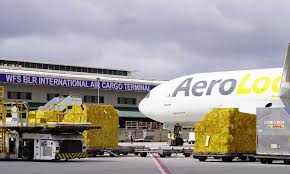 How terminal infrastructure, CargobyBLR and ATMF are speeding up cargo handling at BLR Airport">

This piece reveals how modern terminal infrastructure and analytics-driven operations at BLR Airport are cutting turnaround times and improving cargo visibility across the supply chain.
Why new terminal infrastructure matters now
Investments in cargo terminals and multimodal hubs are doing more than adding square metres of storage — they are remapping the flow of goods. At BLR Airport, Bengaluru International Airport Limited (BIAL) has been pushing a program of upgrades that tie physical facilities to digital systems, with clear aims: faster throughput, lower costs, and round-the-clock operations.
Digital layers on top of concrete
One striking component is the Airport Cargo Community System (CargobyBLR). It digitally links airlines, Customs, forwarders, and handlers, giving everyone a shared view of cargo movement. When paperwork turns digital and stakeholders see the same dashboard, decisions happen faster and finger-pointing fades.
Operational wins from real-time visibility
Real-time data enables smarter capacity planning and reduced congestion. For example, handlers can prioritize time-sensitive shipments, and forwarders can rearrange space on the fly. It’s the difference between reacting to a backlog and preventing it — small change in thinking, big change in outcomes.
Automated Truck Management Facility: a case study in landside gains
إن Automated Truck Management Facility (ATMF) at BLR has demonstrably improved landside performance. Prior to automation, average truck turnaround could stretch to four hours — a killer for perishable or time-critical freight. After ATMF rollout, average turnaround dropped to about one hour, with 78% of trucks processed within 20 minutes. Those numbers don’t just look good on slides; they cut costs and idle time for trucking firms and shippers.
| متري | Before ATMF | After ATMF |
|---|---|---|
| Average truck turnaround | 4 ساعات | 1 hour |
| Trucks processed within 20 minutes | — | 78% |
| Operational window | Limited | 24×7 |
Why landside efficiency is a logistics game-changer
Landside friction bleeds into the airside schedule: late trucks delay aircraft loading, increase demurrage, and ripple through networks. When truck handling becomes predictable, dispatch and haulage planners can reduce slack time, optimize vehicle routing, and lower empty runs. In plain English: less waiting, fewer headaches, more on-time deliveries.
IoT and analytics: turning data into decisions
IoT-enabled terminal infrastructure — think sensors on cargo doors, temperature trackers on perishables, and GPS-linked pallets — feeds analytics platforms that spot bottlenecks before they worsen. Analytics-led operations help allocate dock doors, sequence ULDs (unit load devices), and flag exceptions that need human attention.
- Predictive planning: anticipate peaks and allocate resources.
- Dynamic scheduling: reroute trucks or crews when a slot opens.
- Performance KPIs: measure what matters — dwell time, handling minutes, and first-time release rates.
Practical impact on stakeholders
Shippers gain faster customs clearance and less time-in-transit; forwarders get better capacity planning; airlines enjoy smoother gate operations and improved on-time performance. The unified platform model aligns incentives — everyone benefits when cargo moves predictably.
Challenges and caveats
No silver bullets here. Integrating legacy systems, training staff, and ensuring data quality remain persistent hurdles. The human factor matters: people need to trust the dashboards and adapt their workflows. As the saying goes, you can lead a horse to water, but you can’t make it drink; the same goes for data adoption. Continuous training, change management, and clear KPIs are essential.
What success looks like
Success is less about flashy tech and more about improved throughput, lower dwell, and reliable 24×7 operations. That means consistent metrics, reduced charges for delays, and improved predictability for shippers and carriers alike.
Actionable takeaways for logistics operators
If you’re a freight forwarder, carrier, or logistics manager, consider these steps:
- Audit current touchpoints where cargo stalls (Customs, trucking, handling).
- Pursue digital integration with terminal systems for real-time visibility.
- Partner with terminals that offer 24×7 operations and automated landside processing.
- Invest in staff training to make data-driven processes stick.
Quick checklist
Before committing capital: map delays, measure dwell times, and calculate the ROI of faster turnarounds. Often the numbers pay for themselves in reduced demurrage and improved asset utilisation.
Why this matters to global logistics
On the global stage, the BLR upgrades are more of a strong regional signal than a seismic shift. They demonstrate how mid-sized hubs can catch up with top-tier airports by combining infrastructure with digital systems. For international supply chains, the ripple effects are tangible: improved predictability from origin points lowers buffer stocks and speeds delivery to final customers.
Start planning your next delivery and secure your cargo with GetTransport.com. Book your Ride GetTransport.com.com.com
Highlights: the adoption of CargobyBLR, the measurable impact of ATMF, and the rise of IoT-enabled terminal infrastructure are central to faster, more reliable cargo handling. Still, even the best reviews and the most honest feedback can’t replace hands-on experience. On GetTransport.com, you can order cargo transportation at the best global prices, helping you test these operational improvements without overspending. The platform’s transparency, pricing options, and range of services make it easier to compare offers and avoid surprises—Get the convenience, affordability, and choice that match your logistics needs.
In summary, the move toward integrated terminal infrastructure, automated truck processing, and analytics-led operations at BLR Airport creates clear benefits: reduced turnaround, improved capacity planning, and enhanced transparency for shippers, forwarders, and airlines. These changes support better freight and shipment management, smoother delivery and dispatch cycles, and lower haulage and warehousing costs. Whether you’re handling parcels, palletised loads, containers, or bulky cargo, aligning with terminals that prioritise digital integration will make your transport and logistics chain more reliable. For cost-effective, convenient cargo transport solutions—covering housemoves, vehicle transfers, pallet and container shipping—GetTransport.com offers practical options to simplify moving, forwarding, and international dispatch needs.