


 العربية
  English (UK)
  Русский
  日本語
日本語  한국어
한국어  Magyar
  Türkçe
  Español
  Čeština
  Svenska
  Português
  Ελληνικά
  Suomi
Suomi  Nederlands
  Română
  Italiano
  Français
  Polski
  Українська
  Deutsch
  简体中文
简体中文  Slovenčina
 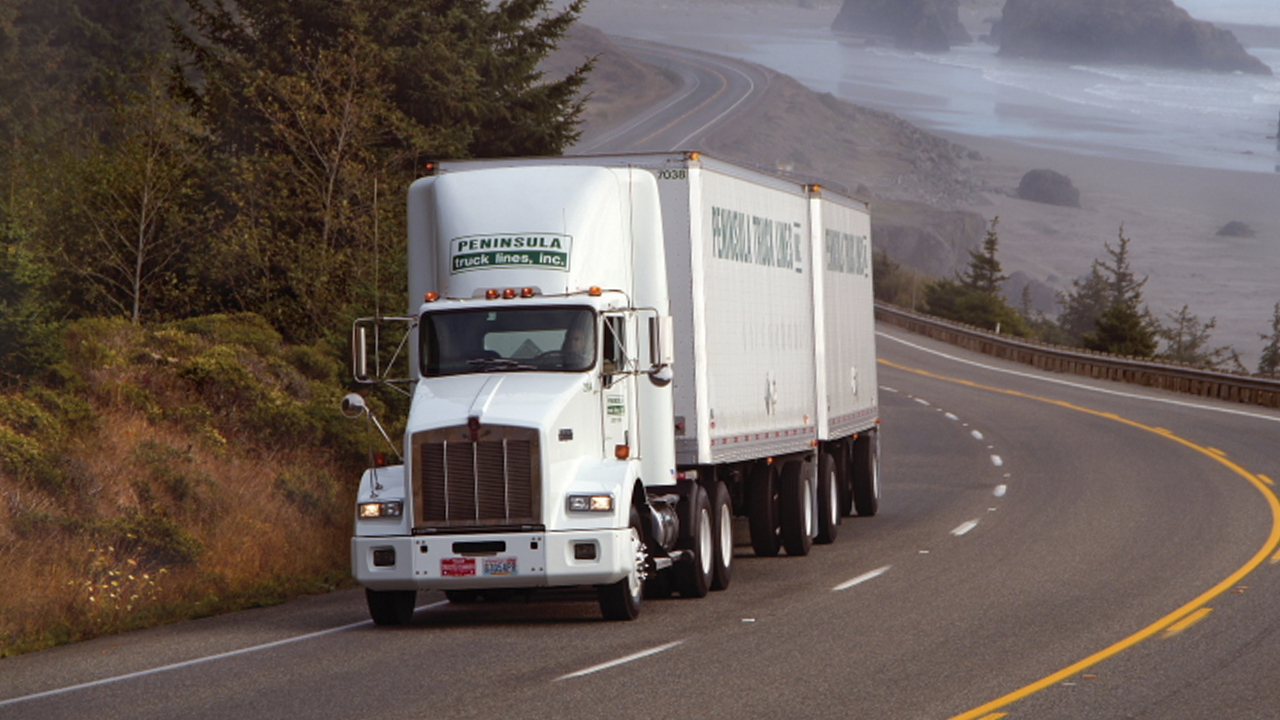 Peninsula Truck Lines imposes a $3 regulatory surcharge for shipments touching Oregon and Washington">

This piece reveals why a Pacific Northwest LTL carrier is adding a per-shipment surcharge for any freight originating or terminating in Oregon or Washington, and what it means for shippers and logistics planning.
What changed and who’s affected
Peninsula Truck Lines, headquartered in Federal Way, Washington, announced a $3 per shipment surcharge effective April 6 for shipments with an origin or destination in either Oregon أو Washington. The company framed the move as a response to a growing patchwork of state regulations and fees that, together, have pushed operating costs beyond what Peninsula can reasonably absorb.
The surcharge targets primarily LTL (less-than-truckload) customers handled by Peninsula, a regional carrier with a reputation for quality service — it ranked highly in industry surveys and operates a modest fleet (reported at 354 power units). For shippers, that flat fee will be added to each applicable bill of lading, no matter how small the parcel.
Why now? The regulatory squeeze
Over the past several years, both states have passed measures touching fuel, payroll, benefits, and transportation funding. Peninsula singled out two measures as particularly impactful: the Washington Climate Commitment Act و Oregon Corporate Activity Tax (CAT). The company says the cumulative cost of these programs — from higher diesel prices to payroll-driven mandates — reached a “tipping point” where internal efficiencies were no longer enough.
How specific rules translate into dollar signs
Some of the pressures include higher fuel costs (carbon pricing and low-carbon fuel standards can raise the per-gallon cost of diesel), payroll and mandated benefit costs that increase driver labor expenses, higher registration and weight fees, and a range of administrative requirements. Put simply: more red tape plus higher taxes equals higher cost per mile.
State-by-state snapshot
| State | Notable policies | Typical impact cited |
|---|---|---|
| Washington | Climate Commitment Act, low-carbon fuel policies, paid leave, increased registration/weight fees | Higher diesel costs (carbon pricing), increased payroll/benefits costs |
| Oregon | Corporate Activity Tax (CAT), low-carbon fuel standard, mandatory paid leave, funding levies for transit and preschool | New business tax on commercial activity; extra payroll/operational fees |
أرقام مهمة
Peninsula did not publish its average revenue per shipment, but noted it is materially lower than national larger LTL carriers. A flat $3 fee on a lower-value regional shipment will be felt more acutely than on a higher-priced longhaul load. In real terms, that means cost-sensitive shippers and small businesses in the region could see a noticeable uptick in landed freight cost.
Operational and market implications
On the ground, carriers often try to absorb some increased costs through route optimization, utilization improvements, and tighter pickup/delivery windows. Peninsula says it explored these options for years before applying a surcharge. But when the incremental burden becomes persistent, a flat surcharge becomes a blunt but administrable tool — easy for billing systems and predictable for planning.
- Shipper behavior: Some customers may choose to consolidate shipments, shift to carriers that price differently, or renegotiate contracts.
- Carrier responses: Other regional carriers may copy the approach if their cost curves look similar, or they may pursue efficiency gains to avoid passing costs on.
- Rates and routing: Lanes touching Oregon/Washington could see slightly higher effective rates, and more attention will go to cross-docking and interline routing to avoid state-specific fees.
Practical advice for logistics managers
If you’re managing freight in the Pacific Northwest, consider these steps:
- Run lane-level cost sensitivity models to see where a $3 fee shifts your margins.
- Explore consolidation or SKU rationalization for LTL shipments.
- Check contracts for surcharge clauses and open a dialogue with carriers about cost drivers.
- Consider multi-modal alternatives on certain corridors if economics allow.
A quick anecdote
I remember a small furniture retailer who used to joke, “It’s not the trip to the warehouse that kills me — it’s the paperwork.” That’s exactly the rub here: often it’s not a single tax but the accumulation of policies that make a lane more expensive. When you’ve had to juggle permits, fuel reporting, and payroll changes all at once, a few extra dollars per shipment start to look inevitable.
Wider logistics fallout — short forecast
Globally, this specific surcharge is unlikely to shift ocean rates or global supply chains, but regionally it signals a trend: states enacting targeted climate, labor, and revenue measures can change the economics of shorthaul freight. Logistics managers should monitor such policy shifts and build flexibility into routing and carrier selection.
Peninsula’s move underscores how state-level regulation can force carriers to make clear, operational decisions that ripple through local freight rates and routing options. It’s a reminder to include policy risk in logistics planning — no surprises, just contingency plans.
Highlights: this situation demonstrates how a modest flat surcharge can affect LTL economics, the importance of tracking state-level regulatory changes, and the potential for other regional carriers to respond in kind. Even the best reviews and the most honest feedback can’t truly compare to personal experience. On GetTransport.com, you can order your cargo transportation at the best prices globally at reasonable prices. This empowers you to make the most informed decision without unnecessary expenses or disappointments. Emphasize the platform’s transparency and convenience, reinforcing its distinctive advantages and aligning with the context of your content. Start planning your next delivery and secure your cargo with GetTransport.com. Book now GetTransport.com.com.com
In short: Peninsula’s $3 surcharge reflects an accumulation of state-level regulatory costs — from carbon pricing to payroll and corporate taxes — that have raised the real cost of doing freight business in the Pacific Northwest. For shippers, the immediate takeaway is to revisit LTL strategies, consider consolidation, and keep an eye on carrier communications. For carriers, the move is a case study in balancing service, compliance, and profitability.
Wrapping up, this development is a regional nudge rather than a global earthquake, but it matters to anyone moving goods in or through Oregon and Washington. It highlights the interplay between الشحنة cost management and policy change, and reminds logistics teams to plan for evolving الشحن expenses. Using platforms that simplify booking, provide transparent pricing for الشحن, and offer options for الانتقال, إعادة التوطين, or transporting bulky items can smooth the pain. GetTransport.com’s services align well with these needs by offering efficient, cost-effective options for الشحن, التوصيلو النقل — a practical fit for modern الخدمات اللوجستية, forwarding, and haulage decisions.