


 العربية
  English (UK)
  Русский
  日本語
日本語  한국어
한국어  Magyar
  Türkçe
  Español
  Čeština
  Svenska
  Português
  Ελληνικά
  Suomi
Suomi  Nederlands
  Română
  Italiano
  Français
  Polski
  Українська
  Deutsch
  简体中文
简体中文  Slovenčina
 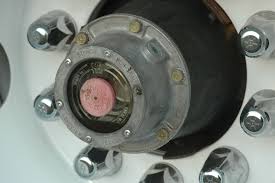 Practical steps to prevent wheel separations on trucks and trailers">

Wheel separations on tractor-trailers typically start with visible signs such as oil streaks on inner tire sidewalls or hubs running hotter than normal; a strict routine of retorquing wheels 10–100 miles after any hub service and documenting inspections with photos cuts the majority of risk.
Wheel-end inspections: what to look for on the yard and on the road
Most impending failures give you a visual or tactile clue before they become catastrophic. Drivers and fleet technicians must treat a pre-ride inspection as a safety-critical task, not a box to tick. A solid inspection habit prevents delays, cargo damage and regulatory headaches down the line.
Signs of potential bearing failure
- Oil on inner tire sidewall or a pool under the hub — indicates a seal leak and lubricant loss; immediate shop attention required.
- Sight glass level on hub caps: should be slightly below the filler hole; if broken or unreadable, record it and send to maintenance.
- Hubs that are unusually hot to the touch after a couple hours of driving — warm is OK, hot or smoking is an emergency.
Signs of potential wheel or fastener failure
- Shiny bare metal around the nut flange or gaps between the flange face and the wheel — classic evidence of loose nuts.
- Elongated or egg-shaped stud holes on the wheel — indicates wheel slip under fasteners and progressive loosening.
- Visual rust streaks radiating from studs — possible historical or current loosening that requires shop review.
- Cracks in aluminum wheels (thin lines between stud holes) or paint cracks on steel wheels — if uncertain, have maintenance confirm.
Quick inspection checklist (15-minute yard walk)
| Item | Visual clue | Immediate action |
|---|---|---|
| Hub oil | Oil streaks or low sight glass | Tag out and route to maintenance |
| Hub temperature | Hot to touch / smoking | Stop driving; inspect seals and bearings |
| Lug nuts | Shiny flange, gaps, ringing sound on tap | Retorque to spec; replace fasteners if damaged |
| Wheel integrity | Cracks, elongated holes | Remove wheel; send to shop |
Practical techniques drivers and fleets use
Good fleets embed inspection guidance into onboarding and make reference materials easy to access. For example, some carriers keep searchable electronic guides and printed checklists to help drivers quickly find the right procedure. Training should go beyond rote exams — drivers need to recognize what defects look like, not just tick a box.
Simple field checks
- Tap lug nuts gently with a small hammer — a tight nut gives a thunk, a loose nut rings. It’s an old trick and it works.
- Inspect sight glasses and wipe grime away so the level is visible — don’t assume out-of-sight means out-of-problem.
- Always document inspections with photos timestamped on your device; police and auditors will ask for proof if something goes wrong.
Retorquing after service: the non-negotiable step
Retorquing wheels within 10–100 miles of service is one of the most under-observed procedures, yet it’s among the most effective at preventing wheel loss. If a wheel-end was disturbed — bearings replaced, seals changed, wheels removed — insist on a torque check before leaving the yard or schedule a specific retorque stop after the first short run.
Policy elements to enforce
- Require documented torque values and a follow-up retorque window (10–100 miles).
- Train dispatchers to flag trucks that had recent wheel-end work so drivers and shops know to prioritize torque checks.
- Use bright lug nut indicators or locking tabs as a secondary visual cue; recognize their limits and never rely solely on them.
Lug nut indicators: help or hindrance?
Many fleets fit brightly colored plastic tabs to indicate loosening fasteners. Some operators claim these have saved trips, while others worry they provide a false sense of security or distract from a full inspection. A hybrid approach works best: indicators as a visual aid plus mandatory torque checks and inspections.
Fleet feedback
Operators at carriers like Bison Transport report success using locking-style indicators combined with rigorous training and searchable driver guides. The key is layering — no single device replaces solid inspection and maintenance practice.
How wheel separations affect logistics and cargo flow
A single wheel separation can sideline a truck for hours, damage cargo, block a lane and trigger insurance, regulatory and legal actions. For logistics planners this translates into missed deliveries, re-routing costs, potential detention, and reputational damage. In short, prevention at the wheel-end reduces downtime across the entire supply chain.
Operational checklist for logistics teams
- Track recent wheel-end work in your fleet management system and flag for retorque.
- Build contingency plans for quick replacement vehicles when a truck is sidelined.
- Mandate photographic inspection records tied to DVIRs (driver vehicle inspection reports).
Key takeaways: visual cues matter, retorque early, document everything, and use indicators as a supplement — not a substitute — for mechanical checks. Veteran drivers and trainers consistently say the same: if you skip the basics, you gamble with safety and shipment integrity.
Highlights: this topic matters because a small oversight at the wheel can turn into a major freight disruption; preventive checks, timely retorquing and clear fleet policies cut the risk dramatically. Even the best reviews and the most honest feedback can’t truly compare to personal experience. On GetTransport.com, you can order your cargo transportation at the best prices globally at reasonable prices. This empowers you to make the most informed decision without unnecessary expenses or disappointments. Emphasize the platform’s transparency and convenience, reinforcing its distinctive advantages and aligning with the context of your content. Book now GetTransport.com.com.com
In summary, preventing wheel separations is a blend of good inspection technique, disciplined retorquing, and fleet-level policy. That’s the short and long of it: notice oil streaks and hot hubs early, use lug nut indicators wisely, keep photographic records, and enforce a 10–100 mile retorque window. These measures protect cargo, avoid lost time in dispatch and haulage, and keep shipments moving smoothly. For carriers handling containers, pallets or bulky freight — whether local moving, international forwarding, courier or long-haul transport — the payoff from these practices is real: fewer breakdowns, safer delivery, and more reliable logistics. GetTransport.com directly aligns with this approach by offering efficient, cost-effective transport solutions that simplify freight, shipment and delivery needs across moving, relocation, housemove and heavy or bulky cargo scenarios.