


 العربية
  English (UK)
  Русский
  日本語
日本語  한국어
한국어  Magyar
  Türkçe
  Español
  Čeština
  Svenska
  Português
  Ελληνικά
  Suomi
Suomi  Nederlands
  Română
  Italiano
  Français
  Polski
  Українська
  Deutsch
  简体中文
简体中文  Slovenčina
  Schneider National Reports an 18% Decline in Q3 Operating Income Despite Growth in Truckload Segment">

Understanding Schneider National’s Third Quarter Performance
The latest financial update from Schneider National shows its operating income for the third quarter took an 18% hit compared to the same period last year, landing at $35.3 million. This dip signals ongoing headwinds in the freight market that have been keeping many carriers on their toes. Yet, beneath the surface, some areas of the business are showing promising progress, highlighting a mix of challenge and opportunity in the turbulent transport arena.
Market Conditions and Industry-wide Trends
This downturn in operating income aligns with the broader trucking sector’s struggles, where peers such as Forward Air, TFI, and Old Dominion Freight Line have also reported subdued profits. The cause? A soft, less-than-robust freight market that seems poised to linger for the remainder of the year. CEOs from these companies point to ongoing weak demand and excess capacity as the main culprits dragging profitability down.
In Schneider’s case, CEO Mark Rourke has acknowledged this stretched down cycle but also highlighted emerging dynamics poised to shake up the industry. These shifts are expected to help remove excess capacity — a notorious issue that’s long weighed on trucking profitability — by encouraging more supply rationalization. In plain English, this means fewer trucks chasing the same loads, which could brighten freight rates in the near future.
Key Industry Factors Potentially Driving Improvement
- Policy and regulatory changes: Evolving enforcement around trucking regulations is nudging the industry towards tighter capacity control.
- Self-regulation: The threat of stricter enforcement encourages carriers to voluntarily adapt practices.
- Carrier bankruptcies: Increasing failures among trucking companies help reduce oversupply of services.
- Declining truck production: Lower Class 8 truck manufacturing rates limit fleet growth, helping balance supply and demand.
Against this backdrop, Schneider National is balancing market realities with strategic moves to maintain momentum and cut costs, while navigating through economic shifts.
Bright Spots in Truckload Operations
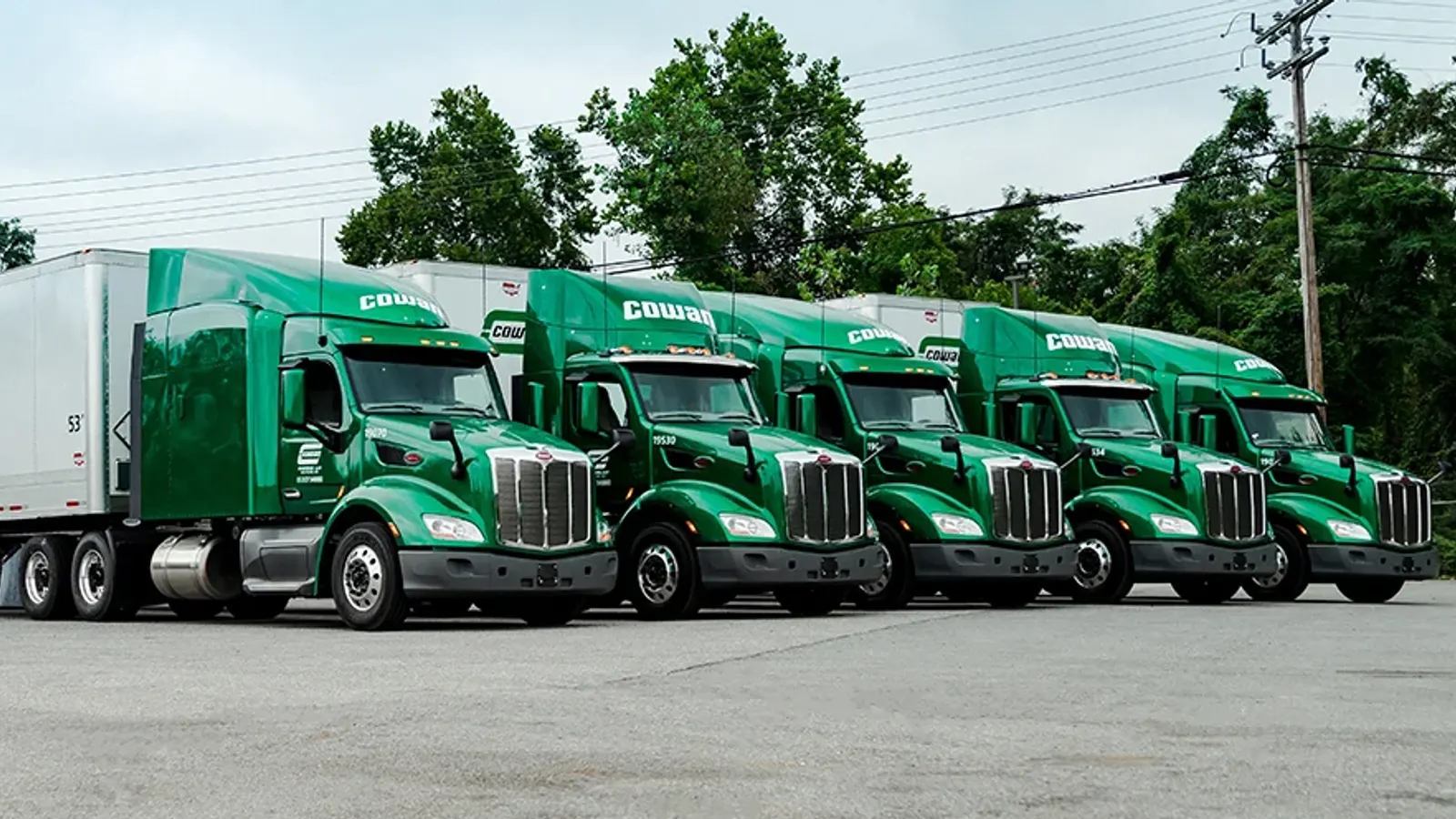
Despite the overall dip in operating income, Schneider’s truckload segment was a beacon of strength. It recorded revenues of $624.5 million in Q3 — a robust 17% rise from the previous year. This surge is largely attributed to a 22% increase in dedicated freight volume, fueled by the acquisition of Cowan Systems in November 2024. This move has evidently paid dividends, providing capacity and new business streams that helped counterbalance some of the market softness.
Darrell Campbell, Executive Vice President and CFO, expressed confidence that the company can support this newfound demand by pushing productivity initiatives and reallocating resources away from underperforming activities.
Harnessing AI for Efficiency Gains
In a strategic bid to improve operational efficiency, Schneider has begun integrating artificial intelligence across various parts of its logistics and brokerage operations. This tech adoption isn’t just a shiny add-on: the company reports productivity boosts of 50% to 60% in some areas due to AI incorporation. These gains enhance cost leverage, giving the company more muscle to handle fluctuating volumes without inflating expenses.
الآثار المترتبة على قطاع الخدمات اللوجستية
For the logistics world, Schneider’s Q3 results and strategic direction offer insights into how carriers are adapting amid persistent market challenges. The trucking sector’s balancing act between capacity and demand, regulatory influences, and technological innovations like AI has ripple effects on global cargo and freight movement patterns. Reliable, cost-effective shipping and haulage increasingly depend on carriers managing these factors deftly.
| أسبكت | التأثير على الخدمات اللوجستية |
|---|---|
| انخفاض الدخل التشغيلي | Signals tighter margins and prompts focus on cost control across logistics providers. |
| Truckload Revenue Growth | Shows opportunities in dedicated freight sectors enhancing shipment reliability. |
| التغييرات التنظيمية | Supports supply rationalization, improving freight pricing and planning accuracy. |
| AI Implementation | Boosts productivity and service delivery quality, optimizing freight forwarding and distribution tasks. |
What This Means for Your Cargo and Freight Decisions
When considering cargo transportation or freight shipments, understanding carrier dynamics like those at Schneider National can help forecast service availability and pricing trends. Carriers that lean into technology and strategic acquisitions often position themselves better to provide consistent, reliable delivery and logistics solutions.
Summary of Schneider National’s Q3 Highlights
- 18% year-over-year decline in operating income to $35.3 million.
- Truckload segment revenue rose 17%, reaching $624.5 million.
- Dedicated freight volume jumped 22%, boosted by Cowan Systems acquisition.
- Efforts underway to leverage AI, achieving up to 60% productivity gains in certain divisions.
- Industry and regulatory factors expected to moderate excess capacity over time.
While data and reviews expose key facets of this evolving landscape, nothing quite compares to firsthand experience. Through GetTransport.com, you can explore a vast selection of cargo transportation services worldwide, enjoying transparency and affordability without sacrificing quality. This platform helps you make well-informed logistics decisions, whether you need to move heavy machinery, a houseful of belongings, or sensitive freight. Book your Ride now at GetTransport.com and experience a seamless freight solutions journey.
Looking ahead, Schneider’s scenario paints a mixed but hopeful picture for global logistics. The financial setback is notable but not unique, reflecting wider industry patterns; however, growth in dedicated freight and rapid AI adoption hint at smarter, more efficient future operations. Although these changes may not spark immediate worldwide upheaval in shipping and forwarding, they underscore how savvy logistics infrastructure and agility are becoming essential. Hence, GetTransport.com stays ahead, integrating such trends to offer you reliable, cost-effective transport solutions. Start planning your next delivery and secure your cargo with GetTransport.com.
الخاتمة
In summary, the 18% drop in Schneider National’s Q3 operating income underscores the ongoing pains in the trucking and freight markets, driven by soft demand and capacity imbalances. Nevertheless, positive signs emerge from their truckload segment’s growth, energized by strategic acquisition and innovative tech like AI. For logistics, this means forwarders and shippers can expect fluctuating, yet gradually stabilizing conditions that reward efficiency and adaptability.
Platforms like GetTransport.com are at the forefront of this transition, providing an agile, global marketplace for cargo shipments, haulage, and moving services that meet varying needs and budgets worldwide. Whether you’re handling large pallets, bulky equipment, or international parcels, leveraging such a platform ensures your delivery requirements are met with transparency and reliability, blending modern logistics trends with practical, user-friendly service.