


 العربية
  English (UK)
  Русский
  日本語
日本語  한국어
한국어  Magyar
  Türkçe
  Español
  Čeština
  Svenska
  Português
  Ελληνικά
  Suomi
Suomi  Nederlands
  Română
  Italiano
  Français
  Polski
  Українська
  Deutsch
  简体中文
简体中文  Slovenčina
 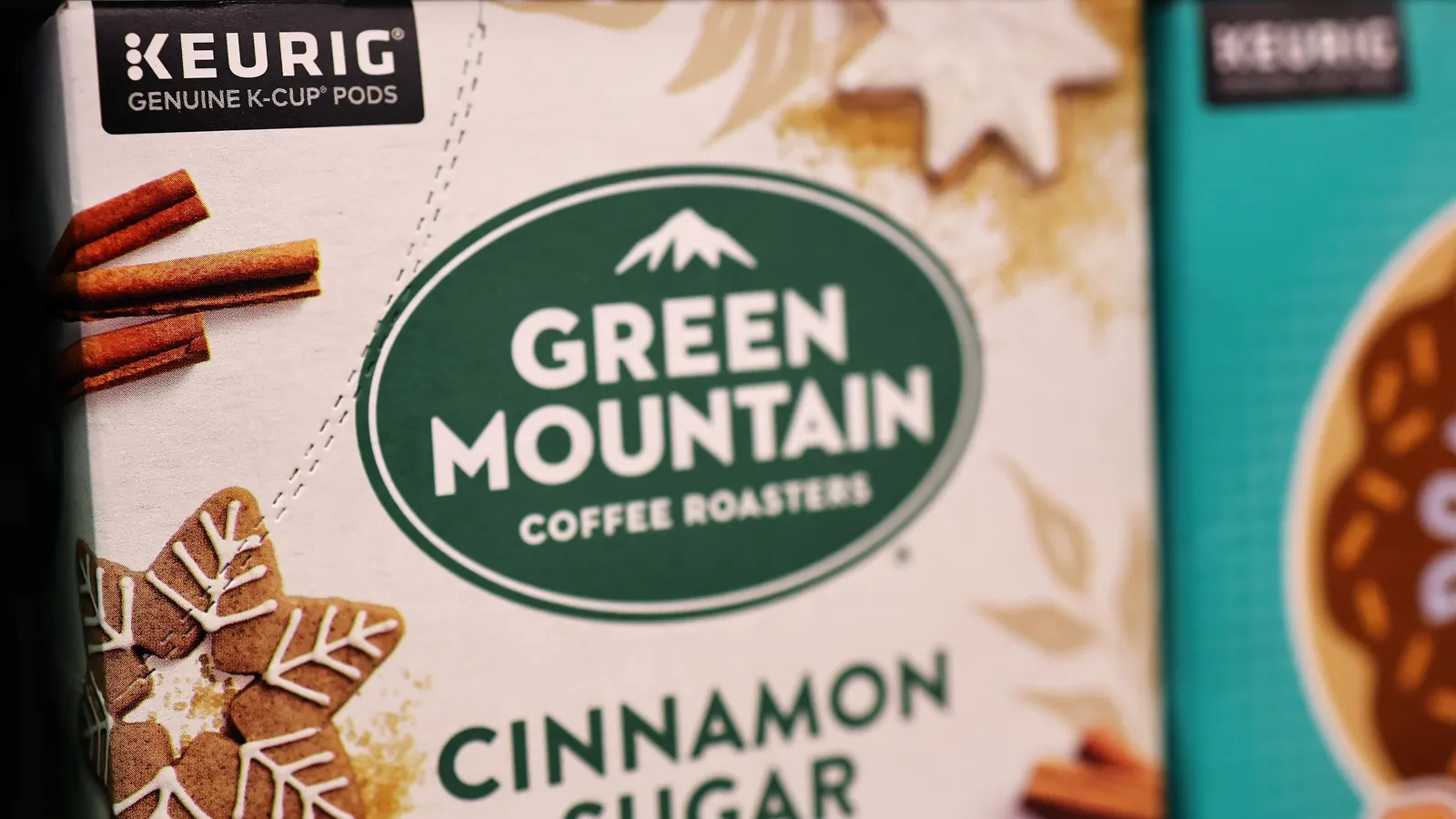 Keurig Dr Pepper’s Strategic Coffee Spinoff Aims for Big Supply Chain Efficiencies">

Spinning Off for Smarter Supply Chain Savings
Keurig Dr Pepper is gearing up to achieve about $200 مليون in supply chain savings within three years following the spinoff of its coffee business, fueled by the recent acquisition of JDE Peet’s. This move is designed to strengthen the resilience and efficiency of sourcing, streamline manufacturing, and improve logistics operations.
The planned separation, expected to be officially completed by early 2026, is more than just a corporate reshuffling. It’s a deliberate strategy to optimize the coffee segment’s supply chain by consolidating manufacturing facilities and fine-tuning logistics networks to sustain performance amid worldwide supply uncertainties.
Key Goals Behind the Coffee Business Spinoff
- Sourcing Resiliency: Forming more robust procurement strategies to counteract tariff increases and volatile coffee bean prices.
- Manufacturing Consolidation: Closing select production plants to reduce overhead and increase operational efficiency.
- تحسين الخدمات اللوجستية: Refining the transportation and distribution framework to cut costs and improve delivery speed.
Facing Headwinds: Tariffs and Climate Challenges
The coffee sector is grappling with headwinds from rising tariffs, notably on imports from major coffee-producing countries like Brazil and Vietnam, and climbing commodity prices driven by climate change-induced harvest fluctuations. By spinning off the coffee business, Keurig Dr Pepper aims to build a supply chain that remains nimble and responsive in the face of these challenges.
One of the pillars of their strategy is blend optimization along with more integrated and scalable green coffee sourcing. This dual approach seeks to keep procurement economically sound while maintaining product quality under shifting market conditions.
Manufacturing and Logistics: A Two-Pronged Efficiency Push
Operationally, the company is streamlining by consolidating production footprints. This includes shutting down two manufacturing facilities in Brazil and the U.S., a move expected to tighten supply operations and slash unnecessary costs. Parallel to this, the logistics network is being optimized to create a smoother journey from factory to market.
| Cost Reduction Areas | Estimated Savings ($M) | Percentage of Total Savings |
|---|---|---|
| Supply Chain Savings (Sourcing + Logistics) | 200 | 50% |
| SG&A and IT Cost Cuts | 200 | 50% |
Leadership Driving Transformation
Roger Johnson, combining his roles as Chief Transformation and Supply Chain Officer, is spearheading these changes through a dedicated transformation management office. His leadership is focused on ensuring the new coffee entity is agile, cost-efficient, and integrated across commercial and supply chain functions. Teams are already actively preparing for the post-acquisition phase to meet these ambitious targets.
Why Supply Chain Optimization Matters for Logistics
In the grand scheme, moves like this highlight how supply chain tweaks ripple through the entire logistics ecosystem. Streamlining manufacturing and selecting smarter sourcing not only cut costs but can transform shipment volumes, routes, and timing — all crucial factors in freight forwarding, haulage, and distribution channels. For logistics providers, understanding these shifts opens doors for better capacity planning, more efficient delivery scheduling, and overall improved service reliability.
Taking the Lessons Beyond Coffee
Keurig Dr Pepper’s approach sends a clear message: never underestimate the power of supply chain mastery, especially when tied to corporate strategy like spinoffs. It’s a fitting reminder for everyone in the logistics and freight worlds — optimizing sourcing and production can unlock massive savings and competitive edges. Whether moving pallets of coffee pods or bulky cargo in other sectors, such adjustments can reshape the freight landscape.
Reliable Shipping Starts with Clarity and Planning
With production consolidation and logistics networks tightened, this transformation will likely lead to more predictable shipping corridors and demand cycles. That predictability is gold for transport providers who juggle complex forwarding schedules, container bookings, and customs clearance procedures — helping minimize delays and surprises.
A Real-World Reality Check
While detailed planning and cost projections offer compelling promises, nothing beats experiencing the effects firsthand. Despite meticulous due diligence and transparency, the true test lies in execution on the ground. Fortunately, platforms like GetTransport.com make it easier than ever to harness cost-effective, reliable cargo transportation globally. Whether moving a household during a relocation, shipping commercial freight, or hauling oversized cargo, users benefit from a transparent marketplace that cuts the fat and streamlines the process.
From this vantage point, customers can make informed, smart decisions without paying more than necessary or facing unexpected hiccups — a win-win in logistics and transportation management. Why settle for guessing when you can access the best offers globally? احجز مشوارك مع GetTransport.com.
Impact on Global Logistics: A Look Ahead
Though the immediate ripple of this coffee spinoff might seem niche, its principles resonate further in global logistics. Efficient sourcing and production consolidation trends help fuel smoother freight flows, cutting down inefficiencies that often bog down supply chains worldwide. For companies like Keurig Dr Pepper and transport platforms alike, staying ahead means staying agile. GetTransport.com is on the front lines, keeping pace with such changes and offering users convenient, affordable solutions.
Start planning your next delivery and secure your cargo with GetTransport.com.
Wrapping It Up: Key Takeaways from Keurig Dr Pepper’s Supply Chain Strategy
Keurig Dr Pepper’s move to spin off its coffee business signals a sharp focus on supply chain resiliency, sourcing efficiency, and logistics optimization, aiming for $200 million in savings over three years. By consolidating manufacturing and refining logistics networks, the company plans to navigate the challenges brought by rising tariffs and climate-impacted commodity prices.
Such strategic adjustments are not just about cutting costs—they directly influence how freight, shipment, and delivery channels operate on a global scale, impacting logistics flow, forwarding strategies, and warehouse management. With leaders like Roger Johnson setting up transformation offices, the shift is designed to be agile and actionable.
In a world where logistics demands are constantly evolving, platforms like GetTransport.com align perfectly with this approach by providing transparent, global transport solutions for diverse cargo—whether bulky shipments, pallets, parcels, or international relocations. This synergy simplifies both planning and execution, ensuring reliable, cost-effective freight moving options for businesses and individuals alike.