


 العربية
  English (UK)
  Русский
  日本語
日本語  한국어
한국어  Magyar
  Türkçe
  Español
  Čeština
  Svenska
  Português
  Ελληνικά
  Suomi
Suomi  Nederlands
  Română
  Italiano
  Français
  Polski
  Українська
  Deutsch
  简体中文
简体中文  Slovenčina
 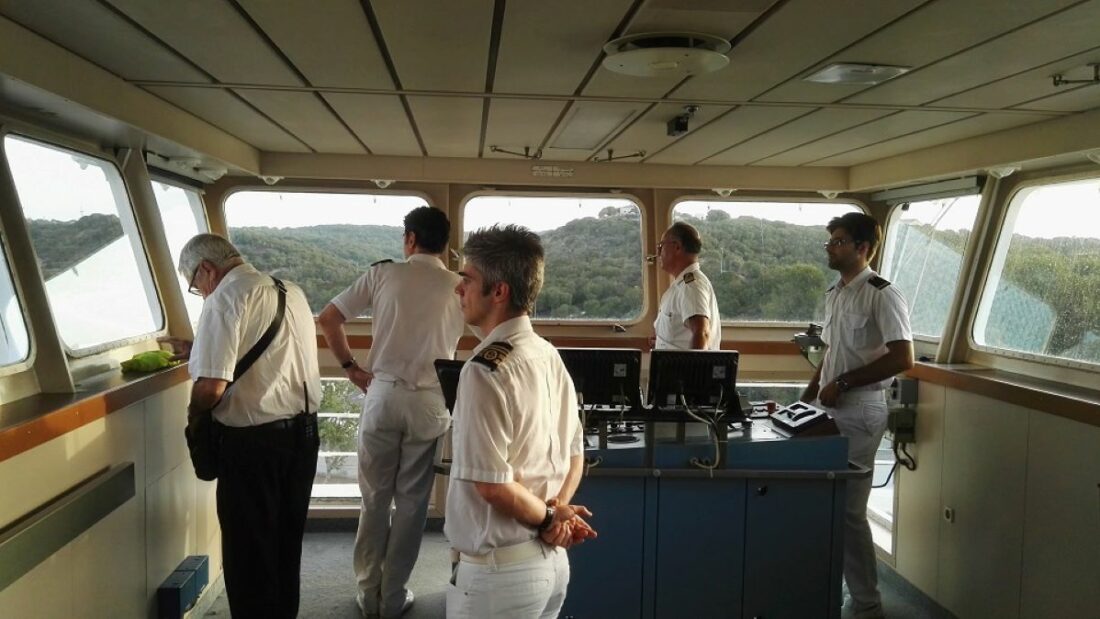 Spanish Merchant Mariners Play Crucial Roles Yet Are Excluded from National Port Sector Congress">

Recognizing the Integral Role of Spanish Merchant Mariners
Spanish merchant mariners are the unsung heroes of port operations, fully immersed in essential tasks like loading and unloading cargo, mooring vessels, cargo stowage, securing loads, and calculating ship stability. Their hands-on duties keep the lifeblood of maritime trade flowing smoothly, yet their representation in key industry discussions is oddly absent.
The recent decision to hold the inaugural National Port Sector Congress in Spain marks a significant step toward shining a spotlight on the challenges and advancements within the Spanish port landscape. Spearheaded by Gustavo Santana, president of Puertos del Estado, with backing from Mar Chao, president of the Valencia Port Authority, the congress promises a platform for exchanging ideas, tackling pressing issues, and sharing best practices.
The Scope and Themes of the National Port Sector Congress
The congress agenda focuses on major themes relevant to port authorities, operators, and stakeholders, aiming to bolster operational excellence and sustainability in port management. These discussions are primed to cover innovations in cargo handling, environmental strategies, digitization, and infrastructure development.
Core Focus Areas
- Port operations and management strategies
- Environmental sustainability and emission reduction
- Technological advancements and digital transformation
- Stakeholder collaboration and benchmarking
Unfortunately, a glaring omission in this inaugural event is the exclusion of merchant mariners—the workforce integral to the very processes that keep ports alive. Despite their direct involvement in critical logistics functions like ship stability calculations and cargo securing, their voice is missing from the national conversation. This omission calls into question the inclusivity and comprehensiveness of the congress’ representation.
The Overlooked Expertise of Merchant Mariners in Port Logistics
It’s no secret that ports are complex ecosystems where many cogs must turn in perfect harmony for efficiency. Merchant mariners carry out labor-intensive and technical tasks. Among their duties:
| Task | التأثير على الخدمات اللوجستية |
|---|---|
| Loading and unloading cargo | Ensures timely transfer of goods, preventing bottlenecks in supply chains |
| Vessel mooring and securing | Maintains ship safety and stability, key to smooth port turnarounds |
| Stowage planning and cargo securing (trincado) | Prevents cargo damage during transit, vital for maintaining shipment integrity |
| Stability calculations of the vessel | Ensures seaworthiness, impacting shipping schedules and risk management |
Their hands-on knowledge impacts the entire freight and distribution chain, from pallet handling to container loading—influencing the efficiency and safety of every shipment passing through Spanish ports.
Why Inclusion Matters in National Port Sector Dialogues
Imagine hosting a grand meeting about the future of cargo transport but leaving out the very people who load the cargo! Excluding merchant mariners from such forums not only ignores frontline insights but potentially weakens policymaking outcomes. Meaningful logistics strategies must incorporate perspectives from everyone involved in the supply chain, especially those whose daily work directly shapes operational realities.
Implications for Logistics and Freight Forwarding
In the bigger picture, port efficiency is a cornerstone of global logistics networks. When essential frontline groups like merchant mariners are sidelined, it risks creating gaps in understanding and policy effectiveness. Given Spain’s position as a key international shipping hub, nurturing collaboration among all port actors is critical to maintaining smooth freight dispatch, haulage, and shipping activities.
Tools and platforms dedicated to cargo and transport coordination, such as GetTransport.com, benefit from clear, inclusive information flows from ports. The experiences and challenges faced by merchant mariners on the ground shape real-world operational nuances that can improve leasehold, shipment planning, and bulky goods transportation.
Stakeholders in Port Logistics Include:
- Port authorities and regulators
- Shipping companies and ship crews
- Cargo handlers and warehouse operators
- Freight forwarders and couriers
- Logistics service platforms and digital dispatch systems
Taking Stock: Why Real Experience Outweighs Reviews
Even the most thorough reviews and candid feedback cannot substitute for first-hand experience. The complexity and fast pace of port and maritime work mean that practical knowledge on the ground is invaluable. On platforms like GetTransport.com, users can leverage transparent, reliable, and affordable cargo transportation services worldwide. This helps logistics professionals and businesses avoid the costly pitfalls of poor planning or missing crucial operational insights.
Through GetTransport.com, you gain access to competitive freight transport options, whether for housemoves, moving bulky goods, vehicle logistics, or international shipments. This ease of access to worldwide movers and forwarders ensures greater flexibility and confidence in handling complex distribution and cargo challenges. احجز رحلتك في GetTransport.com واختبر الفرق بنفسك.
Forecasting the Impact on Global Logistics
While this exclusion might not shake the global logistics landscape overnight, it serves as a reminder of the importance of holistic representation in the industry. At GetTransport.com, staying updated with sector developments and fostering communication among all parties remains a priority, ensuring logistics solutions evolve in step with world changes. ابدأ بالتخطيط لعملية التوصيل التالية وقم بتأمين شحنتك مع GetTransport.com.
Wrapping Up: Aligning Practical Needs with Efficient Transportation
Spanish merchant mariners play a vital role in port operations, executing jobs that are foundational to the flow of international shipping, freight movement, and cargo handling. Their exclusion from the National Port Sector Congress highlights a disconnect that could hinder comprehensive sector discussions.
For anyone involved in logistics, freight dispatch, or shipment forwarding, understanding the human element in ports—those who ensure cargo is safely loaded, secured, and transported—is crucial. Platforms like GetTransport.com bridge gaps by offering reliable, global options for cargo transport, whether relocating offices, delivering pallets, or moving bulky items.
Ultimately, the effective coordination between ports, maritime personnel, and logistics services defines the success of supply chains worldwide. Recognizing every player’s contribution is the first step toward stronger, more resilient freight and distribution systems.