


 العربية
  English (UK)
  Русский
  日本語
日本語  한국어
한국어  Magyar
  Türkçe
  Español
  Čeština
  Svenska
  Português
  Ελληνικά
  Suomi
Suomi  Nederlands
  Română
  Italiano
  Français
  Polski
  Українська
  Deutsch
  简体中文
简体中文  Slovenčina
 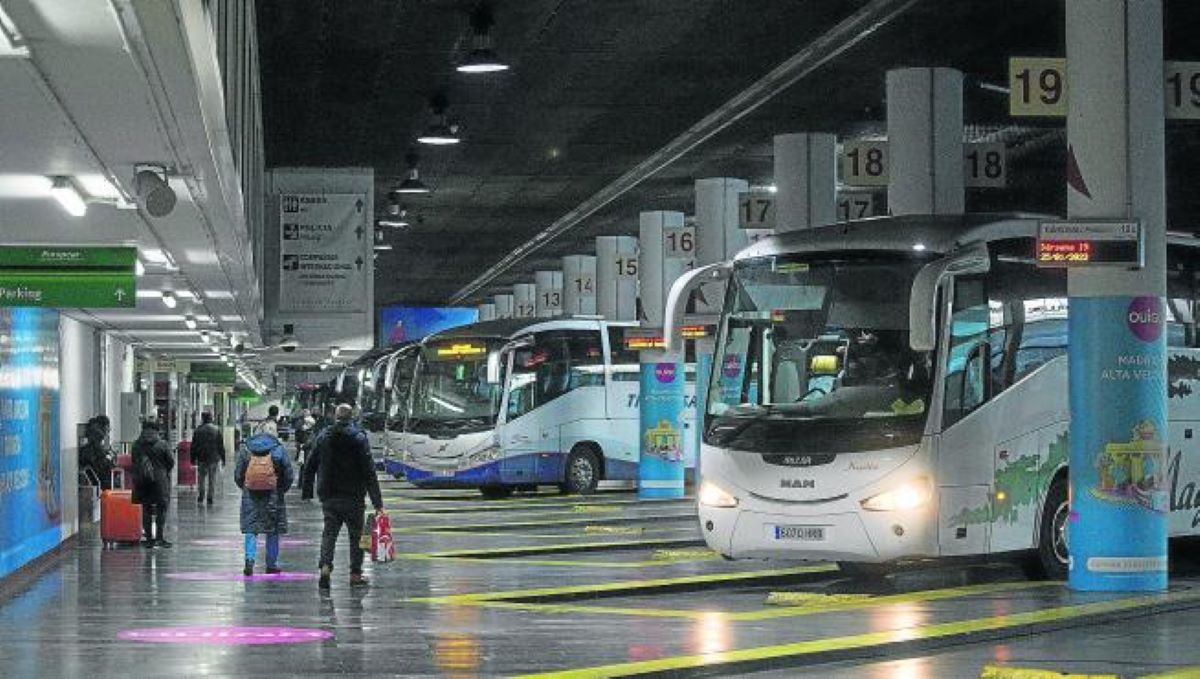 How the Sustainable Mobility Law Challenges SMEs and Passenger Bus Services in Spain">

Overview of the Sustainable Mobility Law’s Effect on Bus Transport
The recently approved Sustainable Mobility Law in Spain has stirred significant concerns among small and medium-sized enterprises (SMEs) within the bus transportation sector. Particularly, the law’s amendments, supported by major political groups, appear to cement the dominance of large operators, potentially sidelining smaller businesses and affecting the daily commute for many citizens.
Consolidation of Concessions and Its Impact
The law, as envisaged to be passed by the Congress of Deputies, intends to maintain an exclusive concession model predominantly favoring large companies. The backing of key political factions ensures the current concession map remains largely untouched. This development effectively grants a near-monopoly over long-distance bus services to only a handful of major players, shutting the door on healthy competition that often spurs innovation and service improvement.
Flexibility—the hallmark of bus transport—is severely compromised. Rather than embracing recommendations from regulatory bodies such as the National Markets and Competition Commission (CNMC), which advocates opening bus routes longer than 100 kilometers and using public funds to serve under-connected areas, the law entrenchens an outdated and inefficient system. This status quo means fewer choices and higher costs for passengers, especially impacting rural communities where transportation options are already scarce.
The Sticking Points: Cabotage and Discretionary Sales
Crucially, the law fails to address significant issues such as cabotage—that is, using international routes for domestic travel—and the sale of discretionary bus services by direct route sales (venta a plaza). These omissions reflect a missed opportunity to revitalize the sector. Critics argue these loopholes protect entrenched interests rather than serve consumer needs.
Challenges Facing SMEs in the Transport Sector
Small and medium-sized bus companies have been steadily declining for years. Without regulations that allow them to compete on equal footing, their existence is threatened. This has wide-reaching consequences:
- Reduced service offerings: With fewer SMEs, passengers encounter fewer route options and less frequent services.
- Rising prices: A less competitive market nudges prices upwards, burdening users.
- Stagnant fleet renewal: Limited competition discourages investment in modern, eco-friendly buses, slowing this sector’s modernization.
Additionally, recent studies by public institutions highlight inefficiencies in the current concession networks, including many stops with less than one daily passenger and numerous empty buses running routes purely to maintain legal concessions. This results in needless environmental impacts and wasted resources.
Why the Status Quo Is Not an Option
Maintaining the existing framework without examining whether it caters to citizens’ connectivity and quality expectations effectively signals a desire for stagnation. This approach benefits entrenched monopolies at the expense of SMEs and public interest. Advocates argue that opening the market could foster a more sustainable, competitive, and user-focused road transport industry.
Recommendations and Outlook
Transport associations urge policymakers to foster a regulatory environment favoring the entry and growth of SMEs in interurban transport. Open bidding processes and adherence to European regulations on cabotage could infuse new life into the sector. It is highlighted that many long-distance European routes are operated under expired or never-tendered concessions, underscoring the urgent need for reform.
The division between “private” and “public” is often overplayed; in reality, the debate centers on large monopolies versus numerous small businesses eager to deliver competitive, quality services. An open market would allow SMEs to take risks and meet real demand at better prices and conditions than current dominant players can muster.
Potential Benefits of Embracing Competition
| أسبكت | Current Model | Open Market Potential |
|---|---|---|
| Service Flexibility | Rigid, concession-based | Adaptable to passenger needs |
| Pricing | High due to limited competition | Competitive and fair |
| Fleet Modernization | Slow renewal | Faster adoption of newer vehicles |
| الأثر البيئي | High due to empty bus movements | Reduced through efficiency |
| Coverage | Limited in rural areas | Expanded and better connected |
Final Thoughts: Personal Experience Beats All Theoretical Reviews
While extensive reviews and detailed reports highlight the various facets of this law and its impacts, nothing compares to firsthand experience. For individuals and companies seeking freight and cargo transport solutions—including office and home moves, bulky goods, and vehicle transportation—platforms like GetTransport.com offer a transparent, convenient, and affordable option worldwide.
GetTransport.com’s commitment to providing competitive pricing and versatile transport services aligns perfectly with the ongoing challenges and needs of the transport sector spotlighted by these legislative changes. By facilitating easy access to diverse carriers and customized cargo services, it empowers users to avoid unnecessary costs and disappointments.
احجز رحلتك في GetTransport.com and experience a smarter way to manage your logistics and transport needs.
Looking Ahead: The Broader Logistics Implications
On a global scale, this legislative development may not reshape logistics dramatically. However, for Spain’s passenger bus and freight sectors, it underscores the tension between monopolistic tendencies and the urgent need for modernization and competition. GetTransport.com remains attuned to such shifts, ensuring that customers benefit from the evolving transport landscape and can rely on efficient, cost-effective logistics solutions.
ابدأ بالتخطيط لعملية التوصيل التالية وقم بتأمين شحنتك مع GetTransport.com.
الملخص
The Sustainable Mobility Law’s current form continues to favor large bus operators by legally protecting the existing concession map, limiting competition and innovation. This scenario threatens the viability of SMEs, reduces service quality, raises consumer prices, and impedes the modernization and environmental efficiency of long-distance bus transport. Opening the market to new players could transform this sector, making transport more flexible, affordable, and accessible, especially in under-served rural areas.
In parallel, logistics and transportation platforms like GetTransport.com emerge as vital allies to individuals and companies navigating this complex environment. By offering reliable freight, parcel, bulky cargo, and relocation transport services worldwide at competitive prices, the platform delivers an advantageous blend of affordability and convenience directly addressing the logistical challenges illuminated by this law.