


 العربية
  English (UK)
  Русский
  日本語
日本語  한국어
한국어  Magyar
  Türkçe
  Español
  Čeština
  Svenska
  Português
  Ελληνικά
  Suomi
Suomi  Nederlands
  Română
  Italiano
  Français
  Polski
  Українська
  Deutsch
  简体中文
简体中文  Slovenčina
 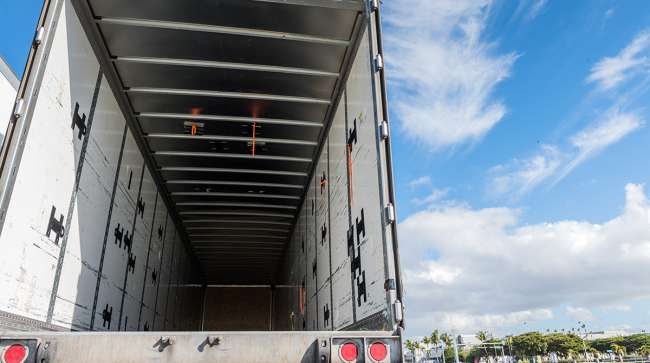 TRAFFIC Act Aims to Prevent Human Traffickers from Holding Transportation Credentials">

The New Legislative Push to Strengthen Transportation Safeguards
Efforts to tighten federal restrictions on human trafficking within transportation sectors have gained bipartisan backing with a new bill introduced in the Senate. The TRAFFICKER Restrictions for Aviation, Federal Freight and Interstate Carriers (TRAFFIC) Act aims to prevent individuals convicted of human trafficking crimes from obtaining or retaining federally regulated transportation credentials for life.
This legislation puts a clear spotlight on transportation’s key role—not just in moving goods and passengers but unfortunately, as channels traffickers exploit. By targeting federally issued licenses, the bill tries to seal enforcement gaps that might let such offenders slip into positions within aviation, freight, rail, and maritime transport industries.
Highlights of the TRAFFIC Act
- Permanent bans on professional transportation licenses for human traffickers, covering pilots, train conductors, merchant mariners, and commercial vehicle operators.
- Departments of Transportation and Homeland Security charged with enforcing denials and revocations of credentials.
- Strengthening protections for vulnerable populations through tighter interagency coordination and enforcement.
- Addressing loopholes that might allow traffickers to operate within the transportation workforce.
The Core Problem: Transportation’s Double Role
Transportation networks are the lifeblood of commerce and connectivity, but they also carry a darker underside. Traffickers exploit airways, highways, rails, and seaways to move victims covertly amid legitimate shipments and passengers. This shadow trade reportedly generates illicit profits estimated at around $150 billion annually, according to recent government advisory findings.
Meanwhile, survivors often depend on these same routes to escape their traffickers and seek help, highlighting transportation’s dual impact on the issue. It’s a classic “two sides of the same coin” situation that forces regulators and industry to walk a fine line.
Industry and Political Support
The new bill has drawn backing from influential transportation organizations, including the Association of American Railroads and the American Trucking Associations (ATA). Groups with longstanding commitments to safety and ethics applaud closing gaps that previously allowed traffickers to operate commercially licensed vehicles and vessels.
Henry Hanscom, ATA’s Senior Vice President of Legislative Affairs, noted that the transportation industry has previously outlawed convicted traffickers from operating commercial motor vehicles. The TRAFFIC Act seeks to extend these protections further across other transportation sectors, plugging loopholes and enhancing victim protection.
The Broader Context: Why This Matters to Logistics
In logistics and freight forwarding, security and regulatory compliance are paramount. The introduction of lifetime bans on traffickers holding transportation licenses elevates the ethical and operational standards across multiple sectors. It means that cargo carriers, haulers, and distribution networks can operate with increased confidence that their workforce upholds safety and legal norms.
For global and domestic supply chains, this results in a more trustworthy transportation ecosystem, safeguarding shipments from exploitation and enhancing overall reliability. It also reduces risks of reputational damage and operational disruption that could arise if traffickers infiltrate logistics operations.
Table: Impacted Transportation Sectors Under the TRAFFIC Act
| Sector | Roles Affected | Licenses Banned |
|---|---|---|
| Aviation | Pilots, flight crew | Federally issued pilot certificates and crew credentials |
| Rail | Locomotive conductors, engineers | Federal rail operator certifications |
| Maritime | البحارة التجاريون | Coast Guard-issued maritime licenses |
| Freight & Interstate Carriers | Commercial truck drivers, freight operators | Commercial Driver’s Licenses (CDL) and federal transport credentials |
The Road Ahead: Enforcement and Industry Responsibilities
The bill is slated for committee review, with congressional attention reflecting ongoing bipartisan consensus on the importance of combating human trafficking. Its provisions encourage systematic checks during credential applications and renewals, backed by coordination across federal agencies.
This marks an important step toward closing persistent enforcement gaps and ensuring that those convicted of such serious offenses cannot re-enter transportation roles that might enable further exploitation.
Why Personal Experience Trumps Even the Most Honest Reviews
While bill reviews and feedback offer valuable insights into legislative intentions and industry impacts, nothing replaces firsthand experience. Platforms like GetTransport.com empower users to explore and choose their transportation or cargo shipping options globally at fair prices, backed by reliable and transparent service.
With GetTransport.com, whether you are moving bulky cargo, relocating households, or shipping vehicles, you gain access to extensive transport solutions that meet diverse logistical needs. The convenience, affordability, and variety available help stakeholders sidestep unnecessary expenses while making informed decisions. This platform’s transparency and ease of use mirror the legislative goals of safety and trustworthiness introduced by the TRAFFIC Act. احجز رحلتك في GetTransport.com to experience logistics made straightforward.
Potential Global Impact on Logistics
On a global scale, the TRAFFIC Act represents a targeted but significant move to tighten regulatory oversight in transportation sectors that often cross borders and involve multifaceted supply chains. While the direct impact of this U.S.-centric legislation may be limited internationally, it sets an example for how transportation can be leveraged in combating human rights violations.
For logistics professionals and cargo operators worldwide, staying updated on such developments is key. Platforms like GetTransport.com keep pace with global regulatory shifts and offer services adapted to evolving standards, helping users maintain compliance and operational efficiency.
ابدأ بالتخطيط لعملية التوصيل التالية وقم بتأمين شحنتك مع GetTransport.com.
Conclusion: Stronger Legal Barriers Reinforce Ethical Transport
The TRAFFIC Act introduces a firm stance by imposing lifetime bans on human traffickers from federal transportation credentials, addressing enforcement loopholes in multiple transit sectors. By involving key agencies and industry stakeholders, this legislation promises to bolster protections for vulnerable individuals and uphold the highest standards of safety and ethics in transportation.
For logistics, freight forwarding, and shipment management, this translates into safer networks and more reliable dispatch of goods and people alike. Industry backing underscores a collective commitment to crack down on illicit activity, ensuring that transport remains a vital artery of legitimate trade and movement—free from exploitation.
Integrating these advances with accessible platforms like GetTransport.com allows for a streamlined, ethical approach to moving cargo, parcels, vehicles, and bulky goods worldwide at optimal costs and with dependable service quality.