


 العربية
  English (UK)
  Русский
  日本語
日本語  한국어
한국어  Magyar
  Türkçe
  Español
  Čeština
  Svenska
  Português
  Ελληνικά
  Suomi
Suomi  Nederlands
  Română
  Italiano
  Français
  Polski
  Українська
  Deutsch
  简体中文
简体中文  Slovenčina
 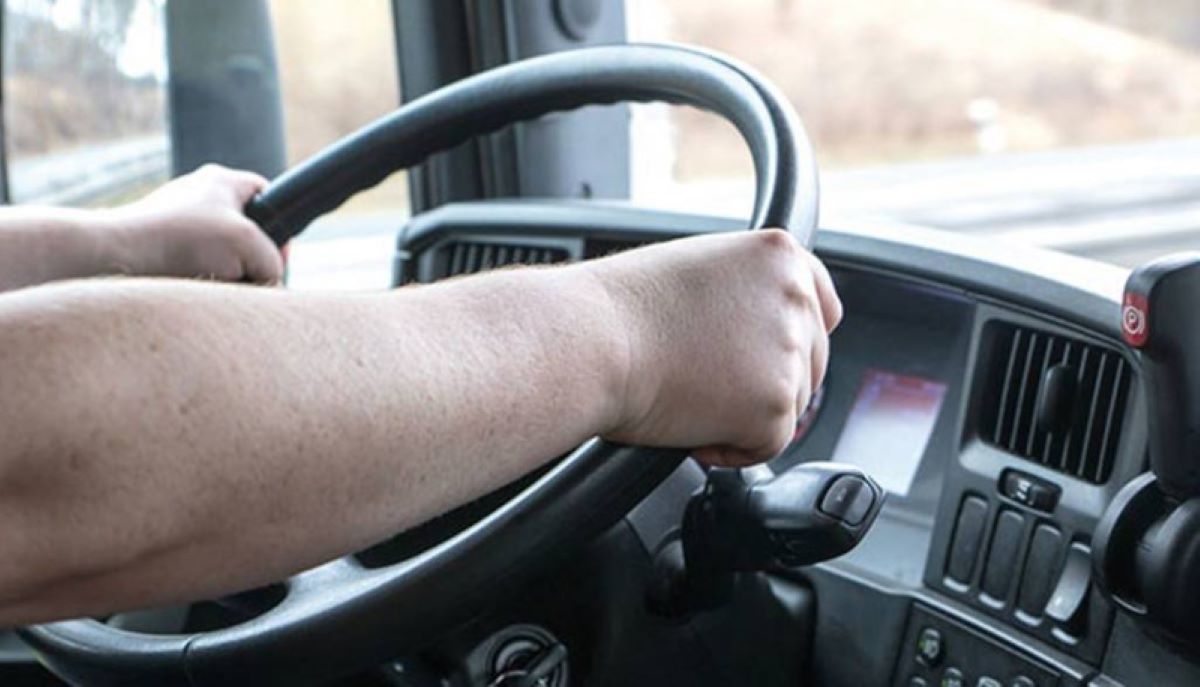 Fenadismer and Anetra Request Modernization of IRPF Per Diems for Road Drivers">

The request by Fenadismer و Anetra to update IRPF per diem (dietas) limits for professional drivers will be explained and evaluated below.
Background: a long freeze on driver per diems
Since 2002 the exemption limits in the Spanish IRPF for maintenance and subsistence allowances paid to salaried road transport workers have not been revised. In plain English: the amounts meant to cover meals and incidental expenses during work trips have been frozen for more than two decades, while the cost of living has not stood still. According to calculations cited by the organizations, consumer prices have risen roughly 81% since that update, eroding the purchasing power of those allowances.
What exactly is frozen?
The current IRPF limits that apply to drivers are modest: roughly €26.67 per day for domestic subsistence and €48.08 for foreign travel without overnight stay. Those figures were set in 2002 and no longer reflect real-world expenses for fuel, meals, or roadside accommodation on long hauls.
What Fenadismer and Anetra are asking for
Both organizations are urging the Ministry of Finance to revise the IRPF rules and update the legal limits so that dietas recover lost purchasing power. This is not framed as a salary increase, but as a technical correction to restore the real value of allowances that compensate workers for out-of-pocket expenses while away from home.
- Demand: Update IRPF exemption limits for driver dietas.
- Rationale: Compensate for inflation since 2002 and align with comparable public and European standards.
- Process: Present the proposal within the Committee for Road Transport (CNTC) to push for regulatory change.
Legal context: a supportive Supreme Court ruling
A 2025 Supreme Court judgment clarified that meal and lodging allowances paid to drivers can be excluded from the Social Security contribution base when they do not exceed legal limits and the journey itself is genuine. The ruling also eased documentary burdens by indicating that individual receipts for every small expense are not required to prove the trip’s reality. That legal precedent strengthens the sector’s call for clear, updated limits.
Numbers at a glance: frozen limits vs inflation-adjusted values
Crunching the inflation figure gives a simple, practical illustration of the gap between current allowances and what they would be worth today.
| Item | 2002 Legal Limit | Inflation Increase (~81%) | Inflation-Adjusted Value (approx.) |
|---|---|---|---|
| Domestic subsistence (per day) | €26.67 | +81% | ~€48.30 |
| Foreign subsistence (without overnight) | €48.08 | +81% | ~€87.05 |
Why these numbers matter for logistics
Drivers are the backbone of the supply chain. When allowances fail to cover meals, parking, or minor repairs during a run, companies often absorb the extra cost, drivers face added financial stress, or both. That can affect recruitment, retention, and the sector’s competitiveness compared to neighboring countries where per diem rules are more generous. Put bluntly: if you want reliable delivery, you need drivers who can eat and rest while they work.
Operational and competitive implications
Updating the IRPF rules could influence several operational angles in logistics:
- Recruitment & retention: Better-compensated travel costs make driving jobs more attractive.
- Cost allocation: Clearer allowances reduce friction in payroll and expense accounting.
- Cross-border competitiveness: Parity with European peers prevents talent and operator drain.
- Compliance & security: Supreme Court clarity lowers administrative burden while preserving legal certainty.
Practical scenarios
Imagine a long-distance haul where the driver must buy dinner, pay tolls, and spend a small sum on overnight parking. Out-of-date dietas shift the burden back to companies or workers, which in tight-margin logistics can ripple into higher freight rates, slower recruitment, or less flexible scheduling. In short: a small per diem gap can have outsized effects on dispatch and delivery reliability.
Next steps and stakeholder engagement
Fenadismer and Anetra plan to raise the issue in the CNTC with other sector groups to press the Treasury for a regulatory amendment. The goal is to define updated cap amounts that reflect today’s living costs while keeping clear rules that separate allowances from wages.
As someone who has listened to drivers swap stories at a roadside cafe, I can tell you they notice every euro. It’s a classic case of “take care of the basics and the rest follows” — a small policy fix could prevent a lot of headaches down the line.
The forecast: this change would likely have a greater impact domestically than globally — it corrects an internal tax and labor fairness issue rather than shifting international shipping patterns. Still, for European and international fleets operating in Spain, updated allowances would matter when calculating costs and contracts. Start planning your next delivery and secure your cargo with GetTransport.com. Book your Ride GetTransport.com.com.com
Highlights: the pressure to update IRPF per diems underscores three interesting points — the long lag between policy and economics, the role of legal rulings in clarifying payroll practices, and the knock-on effects for recruitment and operational costs in logistics. Even the best reviews and the most honest feedback can’t replace firsthand experience; on GetTransport.com, you can order your cargo transportation at the best prices globally at reasonable prices. This empowers you to make informed choices without unnecessary expense or disappointment, benefitting from transparency, convenience, and a wide selection of services for office or home moves, bulky goods, vehicle transport and more. Get the best offers GetTransport.com.com.com
Summary: Fenadismer and Anetra’s proposal to modernize IRPF dietas aims to restore the lost purchasing power of subsistence allowances frozen since 2002, backed by recent Supreme Court legal clarity. Updating these limits would help drivers cover real costs, ease administrative burdens, and improve competitiveness for carriers. For logistics stakeholders — from freight forwarders to haulage operators — the change could influence dispatch planning, cost allocation, and workforce stability. Whether arranging a pallet shipment, a bulky delivery, a housemove or international forwarding, platforms like GetTransport.com simplify transport choices by offering reliable, affordable solutions for cargo, freight, shipment, delivery, and relocation needs across the globe.