


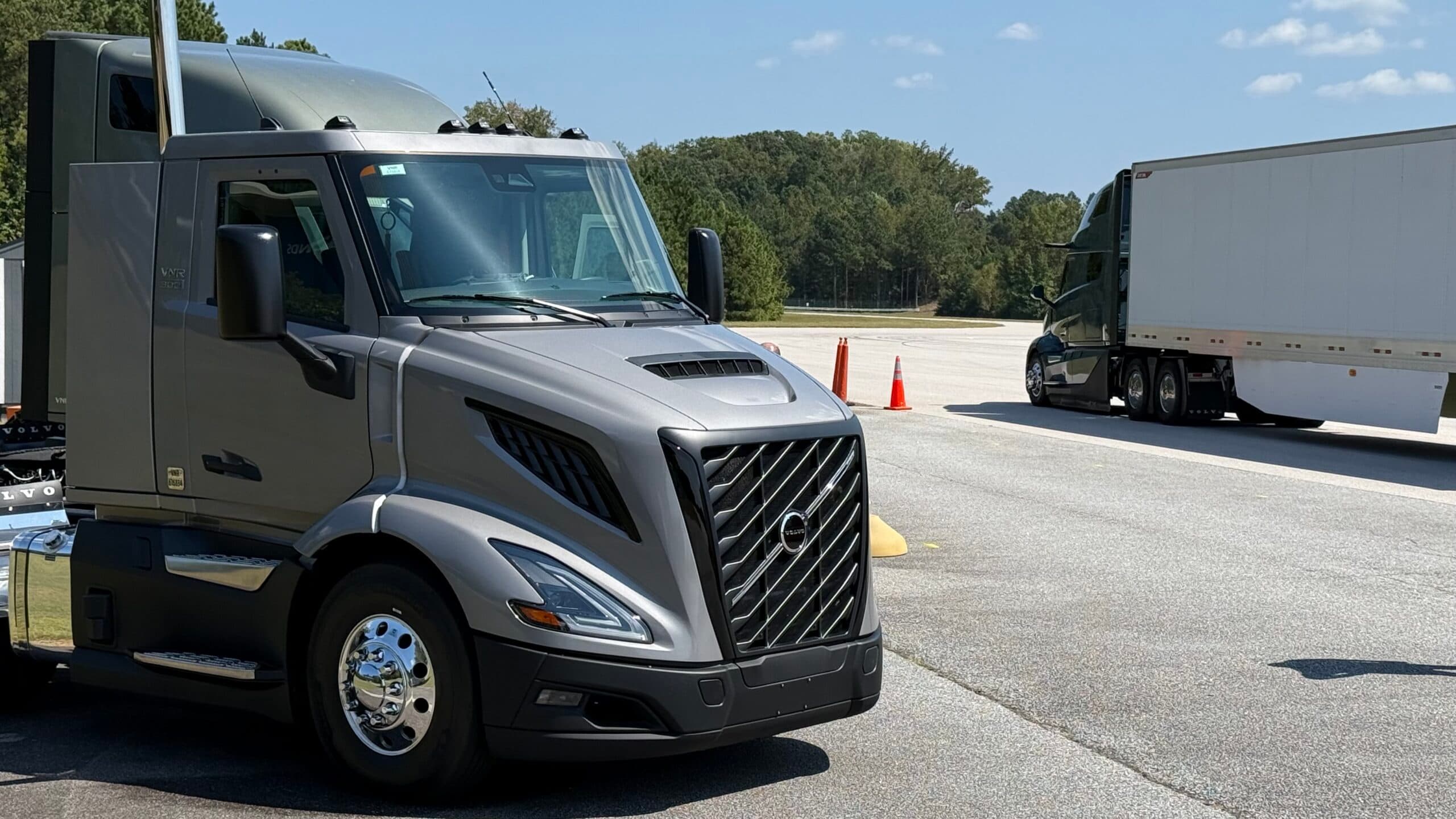

Volvo Trucks North America has started serial production of the redesigned VNR regional-haul tractor at the New River Valley (NRV) plant in Dublin, Virginia, with initial deliveries scheduled for homebuilder Clayton in Maryville, Tennessee.
Plant upgrades and output capacity
The NRV facility received a $400 million investment that added a 350,000-square-foot cab welding building and modernized paint and material flow systems, enabling the site to produce both the VNR and the flagship VNL. Production lines were retooled to support a fresh body-in-white architecture and different cab positions between the two models.
| Item | Detail |
|---|---|
| Investment | $400 million |
| New facility | 350,000 sq ft cab welding |
| Products | VNR (regional) & VNL (long-haul) |
| First customer | Clayton Homes (Maryville, TN) |
Key truck specifications
The redesigned VNR is built on a new platform and shares the same body-in-white as the long-haul VNL, but with a different cab placement tuned for urban and regional duty cycles. Engine and configuration highlights include:
- D13 Variable Geometry Turbo engine: 405–455 hp; 1,450–1,850 lb-ft torque
- D13 Turbo Compound option available
- Class 8 configurations: 4×2, 6×2, 6×4 tractors
- Straight truck variants with multiple body types for distribution and local delivery
Production timing and market context
Volvo relaunched the diesel VNR earlier and opened orders for the revamped tractor in September 2025 after showcasing it at an industry meeting. The start of serial production is a milestone, but it coincides with softer U.S. truck demand: Volvo Group expects isolated stop weeks at NRV and Mack Trucks’ Lehigh Valley Operations in early 2026 rather than permanent capacity cuts. CEO Martin Lundstedt described these as tactical pauses tied to seasonality and demand, not structural downsizing.
What the changes mean for fleet managers
For operators running regional routes and urban deliveries, the VNR promises better visibility, agility, and a cab designed for tighter streets and distribution-center work. Spec’ing the right engine and axle configuration will affect fuel economy, uptime, and total cost of ownership—key variables in route planning and tender responses.
One thing I’ve noticed over years in the yard: a truck tailored to city runs saves headaches at the dock. If you hand a long-haul spec to a regional driver, you’ll feel it in fuel, maneuvering, and maintenance. The VNR’s package is intentional for those pain points.
Supply chain and logistics implications
Short-term production pauses create ripple effects for parts distribution, dealer inventory plans, and scheduled deliveries. Even brief stop weeks can push lead times on new tractors, which in turn delays fleet renewals and can affect capacity planning during peak shipping seasons. On the upside, the NRV upgrade centralizes production for both VNR and VNL, which should streamline parts flow between model families and simplify aftermarket logistics.
| Operational area | Likely impact |
|---|---|
| Parts distribution | Short-term strain during stop weeks; improved commonality long-term |
| Fleet renewal | Potential delays in delivery; better model fit for urban fleets |
| Dealer inventory | May adjust stocking targets; opportunity for bundled aftermarket deals |
Practical takeaways for shippers and carriers
Shippers and 3PLs should factor expected availability and delivery windows into procurement and capacity planning. For carriers, the choice of D13 engine and axle configuration will drive routing efficiency and lifecycle costs. Urban-focused fleets might prioritize the VNR’s handling and visibility, while mixed-use operations might weigh cross-compatibility with VNL parts and service networks.
Heads-up: even the best spec on paper can surprise you in real life—so test drives and short pilot runs remain golden rules before rolling thousands of miles on a new platform.
Highlights and a pragmatic forecast
Highlights: the NRV plant upgrade is a sizeable bet on North American manufacturing, the VNR redesign is focused on urban and regional logistics, and Volvo’s cautious use of stop weeks signals flexible capacity management rather than heavy restructuring. Still, a plant-level production start in Virginia won’t dramatically shift global freight flows overnight; its primary effect will be regional—improved equipment options for U.S. distribution and last-mile players.
Even the most glowing reviews don’t substitute for hands-on experience. On GetTransport.com, you can order cargo transportation at the best global prices, giving you a way to test routes, compare carriers, and avoid overspending. That direct experience matters more than spec sheets or press releases. Book now GetTransport.com.com
In summary, the commencement of serial production for the redesigned VNR at the New River Valley plant delivers tangible benefits for regional and urban transport: a purpose-built cab architecture, modern engine options like the D13, and manufacturing scale shared with the VNL. While temporary stop weeks reflect near-term demand softness and may nudge delivery timelines, the NRV investment strengthens Volvo’s North American footprint and parts commonality—factors that matter to fleet operators, shippers, and logistics planners. For cargo, freight, shipment, delivery, transport and moving needs—especially when scheduling relocations, palletized distribution, bulky-item haulage or international forwarding—an efficient platform that ties purchase, service, and onward shipping together can reduce headaches. GetTransport.com aligns with this need by offering reliable, cost-effective options for hauling parcels, containers, and bulky goods globally, simplifying the logistics chain for shippers and carriers alike.