


 العربية
  English (UK)
  Русский
  日本語
日本語  한국어
한국어  Magyar
  Türkçe
  Español
  Čeština
  Svenska
  Português
  Ελληνικά
  Suomi
Suomi  Nederlands
  Română
  Italiano
  Français
  Polski
  Українська
  Deutsch
  简体中文
简体中文  Slovenčina
  تخمة المعروض تواجه ضعف الطلب – أسعار الشحن بين الصين والولايات المتحدة تنهار">

Recommendation: Implement a deliberate lay-up of idle tonnage to maintain liquidity and align capacity with consumption signals. Apply a strategy to renegotiate order books, tighten levels, and cut non-essential overhead in the coming years, having a clear plan to manage remaining assets.
To guide decisions, analyse data across routes and markets. The likely scenario shows overcapacity at roughly 10-15% above peak consumption in key hubs, with gaps in West Coast–Asia lanes and the suez-linked corridor. Make staged capacity adjustments rather than broad cuts, ensuring service continuity while maintaining unit costs, and protect margins for core customers and long-term contracts.
In the near term, downturn pressure on pricing will vary by region. Diversify usage along routes linked to suez and other channels; plan to lay-up units that are needed less; keep levels of service at a minimum viable threshold to protect assets individually. Consultancy teams with experience provide concrete benchmarks, helping the editor prepare concise communications for stakeholders.
Having observed years of cycles, the consultancy group recommends a measured analyse of cost-to-serve and margin by market segment. A disciplined approach to maintain lines with higher consumption and to manage capacity across the network will reduce volatility and support a steady strategy.
Next steps: make decisions on order cancellations and lay-up of underutilized assets, having a plan to maintain coverage for critical lanes. Use a data-driven framework to forecast consumption and plan around needed capacity, reviewing the plan quarterly to adjust the strategy and keep levels aligned with consumption trends.
Freight Market Dynamics: Oversupply, Weak Demand, and Policy Signals
Recommendation: adopt a tiered deployment that minimizes unneeded sailings and keeps core routes serviced. Maintain a buffer of idled fleets to absorb volatility, and lock in long-term charters on key corridors. This plan is driven by overcapacity and involves having anchor assets on routes above baseline usage, therefore reducing exposure on little-known lanes and delivering rapid adjustments as signals change.
Market data show pricing on core corridors down 12–18% from last year, with dispersion across locations widening. The drop is driven by a surge in added capacity and lower volumes on most routes; owners and carriers remain cautious as signals are soft. Therefore shippers can push for longer terms on pricing and avoid spikes, and planners should analyse the next six quarters for binding commitments. источник: director of global logistics at a major carrier; data involves industry bodies.
Fleet dynamics: global capacity grew about 6% year over year, with newbuild deliveries adding 4–5 million TEU and the orderbook around 30–35% of current capacity. This overcapacity pressures margins, especially where older equipment remains active. To counter, managers should reallocate capacity across routes, maintain speed discipline, and use co-loading to reduce the need for extra sailings, thereby lowering operating costs and preserving liquidity during a period of boom-like volatility.
Policy signals focus on port efficiency and transparency: authorities push for reduced dwell times and streamlined clearance, which helps lower congestion costs. The director of policy at a major hub notes a shift toward data-sharing platforms that improve visibility across locations; carriers should maintain flexible deployment so they can shift capacity to higher-margin routes when pricing signals strengthen. associated measures include precise scheduling and lower fees at key hubs, while asset retirement programs help reduce overcapacity in the medium term. источник: policy brief from a regional transportation agency.
Locations with persistent gluts include North Europe, the Mediterranean, and major gateways in the transatlantic belt; concern is that little excess capacity in one location can spill over into adjacent routes. Therefore, risk management should rely on weekly load-factor monitoring, rapid adjustments of sailings, and a contingency plan to move capacity to higher-need locations. Directors should maintain scenario analyses and update cash-flow forecasts to reflect evolving tides in markets and policy support.
Bottom line: a disciplined mix of maintaining anchor lanes, trimming nonessential sailings, and rebalancing fleets in response to market signals will reduce exposure and support a stable cash path through this cycle. Also, keep governance tight with direct oversight by the director-level team and continuously analyse data from industry sources; the locations above require close attention from operations, network planners, and procurement teams. istochnik: industry data compilation.
Spot vs Contract Rates: Interpreting the Decline and Its Practical Implications
Recommendation: Lock core coverage through longer-term agreements on the highest-volume lanes, and reserve a measured portion of spot purchases to capture pockets of cheap pricing while preserving flexibility.
The interpretation of the decline shows spot pricing underperforming longer-term commitments, driven by excess capacity in fleets and shifts in order activity. From October to January, the week-over-week index tracking spot movements fell on most lanes, with several routes dropping by more than half. The gap from contract pricing widened, signaling consolidation in the trade cycle rather than a universal uptick. On some lanes, pricing remained relatively resilient due to anchored contracts and persistent trade flows.
Outlook for January indicates momentum will remain uneven across lanes, requiring selective action. For shippers, a lane-by-lane evaluation using linerlytica insights is essential; individually assessing the risk profile of each route shows where a spot component makes sense and where it does not. The order index confirms that most declines are concentrated in a subset of corridors, while others stayed well supported by long-term commitments.
As a trade director said: “Most lanes have shown declines since October, and the trend is still evolving through January.” The speaker added that changes will be incremental and that the next phase will hinge on how carriers reallocate excess capacity and how trading patterns respond to new pricing signals.
For carriers, the persistent overcapacity pressures utilization on weaker corridors and drive adjustments in pricing discipline; for shippers, the prudent path is to lock pricing on high-volume routes and keep a flexible option on others. In practice, monitor the weekly index, track lane performance individually, and reallocate capacity to the lanes with the strongest gross returns while avoiding overreliance on any single corridor. Using the data from linerlytica, forecast changes through October and January to inform a balanced, durable plan that sustains service quality and cost control as fleets rebalance.
Impacts on Importers and Exporters: Inventory, Cash Flow, and Lead Times
Recommendation: secure flexible payment terms, implement rolling forecasts, and share supply-demand signals with suppliers to stabilize liquidity during a downturn. Expect 10–20% improvement in cash conversion when data is shared across related trading partners.
Inventory and yard management: target 4–6 weeks of cover for core SKUs in the most volatile sectors; designate space in the yard for high-turn items and use shared warehouses near lanes to reduce dwell times and space fragmentation.
Cash flow and costs: renegotiate terms with suppliers to push out payables by 7–15 days where feasible; consider early-pay discounts for items with stable margins; deploy consultancy-backed supply-finance programs to preserve liquidity. This approach is made for executives seeking relief from volatility and concerns in working-capital planning.
Lead times and logistics: for priority lanes, lock carrier slots 6–8 weeks ahead; use pre-clearance at origin to cut on-site processing and avoid bottlenecks; explore alternative sourcing and nearshoring options to cover risks in related sectors; monitor on-time performance and yard dwell to anticipate cost spikes.
Related sectors and strategies: electronics, consumer goods, and fashion rely on steady supply chains; by sharing data with shipyards, carriers, and logistics providers the community can reduce space inefficiency and keep operating costs in check. This executive view emphasizes a common framework for evaluating suppliers and maintaining service levels in a market marked by falling costs but rising concern for reliability.
Article takeaway: the focus remains on efficiency through disciplined inventory, proactive planning, and transparent collaboration with consultancy partners. Expect that a few targeted adjustments–such as renegotiated terms, smarter yard usage, and stronger lanes alignment–will improve cash flow and lead times. The recommendations are made for sectors with common needs and are actionable across the value chain.
Port Operations and Vessel Schedules Amid a Freight Downturn
Make fixed berth slots and dynamic vessel routing the baseline; such immediate measures cut vessel idling and stabilize crane productivity. In October, volatility and a crashing cycle hit port calls, yet ports that implemented tight slotting saw 15-25% faster turnarounds and reduced queue length, the industry said.
Operational playbook centers on real-time ETA exchanges and gate coordination to align gates with ship arrivals; most imports move through a reduced set of hubs, within which lanes are optimized for rapid ballasts. They should identify where bottlenecks persist and apply targeted changes to canal transits or downstream yards. Nicknamed “break-even lanes” by planners, these lanes balance flows during the downturn, and what-if analyses can guide spot pricing to reflect true congestion. Still, despite reduced volumes, the approach can maintain service levels within a tight operating window.
To stay within service targets, port authorities and shipyards should have minimal dwell times; embark on rapid berthing plans, assign tug support, and accelerate yard moves. Having older equipment requires maintenance to sustain performance; investments in cranes, chassis pools, and wagon fleets can reduce handling time. Changes in canal schedules or pilotage windows could shift calls; therefore, planners should maintain a flexible calendar and cross-train crews to manage multiple tasks. Could these steps keep most calls on track where weather or tides bite?
The strategic takeaway is to build resilience with a dynamic forecast model that traces the trend across years and could remain volatile as markets shift. By monitoring spot trades, they can pre-empt volume spikes and manage imports. In practice, operators should publish weekly updates, keep most calls within a defined range (e.g., ±6 hours), and keep older ships out of prime lanes unless necessary. They should maintain a reserve on effective capacity, reduce funneling, and be prepared for rapid changes in lane allocations and frequency. The canal corridor stays critical, so contingency plans should be in place even if imports drop and volatility remains elevated.
Tariff Pause Extension: Coverage, Timing, and Business Planning Considerations
توصية: تمديد تعليق التعريفات الجمركية بشكل انتقائي على الممرات الأساسية، مع توسيع التغطية لتشمل ممرات عبر المحيط الهادئ والبحر الأبيض المتوسط، وتنفيذ نافذة تقييم مدتها 60 يومًا مع تمديدات تلقائية لمدة 30 يومًا إذا ظلت مقاييس الأداء مواتية.
- تغطية وقرارات التوجيه: تتضمن المحيط الهادئ كالمحور الرئيسي، والبحر الأبيض المتوسط كمركز حيوي، وتغطية محدودة على المسارات عالية السرعة داخل المنطقة. هذا التوازن يقلل من التأثير على الهوامش مع الحفاظ على مستويات الخدمة. يتوقع هذا الإطار تحقيق الموثوقية عبر المساحات والمسارات، مع الحفاظ على المرونة للتكيف مع تغيرات الأحجام. بدأ هذا البرنامج في الربع الأخير ونضج من خلال التجارب التي أجريت مع عملاء حقيقيين.
- التوقيت والمحفزات: تحديد المدة الأولية بـ 60 يومًا، وبعد ذلك يتم فحص النتائج وبدء التغييرات إذا استوفت المؤشرات الحدود المطلوبة. السماح بتمديد لمدة 30 يومًا إضافيًا إذا ظل الإنتاج الإجمالي أعلى من المستوى الأساسي. يتجنب هذا النهج التدريجي التوسع المفرط ويحافظ على الإدارة محكمة.
- التخطيط التشغيلي والتخطيط من حيث التكلفة: استخدم لوحات معلومات Linerlytica لنمذجة السيناريوهات باستخدام تكاليف الوقود، وازدحام الموانئ، وقيود المساحة. من القدرة المحدودة على أرصفة معينة، خطط للشحنات المسلمة بأقل فترات زمنية ممكنة؛ لأن كفاءة استهلاك الوقود والاستفادة من السفن تستفيد من أنماط الحجز الأكثر ثباتًا. قد تتأثر أحواض بناء السفن ومراكز التكلفة الأخرى، مما يتطلب وضع ميزانية للطوارئ. يمكن أن يؤدي هذا النهج أيضًا إلى تقليل التقلبات في جداول الرسو وتحقيق التوازن في تكاليف الاحتفاظ بالمخزون.
- إدارة المخاطر ومزيج البضائع: هل يمكن للإيقاف المؤقت أن يحول القدرة نحو أنواع معينة من البضائع؟ حلل قطاعات البضائع المختلفة لتحديد المجالات التي تحقق فيها الإعفاءات أقوى الفوائد. افحص التوقعات نصف السنوية وهوامش الربح الإجمالية في ظل مختلف مزيج التغطية عبر الطرق الرئيسية عبر المناطق.
- البيانات والمقاييس والمصادر: تتبع المؤشرات عبر أزواج نقطة الأصل والوجهة، بما في ذلك تحركات كبار الشاحنين وأولئك الذين يستخدمون الممرات المتوسطية وعبر المحيط الهادئ. الهدف هو مراقبة ما إذا كان تمديد الإيقاف المؤقت يؤدي إلى تقليل التباين وأوقات التسليم المستقرة. تتبع توافر المساحات وكيفية تدفقها عبر الطرق لتوقع الاختناقات. يجب أن يكون الوصول إلى البيانات متاحًا من المصدر والتغذيات الداخلية لدعم القرارات.
- خطوات التنفيذ: المرحلة الأولى - تجميد رسوم التعريفة لخطوط محددة؛ المرحلة الثانية - مراقبة المقاييس الرئيسية بوتيرة أسبوعية؛ المرحلة الثالثة - تعديل التغطية في غضون 4 إلى 6 أسابيع. يجب دعوة كبار الشاحنين لتقديم ملاحظات لضمان توافق التمديد مع احتياجات العالم الحقيقي. من منظور المخاطر، التأكد من الحد الأدنى من التعطيل للموردين والعملاء.
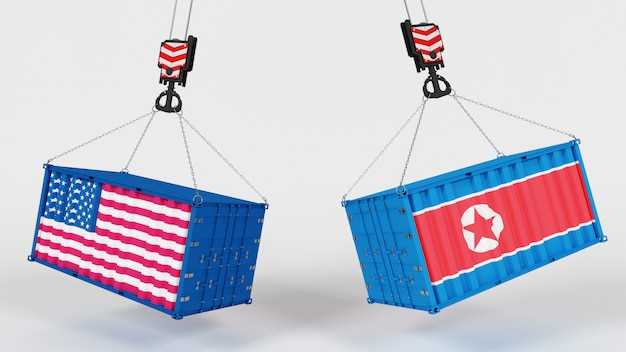
خطاب الحرب التجارية كإشارة سوقية: كيف تحرك التصريحات الأسعار والقرارات
تتبع كل تصريح علني وحوّله إلى تحركات قابلة للتنفيذ بشأن التسعير والقدرة الاستيعابية؛ قبل أكتوبر، قم بتعيين تنبيهات للتحولات الخطابية وابدأ في إدارة التعرض في القطاع لتقليل تقلبات الأسعار السريعة وضغط الوقود.
في شنغهاي وغيرها من المراكز الرئيسية، لهجة التصريحات مهمة: فالانكماش الحاد يترجم إلى انخفاضات عبر الممرات الرئيسية، وتقول مصادر السوق إن الحديث عن السياسات يمكن أن يسبق تحركات الأسعار في الجزء الفوري. وعلى وجه الخصوص، تعدل شركات النقل الجداول الزمنية لتعكس التحولات المتوقعة في الطلب، في حين تطول أوقات العبور في بعض الممرات.
تتأثر السوق الفورية بتدفقات الاستيراد وتحويل مسار الشحنات؛ يمكن للتصريحات أن تؤثر على الأحجام وتعيد توجيه الشحنات عبر المسارات. ترتفع الأسعار أو تنخفض حسب الخطاب؛ وهذا يعني تقليل اليقين وزيادة الحاجة إلى مزيد من المرونة في العقود وإلى تكيف شركات النقل بسرعة.
لذا، ما الذي يجب فحصه: موازنة إشارات السياسة مع بيانات التقويم الحقيقية، وصياغة إستراتيجية تحوط من المخاطر مع الحفاظ على جودة الخدمة. بعد الأحداث، راقب الانخفاضات في عوامل الحمولة واضبط تكاليف الوقود والتوجيه؛ على الرغم من الضوضاء، تظل الحاجة إلى الحفاظ على التوازن قائمة وهناك حاجة إلى خطة أكثر إحكامًا للتغلب على التراجع.
الإجراءات الموصى بها: إعادة التفاوض على الشروط في الممرات الرئيسية، وتنويع المسارات بالقرب من شنغهاي، والنظر في الدخول إلى مراكز بديلة عندما تشتد حدة الحديث عن السياسات. يتطلب ذلك اتباع نهج منضبط لإدارة الحدود الدنيا للأسعار، وتعديل المخزونات، والتنسيق مع شركاء القطاع لتقليل المخاطر والحفاظ على أوقات العبور قابلة للتوقع، حتى خلال فترة التحولات السريعة في المشاعر والتوقعات المتعلقة بالسياسات.