


 العربية
  English (UK)
  Русский
  日本語
日本語  한국어
한국어  Magyar
  Türkçe
  Español
  Čeština
  Svenska
  Português
  Ελληνικά
  Suomi
Suomi  Nederlands
  Română
  Italiano
  Français
  Polski
  Українська
  Deutsch
  简体中文
简体中文  Slovenčina
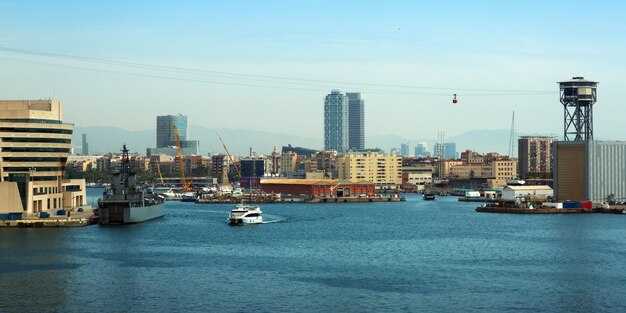
Coordinate an immediate intake program at the Port of Oakland to receive empty containers from Hanjin’s bankruptcy estate and reintegrate them into the trade cycle. The plan has been prepared with a dedicated operator team, a tight pickup window, and clear demurrage terms with customers to prevent yard spillover.
Officials told stakeholders that the first batch would include several thousand 40-foot and 20-foot empties, owned by the trustee, to be moved through the maritime network, which would support a faster turn of assets. Their movement would feed exports and imports alike, despite Hanjin’s financial collapse. The plan, announced by port officials, links a wide network of ports و تقليدي terminals, with the operator coordinating with chassis pools and trucking lines. according to the schedule, the initial flow would reach nearly 3,000 containers in the first week and ramp to around 7,500 by week three. would this be enough to stabilize the region’s trade pattern? Officials say yes, if the documentation stays tight and they implement a fast clearance protocol.
Initial projections estimate nearly 5,000 TEUs of empties arriving in the first two weeks, focused on 40-foot units compatible with existing rail ramps and truck lanes. The plan will test the port’s carrying capacity across the main yard and container stacks, with wide access roads and a streamlined gate process. This approach would reduce dwell time for empties and keep shippers from paying extra fees, supporting steady trade.
Implementation steps: (1) publish a public dashboard that tracks the intake in real time; (2) assign a single operator team and clarify responsibilities for officials and terminal staff; (3) coordinate with trucking firms to reserve slots and minimize empty-return trips; (4) document the assets to ensure exports move smoothly and for them to return to the supply chain. This concrete plan helps Oakland maintain its role as a reliable port hub and supports a broader trade rebound across western ports.
Port of Oakland and Hanjin Empty Containers: Practical Operational Plan
Recommendation: Establish a single, cross-agency operational desk at oakland port officials to manage bankrupt hanjin empty containers. The plan sets a nightly window for moves, builds a shared chassis pool, and formalizes carrier commitments to rapid release and return cycles. According to reuters coverage, this scale of coordination is necessary as empties accumulate. The desk will track owned assets, communicate clearly with their stakeholders, and publish a concise print briefing each morning.
Immediate actions include: inventory owned empties across yard zones, secure a wide chassis pool with truckers, reserve space in the south yard for quick turnover, and schedule a tuesday coordination call with the main carriers to align manifests and exports flows. Implement a click-to-view dashboard and a window for daily updates so field teams can verify status from night shifts through early morning moves.
Operational flow centers on moving empties efficiently to their next destination. Outbound exports should clear first in the wide network of ports, while inbound empties from hanjin origins funnel through the oakland gate with minimal handoffs. Maintain strict documentation for every move to support audits and to inform spare parts and chassis availability across the network.
Monitoring hinges on concrete metrics: dwell time by yard, chassis utilization, and the share of empties repositioned within 72 hours. Run nightly reconciliations, publish a simple print-ready scoreboard, and keep a digital window open for ongoing updates to officials and carrier partners. The plan also includes initiatives to expand collaboration with south-bound corridors and key carriers to balance supply with demand across all affected ports.
Engagement and feedback loops rely on clear communications with truckers and their associations, with updates shared through official channels and, where appropriate, reddit threads that discuss logistics challenges. Regular updates will be sent to ports, their officials, and the broader maritime community to ensure transparency, while keeping sensitive data protected and actions aligned with regulatory requirements.
Oakland’s Strategy for Receiving Bankrupt Hanjin Empties and West Coast Impacts
Recommendation: designate Oakland as the primary intake point for bankrupt Hanjin empties and establish a 24- to 48-hour unloading window, with a single port contact, a reserved chassis pool, and pre-approved drayage lanes for drivers.
Officials should coordinate with carrier teams to route ships toward Oakland’s gates on predictable schedules, allowing other West Coast ports to adapt in parallel and creating a ripple effect that eases south coast congestion.
Implement a bluesky plan that aligns owned and third-party chassis, exports, and inland moves, ensuring work hours meet demand and that shipping lines carry empties efficiently through the system.
Communications will rely on open channels; updates from officials, terminal operators, and drivers should be posted to the team window; discussions on reddit on tuesday can surface ground-level issues and quick fixes.
Metrics to track: number of bankrupt empties processed by Oakland, average hours per unload, ships cleared within window, volumes exported, and the cost of fuels per move; if Oakland proves steady, the coast-wide ripple opens a path for other ports.
Terminals and Handling Sequence for Hanjin Empties
Allocate a dedicated hanjin empties lane at Oakland terminals, operating through the night hours from 22:00 to 06:00, with a fixed gate-in window and pre-notified data from the carrier to reduce dwell and speed disposition of empties.
Pre-notification from the carrier streamlines gate-in and yard release. Their empties and exports are logged in a wall-to-wall system, which opens visibility for yard planning. According to initiatives announced by hanjin stakeholders, the flow through Oakland stays prioritized even if stalled movements occur along the coast. In pilots, automated checks have shaved nearly 20% off handling time. This approach has been tested and shown to improve throughput in short-haul moves.
Gate-in proceeds in two stages: first, verify empties against the manifest and the carrier’s data feed; second, confirm chassis assignment and seal status. Their containers move to a designated owned yard area near the west coast operations, where yard cranes and trucks reposition them for rapid export. This arrangement supports a long horizon for carrier coordination, and it reinforces a resilient flow across the west coast network.
During handling, yard teams tag each unit and place them in a planned sequence to support outbound flows. They group empties by destination and vehicle type, then assign a pull order for the next export window. The wall updates reflect real-time status and allow drivers to pull the correct chassis with minimal detours.
Contingency planning covers stalled containers and weather disruptions. When a batch stalls, the plan reallocates space to active movements and coordinates with west coast partners to keep exports moving. Oakland’s operations align with initiatives that aim to maintain throughput even if a terminal stalls.
Key metrics and targets: dwell time for hanjin empties should be under 48 hours; nightly throughput should run between 1,400 and 1,800 empties; allocate two to three dedicated crane crews and reserve 5–7 acres of yard for hanjin empties; review performance weekly to adjust staffing and lane openings. These targets apply year-round.
Scheduling and Gate In/Out for Empties at Two West Coast Terminals
Recommended action: implement a synchronized gate-in/out window for empties at oakland and the second West Coast terminal (long beach), with a shared online scheduler that officials, companies, and truckers can access. This bluesky approach would reduce night dwell, shrink storage time, and smooth the long cycle of empty moves across ports.
- Two-terminal framework: Establish a common scheduling standard across terminals, so operators at oakland and long beach align on gate timing, handoffs, and yard storage rules. This keeps the ripple of activity predictable for truckers and carriers.
- Gate-in windows: Oakland 05:30–13:30; Long Beach 06:00–14:00. This sets steady morning volumes and avoids congestion waves that stretch into the day. The first arrival slots would honor pre-booked empties, with a 30-minute buffer for check-in.
- Gate-out windows: Oakland 13:30–21:30; Long Beach 14:00–22:00. A clear separation between inbound and outbound activity reduces the wall of trailers in yard lanes and improves safety for yard crews.
- Night/overnight slots: A 11.5–12 hour overnight window (Oakland 21:30–05:30; Long Beach 22:00–06:00) reserved for reefer and priority empties. This keeps storage time low while supporting trade flows that run around the clock.
- Overflow and reserve: If a terminal reaches capacity, a mutually agreed overflow window would authorize limited gate-in/out with priority for pre-booked trailers only, preventing abrupt disruption of the broader schedule.
Process flow and responsibilities:
- Pre-booking: Brokers, carriers, and fleets submit empties via a single portal. The system, owned by the operator groups, assigns a confirmed gate-in slot and a corresponding gate-out window. This simplifies planning for the long, multi-terminal supply chain and reduces last-minute changes.
- Check-in at the gate: Truckers present the pre-booked reference and print a gate pass at the kiosk. A quick QR or barcode scan verifies the booking and directs the trailer to a designated storage area or to the next move.
- Storage assignment: Yard staff allocate a storage lane and a concrete time horizon. Nearly all storage units would be clearly labeled and tracked in real time to prevent cross-traffic conflicts at the wall and to minimize cross-dock delays.
- In-system movement: Operators coordinate moves from gate to storage and from storage to the gate-out lane with standardized handoff points. This keeps the scale of yard operations manageable and reduces dwell hours.
- Gate-out release: When the outbound window arrives, truckers receive a release to back to the gate and exit with the empty container. Documentation is updated, and the trailer status reflects the move across the border of the terminal.
- Data sharing: Each terminal feeds a shared data view to officials and the trade community, enabling near real-time visibility across the two sites. This minimizes surprises for truckers and carriers and helps plan the next wave of empties.
Operational tips for stakeholders:
- Truckers and drivers: Use the print gate pass from the portal to avoid delays at the gate. Plan for a 60–90 minute buffer to account for check-in and yard routing, especially during peak hours.
- Carriers and companies: Align dispatch times with the scheduled windows to reduce cross-dock movements and to keep trailers moving rather than idling in storage.
- Terminal operators: Use a single yard map and clearly marked lanes to prevent misroutes. A fixed week-long sample schedule helps set expectations for truckers and improves reliability.
- Public feedback: Public chatter on reddit and industry forums reinforces the need for predictable hours and consistent gate rules. Officials should monitor this channel for recurring bottlenecks and adjust the schedule accordingly.
المقاييس الرئيسية التي يجب مراقبتها:
- Gate cycle time: time from gate-in to gate-out for each empty trailer, and its trend across oakland and long beach.
- Dwell hours: average storage time per empty trailer, by terminal, to ensure the plan stays true to its goal of reducing storage across yards.
- On-time gate-in/out rate: share of moves completed within the booked window, per terminal.
- Utilization: yard lane and storage area occupancy, measured weekly, to prevent overfill on any single wall.
- Throughput by hour: distribution of arrivals and departures across the 24-hour day, to identify peak pressure and adjust slots accordingly.
Data-sharing and governance:
- Shared governance: The first step is a formal agreement across the two terminals, specifying data sharing, slot allocation rules, and escalation paths for capacity constraints.
- Public-facing print: A simplified, print-friendly gate schedule should be published weekly for truckers and trucking firms to reference in their planning tools.
- Ownership and accountability: Each operator retains control of its yard, with cross-terminal coordination managed through a joint operations group. This preserves ownership while enabling scale across ports.
- Contingency planning: In case of severe weather or equipment shortage, a bluesky backup plan would allow limited adjustments to windows with minimal impact on the broader schedule.
Outcome expectations: oakland and long beach would see tighter control of empties, fewer long nighttime idles, and a smoother flow for trade across two major West Coast gateways. The approach would align with long-term goals to improve efficiency for truckers, print-enabled gate releases, and the broader port trade network, while keeping a close eye on storage levels and hour-by-hour performance. Officials have signaled willingness to pilot the framework this year, with quarterly reviews to refine windows, capacity sharing, and messaging to the trucking community.
Inventory Management and Yard Density: Intermodal Coordination
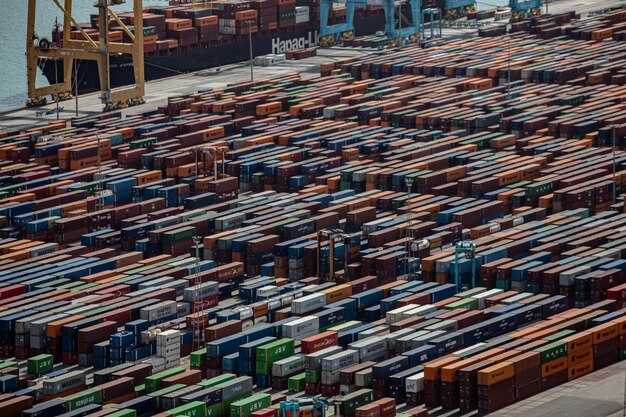
Adopt a dynamic yard-density model that updates hourly and informs chassis and trailer allocation to prevent overstow and minimize dwell time. Tie density signals to a single dispatch window for container moves, so night shifts can align with daytime planning.
Collect data from yard sensors, TMS, carrier feeds, and officials to forecast demand year over year. Nearly all operations benefit from a shared source of truth that links storage, supply, and outbound exports. Use this data to set safety margins for long-haul flows and to schedule staging across the coast.
Coordinate across ships, trailers, and rail with explicit handoff windows: a 4-hour inbound-to-outbound transfer and a 6-hour inland movement window. Use a click-to-assign interface for yard crews and a wall of dashboards that show container status. This alignment reduces ripple effects and improves cycle times across the intermodal network, which improves visibility for all stakeholders.
Bankrupt Hanjin Shipping changes the context, so Oakland should reserve storage for empties and use a fast-track process to move them to the wall where they are accessible by the next carrier. This approach keeps the yard clear for outbound exports and prevents clogging the quay with idle containers.
Industry feedback on reddit highlights that transparency and data-driven decisions shorten cycles and reduce idle times for chassis and trailers. Operators that share live updates with drivers and officials achieve smoother turnover and lower fuels consumption during night operations. Bluesky scenarios help stress-test the plan for such nights when docks run late.
| متري | الهدف | Current | الإجراء | Owner |
|---|---|---|---|---|
| Yard density (%) | 85-90 | 78 | Move empties to adjacent facilities; prioritize staging shifts to reach target | Operations |
| Chassis utilization | 90 | 74 | Rebalance across carriers; implement time-windowed slotting | التخطيط |
| Container dwell time (days) | 2.0 | 3.4 | Prioritize early release to inland lanes; batch reroutes | Dispatch |
Green Corridors and IMO Setbacks: Concrete Port Actions
Begin by launching a Green Corridor program anchored at the Port of Oakland, linking the west coast with inland hubs through rail, short‑sea shipping, and electrified drayage. This first step supports trade continuity that their fleets rely on, and channels hanjin bankruptcy empties toward low‑emission paths that speed storage and handoffs.
Actions include shore power at berths, electrified yard equipment, and on‑dock storage optimization; set a target to electrify conventional yard tractors and cranes, with shared charging infrastructure to reduce peak emissions and improve reliability for the long haul. These initiatives create a backbone for the supply chain while preserving exports and coast‑to‑coast trade flows.
Modernize the trucking layer: shift conventional diesel trucks to hybrid or zero‑emission options where feasible, deploy smart yard tractors, and standardize trailer interchanges through a pooled chassis system. Coordinate with truckers to shrink dwell times, where nearly every container–especially empties from hanjin–moves faster from gate to gate, with their fleets gaining predictable turnaround.
Digital coordination strengthens results: implement a one‑click dispatch and real‑time tracking platform for truckers, shippers, and port authorities; enable click‑to‑reserve slots and automated alerts to avoid stalled spaces in storage yards. Pair this with print and online dashboards that everyone–from the west coast to inland partners–can access for accurate trade data and scheduling.
IMO setbacks drive concrete policies: adopt harbor speed controls, shore‑power mandates, and emission‑intensity metrics aligned with EEXI and CII benchmarks. Oakland can apply a harbor‑area speed cap and require ships to plug in during idling, with cost‑sharing arrangements that keep shipping lines engaged and reduce coalitions risk across the shipping industry.
Measure progress through tangible metrics: container dwell time, truck turnaround, storage occupancy, and emissions per TEU; publish a quarterly print digest and maintain a digital dashboard for stakeholders, according to port data. This approach nearly eliminates guesswork, supports exports, and demonstrates that stalled initiatives can be revived, as many already created show what works when leadership commits to a steady cadence that their communities can click into and rely on.
CMA CGM and the India–Russia Trade: Sanctions Context and Logistics Implications
Recommendation: CMA CGM should prioritize conventional, multi-modal routes that connect Indian ports with Russian entry points, using owned storage facilities, a robust chassis pool and trailers, and long-term carrier commitments to weather sanctions disruptions. Officials told analysts that diversifying modes reduces exposure to port congestion, while keeping costs predictable for exporters. A proactive approach on tuesday could set a reliable baseline for the year ahead, helping them maintain supply even when routes stall.
Sanctions context and logistics implications are intertwined. The India–Russia trade has shifted toward routes that minimize exposure to restricted corridors, which affects how carriers plan capacity and where they store containers. reddit discussions mirror many industry concerns, noting that conventional lanes remain essential while authorities refine compliance frameworks. which means CMA CGM should align network design with the realities of sanctioned trade, focusing on predictable cycles, clear documentation, and reliable handoffs at key ports to avoid bottlenecks.
- Increase owned chassis and storage capacity at major ports to reduce dependency on third-party equipment and to speed cross-docking during peak periods.
- Develop rail-based corridors that move containers inland toward Russia, lowering exposure to congested sea lanes and extending the reach of the supply chain.
- Allocate dedicated trailers for last-mile delivery and short-haul moves to keep exports flowing and to support just-in-time production in recipient markets.
- Establish cross-border coordination with officials to ensure sanctions-compliant routing, paperwork, and cargo legitimacy, minimizing delays at checkpoints.
- Run dual-channel services that separately serve high-demand domestic trade and export-import lanes, creating resilience against shocks in one segment.
Hanjin’s bankruptcy left a wake that many shippers still navigate. In january, several ports reported stalled containers and night-time congestion, prompting carriers to rethink capacity allocation and storage strategies. The first year after those disruptions highlighted the need for wide, resilient coverage across the maritime network, with CMA CGM announcing capacity adjustments and new equipment investments to support exports and their supply chain partners. By owning core assets and reinforcing multi-modal links, the carrier can stabilize throughput even when external pressures rise.
Operational recommendations to implement now:
- Lock in long-term storage contracts at the top Indian ports (for example, Mundra and Nhava Sheva) and corresponding Russian entry points to smooth out monthly variations in demand.
- Build a dedicated chassis pool and replenishment cycles, paired with a regional trailers network, to reduce dwell time in ports and distribution centers.
- Coordinate with local logistics hubs to align night handling windows with customs clearance, reducing cycle times and improving predictability for exporters.
- Monitor sanctions developments daily and refresh routing options monthly, ensuring that any new limitations do not disrupt critical supply lines to Russia.
- Communicate transparently with shippers and freight forwarders about capacity, lead times, and compliance requirements to maintain trust and steady throughput.
Overall, CMA CGM should balance a wide maritime footprint with tight asset control, leveraging owned storage, chassis, and trailers to keep exports moving. By integrating rail and road legs with port operations, and by staying close to officials and industry chatter, they can maintain reliable service in a sanctions-influenced, multi-country trade environment.