


 العربية
  English (UK)
  Русский
  日本語
日本語  한국어
한국어  Magyar
  Türkçe
  Español
  Čeština
  Svenska
  Português
  Ελληνικά
  Suomi
Suomi  Nederlands
  Română
  Italiano
  Français
  Polski
  Українська
  Deutsch
  简体中文
简体中文  Slovenčina
  Red Sea Disruption – How Shipping Firms Respond in Adversity">

Recommendation: Diversify courses for international trade, secure buffer inventories for key goods, and rebalance freight capacity across lines to blunt the impact of dropped shipments during peak congestion. cosco and other shippers should publish real‑time information feeds to the shipper community, noting trends in south routes and updating return schedules.
Analysts cited a источник information feed showing swings in volumes, with international flows wavering last quarter, sometimes by 6–9% across routes. revenues across lines tightened as operators invested in diversified routes and port call patterns to reduce single‑point risk. The notice to partners about revised schedules and anticipated returns is critical in this environment, said industry watchers.
Implementation plan: Build a three‑layer response: (1) a dynamic routing framework that shifts courses when a chokepoint emerges; (2) a rotation of lines via multi‑carrier tenders, including cosco and other international operators; (3) automated freight tracking and pre‑cleared manifests integrated with ERP to shorten notice windows. These steps improve operations and reduce the risk of dropped goods by strengthening return flows toward south ports.
Financial guardrails focus on protecting revenues under pressure. Companies should renegotiate terms where possible, reserve liquidity for auto adjustments, and invest in buffer storage to weather times of congestion. The invested capital should yield measurable improvements in on‑time performance and dwell reduction, with a target return uplift in the last quarter of the year.
In practice, south corridors show improved resilience when lines share information and align schedules; last‑minute notices and cross‑dock pilots have trimmed delays. Shippers return on investment becomes more predictable when cosco and partner fleets maintain flexible tonnage, enabling international traffic to keep moving through south corridors despite constrained ports.
Practical playbook for navigating Red Sea disruption and safeguarding operations
Immediate action: lock capacity with at least two carrier lines and set a weekly update cadence with your team and external sources to avoid penalties and keep revenue flowing. Build a plan that supports case-by-case routing decisions and keeps vessels moving amid fluctuations.
- Routing and capacity portfolio
- Identify key volume lanes and build backup routes that bypass bottlenecks; using alternative passages reduces exposure to weekly volatility in rates and availability; document the rationale for each shift. If a route goes offline, switch to backup passages promptly.
- Establish a single source of truth for schedules and port calls, drawing on international authority data and other trusted information sources to inform decisions.
- Carrier diversification and fee management
- Engage with cosco and swiss-based operators, plus chinas-based carriers, to secure vessels and avoid single-source risk; negotiate flexible terms to handle dropped slots or schedule changes.
- Maintain visibility into fees and penalties; lock in favorable terms early and monitor rate cards to protect revenue margins.
- Maintain relationships with chinas partners to secure capacity and reduce exposure to disruptions in any single market.
- Operational planning and execution
- Translate the plan into actionable commands for ships and vessels; align with the built fleet and ensure crew and shore teams understand revised routing and port calls.
- Apply case-by-case guidance for port restrictions; assign owners and timelines for each action to minimize latency.
- Information governance and data sources
- Consolidate information from authorities, international bodies, and core sources; run weekly checks and publish concise updates to leadership and customers.
- Keep a clear data model and traceable provenance for schedules and movements to support auditability.
- Financial discipline and revenue protection
- Forecast revenue impact by scenario; model cost-to-serve under different routes; track volume shifts and any demand drops; prepare mitigations if volumes fall.
- Implement contingency cost controls to protect margins, including freight, handling, and fuel-related charges; monitor detention and demurrage exposure.
- Maritime risk governance and sustainability
- Keep operations compliant with international regulations, maintain ongoing dialogue with authorities, and pursue routes with lower emissions where feasible to support sustainability targets.
- Report last-mile performance and efficiency gains to stakeholders; align with long-term sustainability plans.
- Performance tracking and cadence
- Track KPIs for ships and vessels: on-time departure/arrival, plan compliance, and container dwell; publish a concise update weekly to executives.
- Review what dropped in the previous cycle; adjust the plan accordingly and keep courses oriented toward resilience.
Real-time risk assessment criteria to guide voyage decisions
Recommendation: implement a real-time risk score for voyage decisions, using a 0–10 scale with an automatic route adjustment when the score exceeds 7; maintain a running decision log with the rationale and a fallback plan.
Inputs come from international AIS feeds, official advisories, weather forecasts, market data, and notifications from the carrier; track fluctuations in traffic around chokepoints and canal approaches, and escalate when density rises or transit times diverge from baseline by more than 20%.
Security and political risk: monitor houthis activity and related intelligence; authorities warned about elevated risk levels in select lanes; if the risk level rises, avoid high-exposure routes and consider staging at a secure port to protect crew and assets.
Economic signals: watch fluctuations in bunker prices and freight costs, canal fees, and port charges; if prices dropped or volatility increases, adjust the voyage term and negotiate with vendors; factor in year-over-year shifts and the investment profile of the voyage.
Operational feasibility: assess transit duration against vessel performance, crew readiness, and the availability of support at next ports; align with term limits and maintenance windows, with several scenarios tested by professionals to ensure resilience for vessels in southbound or cross-trade lanes.
Decision framework: run multiple scenarios for the next leg and the return path; weigh market signals against safety and schedule impact; if a route offers a favorable risk-adjusted term, commit or else replan with the carrier and international partners, documenting the rationale for the next steps.
Learning and governance: capture lessons learned about traffic patterns, canal operations, and market reactions; share insights with international teams, invest in training for professionals, and with next cycles update thresholds and alert levels so invested capital remains protected.
Routing alternatives and plannable detours to minimize exposure
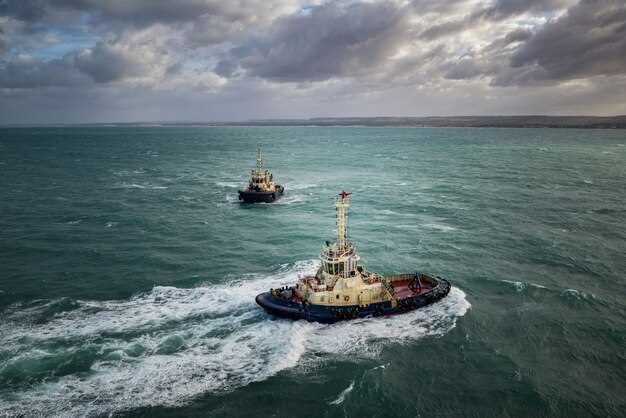
Immediate action: implement a live routing plan that diversifies routes across international corridors and includes a viable divert to the south, with pre-approved contingencies for port calls and cargo staging. This reduces remaining exposure from a single point and supports stable revenues while operations stay resilient.
Source data should feed a centralized plan that blends several indicators: political risk, port rates, weather, and queue lengths. There is value in testing courses of action now to learn how fluctuations in rates and throughput affect margins, and to resume normal operations quickly after events there in march or thereafter.
Engage a diversified roster of partners: maersk, cosco, and star lines can offer flexible tonnage; swiss-flagged vessels may improve notice and reliability in volatile windows. Reuters analytics from march highlight how chinas state carriers shift routes in response to regional disturbances, underscoring the need for a proactive plan and quick divert options for revenues protection. Thanks to this alignment, international flows can be maintained even as regional risk rises, and the economy benefits from steady maritime activity.
Detour logic prioritizes the southbound corridor when northern lanes show strain: divert to the Bab al-Mandab and Indian Ocean route where permitted, with a reserve of slots on multiple sources to reduce single-point dependency. There is remaining capacity to rotate several ships across routes, which helps minimize exposure to price spikes and port congestion in the region. Notice the advantage of maintaining a flexible schedule that can resume normal cycles after events, keeping transiting volumes on track.
| Route option | Estimated transit days | تأثير التكلفة | الملاحظات |
|---|---|---|---|
| الممر الرئيسي عبر قناة السويس | ٩-١٢ | baseline | المسار الأساسي؛ مراقبة التقلبات في المعدلات وإنتاجية المنافذ؛ ملاحظة الحجم والحفاظ على البيانات المصدر. |
| التَّحويلة الجنوبيَّة عبر باب المندب + المحيط الهندي | 15-22 | زيادة معتدلة | تحويل المسار عند تشديد المسارات الدولية؛ التعلم من ملاحظات مارس؛ مفيد لـ "تشايناز" و "كوسكو" و "ميرسك"؛ يمكن للقدرة السويسرية تسهيل عمليات الانتقال؛ اعتبار خطر منطقة الحوثيين. |
| بديل طريق رأس الرجاء الصالح | 28-40 | high | مسافة أطول في البحر؛ تكاليف وقود أعلى؛ يستخدم للمرونة أثناء الانقطاعات الكبيرة؛ تم اختبار مسارات العمل لقدرة التحمل المتبقية |
من الناحية العملية، يجب على الشركات الاحتفاظ بمصدر واحد للحقيقة لاتخاذ قرارات التوجيه، وتحديث الإشعارات يوميًا، والتنسيق مع العملاء بشأن الجداول الزمنية المنقحة. هناك احتمال لاستئناف الإيرادات الثابتة من خلال الحفاظ على العمليات عبر مسارات متنوعة والاستفادة من خبرة شركات النقل الدولية لتخفيف آثار الحجوم والاقتصاد.
خطط شحن الطوارئ، والجدولة، ومكالمات الموانئ للرحلات المحولة

ابدأ بخطة شحن موحدة للطوارئ يتم تفعيلها في غضون 6 ساعات من إشعار التحويل، وتنسيق السفن والخدمات اللوجستية وأولويات الشحن عبر الممرات. أعط الأولوية لشحنات الطاقة والبضائع الحساسة للوقت، وصنف الحمولات إلى قوائم انتظار A-عاجلة و B-احتياطية. يظل هذا النهج فعالاً عند تعليق قناة السويس أو مرور الطرق عبر باب المندب، مما يقلل من مخاطر وتكاليف الرحلة.
تتم مراجعة الجدولة يوميًا مع رؤية دقيقة لفترات الرسو، وتداعيات الوقود، وتوافر القاطرات. تستخدم الخطة تقويمات ديناميكية مشتركة مع العملاء والأطقم، وتتجاوز التوقيت لتراعي الأحوال الجوية، وازدحام الموانئ، والحوادث. وكما قال المخططون، يجب أن يكون النهج العملي قابلاً للتكيف، مع زيادة حصة الصين وإعادة توجيه المسارات المتوقفة نحو موانئ المراكز الجنوبية، في حين أن تخصيصات الحاويات الأكثر مرونة والإشعارات المرسلة إلى شركات الشحن تحافظ على سلاسة العمليات.
تُرتَّب زيارات الموانئ للاستفادة من المراكز التي تقدم خدمات التموين بالوقود، والإصلاحات، وإنتاجية الرافعات السريعة؛ وضمان وجود نافذتين للإبحار على الأقل لكل ميناء لاستيعاب عمليات المد والجزر والقناة. وبالنسبة للرحلات المحولة، جدولة الزيارات في مرافق باب المندب وعلى طول الساحل الجنوبي مع قوارب قطر قوية ودعم الإرشاد؛ والحفاظ على سويسري إشعار بشأن التغييرات والتكاليف لطمأنة العملاء.
إدارة المخاطر التشغيلية: التمركز المسبق لقطع الغيار الرئيسية والوقود والصابورة؛ ومراقبة الحوادث والأحوال الجوية؛ وتحديث مصفوفات المخاطر؛ واستخدام البيانات للتعلم وتحسين منطق مسارات الملاحة. في حال تعليق حركة الملاحة في القناة، تدور السفن حول رأس الرجاء الصالح، ما يزيد من الوقت والطلب على الطاقة؛ وتتضمن الخطة هامشًا في أطقم العمل والجداول الزمنية لاستيعاب الصدمات.
الانضباط المالي: الحفاظ عليه سويسري- محاسبة التكاليف على أساس الأسلوب وتقديم الإشعارات في الوقت المناسب؛ ومشاركة الجداول الزمنية والمصروفات المعدلة مع العملاء؛ والاستثمار في أدوات التخطيط الرقمي لتقصير دورات اتخاذ القرار وتحسين الرؤية في جميع أنحاء الجنوب.
مقاييس الأداء والدروس المستفادة: مراقبة البيانات الحديثة التي تظهر تحويلات متزايدة؛ قياس عمليات الرسو في الميناء في الوقت المحدد، واستهلاك الطاقة، وأيام التأخير؛ التعلم من الحوادث لصقل قوائم الانتظار ذات المستويين؛ إعادة توزيع تدفقات البضائع المتساقطة؛ الاستثمار في التحليلات المتقدمة يزيد من مرونة الاستجابة.
التغطية التأمينية وموقف المطالبات واعتبارات المسؤولية أثناء الاضطراب
إجراء مراجعة لكل حالة على حدة للتغطيات عبر الشحن والبضائع، والهيكل، والمسؤولية، وتأييدات مخاطر الحرب. مواءمة الحدود مع التعرض للمخاطر في الرحلات البحرية والرسو في الموانئ، وتأمين التأييدات لإعادة التوجيه والتخزين الممتد والتسليم المتأخر. التحقق من صحة عناصر النقل البري والداخلي، وضمان التماسك خلال الدورة المالية والاقتصاد العالمي؛ وتشكيل فريق متعدد الوظائف لمراقبة التغيرات في السوق والإقبال على المخاطر، وتقديم التقارير من خلال قناة معلومات واحدة وأوقات استجابة محددة.
إنشاء آلية استجابة سريعة للمطالبات: تخصيص مكتب مخصص لتقديم الإشعارات وجمع معلومات الحوادث والتنسيق مع شركات التأمين. الحفاظ على البيانات مثل أرقام بوليصة الشحن ومواقع السفن وقيم البضائع وأوقات الأحداث؛ استخدام الكتب الإلكترونية لشروط الوثائق لسرعة الرجوع إليها وتدريب الموظفين عبر دورات قصيرة لتقصير مسارات التصعيد وتجنب التأخير؛ التأكد من فهم شركات النقل لشكل ومواعيد الوثائق والمطالبات، وتجنب الازدواجية في العمل وتبسيط العمليات بحيث يتم التعامل مع الحوادث على وجه السرعة.
اعتبارات المسؤولية: تحقق من التخصيصات بموجب بوالص الشحن وعقود الإيجار، بما في ذلك بنود الميناء الآمن والقوة القاهرة حيثما ينطبق ذلك. تأكد من التغطية للإنقاذ والقطر وممتلكات الطرف الثالث مثل قوارب القطر؛ واستعد للنزاعات عبر الحدود في المنطقة. راقب التعريفات والعقوبات التي تؤثر على الرسوم والتعويضات؛ ضع في اعتبارك التعويضات أو البنود المتتالية لتقليل التعرض للخطر عندما ينحرف أحد المشاركين عن المناورات المخطط لها، وسجل كيفية تفاعل تكاليف الطاقة مع المخاطر الإجمالية.
المرونة التشغيلية والمالية: الحفاظ على نهج قائم على المعلومات لتخطيط المسارات والسعة. تتبع قيود السعة على الرحلات عبر ممر رأس الرجاء الصالح ونقاط الاختناق الأخرى؛ استخدم شركات إعادة التأمين السويسرية لدعم كفاية رأس المال واستكشف مجموعة متنوعة من شركات التأمين. ارجع إلى تحديثات رويترز للاطلاع على أحدث الظروف والتوقعات؛ خطط لمراكز بديلة للحفاظ على سير العمليات في الأوقات الصعبة؛ شدد على تدابير الاستدامة لدعم الاقتصاد والخدمات اللوجستية العالمية في جميع أسواق العالم؛ في شهر مارس، انخفضت الأحجام في عدة مناطق، ويتجاوز هذا النهج الامتثال لإضافة مرونة لمواجهة الأحداث المستقبلية؛ يبقى الأمل في أن التعاون سيقلل الاحتكاك وأن بعض الأساطيل تتكيف بالفعل بسرعة مع تغيير التعريفات والمسارات، والعالم يمضي بحوكمة أقوى.
بروتوكولات التواصل مع أصحاب المصلحة مع المستأجرين والمحطات والسلطات
توصية: تفعيل بروتوكول تنبيه دائم ومختوم بالوقت في غضون أربع ساعات من أي حادث يؤثر على العمليات، وتعميم التنبيه على المستأجرين ومشغلي المحطات والسلطات عبر قنوات آمنة. تعيين جهة اتصال رئيسية لشركات ميرسك وكوسكو وشركات النقل الكبرى الأخرى الخاضعة لخدماتك، مع وجود جهات اتصال احتياطية لضمان الاستمرارية. يجب على هذه الفرق تأكيد الاستلام وتسجيل أي تغييرات في السجل المشترك.
أنشئ ثلاثة مسارات اتصال متوازية: تحديثات الملاحة، وتداعيات الإمداد واللوجستيات، والاعتبارات الاقتصادية. استخدم سجل حوادث مشتركًا عبر بوابتك الإلكترونية المفضلة والبريد الإلكتروني، مع حقول للموقع، والوقت المقدر للوصول، والتغييرات في السعة، وخيارات النقل، والخطوات المتبقية لاستعادة العمليات الطبيعية، بما في ذلك أي تعديلات للنقل البحري على طول ممر بحر الصين الجنوبي وما وراءه.
إيقاع التصعيد: نشرات فورية من المستوى الأول في غضون ساعتين، وتحديثات تشغيلية من المستوى الثاني في غضون ثماني ساعات، وإحاطات استراتيجية من المستوى الثالث يوميًا. يتجنب هذا الهيكل الازدواجية والتوجيهات المتضاربة، مما يحسن التنسيق عبر ممر جنوب الصين وما وراءه.
حوكمة البيانات: تشمل حقول البيانات القياسية الوقت المقدر للوصول، والمسودة، والسرعة، وحالة الوقود، وحالة الشحن، والإجراءات المطلوبة. يقلل التنسيق الوثيق مع المحطات والسلطات من خطر سوء التفسير ويحسن أوقات الاستجابة، بينما تدعم لوحة المعلومات المشتركة جميع الخدمات وتحافظ على توافق شركائك. يمكن أن تستكمل موجزات رويترز الوعي الظرفي بسياق خارجي موثق حول ظروف السوق والإشارات الاقتصادية.
تخطيط القدرات والتعافي: في حال انخفاض القدرة أو انخفاض الشحنات، اقترح طرقًا بديلة أو ممرات احتياطية، مع عودة واضحة إلى جداول النقل العادية. توافق مع المستأجرين لتجنب الحجز الزائد وتحسين المساحة، والاستفادة من الدروس المستفادة من السلطات اليابانية وسوق آسيا والمحيط الهادئ الأوسع. شارك التعلم مع فريقك لتحسين تسلسل الدورات وتجنب تكرار الأخطاء.
التدريب والإدارة: عقد دورات ربع سنوية لموظفي العمليات واللوجستيات والامتثال. تضمين محاكاة للحوادث في منطقة بحر الصين الجنوبي والتدرب مع أصحاب المصلحة في ميرسك وكوسكو لضمان الاستعداد. بدء برامج تعريفية جديدة والاستفادة من كل دورة لرفع مستوى الحكم الملاحي لفريقك وخفة الحركة في الأزمات. شكرًا لمشاركتكم في هذه البروتوكولات التي تهدف إلى حماية القيمة الاقتصادية لسلاسل التوريد.