


 العربية
  English (UK)
  Русский
  日本語
日本語  한국어
한국어  Magyar
  Türkçe
  Español
  Čeština
  Svenska
  Português
  Ελληνικά
  Suomi
Suomi  Nederlands
  Română
  Italiano
  Français
  Polski
  Українська
  Deutsch
  简体中文
简体中文  Slovenčina
 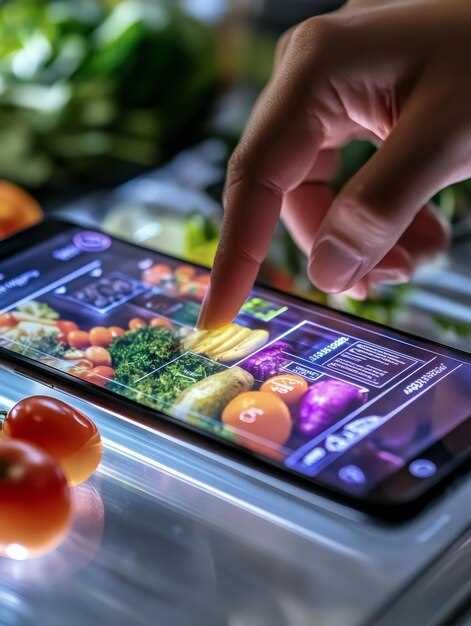 Online Grocery Experience Fueled by Digital Innovations">

Recommendation: Having a robust personalized shopping engine helps you excel in online groceries. By analyzing purchase history and real-time behavior, you tailor lists and promotions, reducing friction and increasing the likelihood that a customer returns for restocking essentials.
Adopting a multi-channel approach–web, mobile app, and smart home devices–drives increased engagement. When stores offer saved carts, predictive replenishment, and voice-assisted search, willingness rises. Data shows shoppers who use saved carts complete purchases up to 30% faster, and add additional items in the final mile.
Fueled by AI and real-time analytics, search becomes personalized and proactive. Visualized product recommendations cut out-of-stock surprises and shorten decision time, with dynamic pricing and time-slot optimization reducing delivery friction by 15–25% across peak periods.
To keep shoppers here, reduce checkout complexity: offer single-click cart actions, guest checkout, and transparent delivery windows. This reduces abandonment by up to 18% and brings back more repeat customer cohorts. A friction-light path helps baskets stay intact and strengthens brand trust.
Invest in additional incentives such as periodical personalized discounts, loyalty streaks, and rapid replenishment for staple goods. Build dashboards that reveal consumer behavior trends, and use those insights to guide assortment and supplier negotiations. The more you listen to themselves and to what customers report about their needs, the better you can scale efficiently and stay competitive in a crowded market.
Automated Checkout Systems in Online Grocery: Practical Insights and Use Cases
Start with a modular automated checkout option like this that scales with volume, integrates with information systems, and can be piloted in busy stores before a wider rollout. Pilot in only a handful of stores first to learn quickly and limit disruption.
Expect time savings of 20-40 seconds per transaction, and in disciplined pilots, time can be cut in half. Labor costs often drop 15-40% as tasks shift to the system. An initial hardware outlay of 5-12k per station plus 100-400 monthly software keeps costs predictable and helps businesses reach payback in 6-12 months.
Use cases include self-checkout for online order pickup in busy locations; curbside or locker checkout to deliver fast service; and artificial intelligence-powered checks to maintain offerings and safeguard price accuracy.
Announced upgrades should be evaluated on how they optimize information flow, reduce misreads, and minimize maintenance. Balance speed and accuracy; ensuring privacy and security; maintaining compatibility with existing systems; and training staff to handle edge cases.
Theyre a practical option for businesses seeking to transform operations, enhancing performance while keeping costs in check. For niche grocers, start with a focused pilot in one category to prove value. This shift is transforming how customers shop online and in-store, delivering smoother checkouts and clearer order information for every step.
Shopper Steps: From Scan to Receipt in an Automated Checkout
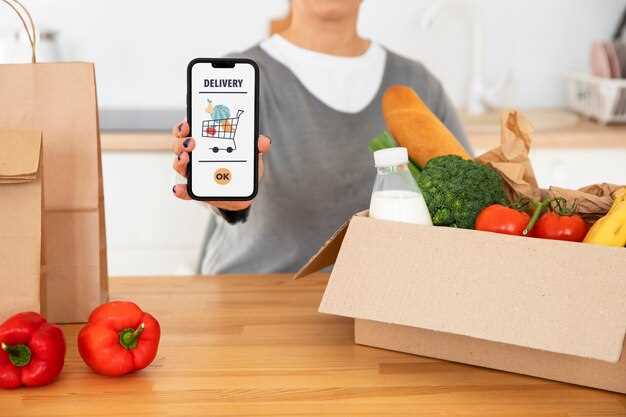
Enable automated checkout with digital receipts to cut wait times by up to 40% and deliver faster, complete purchase records while maintaining ethical data handling. This approach speeds the path from scan to receipt and reinforces shopper confidence in a streamlined, accurate checkout experience.
At entry, items are captured through a mix of barcode scans and app-based identifiers. Technologies such as computer vision, weight sensors, and RFID-enabled carts verify each item, including loose produce, without slowing the line. When a mismatch occurs, the system prompts the shopper to confirm or adjust before proceeding, reducing post-scan corrections by up to 60% in pilots. Data from salsifys helps map barcodes to produce names and category codes, ensuring the receipt reflects accurate produce details.
As items are confirmed, the terminal presents a complete, editable list for review. Shoppers can tap a contactless payment method or use a digital wallet to complete the sale in under a minute in many stores. A receipt is delivered digitally to the shopper’s app, and a report summarizes tax, discounts, and loyalty points, enabling retailers to monitor revenue in real time.
Stores gain speed and accuracy, while markets grow more competitive as data flows transforming inventory and replenishment cycles. The opportunity grows as the system learns from recurring purchases, enabling tighter promotions and smoother stock rotations. The recurring nature of repeat purchases makes loyalty programs more effective when receipts feed future promotions and personalized offers. Ethical handling of data remains essential, with clear opt-ins and transparent retention policies to protect shopper privacy and build trust.
Challenges include occasional scanning errors, network outages, and the need for consistent staff training on new devices. To combat these, provide proactive support and a lightweight troubleshooting guide in the app, and keep hardware refreshed so the experience remains reliable. Delivering a frictionless journey leads to higher satisfaction, more sales, and healthier margins for retailers navigating diverse markets every day. Money saved on labor and waste translates into better value for shoppers and stronger, durable profitability.
heres how this workflow unfolds in practice: shoppers scan items, cameras verify, digital receipts are issued, and data flows to reporting systems that fuel sales analytics and operational efficiency.
Security and Privacy in Automated Lanes: Payment Data, Tokenization, and Compliance
Implement end-to-end encryption and tokenization for all payment lanes by default to minimize storage of real card data and reduce exposure across automated checkouts, curbside deliveries, and locker pickups.
Tokenization substitutes card numbers with non-reversible tokens, making intercepted data unusable for payments. Use a PCI DSS-compliant vault managed by a trusted processor, enforce strict access controls, and ensure tokens traverse only through secure channels between the point of sale, gateway, and backend systems.
Follow the latest PCI DSS requirements (version 4.0) and a risk-based program covering all lanes, with continuous vulnerability scanning, annual attestation, and alignment with privacy laws such as GDPR or CCPA where applicable. Map data flows to show where storage occurs and who can receive data. Payment security is a crucial part of the shopping experience.
Adopt five core practices: data minimization, strong access controls, encryption at rest and in transit, continuous monitoring, and third-party risk management. These focus areas reduce the surface area for breaches while preserving speed and efficiency at the checkout and delivery stages, supporting a sustainable shopping experience.
Store only what is necessary; avoid retaining PANs. Keep tokens in secure vaults backed by hardware security modules (HSMs) and rotate keys; set strict retention windows for receipts and logs based on policy. If card data must be retained, ensure it remains encrypted and tokenized at all times.
Give customers clear choices for data sharing; provide digitally accessible receipts and activity records; allow opt-outs for marketing data and personalized offers. Log consent events and honor revocation promptly to sustain trust across channels during busy shopping periods.
In the supply chain, require partner verification, regular security assessments, and documented data-sharing agreements. Use tokenized data exchanges and API security measures to limit access to what is strictly necessary for deliveries and ongoing operations.
Adopt continuous governance: monitor for anomalies, perform quarterly penetration tests, and train staff to recognize phishing. Over the years, threats have evolved, so review controls at least annually and adapt to evolving threats while keeping the focus on individual privacy and safe operations across chains of deliveries and stores.
Managing Substitutions, Returns, and Price Adjustments at Self-Checkout
Enable real-time intelligent substitutions at self-checkout to minimize delays and waste. The system proposes substitutes when a product is unavailable, using category similarity, brand affinity, price parity, and customer history. This improves efficiency and drives customer satisfaction. Shoppers know these choices reduce friction and keep baskets moving, delivering value for both shoppers and retailers. This drive aligns operations with real-time data, delivering superior efficiency and accuracy.
heres a practical framework to implement and measure these processes across channels.
- Substitutions at self-checkout
- Leverage real-time inventory data to propose substitutes in the same category; include some produce lines and core staples on shelves.
- Use intelligent matching across several attributes: brand, size, nutrition, price parity, and customer preferences. This balance minimizes the chance of a dissatisfying choice.
- Provide additional substitution options for edge cases; theyre accepted by customers when alternatives match produce and price.
- Provide optional substitutes with transparent price parity: display the substitute price and any discounts to keep the basket value evident.
- Offer discounts or loyalty points to encourage acceptances; track acceptance rate and reports to improve rules.
- Support store teams with real-time alerts and guidance to speed decisions.
- المرتجعات عند الدفع الذاتي
- فحص المنتج المرتجع؛ والتحقق من الأهلية حسب فئة المنتج وتاريخ الشراء في الوقت الفعلي؛ وإلغاء الإيصال إذا لزم الأمر وبدء استرداد المبلغ إلى طريقة الدفع الأصلية.
- قدِّم إشعارًا واضحًا على مستوى المنتج إذا تعذَّر إتمام عملية الإرجاع، واقترح الاستبدال بدلًا من ذلك.
- مجرد المسح الضوئي يؤدي إلى تشغيل فحوصات الأهلية ومطالبات رموز الأسباب، التي توجه قرارات التسويق وتقلل المرتجعات المستقبلية.
- التقط أسباب الإرجاع في نموذج سهل الاستخدام لتوجيه قرارات التسويق وتقليل عمليات الإرجاع المستقبلية.
- تعديلات الأسعار والتقارير
- تطبيق تعديلات الأسعار تلقائيًا أثناء الدفع الذاتي عندما يختلف سعر الرف عن السعر الممسوح ضوئيًا؛ ضمان تغيير واضح في السعر في السلة والإيصالات.
- وازن بين مدخرات العملاء والأرباح من خلال تطبيق الخصومات فقط عندما يقع الفرق ضمن الحدود المحددة مسبقًا، وذلك بدعم من قواعد التسعير الذكية.
- قم بتنزيل التقارير اليومية التي تلخص عمليات الاستبدال والإرجاع وتعديلات الأسعار؛ واستخدمها لتحسين المخزون والعروض والترقيات عبر متاجر التجزئة المنافسة.
- التكامل مع محركات التسعير الخارجية وخلاصات الموردين لضمان توافق الخصومات وتحقيق الاتساق عبر القنوات.
- حافظ على سجل تدقيق يتتبع النتائج على مستوى العنصر، بما في ذلك أسباب التعديلات، ومعدلات القبول، والتأثير على قيمة السلة.
تصميم الأجهزة والبرامج والواجهات لمتاجر التجزئة
ابدأ بمجموعة أجهزة معيارية وبرامج مؤتمتة قابلة للتوسع من متجر واحد إلى شبكة متعددة المواقع. اربط توجيه الطلبات ورؤية المخزون وسير عمل الانتقاء في لوحة معلومات واحدة لتقليل المسافة المقطوعة أثناء الانتقاء والتعبئة.
جهز مناطق انتقاء الطلبات بأجهزة لوحية متينة أو أجهزة يمكن ارتداؤها، وماسحات ضوئية للرموز الشريطية، وشاشات مثبتة على السقف لتوجيه الموظفين وإبقاء أعينهم على الخطوة التالية.
صمم برنامجًا بواجهة مستخدم واضحة وسريعة: تحديث حالة الطلب في الوقت الفعلي، وتفاصيل على مستوى العنصر، وإشعارات تقلل من عدد النقرات؛ ودعم تكامل Instacart لمزامنة النوافذ والتوقعات.
يجب أن تأخذ عملية تحسين المسارات في الاعتبار المسافة بين العناصر ومحطات التعبئة، مع تخصيص المهام الديناميكية عبر عدة نوبات عمل.
توفر إشارات الواجهة رؤية داخل مستويات المخزون، ونوافذ الوصول، والتنبيهات الخاصة بالاختلافات؛ وتتضمن شاشة مخصصة لمهام الانتقاء وعرضًا ثانويًا للتجديد.
البيانات والأمان: تنفيذ الوصول المستند إلى الأدوار، ومسارات التدقيق، ومعالجة الطلبات المتكررة لتحقيق الاستقرار في سير العمل.
العوامل التشغيلية: فحص عوامل مثل دقة الالتقاط، والوقت المستغرق في الالتقاط، واستخدام الموارد؛ الربط بالعلامات التجارية ومجموعات المنتجات لضمان وضع العلامات بشكل متسق.
فرص الأتمتة: أتمتة إنشاء الملصقات وتحديثات حافة الرف وتسوية المخزون؛ استخدام مستشعرات إضافية وعربات كهربائية لنقل العناصر بأقل مسافة ممكنة.
سياق سلسلة التوريد: دعم احتياجات الميل الأخير من خلال التكامل مع الشاحنات وخيارات التوصيل الكهربائية؛ ضمان الرؤية عبر القنوات حتى يتمكن عملاؤهم من رؤية التوافر الدقيق ودفع المزيد من التحسينات.
التصميم التطوري: تصميم أنظمة تتطور مع العلامات التجارية والتخطيطات الجديدة؛ الحفاظ على الموارد قليلة باستخدام مكونات قابلة لإعادة الاستخدام وواجهات برمجة تطبيقات معيارية.
نهج تجريبي: إجراء اختبارات في عدة متاجر، وقياس وقت الالتقاط، ومعدلات الخطأ، ودقة الطلبات المتكررة؛ استخدام النتائج لتحسين خيارات الأجهزة وتدفقات الواجهة.
مقاييس عائد الاستثمار والإنتاجية وتجربة العملاء للأتمتة
Recommendation: استهداف الأتمتة في ثلاثة مجالات ذات حجم كبير (المنتجات الطازجة والتخزين ومعالجة الطلبات) لرفع الإنتاجية بنسبة 25-40٪ في غضون 90 يومًا وتأمين فترة استرداد تتراوح بين 9-15 شهرًا تقريبًا. ابدأ بخط أساس يدوي لمدة أسبوعين، ثم انتقل إلى عمليات الالتقاط الآلية وتوجيه الطرود لإثبات التأثير على الأموال التي تم توفيرها ورؤية المخزون. ادفع نحو تحسين الدقة والعمليات الأكثر سلاسة من خلال مواءمة عمليات الالتقاط مع الطلب في الوقت الفعلي.
إطار عمل ROI: بناء نموذج بسيط: النفقات الرأسمالية مقسومة على صافي الوفورات السنوية من العمالة وتقليل الأخطاء ونقص المخزون. في متاجر البقالة المتوسطة الحجم النموذجية، تتراوح النفقات الرأسمالية بين 0.8 و 1.5 مليون دولار لكل منشأة؛ والوفورات السنوية بين 0.4 و 0.8 مليون دولار؛ ويتحقق التدفق النقدي الإيجابي في السنة الأولى عندما تعزز عمليات التسليم الأسرع وتقليل نفاد المخزون الولاء وقيمة الطلب. استخدم معدل خصم متحفظ لحساب صافي القيمة الحالية وحدد الحد الأدنى للعائق بناءً على تحمل المخاطر.
مقاييس الإنتاجية: تتبع الطلبات/الساعة، والصفوف/الساعة، والعناصر الملتقطة/الساعة، والمسافة المقطوعة لكل طلب. استهداف زيادة بنسبة 20-35% في غضون 60-90 يومًا، مع لوحات معلومات في الوقت الفعلي لمقارنة الأداء في أوقات الذروة مقابل أوقات غير الذروة. تخطيط تغييرات في تصميمات التخزين لاكتساب سعة إضافية بنسبة 10-15% في نفس المساحة. ضع في اعتبارك استخدام الدراجات الميل الأخير لعمليات التسليم الصغيرة والحساسة للوقت لتقليل وقت النقل وتحسين مستويات الخدمة.
مقاييس تجربة العملاء: راقب معدل التسليم في الوقت المحدد، ودقة الطلب، وجودة الإنتاج عند الوصول، ورضا العملاء (CSAT)، وصافي نقاط الترويج (NPS). التقط ما يهم العملاء من خلال استطلاعات سريعة بعد التسليم؛ حدد المشاكل التي تواجه العملاء وجهًا لوجه وبطء حل المشكلات، ثم عالجها عن طريق الاستبدال أو استرداد الأموال المرتبطة بالخصومات أو الاعتمادات. حدد الأهداف: في الوقت المحدد > 98٪، الدقة > 99.5٪، رضا العملاء (CSAT) يرتفع بمعدل 4-6 نقاط في 3 أشهر؛ تتبع المبالغ المستردة كمؤشر رئيسي للفجوات المراد إصلاحها.
الرؤية وجودة البيانات: دمج نظام إدارة الطلبات (OMS) / نظام إدارة المستودعات (WMS) مع طبقة بيانات مركزية لإعطاء رؤية في الوقت الفعلي للمخزون وظروف التخزين والحركة المادية. استخدام التوجيه الذكي لتقليل المناولة وتقصير المدة الزمنية للدورة. توفير لوحات معلومات Excel يمكن للفرق قراءتها في لمحة؛ الاستمرار في التحلي بالرغبة في التعلم وتعديل العمليات. إظهار للموظفين كيف تقلل الأتمتة المهام المتكررة مع تحسين جودة الوظيفة وزيادة المشاركة.
Next steps: أجرِ تجربةً رائدة في منطقتين، وقِس النتائج، ووسِّع نطاقها لتشمل مناطق إضافية. توافق مع التعبئة والتغليف، وأجرِ فحوصات جودة الإنتاج، وتأكد من اتصال مجموعة التقنيات بالأنظمة القائمة. استخدم الخصومات أو الاعتمادات للتحقق من صحة التأثير على العملاء والحفاظ على الحافز لدى جميع الفرق.