


 العربية
  English (UK)
  Русский
  日本語
日本語  한국어
한국어  Magyar
  Türkçe
  Español
  Čeština
  Svenska
  Português
  Ελληνικά
  Suomi
Suomi  Nederlands
  Română
  Italiano
  Français
  Polski
  Українська
  Deutsch
  简体中文
简体中文  Slovenčina
  Self-Driving Trucks Threaten America’s Top Blue-Collar Job – Truck Drivers in Focus">

Plan a phased transition now: enroll in retraining that blends driving skills with safety tech, data literacy, and freight operations so youre ready for both current and emerging roles. Youre not waiting for a single breakthrough; youre building a skill set that aligns with how carriers use software, maps, and real-time routing to keep customers satisfied while managing costs.
Current projections show autonomous trucks improving viability on long hauls, but the real impact depends on the viability of remote monitoring, rescue operations, and on-ramp services. There are still obstacles on roadways: weather, debris, and mixed traffic, which means conventional trucking remains essential in last-mile delivery. according to authorities, about 1.9 million Americans work as truck drivers; the primary concern for workers is a staged decline rather than an instant replacement, framing a need for retraining and safer handoffs trained personnel can manage.
For companys, the idea is simple: use systems designed to pair automated technology with human oversight to boost safety and reliability. A practical plan couldnt rely on mass layoffs; instead, create a ladder of roles: shift supervisors, route planners, software QA, maintenance techs. Use maps and sensors to guide trucks, while drivers focus on loading, customer handoffs, and on-site risk assessment. Sometimes the switch is slower than the hype, but the gains come from disciplined integration rather than a whatever approach.
As regulations and employers respond, you have to react with information and options. the current path prioritizes safety, data sharing, and driver retraining. according to labor data, the trucking sector remains a core employer in manufacturing and distribution; the variation by state matters for road safety funding, rest-area access, and local demand. the primary value for workers is versatility: you can stay near your home terminal or relocate to a hub where automated fleets and conventional trucks operate side by side, whatever level of autonomy is deployed in your area.
What steps should you take next? Build a portfolio that shows your viability across tasks: cargo security, route efficiency, loading, and safety checks. Start with hands-on practice in a controlled dispatch environment and use maps to verify routes, load times, and rest breaks. If you misunderstand the idea behind automation, you could overestimate the risk; instead, learn to react quickly to anomalies and maintain clear communication with customers, youve got to show reliability wherever you work.
Plan for an Informational Feature
Launch a two-track informational feature that quantifies risk and opportunity and lays out concrete steps for workers. The plan centers on three goals: map the current job landscape, show how automation could play out here, and provide practical actions for drivers, fleets, and communities.
These metrics should include the primary share of freight ton-miles moved by trucks, which is large; roughly 80% of domestic freight ton-miles go by truck, while railroad handles long-haul bulk shipments and intermodal transfers. The last mile to homes relies on trucks, linking consumer access to the economics of the road. Without a plan, automation could suck opportunities from workers and communities.
Inside the feature, structure sections that drive clarity: first, who drives the freight economy today and the درجة of training usually required; second, how the electronics stack in modern trucks affects reliability and cost; and third, where inequality shows up in pay and access, mainly for regional drivers and those in communities near large fleets. Adoption is slower in rural areas and inner-city corridors, but comparatively, urban routes show faster pilots.
These plans also apply to policy and corporate actions. For drivers facing a transition, post-automation plans should include wage smoothing, retraining stipends, and local job placement support. Employers should shoulder part of the burden by offering paid training, clearer ladders to higher skills in the cab, maintenance, and control systems.
To give readers a concrete path, include post-automation scenarios mapping how different regions will fare and what communities can do to stay resilient. If a state wants to reduce inequality, it can fund plans for upskilling, support small carriers, and invest in railroad-linked intermodal hubs that complement truck routes. These steps also apply to large fleets that operate in and around homes, which should focus on creating opportunities for willing workers. The post shows a practical timeline; as these trends came into sharper focus, switkes in governance and safety models should be tracked. Facing these shifts, communities can adapt by prioritizing local hiring, safety, and transparent transition steps.
What is the current readiness and near-term deployment timeline for autonomous trucks?
Recommendation: Begin a phased rollout that leaves room for human supervision, starting with geofenced, high-traffic corridors for haul trucks and smaller regional routes, allowing two tracks: automated capability to operate with a safety driver and remote oversight for post-approval analysis. Executives should refine the concept, cap upfront spend, and measure progress in warehouses and construction zones to solve the most common failure modes and build a data-driven case for broader deployment.
Current readiness exists as a mix of ADAS features and limited autonomous stacks. Commercial packages deliver lane keeping and adaptive cruise, but true level-4 autonomy remains restricted to pilots with human supervisors. A handful of field tests show trucks can move freight on selected corridors across rivers and urban edges, yet the practice still requires sensors, back-end compute, and remote support to prevent incidents. Typical deployments exist with multi-million dollar per-vehicle investments for hardware, software, and maintenance, and miles driven per vehicle remain far from scale.
Near-term deployment timeline centers on controlled pilots expanding into warehouses and regional haul lanes. Within 12-24 months, expect more commercial runs with a safety driver onboard and remote operators ready to intervene, focusing on typical routes with predictable traffic. A few programs will extend into cross-river corridors where economies of scale justify investment, and the industry will publish advertisement to share results. The analysis shows a clear cost-and-safety signal when trucks operate with guardrails and data-sharing across fleets, with reduced downtime and a potential multi-million savings over time.
Key factors for success: maintain rigorous testing, require transparent post-implementation analysis, and avoid overpromising. A main factor is sensor height, redundancy, and reliability, which affect tolerance by fleets and drivers. If policy lags, progress doesnt stall; otherwise, the pace accelerates as operators take on more routine tasks and focus on exceptions. This really helps reduce the burden on drivers and allows networks to handle peak volumes, including rivers crossings and heavy construction seasons, without bother from speculative hype.
How will driver livelihoods, hours, and job security be affected in the near term?
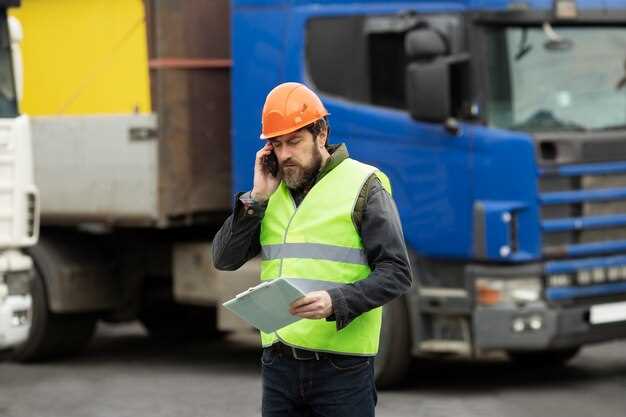
Implement a targeted transition plan now: preserve essential driving roles for at least 12–18 months while retraining workers into grade roles such as dispatch, safety lead, and maintenance supervisor. In the near term, americas drivers will see hours shift rather than vanish; some corridors favor longer on-duty blocks, others require more on-site monitoring while autonomously operated units run faster and straighter with fewer bends. This path requires fair wage protections so drivers wouldnt face abrupt losses, and it maintains a robust storage and services footprint to handle loading, unloading and stock. Among the most important moves is aligning software and robotics investments with real job paths rather than hype; the result helps workers stay closely connected to freight, customers, and safe operations. Anything else that threatens income should be addressed with transparent planning and robust training options.
Policy and industry leadership must intervene to guard livelihoods: intervention should require clear transition timelines, prevent illegal cuts, and deter forced relocations. Carriers should offer retraining stipends, retained wages for a defined period, and guaranteed hours during the first six to twelve months of the transition. This approach helps americas workers, avoids unpredictable shifts, and keeps freight moving for customers. Opportunities in storage, loading, and terminal services will grow as fleets deploy automation at scale, creating demand for technicians who diagnose software, calibrate sensors, and maintain robotics hardware. The amounts invested in on-site support, cyber hygiene, and maintenance are as important as the trucks themselves.
What drivers can do now: pursue quick upskilling in software diagnostics, safety intervention, and robotics maintenance; look for employer-approved training that leads to grade roles. Build a professional network with dispatchers, maintenance teams, and terminal managers; document hours, earnings, and training progress to show value during transition. Reducing dependence on a single route by diversifying to regional and terminal shuttles increases job security and can provide safer, steadier income. If we measure success by service continuity, the path includes faster problem solving at the depot, smarter loading strategies, and better scheduling that cut ludicrous downtimes. This plan helps ensure that driver livelihoods endure and that anything in the system that threatens stability is addressed quickly.
What retraining options, funding, and safety standards should policymakers pursue?
Fund a fully funded retraining program for current freight workers within the next year, pairing classroom study with simulator labs, remote learning, and hours in a vetted pilot. This approach reduces income drop and accelerates a move into three tracks: repair and maintenance, safety operations and remote oversight, and dispatch coordination.
Training should address critical distances and braking response times, with realistic scenarios that cover hard urban corridors and extreme highway segments. Assessments rely on photos and hands-on tasks, tracked in a pack of modules delivered through local centers in towns large and small. Programs should align with safety benchmarks from toyota and volvo, embedding cab cameras, automatic braking, and remote supervision to keep drivers safe through the transition.
Youd see faster qualification when funding supports paid time during retraining, wage supplements for up to 18 months, and support for travel and child care to remove barriers. Sources from DOT, NHTSA, and industry labs confirm that quiet, steady funding reduces churn and boosts completion rates, creating incredible value in reduced crash risk and higher productivity across freight corridors.
To prevent a drop in morale or skill, require a standards framework that pairs accredited instructors with real-world mentors, and uses a transparent evaluation process. The framework should mandate standardized hours, a uniform set of braking and sensor tests, and quarterly updates based on expert feedback from fleet owners, drivers, and safety authorities. It also needs to give towns a fair share so remote workers can access training without long commutes, and to avoid concentrating risk above a few centers.
The plan should emphasize leadership from public agencies and industry partners, with a clear path for progression from entry roles to senior safety managers or dispatch supervisors. It must be designed to work through existing networks and provide a reliable pipeline for freight, so a single bad policy does not disrupt service or force hard cuts in service. The outcome should be safer drive experiences and a more resilient supply chain, with measurable gains in braking reliability, reaction times, and fault reporting across miles of road, including distant rural routes and dense urban areas.
Pilot programs should start in 10 towns, expand to 50 institutions, and use cameras and remote monitoring to track outcomes. The evaluation should include specific metrics such as average hours logged in training, reductions in stopping distances, and improvements in load-handling safety. Public reports must cite credible sources and show how policy choices influence stock prices, corporate risk, and community safety, while avoiding overreliance on private capital or billionaire-led initiatives.
| الخيار | ||
|---|---|---|
| إعادة التدريب ثلاثي المسارات (الصيانة، عمليات السلامة، الإرسال) | منح فيدرالية + مطابقة من الدولة؛ مساهمات أصحاب العمل | تأهيل أسرع، ومجموعات مهارات أوسع، وحركة شحن أكثر أمانًا |
| تكامل تكنولوجيا السلامة (الكاميرات، والكبح، والإشراف عن بعد) | الحوافز التنظيمية؛ إعانات الدعم لمقدمي الخدمات | أوقات استجابة محسّنة؛ أميال أكثر أمانًا في جميع الأحوال الجوية |
| برامج تجريبية في 10 مدن | أموال عامة باستثمار محلي مشترك | بيانات واضحة حول المسافات والساعات والنتائج؛ نموذج قابل للتطوير |
ماذا تقول نقابات السائقين ومجتمعاتهم، وكيف يمكنهم الاستجابة؟
ابدأ بتشكيل تحالف إقليمي من السائقين والسكان المحليين والأسطول الصغيرة لتأمين أجور معيشية، وطرق متوقعة، وفترات راحة أكثر أمانًا. استخدم بيانات المنطقة حول تدفقات الشحن لتأطير المطالب؛ الفرق بين الشكاوى المعزولة والموقف الموحد هو النفوذ. تغطي خطة التمويل هذه التنظيم، والدعم القانوني، والتدريب. يبدأ التحول الذي استمر عقدًا من الزمن نحو الأتمتة بمشاريع تجريبية في الممرات الرئيسية، ولكن معظم الشحن لا يزال يعتمد على السائقين البشريين على المدى القريب، وتتوقع المجتمعات اتباع نهج يتمحور حول الإنسان. أولئك الذين يشاركون يحصلون على قوة حقيقية، في حين أن أولئك الذين يبقون على الهامش يرون مكاسب أبطأ.
تقول النقابات والمجتمعات للأعضاء أن السلامة والكرامة والقدرة على التنبؤ يجب أن تصاحب أي خطة أتمتة. إنهم يدفعون من أجل إعادة التدريب المستمر والمساعدة في التوظيف والصناديق الانتقالية إذا انتقل السائقون إلى أدوار الصيانة أو التخطيط اللوجستي أو الإشرافية. إنهم يطالبون باختبارات شفافة في المناطق التي تخضع لإشراف محلي، وتبادل البيانات، والحق في رفض عمليات النشر التي تعرض المنازل للخطر. وهذا يعني من الناحية العملية عمليات تقديم على مراحل، وليس استبدال بالجملة، والإصرار على الأساطيل الكهربائية فقط عندما تستطيع طاقة الشحن والصيانة تلبية الطلب.
يمكن للمجتمعات الاستجابة بخطوات ملموسة: تشكيل تمويل للمساعدة المتبادلة، والشراكة مع المدارس لتدريب السائقين، والضغط على المسؤولين التنفيذيين لتمويل تطوير الممرات. في المجال التكنولوجي، حافظوا على فرق واضح بين بدايات الأتمتة وحماية القوى العاملة الحقيقية. تركز الفرق التنفيذية التي تقف وراء الشحن الآلي على الأسهم والعائدات؛ بينما ترد النقابات بمقاييس تركز على العامل أولاً: الأجر بالساعة، والمزايا، والمكانة في أي بيع لنظام جديد. وهم يصرون على التجارب الرائدة المفتوحة، وخطة منشورة تحمي العاملين على الطريق، ومعالم واضحة تحدد المواقع التي يكون فيها التشغيل الآلي منطقيًا.
ينبغي أن تدعم الشراكات التقنية وشراكات البيانات السائقين بدلًا من أن تحل محلهم. يمكن للوحات معلومات Google تتبع فترات الراحة وسلامة الطريق؛ ويذكرنا عمل Otto في مراحله الأولى في مجال الشاحنات ذاتية القيادة بالحاجة إلى مدخلات السائقين في أي عملية طرح. يجب أن تتضمن هذه البرامج أصواتًا من المالكين المشغلين والأساطيل الصغيرة والسكان المحليين. يمكن أن تساعد Uber والمنصات الأخرى في تنسيق عمليات انتقال غير مزعزعة مع ضمان حصول السائقين على فرص تدريب وحصة من القيمة التي تم إنشاؤها.
لتحويل الحديث إلى نتائج، انشر خطة مشتركة بمعالم مرحلية؛ وأنشئ صناديق توظيف وإعادة تدريب محلية؛ وطالب بالشفافية من الأساطيل حول التجارب الآلية؛ وادفع باتجاه إنشاء مراكز لشحن الشاحنات الكهربائية في المستودعات؛ وقم ببناء قصص عامة عن عمل السائقين في شكل ألبومات، وليس اقتباسات عامة. تحافظ هذه الإجراءات على وعي الجمهور وتجعل المسؤوليات واضحة، مع معالجة التوقعات بأن قطاع الشحن لا يزال منطقة عمل حقيقية، وليس مجرد خلفية سلبية للضجيج الدعائي.
كيف يؤثر اعتقال Linehan الثاني على مناقشات قانون الكلام عبر الإنترنت في المملكة المتحدة والتغطية الإعلامية العابرة للحدود؟
توصية: ضعوا الاعتقال في إطار نقطة بيانات حقيقية للدفع نحو إطار عمل يستهدف خطاب الإنترنت ويعاقب الضرر الحقيقي مع الحفاظ على النشر والنقاش المشروعين. هذا يوضح النية، ويقلل من التجاوز المفرط، ويحافظ على تركيز المحادثات على السلامة دون تجميد النقاش.
في مناقشات المملكة المتّحدة، يغيّر الاعتقال الثاني محور الاهتمام من المبادئ المجرّدة إلى الحالات الملموسة، ممّا يجعل المناقشات حول المخاطر عبر الإنترنت أكثر واقعيّة. ومن خلال التحليل المتأنّي، يستطيع صنّاع السياسات التمييز بين الحالات التي يساهم فيها الكلام في التّحرش وبين المناقشات الأوسع التي تغذي الحياة العامّة. يبدو أنّ سرد ما بعد الحدث يتوقف على كيفية تعريف المدّعين العامّين للأذى، وما إذا كانت القنوات مسؤولة، وكيف تستجيب المنصّات دون قمع التعليقات العادلة. إنّهم يريدون معايير واضحة، لا وعودًا غامضة، وسيقرأ القرّاء ما ينشره المسؤولون وكيف يلخّص المحرّرون القضيّة. هذا يقود إلى محادثة أكثر ترويًا على مستوى البلاد تتجنّب التأطير المضلّل والمثير وتحافظ على التركيز على النتائج.
تتبع التغطية الإعلامية العابرة للحدود نمطًا مماثلًا. تقارن المنافذ البريطانية بهدوء سطورًا من التقارير الأمريكية بمعاييرها الخاصة، ثم تختبر ما يحدث عندما تضرب قضية مماثلة قناة التغطية الإعلامية عبر الوطنية. يمكن أن تصبح العناوين صارخة وعملاقة في نطاقها، لكن المحررين المسؤولين يسعون إلى الدقة أولاً، والتحقق من التصريحات الرسمية وقراءة ملفات المحكمة حيثما أمكن ذلك. يمكن أن يؤثر الإجراء المتخذ في بلد ما على كيفية سرد القصص في أماكن أخرى، وتؤثر هذه الديناميكية على التكلفة والمخاطر ونبرة التغطية في كلا الاتجاهين. عندما يتعلق الأمر باعتقال ثانٍ، تميل التغطية إلى الانتقال من المقالات الافتتاحية القياسية إلى الشروح المتعمقة التي ترسم خرائط العتبات القانونية وواجبات المنصات وثغرات الإنفاذ التي تهم سائقي الشاحنات والنقابات ومستخدمي الطرق على حد سواء.
بالنسبة للمنصات والهيئات التنظيمية، يسلط هذا الاعتقال الضوء على ثلاث ديناميكيات عملية. أولاً، يساعد الوضوح بشأن النية والضرر في الحد من التصويرات المضللة التي تحرف التصور العام. ثانيًا، تتطلب التغطية العابرة للحدود وضع علامات متسقة على المحتوى الذي يعتبر خطابًا محميًا مقابل التحريض أو المضايقة. ثالثًا، يجب أن تكون قرارات الإنفاذ شفافة ومتناسبة، بحيث يفهم المستخدمون والقراء سبب تقييد منشور أو السماح به. هذا مهم للأشخاص الذين يتعرضون لتدفقات معلومات غزيرة، بمن فيهم أولئك الذين يتابعون مناقشات السلامة المرورية أو أبحاث الإرهاق، حيث يمكن أن تؤدي القراءات الخاطئة إلى تضخيم الخوف أو الإرهاق في أذهان الجمهور.
لتفعيل هذه الرؤى، ضع في اعتبارك الخطوات التالية:
- مواءمة السياسات: نشر دليل موجز يفصل بين النقاش القانوني والسلوك الضار، مع أمثلة تغطي مناقشات ما بعد المنشور حول السلامة على الطرق والإرهاق والنشاط النقابي.
- الشفافية: توفير ملخصات قصيرة وسهلة لفهم أي قرارات إنفاذية، بما في ذلك المعايير المستخدمة والمصادر التي تم الرجوع إليها.
- التوافق عبر الحدود: التنسيق مع النظراء الأوروبيين والأمريكيين لتوحيد المصطلحات المتعلقة بما يشكل تحريضًا أو مضايقة أو تضليلًا في الحالات المماثلة.
- توجيهات للإعلاميين: على المحررين قراءة الملخصات الرسمية ووثائق المحكمة قبل الكتابة؛ وتجنب التأطير المثير الذي يبالغ في المخاطر أو يضلل القراء.
- محو الأمية العامة: تقديم شروحات تحدد الحدود القانونية للمحادثات اليومية حول سائقي الشاحنات والطرق والإرهاق والسلامة، حتى يتمكن القراء من تمييز الأهداف السياسية عن الخطابات الحزبية.
إلى جانب آليات السياسة، تؤكد هذه الواقعة كيف تمس المناقشات المتعلقة بالخطاب عبر الإنترنت الحياة اليومية. يمتد النقاش إلى سيناريوهات واقعية، بما في ذلك كيفية تأثير التعليقات المنشورة على محادثات العمل، والمراقبة الأمنية، وثقة الجمهور في وسائل الإعلام. يريد الناس أن يعرفوا ما هو مسموح به، وما الذي يتجاوز الحدود، ومن يتحمل التكلفة عند تصاعد الحالات. في هذا السياق، يمكن اعتبار الاعتقال بمثابة إشارة إلى أن الدولة مستعدة لفرض الحدود، ولكن لا ينبغي أن يعرقل ذلك المناقشة المدروسة حول التكنولوجيا، والحياة العملية، ومستقبل النقل. إنهم بحاجة إلى نهج متوازن يحمي السلامة مع الحفاظ على القنوات مفتوحة لإجراء محادثات مهمة حول الإرهاق وظروف العمل وتطور اهتمامات سائقي الشاحنات.
في نهاية المطاف، سيستمر النقاش من خلال التقارير المستمرة ومسودات السياسات وتعليقات الصناعة. يجب أن يتوقع القراء إجراءات معتدلة إلى حد ما، تستند إلى أدلة واقعية، ومصممة لمنع الضرر دون إسكات التعليقات المشروعة. مهما كانت النتيجة، ستستمر مناقشات قانون الخطاب على الإنترنت في المملكة المتحدة في تشكيل التغطية الإعلامية العابرة للحدود، وتوجيه كيفية الحديث عن القضايا الواقعية - مثل إرهاق سائقي الشاحنات والسلامة على الطرق والتمثيل النقابي وسرعة الأتمتة - في بلد ترتبط فيه الحياة على الطرق بالعالم الرقمي وبالقصص التي تنتقل عبر الحدود. نعم، يظل النقاش حيويًا مع انتقال التغطية - من الانطباعات الأولية إلى التحليل التفصيلي - بينما يعمل المحررون والقراء على فهم ما بين السطور وفهم ما سيحدث بعد ذلك.