


 العربية
  English (UK)
  Русский
  日本語
日本語  한국어
한국어  Magyar
  Türkçe
  Español
  Čeština
  Svenska
  Português
  Ελληνικά
  Suomi
Suomi  Nederlands
  Română
  Italiano
  Français
  Polski
  Українська
  Deutsch
  简体中文
简体中文  Slovenčina
  أفضل الاستراتيجيات لتعزيز استدامة سلسلة التوريد">

تبني خارطة طريق متوافقة مع توجيه الإبلاغ عن استدامة الشركات (CSRD) في غضون 90 يومًا. لخفض الانبعاثات التي تحقق تحسينات ملموسة وتعزز loyalty عبر العملاء والموردين. اربط هذا بـ annual جدول أعمال الاستدامة ووضع specific مؤشرات الأداء الرئيسية (KPIs) لانبعاثات النطاق 1-3، واستخدام الطاقة والمياه، وإدارة النفايات.
استخدام الخوارزميات التنبؤية لتوقّع الطلب وتحسين المخزون، ممّا يقلّل حالات نفاد المخزون ويقلّل من هدر البضائع المشتراة. هذا easier يساعد هذا النهج فرق المشتريات والخدمات اللوجستية والتصنيع على تحقيق تحسينات ملموسة في الخدمة.
تنويع الموردين لتقليل المخاطر وتحسين environmentally عمليات سليمة. تضمين موردين متنوعين في تقارير المسؤولية الاجتماعية للشركات وإلزامهم بنشر بيانات حول الانبعاثات واستخدام المياه. بناء ترايد بيوند شبكات لتوحيد المسارات وخفض الانبعاثات مع تلبية جدول الأعمال.
حَوْكَمَة ترتبط بالغرامات من خلال تطبيق المراقبة الآلية للامتثال وعمليات تدقيق الموردين. الهدف lower خفض الغرامات بنسبة 20-30% على أساس سنوي من خلال إشعارات المخاطر الاستباقية ولوحات المعلومات في الوقت الفعلي في annual تقرير.
إشراك الزملاء من خلال مشاركة البيانات بشفافية، ووضع معايير مرجعية، وخطط التحسين التعاونية. وربط الحوافز بأهداف الاستدامة، ومكافأة الموردين الذين يستوفون باستمرار المعايير البيئية في جميع عمليات الشراء.
إجراءات عملية لتقليل البصمة مع التحكم في التكاليف
تدقيق إنفاق الموردين وتدعيم قاعدة الموردين لخفض الإنفاق بنسبة 12-18% مع الحفاظ على مستويات الخدمة. رسم خريطة للإنفاق حسب الفئة، وجمع البيانات المتعلقة بالانبعاثات، والتفاوض على خصومات الكميات الكبيرة. يؤدي هذا النهج إلى خفض الانبعاثات والنفايات عند دمجه مع تحسين المسارات وتغييرات التعبئة والتغليف. استهداف نافذة تنفيذ تتراوح من 6 إلى 12 شهرًا لتحقيق مكاسب سريعة وتحديد مراجعات ربع سنوية لتتبع التقدم.
تبني نهج دورة حياة للمشتريات: قم بتضمين اختيار الموردين، والخدمات اللوجستية، والتعامل مع نهاية العمر الافتراضي، وقرارات تصميم المنتج في عملية اتخاذ القرار. قم بإشراك المشتريات والعمليات في فريق متعدد الوظائف لتتبع كل عملية وجمع البيانات من الموردين. الاستفادة من البيانات لتحديد فرص لخفض كثافة الطاقة والمياه والمواد.
حسّن الاستفادة من الأتمتة لتقليل الخطوات اليدوية وتقصير دورات العمل وخفض الإنفاق على الطاقة. قم بأتمتة الفواتير وتخطيط الطلب وتحسين المسار لخفض تكاليف التشغيل بنسبة 15-25٪ في السنة الأولى. استخدم وسائل مثل بطاقات أداء الموردين وتحليلات الإنفاق وسير عمل العقود الآلي لتسريع اتخاذ القرارات. تأكد من جمع البيانات عبر الشبكة لدعم التحسينات المستمرة.
الشمول والمنظمات غير الحكومية: توسيع قاعدة الموردين لتشمل كيانات متنوعة، بما في ذلك المنظمات غير الحكومية التي تقدم برامج بتكاليف أقل وتأثير اجتماعي أعلى. تعزز هذه الخطوة المرونة وتفتح الوصول إلى الحلول المحلية. يساعد تعزيز التعاون مع المنظمات المجتمعية في دفع الممارسات المستدامة جنبًا إلى جنب مع الموردين.
نهاية العمر الافتراضي والتدوير: التصميم لنهاية العمر الافتراضي، وجمع المواد القابلة لإعادة التدوير، وتعزيز إعادة الاستخدام طوال دورة حياة المنتجات. إنشاء مؤهل بسيط لمعالجة نهاية العمر الافتراضي وتحديد معالم للسلع المشتراة للتحول نحو المحتوى المعاد تدويره. يؤدي هذا إلى تقليل النفايات في مدافن النفايات واستخراج المواد على مدار عامين.
الاستخراج واختيارات المواد: تفضيل الموردين الذين يفصحون عن الآثار البيئية للمواد واختيار بدائل ذات طاقة كامنة أقل. ضع قائمة مختصرة بالمواد ذات أقل أثر بيئي للاستخراج وتتبع الوفورات في الانبعاثات واستخدام المياه. وهذا يعني إجراء تقييم منضبط خلال مراحل اختيار الموردين وتصميم المنتجات.
الخطوات التالية والحوكمة: تحديد أولويات واضحة، وتعيين مسؤولين، وجمع مؤشرات الأداء الرئيسية أسبوعيًا. إذا أظهر مورد تقاعسًا عن العمل، فانتقل إلى بدائل ذات أداء أفضل. حافظ على التركيز على أهداف دورة الحياة عبر السلسلة الكاملة.
| الإجراء | Owner | Timeframe | التأثير | Resources |
|---|---|---|---|---|
| تدقيق وتوحيد إنفاق الموردين. | Sourcing Lead | 0–6 months | تخفيضات في الإنفاق بنسبة 12-18%، مع الحفاظ على مستوى الخدمة | تحليلات الإنفاق، قوالب العقود |
| تحسين المسارات وتغييرات التعبئة والتغليف | Logistics Manager | 6–12 months | تخفيضات تتراوح بين 10 و20٪ في انبعاثات غازات الاحتباس الحراري ومخلفات التعبئة والتغليف | برامج تحسين المسارات، إعادة تصميم التعبئة والتغليف |
| أتمتة عملية الشراء | قائد التحول الرقمي | 6–12 months | تخفيضات في تكاليف التشغيل بنسبة 15-25% | منصة الأتمتة، مهام العمل المتعاقد عليها |
| برنامج التوريد الشامل | مدير المسؤولية الاجتماعية للشركات/المشتريات | 12 months | اكتساب المرونة وتحقيق الكفاءة في التكاليف من خلال موردين متنوعين | ميزانية تطوير الموردين، الإعداد |
| برنامج نهاية العمر وإعادة التدوير | Sustainability Lead | 12–24 months | تقليل النفايات، وزيادة المحتوى المعاد تدويره | عقود إعادة التدوير، وبرامج الاسترجاع |
وضع مقاييس وأهداف واضحة للكربون الصادر من الموردين
تحديد خط أساس لانبعاثات كل مورد عبر النطاقات من 1 إلى 3 باستخدام بروتوكولات جمع بيانات منظمة واستبيان ربع سنوي؛ ومراقبة التقدم المحرز ومشاركة النتائج مع العملاء.
ضع أهدافًا متزايدة حسب المورد والفئة، ترتكز على خط الأساس وتتماشى مع الأساليب العلمية؛ وادمجها في عقود الشراء وراجعها سنويًا مع تحديد معالم واضحة.
معالجة انبعاثات السفر والتنقل صراحةً: اشتراط بيانات لسفر العمل وتنقل الموظفين في النطاق 3، وتقديم أدوات حاسبة اختيارية للموردين لتقدير هذه التأثيرات.
تبني مقاييس شاملة تغطي استخدام الطاقة واللوجستيات وتأثيرات دورة حياة المنتج؛ مع مراعاة قدرات الموردين، والمطالبة بفحوصات لجودة البيانات ووضع عتبات مراقبة لتفعيل الإجراءات التصحيحية.
For a partner like spinnova, tailor metrics to material choices and manufacturing routes; define data sharing rights, and provide training to suppliers to increase informed decision-making.
Governance and incentives: appoint a sustainability owner for each supplier, set a quarterly review cadence, publish structured dashboards and anonymized summaries to customers, and link contract terms to demonstrated progress.
Require Transparent Carbon Disclosure and Regular Audits
Publish annual, externally verified carbon disclosures for your company, aligned with the TCFD framework and the GHG Protocol, and require independent audits to validate data accuracy and methodologies. This practice establishes trust with customers and communities and enables achieving measurable progress over time.
Adopt a comprehensive disclosure scope, covering Scopes 1, 2, and 3 with facility- and product-level detail. For plastics-heavy packaging, include upstream resin suppliers, downstream packaging, and end-of-life management. Build a data route that captures energy use, emissions factors, and process efficiencies, and assess data quality at least quarterly. Use clear indicators such as CO2e per unit, energy intensity (MJ per unit), and share of renewable energy to benchmark performance, while documenting calculation methods and materiality thresholds for internal alignment, including how data is reconciled across sites.
Implement annual, independent audits to verify disclosed figures and control processes. Require suppliers to submit emissions data and governance evidence, and verify a representative sample with dedicated professionals in procurement and sustainability. Audits should assess data governance, calculations, data systems, and compliance with relevant standards (ISO 14064-3, CDP questionnaires). Use findings to drive internal improvements and to guide actions with a concrete corrective action plan.
Encourage robust scenario analyses to evaluate potential impacts under 1.5°C and 2°C warming, including supply disruptions, price volatility, and health risks to workers. Link results to decision-making, guiding capital allocation, supplier development, and risk mitigation. Present publicly relevant indicators and scenario outcomes to customers, investors, and community partners to demonstrate progress and accountability, positively affecting trust and brand health.
Actions for teams: appoint a disclosure owner who coordinates across functions; align data systems across internally coordinated units; integrate supplier disclosures into onboarding and ongoing supplier management; set measurable annual targets and publish them in sustainability reports; train professionals across finance, operations, and procurement to ensure compliant data handling; maintain a transparent documentation trail to support external audits and internal accountability.
Redesign Transportation Network to Cut Distances and Emissions
Start by mapping the current network across all facilities, carriers, and routes, then identify the top 20% of corridors that drive the majority of mileage. Redesign these corridors to compress distances by 15-25% and shift to regional hubs within 150-300 km of key demand clusters to cut fuel use and emissions in the first year. This approach builds directly toward your vision of a leaner, lower-emission network.
Steps include establishing regional hubs within 150-300 km of core markets, co-locating warehousing and cross-dock services, and reorganizing lanes so most shipments move through a single consolidated route instead of multiple hops.
Labor shifts demand new job profiles: hub operators, data-driven planners, and dock validators. Invest in training for cross-docking, safety, and equipment handling to shorten cycle times and reduce idle labor costs.
Internally track progress with a unified traceability system that records route, carrier, mode, weight, distance, and emissions per shipment. Use real-time dashboards to detect deviations and trigger corrective actions within 24 hours.
Penalties deter avoidable detours and underutilized capacity, while service-level penalties push carriers to adhere to preferred corridors. Pair penalties with incentives for routes that achieve target mile reductions and emissions per tonne-km.
Adopt a holistic view of the whole network that weighs fleet mix, modal transitions, and last-mile constraints. The built model includes third-party services and is validated through pilot runs before scale.
Define indicators such as average distance per shipment, CO2e per tonne-km, and on-time delivery rate; publish a monthly report to leadership and key partners to drive accountability and continuous improvement.
Strategies address challenges like capacity constraints, regulatory gaps, and seasonal spikes by reserving capacity in advance, diversifying carriers, and using dynamic routing software. Establishing collaboration with suppliers and forwarders to share demand signals reduces empty miles.
Throughout implementation, establish a cross-functional governance team and adopt the lksg data-exchange standard to ensure consistent data across systems, warehouses, and carriers. This alignment reduces data latency and builds trust with partners.
Achieving the sustainability vision requires clear actions and a roadmap that promotes transparency, accountability, and continuous learning. Communicate milestones to teams, customers, and regulators, and link incentives to performance against the defined indicators.
Better outcomes materialize as 10-20% fewer miles, 5-15% lower fuel burn, and improved service levels within 12 months. Track progress with a quarterly report, adjust routes, and scale successful pilots across regions to sustain gains.
Localize Sourcing or Nearshore Key Suppliers to Shorten Lead Times
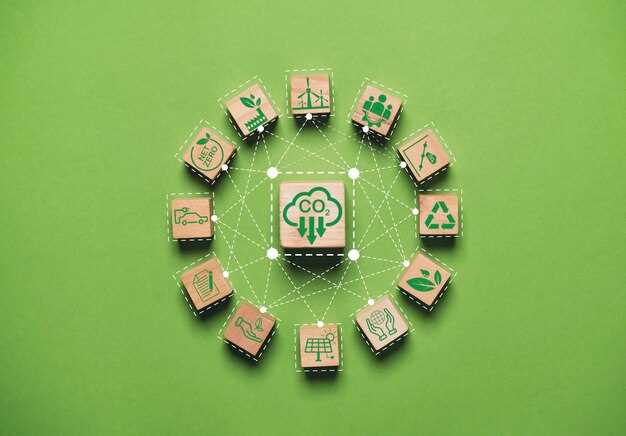
Establish a regional sourcing network by prioritizing the five closest suppliers capable of meeting quality and volume, then move 40-60% of orders to nearshore operations to shorten lead times by about 30-50% on the most time-sensitive SKUs.
Gaining resilience starts with a focused assessment of what to move closer. Map critical components, their current line lead times, and the points where delays most often occur. Create a baseline to measure improvement over the next quarter and use it to follow a tight plan with suppliers.
- Focused supplier profiling: shortlist 3-6 regional producers within a practical logistics radius; verify capacity, quality credentials, and the ability to scale during peak demand; compare regional wages and labor practices to ensure alignment with standards.
- Structured SLAs and incentives: define on-time delivery targets, changeover times, and defect thresholds; tie pricing to service levels and offer incentives for early shipments to enable faster replenishment.
- Joint demand planning: implement a shared weekly forecast, set batching that minimizes line stops, and establish a rapid-response protocol for demand shifts; this enables smoother production flow and reduces last-minute freight.
- تحسين الخدمات اللوجستية: leverage regional hubs, cross-docking, and optimized transport routes; monitor shipments in real time and follow automated alerts for deviations to keep the line moving.
- Sustainability alignment: select partners with climate-related efficiency measures and recycling programs for packaging; promote practices that reduce emissions and packaging waste while keeping costs predictable.
Understand the total cost picture beyond unit price–wages, benefits, and compliance costs can shift depending on location; run a TCO model to compare nearshore versus offshore scenarios and identify where savings in logistics and lead time offset orderly wage differences.
Leveraging the closest suppliers yields the biggest advantage in responsiveness. Gaining momentum requires a simple points-based review: delivery reliability, quality, responsiveness, and packaging sustainability. Track progress, follow the data, and use results to promote continued improvement across the ecosystem; engaging peers and government programs where appropriate helps sustain momentum and reinforce the move. About every quarter, reassess the network to ensure you are reducing risk while maintaining efficient operations.
Upgrade Warehousing with Energy Management and Low-Carbon Technologies

Install an innovative energy management system (EMS) with zone submetering for lighting, HVAC, and refrigeration; pair it with a transparent dashboard and per month updates to drive improving energy intensity by 15–25% in the first year.
Target early upgrades in two priorities: lighting and refrigeration. Replace T12/T8 fixtures with LEDs, install smart occupancy sensors, and deploy VFDs on fans and pumps. In cold storage, tighten door seals and implement cold-aisle containment. These actions yield a 12–18 month payback and deliver focused gains month by month, accelerating the path to cost savings.
Add solar PV on warehouse rooftops to offset daytime loads and pair with a compact battery for peak shaving. Use advanced, low-GWP refrigerants and heat pump cooling where suitable to cut climate impact. Ensure data integrity and maintain transparent sfdr-aligned disclosures; share data with stakeholders to build trust and track progress.
Establishing a cross-functional team of professionals from maintenance, facilities, and procurement ensures focused execution. Define next actions, keep priorities clear, and continue adjustment cycles with regular reviews to stay sure about progress. Keep easy, repeatable onboarding and governance to sustain momentum across sites.
Organizations pursuing these upgrades can realize longer savings, improve reliability, and positively impact climate while eliminating wasteful energy use. Maintain alignment with organizational goals and push for measurable results that show up in energy and cost metrics.
To secure longer-term value, monitor energy intensity, carbon emissions per unit, and equipment availability. Schedule quarterly reviews, adjust targets as conditions shift, and continue engaging external experts to keep plans innovative and aligned with climate goals while eliminating waste. This approach promotes ongoing improvement and keeps data transparent for stakeholders.