


 العربية
  English (UK)
  Русский
  日本語
日本語  한국어
한국어  Magyar
  Türkçe
  Español
  Čeština
  Svenska
  Português
  Ελληνικά
  Suomi
Suomi  Nederlands
  Română
  Italiano
  Français
  Polski
  Українська
  Deutsch
  简体中文
简体中文  Slovenčina
  الفوز بالسباق إلى العملاء باستخدام مراكز التنفيذ المصغرة – نهج تخطيط الشبكة للتجارة السريعة">

ابدأ بتصميم شبكة واضح: وضع ثلاثة مراكز تلبية طلبات صغيرة ضمن نطاق 2-5 أميال من 75-85٪ من الطلبات الحضرية وتنفيذ نظام التوزيع المباشر لخفض دورات المناولة بنسبة تصل إلى 40٪. من خلال تحديد جيوب الطلب،, address تقليل الحركات وتعزيز الاستعداد. استخدم sensors لمراقبة إشغال المواقع وحركة المنتج، والتنسيق مع خطة النقل للحفاظ على مستوى عالٍ من productivity.
Three types تساعدك عُقد التلبية المصغرة على تخصيص الكثافة: رفوف آلية مدمجة في مراكز التلبية المصغرة،, متاجر مظلمة, ، ومنافذ مؤقتة مرنة بالقرب من ممرات النقل. إلى introduce automation, integrate مع نظامي إدارة المستودعات وإدارة الطلبات، ثم ابدأ التشغيل sensors على الأرصفة والناقلات للحفاظ على movement مرئية في الوقت الفعلي والحماية من النقص في المخزون.
لشبكة على نطاق مدينة، قم بتشغيل ready نموذج يقوم بالاختبارات problem سيناريوهات: ارتفاع الطلب، اضطرابات الأحوال الجوية، و materials نقص. خطة أساسية مع نوافذ استلام مدتها ثماني ساعات،, address يمكن أن تقلل خطوات التعبئة والتغليف والشحن المباشر من أميال النقل بنسبة 25٪ وتعزز... productivity بنسبة 15-20% خلال الربع الأول من التشغيل. استخدم real-time لوحات معلومات للمراقبة movement عبر المراكز والأساطيل، والتعديل materials تدفقات لمنع الاختناقات.
إلى maintain إنتاجية, establish a real-time حلقة بيانات عبر المواقع. تثبيت sensors واردة materials وحزم الصادرة لاكتشاف أحداث تغيير درجة الحرارة والرطوبة والتلاعب؛ هذا helps you address المشكلات قبل أن يلاحظها العملاء. استخدم دراجات هوائية للميل الأخير في الأحياء المكتظة حيث مساحة الرصيف محدودة؛ بالإضافة إلى الديناميكية الإرساء التبادلي و movement من خلال التتبع، يمكنك توفير دقائق من كل عملية تسليم ورفع معدلات التسليم في الوقت المحدد إلى 95% أو أعلى.
Next steps: address إشارات الطلب مع مشروع تجريبي بالقرب من مركز حضري، ثم introduce خطة توسع تدريجية integrates مع تقويمات الموردين ومزودي النقل. تتبع types من الطلبات (كميات كبيرة materials مقابل وحدات SKU سريعة الحركة) وضبط تخصيصات المخزون لتحقيق أقصى قدر من productivity. ضع مجموعة ready-إلى معيار الشحن في كل عقدة وبناء movement خريطة توضح مكان real-time تحديثات متدفقة. تحسينات إضافية تأتي من ردود فعل مستمرة وأكثر إحكامًا. materials تنسيق.
خطوات عملية لبناء شبكة تلبية مصغرة مرنة ورشيقة
ابدأ بنموذج تجريبي ذي نطاق محدد بدقة: تشغيل ثلاثة مراكز تلبية مصغرة في تجمعات مترو مكتظة لتوفير اتفاقية مستوى خدمة (SLA) من 15 إلى 30 دقيقة لسلة بقالة مُنتقاة بعناية تتكون من 120 إلى 150 عنصرًا. يوضح هذا الإطلاق المتسارع الطريقة ويخلق مسارًا واضحًا للتوسع.
حدد مزيج المواقع عن طريق تحليل كثافة الطلبات، وفترات التسليم، والمسافة إلى العملاء؛ وضع معايير اتخاذ القرارات، ومقاييس النجاح، وحدود القبول/الرفض.
استكشف نماذج مختلفة للتنفيذ: المتاجر المظلمة والتنفيذ المصغر داخل المتاجر والمراكز المتنقلة؛ تؤثر هذه المتغيرات على الاحتياجات الرأسمالية وسرعة الوصول إلى السوق، وتساعد هذه الحلول الفرق على مقارنة الخيارات.
أتمتة القطاعات ذات الحجم الكبير بالروبوتات حيث يكون العائد على الاستثمار مواتياً؛ أما بالنسبة للعناصر الأخرى، فاعتمد على الأفراد المهرة في نموذج هجين. يستمر هذا النهج في التوسع ويحقق نقاط قوة في الدقة والسرعة.
تبسيط سير العمل: تنفيذ الانتقاء الدفعي، والتعيين القائم على المناطق، واستخدام أنظمة التوجيه الضوئي "وضع-في-الضوء" أو "انتقاء-إلى-الضوء" حيثما أمكن؛ ضمان وضع العناصر المنتقاة في حقيبة أو سلة مخصصة لتبسيط التعبئة.
سهّل اتخاذ القرارات السريعة باستخدام لوحات المعلومات الآنية التي تعرض الإشارات الرئيسية: حجم الطلبات، وأنواع المنتجات، ومستويات المخزون؛ اطّلع على البيانات لتقرر ما إذا كنت ستزيد الأتمتة أو ستعيد توجيه القدرات.
خطط بديلة: إذا تعذر على موقع معين استضافة معدات آلية، فاختر تصميمًا بديلاً أو شريكًا لتنفيذ مشترك؛ وقم بزيادة الحجم تدريجيًا حسب المساحة وارتفاع السقف. يختار الفريق المسار الذي يناسب الطلب المحلي على أفضل وجه.
تصميم يركز على الإنسان: تدريب الموظفين على تشغيل الأتمتة، وصيانة المعدات، والتعامل مع الحالات الاستثنائية؛ هذا يقلل من معدل دوران الموظفين ويسرع التعلم؛ وتستمر الأتمتة في دعم الناس.
السباق لخدمة العملاء: في أسواق البقالة، كل دقيقة يتم توفيرها من الطلب إلى التسليم تقلل من التخلي عن عربة التسوق؛ قم بقياس دقة الطلب، ومعدلات أخطاء الانتقاء، واتفاقية مستوى الخدمة للتسليم للفوز في السباق.
توسيع الخدمات المقدمة: توفير خدمة الاستلام في نفس اليوم، والاستلام من الرصيف، والاستلام من الخزائن؛ والاتفاق على قائمة خدمات موحدة يراها العملاء كتجربة واحدة موثوقة.
قد تأتي المكاسب المحتملة من عمليات فحص منضبطة للنفقات الرأسمالية مقابل النفقات التشغيلية، مما يضمن توافق النموذج المختار مع النمو طويل الأجل.
تحديد النطاقات الزمنية المستهدفة للتسليم وتغطية المناطق لكل مركز من مراكز تحقيق الطلبات.
حدد النطاقات الزمنية المستهدفة للتسليم لكل مركز توزيع رئيسي حسب مستوى الكثافة: 15-20 دقيقة للمراكز الحضرية عالية الكثافة، و25-40 دقيقة للمراكز الإقليمية، و60-90 دقيقة للمناطق الريفية. يجب أن تستند هذه النطاقات الزمنية إلى بيانات توجيه واقعية، وأن يتم التحقق منها بنتائج تجريبية حديثة لضمان الجدوى في ظل ظروف المرور والطقس المعتادة. لا يتطلب هذا النهج تغييرات جذرية في الأنظمة الحالية، ولكنه يتطلب إدارة بيانات منضبطة.
Define zone coverage using mile-based radii and road isochrones: urban coverage within a 5 mile radius, suburban coverage up to 15 miles, and rural coverage beyond 15 up to 25 miles. Map distance, travel time, and lane density to avoid excessive overlap and minimize complexity.
Position regional hubs to maximize coverage of highest-demand variants, and use smaller, fully dedicated MFCs near dense neighborhoods to handle fresh SKU variants. This setup reduces back-and-forth trips and lowers last-mile friction.
Use LRPS as a planning metric: LRPS equals expected orders per hour per site, which helps quantify capacity about each MFC. Set targets to sustain the windows and limit travel distance while maintaining long-term resilience. Monitor the number of instances where targets are missed and adjust the number of hubs accordingly.
Data inputs and benchmarking: density, product variants, and order frequency drive boundary setting. Leverage statista data to benchmark density patterns in europe and translate them into regional hub strategies. Use recent demand signals to adjust targets and forecast scenarios.
Operational steps: determine demand by region, set windows, optimize number of MFCs, and map coverage to ensure full regional reach. Account for rural coverage, seasonal variance, and urban growth to keep the plan fresh and adaptable. Start with a conservative LRPS and refine as you validate with real-world results.
Monitoring and metrics: track on-time rate, average miles per delivery, total distance traveled, zone coverage percent, hub utilization, and fresh inventory turnover. Use these metrics to identify bottlenecks and reallocate density to maintain instantly reliable service across all zones.
Select Micro-Fulfillment Locations: Demand Density, Real Estate, and Accessibility
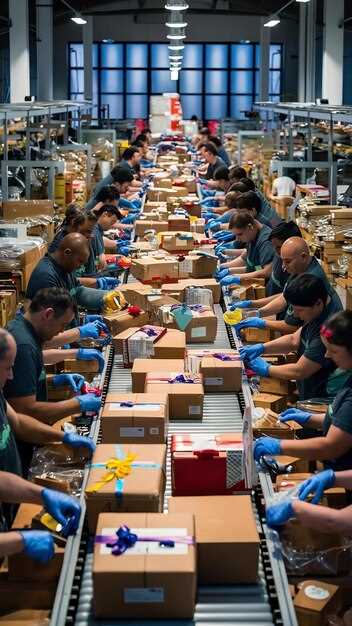
Target high-density demand zones within 3 miles of core customers and validate with a numerical model that scores demand density, real estate cost, and accessibility. The same model aids determining site rankings and informs a portfolio of 4–6 locations in metropolitan markets, enabling rapid expansion while maximizing market share. This approach is very data-driven and fulfilling because it ties productivity to pinpointed sites rather than generic strategies.
Real estate decisions hinge on available spaces that can meet rmls requirements and dock access. Apply a strict cost-per-square-foot rubric while comparing spaces manually to verify fit, including ceiling height, column spacing, and clearance for pallets storing various products. Prioritize spaces within 0.5–2 miles of arterial routes and with at least 2 docks to support next-day or next-shift handoffs, reducing bottlenecks and improving productivity.
Accessibility matters: align MFCs with smart route optimization to minimize last-mile times without sacrificing resilience. Use route-planning systems that factor traffic patterns, dock schedules, and cross-dock handoffs, enabling orders to move directly from pick to pack to ship. This approach supports a scalable network that can route orders from rmls to final destinations efficiently.
Adopt a portfolio across industries and various product families to maximize coverage: electronics, fashion, groceries, and household goods. The model weighting can reflect product characteristics, such as high-velocity SKUs and high-turnover lines; by applying this framework, teams can achieve faster fulfillment and stronger customer satisfaction. theyve achieved measurable gains in throughput and market responsiveness across multiple markets.
Next steps: map demand, identify top 3–5 clusters, and run a pilot with 1–2 MFCs to validate the scoring rubric. In the next phase, collect performance data and adjust the model accordingly. Use what you learn to refine the model and expand the rmls network, taking advantage of available spaces and real-time route insights. The result: a smart, scalable network that enables fast delivery, making the most of a well-chosen location portfolio and driving market share growth.
Model Inventory and Capacity: SKU Mix, Safety Stock, and Rebalancing Rules

Adopt velocity-based SKU mix and automated rebalancing to minimize distance to consumers and maximize on-time delivery across the network.
- SKU Mix and Zoning
- Segment SKUs into A (fast movers), B (mid movers), and C (slow movers) using 2- to 4-week demand history and channel signals from omnichannel orders.
- Target shares: A items ≈ 20% of SKUs delivering 60–70% of volume; B items ≈ 30% delivering 25–30%; C items ≈ 50% delivering 5–15%. Keep the core A set in every warehouse to address point demand while placing B/C items to balance workload across warehouses.
- For boysen-branded SKUs, designate them as A items if inbound reliability is high; otherwise place them closer to high-demand points to reduce costly inbound trips.
- Allocate SKUs by geography: denser markets maintain larger cores of fast movers; distant markets carry more niche SKUs to provide assortment without overloading each center.
- Consider wholesale and direct-to-consumer mixes in the same SKU family to avoid conflicts; align stocking with expected cross-channel returns to keep experience consistent for consumers.
- Safety Stock and Demand Variability
- Target service levels by item tier: fast movers get 95%+ coverage for standard 2–3 day inbound lead times; slower movers use 90% coverage with higher variability allowances.
- Safety stock per SKU uses demand variability during lead time. A practical rule: safety stock ≈ z * σ_DL, where z is the standard normal quantile for the desired service (1.65 for 95%), and σ_DL is the standard deviation of demand over the lead time.
- Fast movers typically need 3–5 days of average daily usage in stock; seasonal or high-variance SKUs need 7–14 days to buffer promotions or demand spikes.
- For inventory that handles a return-heavy cycle, add a small buffer dedicated to returns flow to avoid skewing fresh stock levels.
- In practice, link inbound reliability with safety stock: if inbound on-time performance drops, raise safety stock for affected SKUs to sustain experience.
- Address product families with low variability using lighter safety stock; for high-variance items, push more frequent monitoring and dynamic adjustment.
- Rebalancing Rules
- Run automatic repositioning nightly to keep SKU mix aligned with demand signals, distance to demand points, and returns patterns.
- Triggers: velocity drift > 15% in a center, projected stock-out risk > 5%, or a shift in return rate that changes replenishment needs.
- Thresholds avoid thrashing: limit movements to 5–10% of stock value per cycle; prioritize high-velocity SKUs that affect service levels.
- Distance-driven placement: reallocate SKUs to warehouses within 60–120 km of demand clusters to shorten delivery paths and improve experience.
- Address omnichannel priorities by keeping a balanced mix at each point in the network, ensuring that online orders, in-store pickup, and wholesale orders receive consistent handling.
- Inbound and Capacity Alignment
- Coordinate inbound flows with center capacity: estimate weekly inbound volumes and adjust order windows to prevent overloads in warehousing teams.
- Use cross-docking where possible to accelerate inbound-to-outbound cycles, reducing handling time and labor costs.
- Specific item classes like Boysen SKUs may require tighter inbound scheduling if a single supplier handles an important portion of volume; align with wholesale partners to stabilize inbound cadence.
- Keep buffers at strategic nodes to absorb supplier variability without affecting service levels for consumers.
- Technologies and Automation
- Implement inventory optimization engines, WMS, OMS, and TMS that address network-wide SKU mix, safety stock, and rebalancing rules automatically.
- Use analytics to map distance to demand points and to identify the best warehouse for each SKU daily, which reduces labor intensity and accelerates fulfillment.
- Address data quality gaps by integrating inbound, returns, and movement data into a single view; provide staff with actionable recommendations rather than raw signals.
- Provide real-time visibility for managers to intervene when exceptions occur, and to verify that automated decisions align with operational constraints.
- Metrics, Labor, and Governance
- Track fill rate per SKU, stock-out rate by center, and order cycle time across channels to measure SKU mix effectiveness and rebalancing impact.
- Monitor inventory turns, distance traveled per order, and cost per fulfilled order to quantify efficiency gains from the model.
- Staffing needs vary by center; allocate dedicated personnel to supervise automation, adjust safety stock, and approve rebalancing actions to prevent bottlenecks.
- Address returns flow separately to ensure it does not destabilize stock levels or distort mix decisions; a disciplined return handling process maintains accuracy across warehouses.
Optimize Last-Mile Routing and Replenishment: Frequency, Consolidation, and Transit Time
Adopt a fixed nightly replenishment window at each micro-fulfilment center to keep fresh stock covered and prevent stockouts, delivering faster restocks for the morning wave.
يتيح التوجيه المستند إلى التحليلات تحقيق الدمج: بناء خطة للميل الأخير قائمة على المناطق تجمّع الطلبات في نطاق نصف قطر يتراوح بين 5 و15 كم حيثما أمكن، مما يقلل عدد الرحلات وتكلفة النقل، ويحسن مستويات الخدمة عبر الشبكة.
حدد حدًا للتجميع من خلال مراعاة مستويات الطلب والموسمية. إذا أظهر الطلب المتوقع في نافذة زمنية مدتها 60-90 دقيقة ما لا يقل عن 20 طلبًا عبر 4 وحدات SKU، فقم بالدمج في تشغيل واحد؛ وإلا، أرسل رحلات أصغر وأكثر تكرارًا للحفاظ على النضارة والسرعة.
يعتمد تحسين وقت النقل على تحليلات التدفق المدعومة من Flink لتحديث المسارات في ثوانٍ مع تغير حركة المرور. يهدف إلى الحفاظ على مشاركة كل محطة توقف تحت 60 ثانية تقريبًا للحفاظ على السرعات، واستهداف انخفاض بنسبة 10-20٪ في إجمالي وقت النقل مقابل التوجيه غير المنسق.
تقع في مناطق مترو مترامية الأطراف، وتوزع عُقد تلبية الطلبات المصغرة لتقصير المسافات المقطوعة وتسريع عمليات الاستلام، مما يدعم عمليات التسليم المبكرة ودورات التجديد الثابتة عبر المناطق التي تهم العملاء أكثر من غيرها.
قم بقياس النجاح باستخدام تحليلات حول التسليمات في الوقت المحدد، ومعدل التعبئة، وإيقاع التجديد، وقم بتطوير النموذج عامًا بعد عام. تتبع تكلفة كل طلب يتم تنفيذه لضمان توفير عمليات الدمج للأموال، وحدد أي تركيبات من التردد والدمج تحقق أقوى العوائد. إليك قائمة التحقق العملية للبدء، بما في ذلك الإيقاع المحدد، وعتبات الدمج، وإشارات التوجيه في الوقت الفعلي (المصدر) agatz.
تقييم التكاليف ومسارات التمويل: النفقات الرأسمالية مقابل النفقات التشغيلية، والتأجير، والشراكات
اختر خطة مدمجة بين النفقات الرأسمالية والتشغيلية مقترنة بالتأجير والشراكات للحفاظ على تدفق نقدي يمكن التنبؤ به مع الحفاظ على القدرة على التكيف. ابدأ مشاريع تجريبية في مناطق غير مستغلة باستخدام تطبيقات الروبوتات ومعدات التخزين المعيارية؛ دع البيانات تُظهر عائدًا قابلاً للقياس على الاستثمار مع نمو الأحجام. استخدم إطار عمل clrp لمواءمة التمويل مع النتائج المتوقعة وللحفاظ على الخطة شفافة لأصحاب المصلحة.
تؤكد مسارات الإنفاق الرأسمالي على امتلاك معدات عالية الفائدة عندما تبرر الأحجام ذلك، بما في ذلك تطبيقات الروبوتات والناقلات. تتراوح التكاليف الأولية النموذجية: وحدات الروبوتات 150 ألف – 350 ألف دولار للوحدة؛ أنظمة التخزين والاسترجاع الآلية 200 ألف – 500 ألف دولار؛ تكامل البرمجيات 30 ألف – 60 ألف دولار. تتراوح الصيانة السنوية والتحديثات بين 5-8٪ من الإنفاق الرأسمالي، في حين أن الإهلاك يوزع التكلفة على مدى 5-7 سنوات. الجانب الإيجابي: انخفاض التكلفة لكل وحدة بمرور الوقت والتحكم المباشر في وقت التشغيل، مع ربط الميزنة القائمة على النتائج بالإنتاجية والدقة.
توفر مسارات النفقات التشغيلية (Opex) وعروض التأجير المرونة اللازمة للتكيف مع تطور طلب المستهلكين. اختر خدمات الروبوتات بنظام الدفع حسب الاستخدام أو المعدات المدارة من قبل البائع بشروط تتراوح بين 3-5 سنوات ومعدلات نموذجية تتراوح بين 6-9%. يقلل التأجير من النقد المدفوع مقدمًا مع الحفاظ على القدرة على التوسع على المدى القريب، وتغطي عقود الخدمة تحديثات البرامج وقطع الغيار والمراقبة عن بُعد للمستودعات والتوزيع. في أوروبا، يقدم المزودون عقود إيجار منظمة مع خيارات مرنة لنهاية المدة، مما يتيح إجراء تجارب سريعة دون تجميد رأس المال.
تفتح الشراكات إمكانات غير مستغلة من خلال تقاسم النفقات الرأسمالية بين تجار التجزئة والملاك ومشغلي الميل الأخير. تقلل الاستثمارات المشتركة من حواجز العقبات وتوسع المعروض من المساحات المناسبة، خاصة في المناطق القريبة من المتسوقين. تربط مشاركة الإيرادات أو عقود التشغيل الحوافز بنتائج المتسوقين مثل التسليم الأسرع ودقة الطلبات الأعلى وانخفاض المرتجعات، مما يحقق نتائج قابلة للقياس المباشر. يشير الخبراء في الأسواق الرائدة إلى أن ترتيبات معينة يمكن أن تسرع وتيرة النمو مع الحفاظ على مرونة رأس المال.
إطار القرار: بناء ميزانية قائمة على المناطق ونموذج يقوده برنامج توفير رأس المال (CLRP) لمقارنة النفقات الرأسمالية والتشغيلية والتأجير والشراكات. قم بإجراء تحليلات حساسية بشأن تقلبات الأسعار والاستخدام ونمو الطلب لتحديد المسارات ذات الاحتمالية العالية. حدد مقاييس قابلة للقياس: المهلة الزمنية، وتكلفة الطرد الواحد، ووقت التشغيل، واستهلاك الطاقة، ونتائج رضا العملاء لإظهار التقدم. ضمان القدرة على التكيف للتطور مع تغييرات سلسلة التوريد وأن تصبح رشيقًا في جميع المناطق، وخاصة في أوروبا، حيث تختلف هياكل الأسعار والشراكات حسب السوق. يظل الهدف هو تقديم سرعة تركز على المتسوقين مع اقتصاديات وحدة مستدامة ونتائج واضحة وقابلة للتحقق الخارجي بناءً على البيانات.