Author
James Miller specializes in global logistics and supply chain dynamics. His investigative work explores the intricacies of international trade, infrastructure challenges, and technological advancements shaping modern commerce. He advocates for sustainable practices and transparency in supply chain operations.

Alcohol Lock Regulations for Trucks and Buses by Italy's Transport Ministry
The recently enacted regulation regarding the installation of alcohol locks in heavy and public transport vehicles is making waves in Italy's logistics and transportation sector.

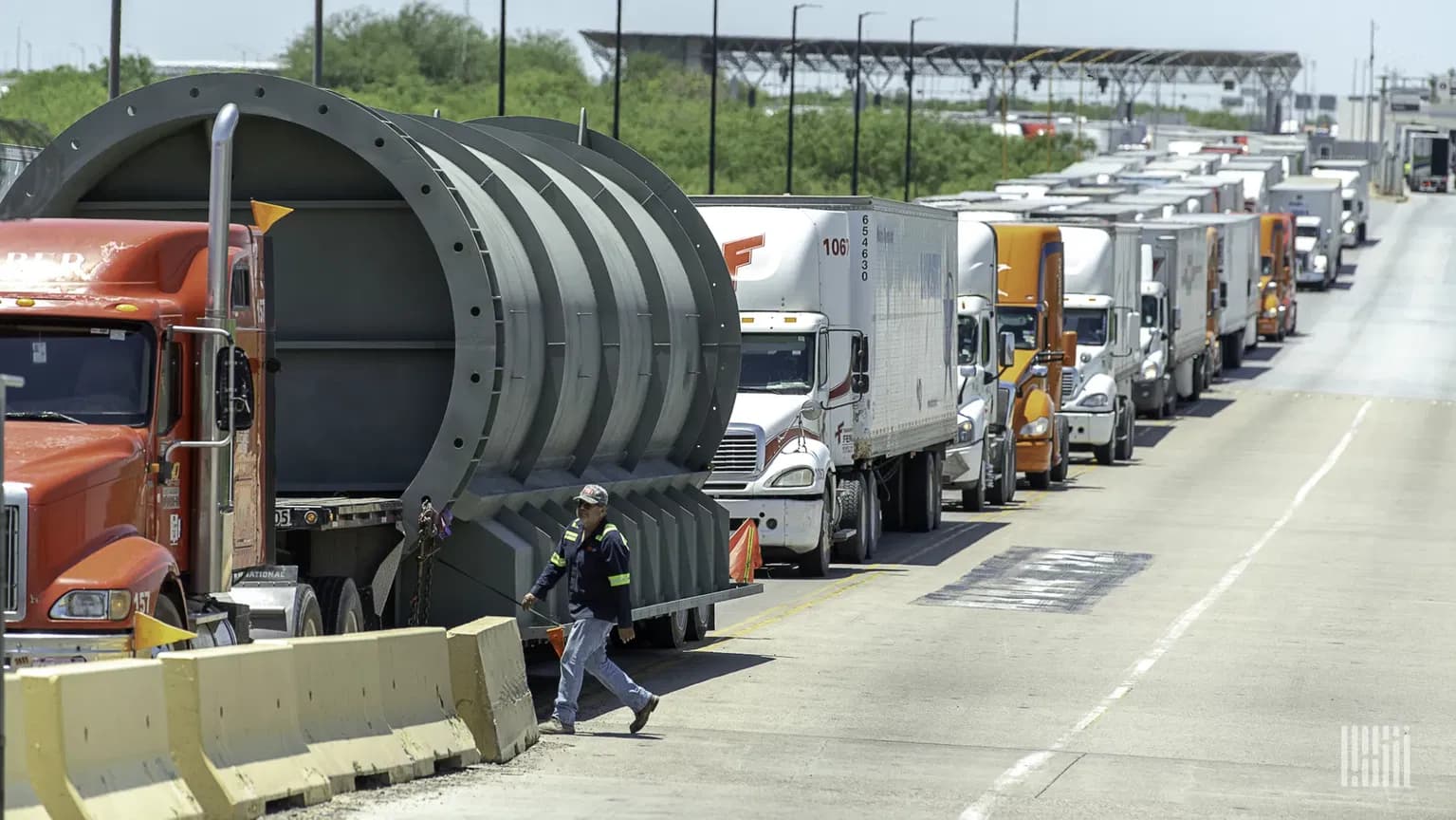
Port Laredo: A Cold Chain Logistics Leader on the U.S.-Mexico Border
Port Laredo, situated in Texas, has solidified its reputation as a pivotal hub for cold chain logistics along the U.S.-Mexico border.

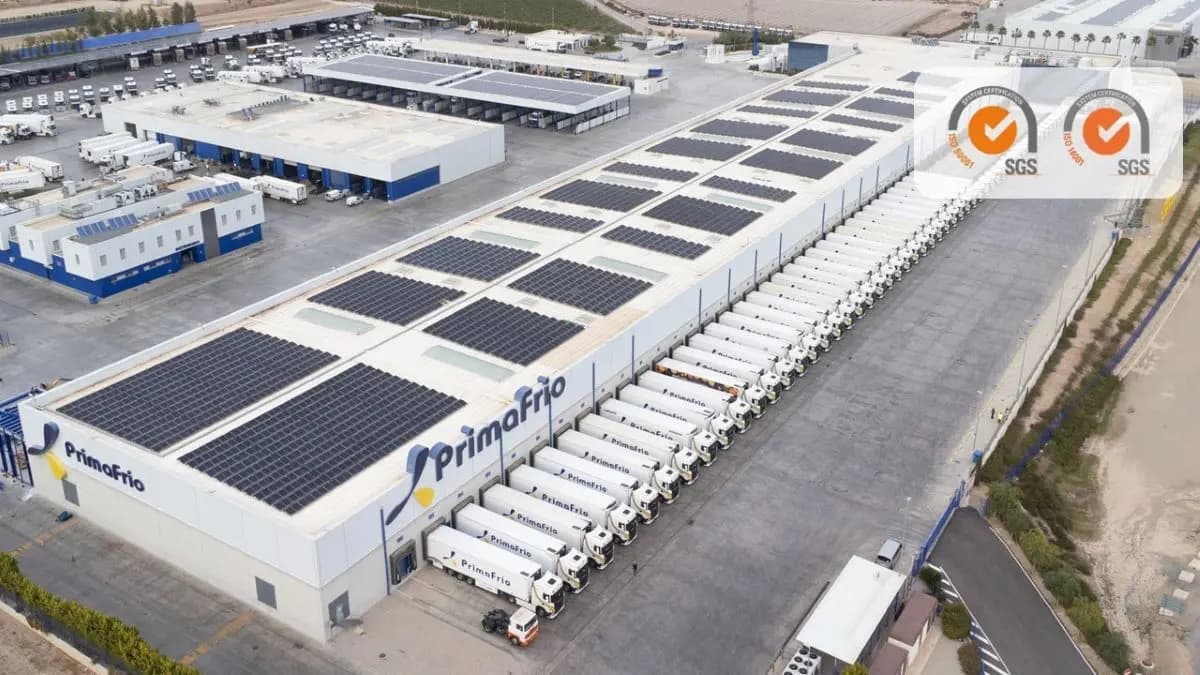
Primafrio Strengthens Energy and Environmental Commitment by Renewing ISO Certifications
Primafrio, a prominent international logistics operator specializing in the road transport of temperature-controlled fruits and vegetables in Europe, has once again renewed its ISO 50001 and ISO 14001 certifications.

Tomato Tariff Negotiations: The Impact on US-Mexico Trade and Logistics
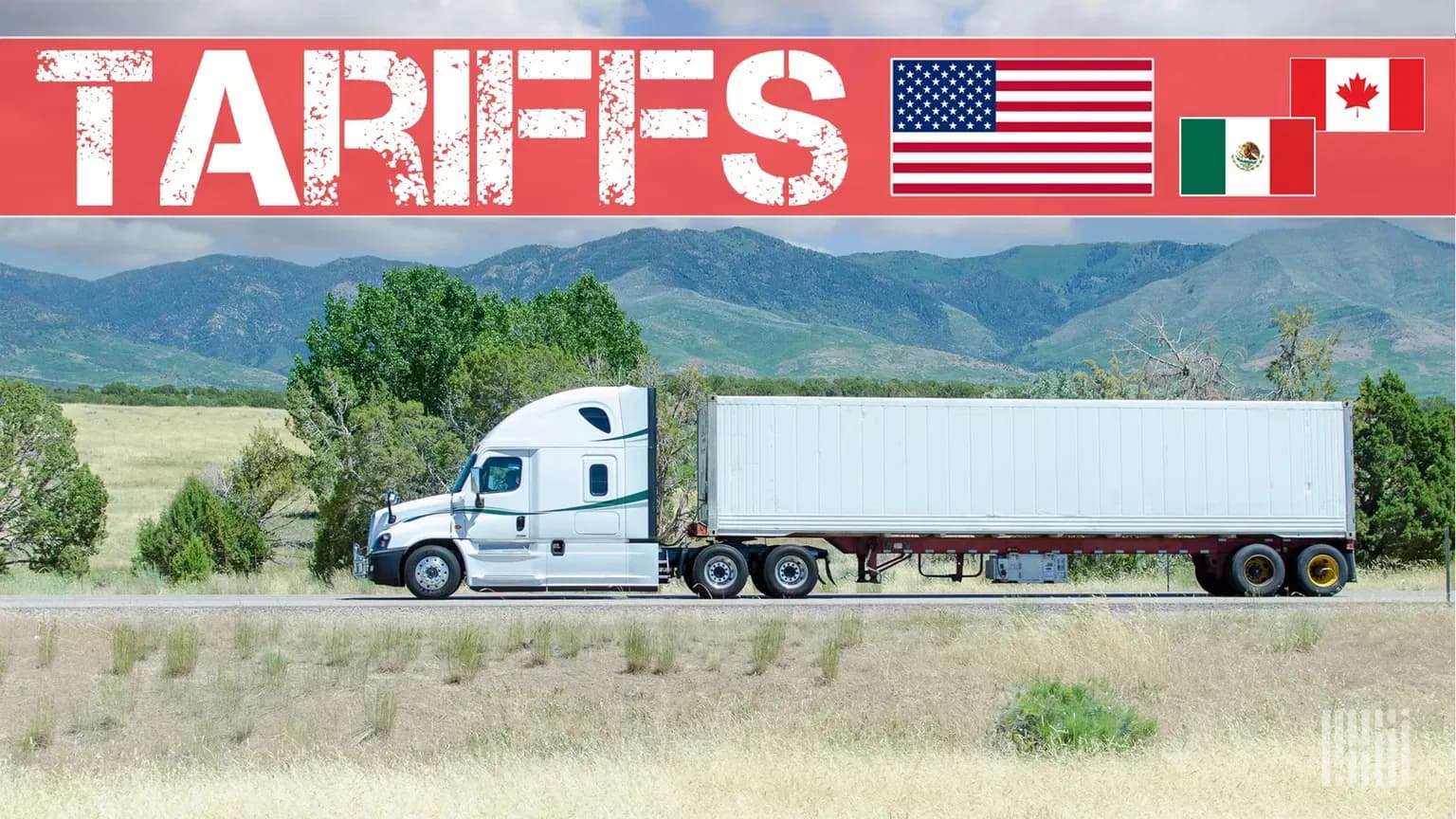
Recent discussions between Mexico and U.S. officials aim to avoid tariff hikes on tomatoes, a pivotal trade commodity. The trade agreement allowing Mexico to export tomatoes to the U.S. without duties is under scrutiny, and if negotiations falter, the ramifications may echo throughout the logistics and transportation sectors. The Tomato Suspension Agreement The current Tomato Suspension Agreement stands at risk as U.S. officials plan to withdraw from it by mid-July. This agreement has made it easier for Mexican tomato producers to export their goods, maintaining favorable conditions for both parties involved. However, if revoked, an additional tariff of 17% to 21% on Mexican tomatoes will

A New Framework for Tackling Cyber-Enabled Cargo Theft by NMFTA
The escalating issue of cargo theft, particularly cyber-enabled incidents, poses a significant challenge to the logistics industry.

Nissan Issues Recall for Over 480,000 Vehicles Due to Engine Concerns
Nissan has embarked on a substantial recall affecting more than 480,000 vehicles across the U.S.

The Transportation Sector: Facing 24% of Cyberattacks in Essential Services
The burgeoning wave of cyberattacks has swept across essential sectors, with the transportation industry feeling a significant brunt of the impact.

Navigating the Digital Transformation Challenges in Air Cargo
Speed defines the air cargo industry, yet the pace of digitalization is reminiscent of a sluggish tortoise.

FIA's Comprehensive Partnership with DHL Enhances Cargo Solutions for Motorsport
The Fédération Internationale de l’Automobile (FIA) recently announced a groundbreaking collaboration with a renowned logistics company aimed at enhancing sustainability and efficiency within the motorsport sector.

Renewable Natural Gas: Transforming the Longhaul Trucking Landscape
In recent years, the trucking industry has witnessed a noticeable shift towards more sustainable fuel options.

Declining Canadian Exports to the U.S. Amidst Tariff Pressures Impacting Trade
Recent statistics reveal a challenging trend for Canada’s exports to the United States, marking a noteworthy decline that raises eyebrows in the logistics community.

Trends in U.S. Intermodal Rail Traffic and Their Impact on Logistics
Overview of U.S. Intermodal Rail Traffic U.S. rail traffic has shown some fluctuations recently, with current data indicating that intermodal rail traffic dipped slightly below previous levels. For the week ending June 28, the reported rail traffic dropped to below 2024 levels. Current Traffic Statistics According to the Association of American Railroads (AAR), the total rail traffic for that specific week accounted for 491,424 carloads and intermodal units. This reflects a decline of 0.2% compared to the same week last year. A breakdown of these figures reveals that there were 225,227 carloads—a small uptick of 0.05% —and 266,197 containers and trailers, which saw a slight decrease of 0.3%