Author
James Miller specializes in global logistics and supply chain dynamics. His investigative work explores the intricacies of international trade, infrastructure challenges, and technological advancements shaping modern commerce. He advocates for sustainable practices and transparency in supply chain operations.

Why transformer imports are surging and what logistics teams must plan for in 2026
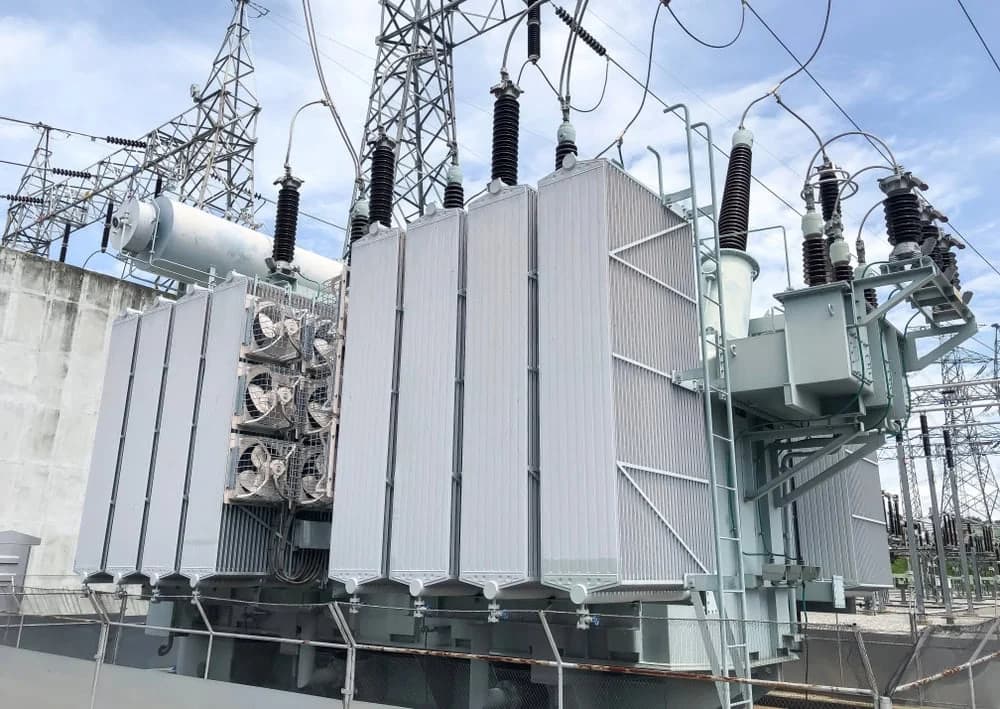
Major U.S. ports have seen a notable uptick in inbound shipments of distribution and power transformers , with long-haul rail spurs, heavy-lift berths and expanded laydown yards being activated to handle units that weigh from several tons to well over 100 tonnes. These shipments are being routed to coastal hubs and then distributed inland to substations, wind-farm interconnection points and utility depots, creating concentrated demand for specialized handling equipment, escorted road permits, and tight slotting windows for inland delivery. Drivers behind the transformer surge The increase in transformer volumes is rooted in three clear trends. First, the rollout of utility-scale renewable

Freight payment index shows carriers gaining pricing leverage amid capacity squeeze
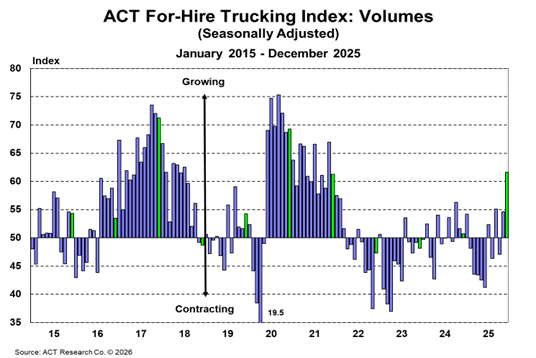
National shipment volumes increased by 1.5% quarter-over-quarter in Q4, yet remained 4.9% lower year-over-year, while shipper spending climbed 4.6% from Q3 and 5.2% year-over-year — the first annual rise in three years.

Spot market spike after Midwest snowstorms: reefer rates up 45¢/mile and Class 8 orders climb in January
Spot market reefer rates surged by roughly 45 cents per mile the week ending Jan.

MMIA cargo tariff jump to N20/kg sparks calls for FAAN talks from ANCLA, NAGAFF and other freight groups
Murtala Muhammed International Airport (MMIA) has moved cargo tariffs from N7/kg to N20/kg, prompting freight forwarders to request immediate negotiations with the Federal Airports Authority of Nigeria (FAAN) to resolve operational and pricing distortion across the air logistics chain.

2026 Xos Class 6 chassis: $99K electric solution for regional fleets
A 23,000 lb GVWR Class 6 strip chassis priced at $99,000 shifts acquisition math for regional last-mile operators that run routine 120-mile loops and need dependable duty cycles with low operational disruption.

PCCBI pushes 60‑day empty container limit and full enforcement of PPA AO 02‑2019
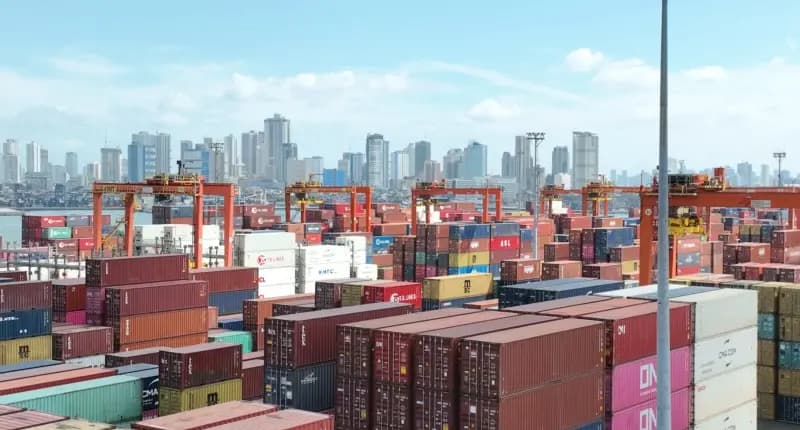
MICT’s yard utilization reached 82.89% in early February 2026, with reefer utilization hitting an alarming 102.17%, while Manila South Harbor (MSH) recorded overall utilization of 76.40% — levels that trigger immediate operational strain on terminal rotations and hinterland truck flows.

Old Dominion Freight Line Q4 Snapshot: ODFL Posts EPS Beat as Tonnage Falls
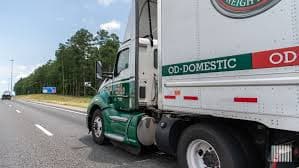
Old Dominion Freight Line reported earnings per share of $1.09 for the fourth quarter, beating consensus by $0.03 while showing signs of a market still working off excess capacity.

Geotab study shows charging power and frequency are the dominant drivers of EV battery degradation
Geotab’s telematics set, covering more than 22,700 electric vehicles across 21 makes and models, reports an average state of health (SOH) decline of 2.3% per year.

Major distribution and manufacturing shutdowns reshape regional freight demand and network footprints
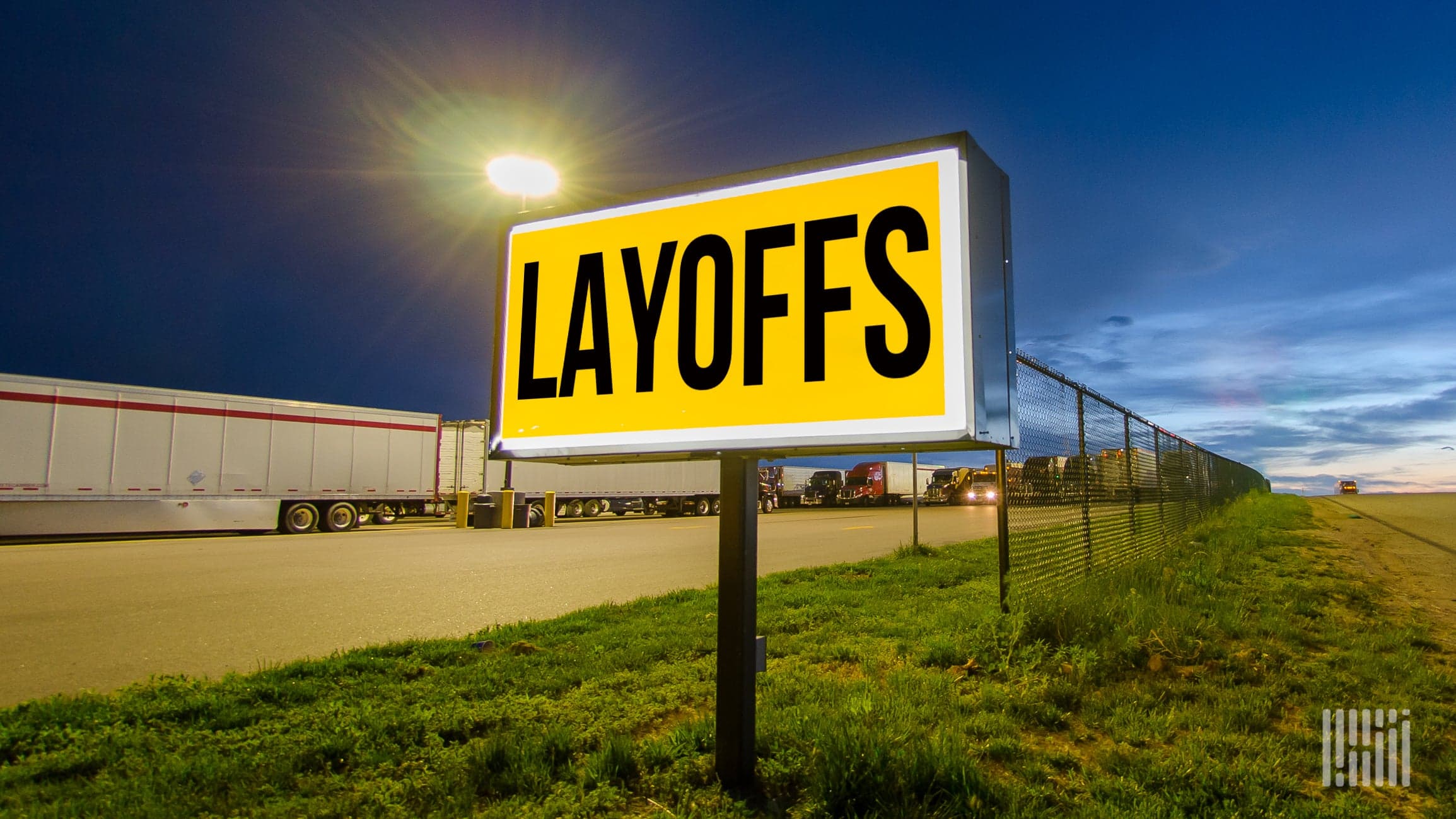
A total of 3,147 freight and manufacturing job cuts announced since mid-January have already translated into the permanent closure or downsizing of multiple distribution centers, plants and last-mile operations, immediately reducing demand for local trucking, warehousing, and CDL driver capacity.

Europeans Sound the Alarm on Competitiveness: What It Means for Trade and Transport
62% of European citizens express pessimism about the continent’s ability to compete globally, a sentiment that already pressures cross-border freight, container flows and regional supply-chain resilience as companies reprioritize sourcing and distribution hubs.

Philippe Trouchaud to lead PwC’s Supervisory Board for France and Maghreb
PwC’s network of more than 20 offices across France and the Maghreb directly interfaces with regional freight corridors, customs operations, and distribution hubs that move goods between Europe and North Africa, meaning governance changes at the top can cascade into advisory services for logistics, transport security, and cross‑border compliance.

Four Forces Redrawing 2026: AI, Defence Spending, Currency Shifts, and PLUTO
European defence budgets hit an estimated €381 billion in 2025 (~2.1% of EU GDP), triggering procurement of military vehicles, secure transport corridors and increased demand for logistics partners able to manage classified cargo and resilient supply chains.