



Sledujte první letové video nákladní konverze letadla A330-300P2F a zjistěte, jak konverze podporované společností altavair přetvářejí síť Amazon Air. Klip sleduje letadlo od spuštění motorů přes pojíždění, vzlet a sekvenci nakládky nákladu, která zdůrazňuje spolupráci s partnery ze společnosti flugzeugwerke. Záběry se zaměřují na modernizace poháněné poptávkou pro letecké operace a prezentují je jako konkrétní krok v širší kampani na zvýšení kapacity. Tito pozorovatelé poukazují na to, co tato letecká společnost a její letečtí partneři očekávají od velkých nákladních letadel, zejména na trasách na Havaj a na dalších náročných trzích.
Konverze zachovává plnou hlavní palubu pro palety, s vyztuženou podlahou a předními nákladovými dveřmi, které zjednodušují nakládku. Společnost flugzeugwerke a projektové týmy vyladily těžiště, aby zlepšily časy obratu a udržely stabilní tah a plynulý vzduch během stoupání. Video zdůrazňuje strukturální práce a elektrická rozhraní, které podporují kampaň na standardizaci manipulace s nákladem napříč různorodou letadlovou flotilou.
Pozemní posádky a pracovníci trénují prostřednictvím jasných sekvencí zobrazení, které pokrývají velikosti palet, vzorce popruhů a bezpečnostní kontroly. Klip ukazuje, jak lze reklamu sladit s provozem, a pomáhá zákazníkům porozumět novým schopnostem. Některé nákladní týmy hlásí plynulejší interakce s leteckými společnostmi a speditéry, jak se kapacita rozšiřuje; dopad je obzvláště patrný na trasách na Havaj, které závisí na spolehlivých naloženích mezi ostrovními trhy a kontinentální sítí. Videa posilují konzistenci tím, že ukazují stejné kontroly prováděné pracovníky během několika sekvencí.
Pokud jde o plánování užitečného zatížení a integraci plánů, provozovatelé by měli považovat A330-300P2F za most mezi kapacitou a růstem sítě. Pro ty, kteří vyhodnocují konverzi, upřednostňujte úzké spojení s flugzeugwerke pro strukturální integritu a se společností altavair pro plánování aktiv, abyste vyvážili poptávku s flexibilitou flotily. Vytvořte datově řízený plán, který sleduje využití užitečného zatížení, mix nákladu a časy obratu na některých trasách, abyste ověřili návratnost investic. Zapojte pracovníky a reklamní týmy, abyste inženýrské zisky přetavili v důvěru přepravců a měřitelné výsledky kampaně.
Video z prvního letového provozu Amazon Air A330-300P2F: Praktický náhled
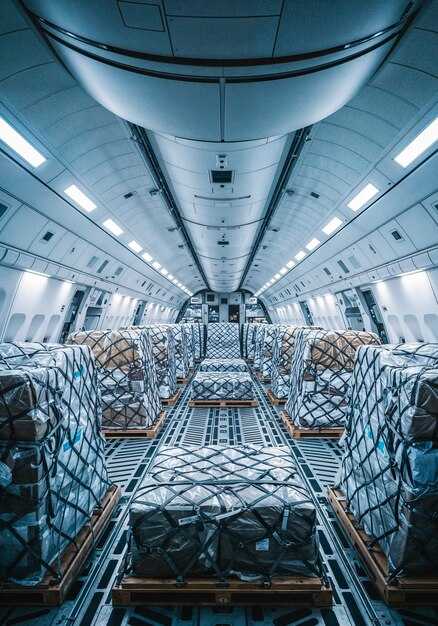
Sledujte video z letového provozu na YouTube a zjistěte si reálný pracovní postup s nákladem a praktickou připravenost letadla Amazon Air A330-300P2F. Klip se zaměřuje na konverzi v provozu a zdůrazňuje, jak posádka nakládá, zajišťuje palety a provádí předletové kontroly.
Letadlo, konvertované společností EFW v Sasku podél Labe, ukazuje nainstalovaný nákladní systém na hlavní palubě a zařízení pro manipulaci s paletami. Záběry zachycují jejich práci, která se promítá do plynulé provozní sekvence, s paletami přesouvanými ze pozemního vybavení do nákladového prostoru, zajištěním sítí a zavřením dveří před pojížděním. To je v souladu s kontinentální sítí Amazonu a podporuje nadkontinentální obchodní toky, kde je nejdůležitější hmotnost, rovnováha a dosah. Letadlo obdrželo během programu aktualizované senzory a software pro řízení nákladu.
Poškození povětrnostními vlivy je na počátečních letech minimální, což pomáhá hodnotitelům zaměřit se spíše na strukturální integritu a nainstalované systémy než na kosmetické stárnutí. Popis zdůrazňuje čistý interiér, který se vyhýbá pozůstatku z éry cestujících, s komponentami třetích stran integrovanými do funkčního řešení. Reklama kolem projektu se zaměřuje na spolehlivost a kapacitu, ale video odráží primárně stav a výkon v reálném čase spíše než marketingové řeči.
Pro provozovatele a analytiky jsou klíčové poznatky zahrnuty do toho, jak A330-300P2F po konverzi zvládá faktory zatížení, když je hlavní paluba optimalizována pro paletizovaný náklad, jak vypadá obrat u nepodstatných úkolů a jak často určité systémy vyžadují pozornost v provozu. Zkontrolujte webové stránky a oficiální popisy, abyste ověřili čísla pro užitečné zatížení, dolet a očekávanou životnost, a poznamenejte si čas, kdy letadlo obdrželo kritické aktualizace, které ovlivňují jeho vztah s Amazonem a servisními partnery třetích stran. Při prohlížení takových záběrů monitorujte všechny servisní položky, jejichž životnost vyprší, a plánujte zmírnění.
Závěr: toto video poskytuje akční indikátory o pracovním postupu, kvalitě instalace a provozní připravenosti, které mohou kupující a provozovatelé přenést do svých vlastních pracovních toků, ať už hodnotí konvertovaná letadla A330 nebo je porovnávají s jinými možnostmi obchodu. Předvedené letadlo ukazuje, jak moderní P2F zapadá do logistického modelu Amazonu, aniž by se konverze stala pozůstatkem minulosti, ale spíše funkčním, opakovatelným řešením.
Změny užitečného zatížení a objemu při konverzi A330-300P2F
Doporučení: cílové užitečné zatížení kolem 65 t pro konverzi A330-300P2F s využitím tří pozic palet na hlavní palubě pro maximalizaci hustoty pro letecké služby.
V porovnání se standardním uspořádáním pro cestující A330-300, konverze P2F přidává zhruba o 20–25 % více využitelného objemu na hlavní palubě, což přináší celkovou kapacitu nákladu kolem 140–170 m3. Hlavní paluba představuje přibližně 120–150 m3, přičemž prostor na spodní palubě přispívá dalšími 20–40 m3 v závislosti na výběru modulu, což umožňuje profil kapacity, který lze lépe přizpůsobit poptávce trhu než nákladní letadla předchozí generace.
Provozně stav flotily a provozní podmínky ovlivňují skutečné užitečné zatížení, které můžete přepravovat za let. Při plánování poskytují tři bloky palet na hlavní palubě flexibilitu pro vyvážení středu těžiště a doletu. Konverzní balíčky byly přijaty ze sítě flugzeugwerke v Lipském Hále a říjnový testovací program sledoval přizpůsobení a výkon zátěže napříč stránkami specifikace. Potvrzují, že systém udržuje bezpečné limity na běžných provozních trasách.
Změny objemu ovlivňují rozhodování o údržbě a konfiguraci. S použitím standardních palet a kontejnerů může A330-300P2F udržovat pevný obal CG a zároveň umožňovat hustší náklady; letecké společnosti si mohou vybrat plnou paletizaci na hlavní palubě nebo smíšená uspořádání v závislosti na složení nákladu a sezónnosti. Nepodstatné systémy jsou odstraněny nebo přemístěny, aby se umožnilo větší užitečné zatížení, což snižuje strukturální namáhání a náklady na tunu a podporuje širší škálu leteckých služeb a uživatelských profilů.
Ekonomika a plánování: Náklady na sadu P2F, strukturální výztuhy a rekvalifikaci je třeba zvážit proti zlepšeným metrikám na tunu-km a vyššímu využití flotily. Rok nasazení je příznivý a říjnové šarže ukazují rostoucí poptávku ze strany leteckých uživatelů. Program se v posledních letech vyvinul, přičemž srovnávací kritéria společnosti Boeing pomáhají stanovit cíle pro užitečné zatížení, nákladovou efektivitu a spolehlivost služeb. Aplikace podporuje stabilní proud nákladních letů, což jim a jejich partnerům umožňuje optimalizovat služby a snižovat náklady napříč flotilou.
Rozbor videa: pracovní postupy z kokpitu do nákladového prostoru a bezpečnostní kontroly během prvního provozu
Začněte sladěním mapy pracovního postupu z kokpitu do nákladového prostoru zobrazené ve videu s oficiálním seznamem kontrol nakládky; před pojížděním ověřte, že jsou nainstalovány všechny nákladové úvazy a otestovány zámky. Tento první provoz závisí na rychlé a přesné komunikaci mezi letovou palubou a týmem pro náklad, což pohledy přes řez jasně ilustrují.
- Předání z kokpitu do skladu: Letová paluba dokončuje předletové kontroly a nakládací tým ověřuje manifest oproti skutečnému nákladu. Video demonstruje stream živých dat napájející obrazovku provozu; obvykle toto předání na první provoz trvá 4–6 minut, v závislosti na připravenosti dveří a kontrolách systému.
- Připravenost nákladu a správa ULD: Pozemní personál umisťuje palety a kontejnery, zajišťuje je sítěmi a úvazy a křížově kontroluje plán nakládky oproti zdrojovému manifestu. Formulář Caspio použitý pro zápis aktiv je konzultován pro potvrzení každé položky, což udržuje plán sladěný napříč zónami a podporuje očekávání dodržování předpisů dopravce.
- Ověření dveří a zámků: Palubní a nákladní dveře se cyklují v sekvenci, přičemž zámky jsou testovány a dokumentovány. Video ukazuje rychlý vizuální signál, když jsou dveře správně zavřeny, a tým ověří stav před odstraněním pozemního napájení.
- Bezpečnostní postupy a zajištění: Posádky potvrzují, že zámky zůstávají zajištěny během pojíždění a vzletu, a že je zkontrolována připravenost protipožárního systému. Některé operace pozastavují reklamy na displejích v kabině, aby se předešlo rozptýlení během kritických kroků; to pomáhá udržet soustředění a snižuje riziko.
- Finální schválení a křížová kontrola: Kapitán a vậní mistr porovnávají konečnou hmotnost a rovnováhu s nákladovým listem a zajišťují, že hmotnost je v povolených limitech pro typ letadla a trasu. Tým ve svůj pozemní záznam zaznamenává odlétající místo jako Lipský Hále, zatímco týmy Ingram poskytují faktickou podporu pro vybavení a příslušenství; všechny akce jsou odsouhlaseny a zaznamenány pro budoucí audity.
Informace a praktické tipy pro provozovatele a pozorovatele:
- Zavedení standardního datového toku do Caspia a dalších systémů nainstalovaných na letadle; data shromážděná napříč flotilou pomáhají identifikovat trendy a podporují neustálé zlepšování.
- Udržujte zobrazení a živé přenosy synchronizované se zdrojovým manifestem; tento vztah mezi daty z kokpitu a realitou skladu zlepšuje včasné dodání pro nákladní letadla ve flotile.
- Plánujte zkoušky před nakládkou pro roky servisních zkušeností; někteří dopravci zaznamenávají praxi do přehrávače, který si tým může přehrát, aby si osvěžil postupy před každou misí.
- Sledujte předměty s končící platností a podle toho obnovujte certifikace; odsouhlasený přístup do nákladového prostoru by měl být spojen s aktuálními bezpečnostními pověřeními.
- Koordinujte se s reklamním týmem, abyste zajistili, že vizuály v kabině nebo v nákladovém prostoru budou v souladu s bezpečnostními pokyny; reklamy mohou být pozastaveny během kritických kroků, aby se minimalizovalo rozptýlení a zachoval bezpečný pracovní postup.
V praxi sekvence z kokpitu do nákladového prostoru vytváří úzkou smyčku, kde každý krok navazuje na další; tento proud kontrol, který spojuje zdrojové manifesty, záznamy Caspia a palubní senzorická data, udržuje operace dopravce dobře sladěné napříč různorodou flotilou a podporuje hladkou manipulaci s vysoce žádaným e-commerce nákladem na letadlech, jako je konverze A330-300P2F.
Pozemní manipulace a paletizace: zajišťovací metody, kontejnery a sekvence nakládky
Začněte s hodnocením rizik před nakládkou, které pokrývá více podmínek na stojánce. Plán musí sladit pozemní manipulaci, paletizaci a letový provoz od okamžiku přijetí nákladu až po připravenost k odjezdu.
- Zajišťovací metody: Zajištění nákladu pomocí 4bodových úvazů, nákladových sítí a rohových desek; použití hranových chráničů; kontrola napětí; zajištění úhlů popruhů pro rovnoměrné napětí; vyhýbání se nadměrnému utažení; dokumentace anomálií prostřednictvím Caspia.
- Palety a kontejnery: Volba ULD, které odpovídají rozměrům nákladu; potvrzení zajišťovacích mechanismů; ověření těsnění; použití výplní k zabránění posunu; udržování rovnoměrného rozložení hmotnosti; ověření zadního zajištění, pokud existuje riziko ocasního úderu při stání.
- Sekvence nakládky: Začněte s těžším nákladem na spodní zadní palubě; pokud je to možné, umístěte těžší předměty do spodní zadní zóny, abyste udrželi stabilitu; poté vyplňte směr k přídi; zarovnejte palety se zajišťovacími kolejnicemi; vyhněte se mezerám; udržujte CG v povoleném rozsahu; po každém umístění zajistěte; zajistěte přístup vysokozdvižného vozíku a světlost dveří.
- Sběr dat a školení: Záznamy jsou zaznamenány v Caspiu; data jsou anonymně shromažďována pro bezpečnostní kontroly; aktualizované školicí stránky; propojení s videy youtube-remote-device-idneveryoutube pro školicí kampaň.
- Provozní kadence a plánování: Koordinace mezi dopravci pro optimalizaci nákladních, proudových a letadlových letů pro nadcházející lety; základny v Sasku poskytují místní překládku; plánování úprav v rámci ročních oken údržby pro zohlednění poptávky a budoucích očekávání; zahrnutí čtvrtletních kontrol pro přizpůsobení nákladům a kapacitě.
Provozní důsledky: trasy, jízdní řády a úvahy o obratu pro P2F
Cílové koridory hub-to-hub se spolehlivou denní poptávkou a pevné 60–75minutové obraty v primárních základnách pro maximalizaci využití jednotky. Plán postavte kolem jediného, jasného zdroje pro plánovací data a použijte aplikaci k sladění nákladových souborů, sekvencování a akcí posádky s okny pozemního handlingu. Když se zdrojová data shodují se stabilními leteckými trasami, výsledkem je vyšší včasnost dodávek a méně pozdních příletů.
Trasy by se měly zaměřit na vysokohustotní letecké trasy, kde je tok nákladu stabilní a kde může externí pozemní podpora splnit dohodnuté kontroly, aniž by došlo ke zpoždění nakládky. Použijte konzistentní intervaly a společný datový tok, aby provozní týmy mohly jednat ve shodě, od rampy po letovou palubu. Při plánování zvažte načasování výběru užitečného zatížení, tah letadla a dobu setrvání na každé stanici, abyste udrželi tok transakcí plynulý, a sledujte vzorce chování napříč nákladními pohyby, abyste odhalili úzká hrdla.
Úvahy o obratu zdůrazňují rychlost bez ohrožení bezpečnosti. Přiřaďte nepodstatné kroky k období po odtlačení a uzamkněte těsnou, dobře zdokumentovanou sekvenci pro nakládku, utěsnění a papírování. Použijte jednotkový přístup k manipulaci s ULD a nasaďte lehký ovládací panel s indikátorem postupu ve stylu přehrávače pro zobrazení dokončených akcí v reálném čase a datový tok, který zobrazuje zpoždění pro rychlé korektivní akce. U časově citlivého nákladu sledujte poznámky o vypršení platnosti a podle toho upravte pořadí nakládky; reklamy v nákladu nebo zprávy na provozních displejích lze použít k informování směnového personálu, zatímco nepodstatné úkoly jsou mimo kritickou cestu.
| Typ trasy | Frekvence | Kapacita užitečného zatížení (tuny) | Cílový obrat (minuty) | Omezení | Poznámky |
|---|---|---|---|---|---|
| Domácí hlavní (USA) | 3–5 týdně | 45–60 | 60–75 | Dostupnost rampy, celní odbavení, místní svátky | Upřednostnit konzistentní denní sloty; zvážit vyšší hustoty spárováním s přilehlými koridory |
| Evropa–USA Východ/Západ | 2–3 týdně | 50–70 | 75 | Přeshraniční handling, zpracování CBP, riziko nočního skladování | Koordinovat s externími handlingy; použít robustní datový tok pro sledování |
| Intra-Asie nebo meziregionální | 1–2 týdně | 40–55 | 60 | Koordinace slotů, tankování, povětrnostní okna | Využít alternativní srovnání od Boeingu pro plánování tras |
Aktualizace: frekvence newsletteru a co odběratelé obdrží o budoucích konverzích
Přihlaste se nyní a uzamkněte si tuto kadenci budoucích aktualizací konverzí na několik měsíců. Každý měsíc obdržíte plnohodnotný článek vysvětlující nejnovější konverzi Amazon Air A330-300P2F a její provozní důsledky, plus dva stručné zpravodaje během měsíce. Krátké video z letového testu je přístupné prostřednictvím video přehrávače a poskytuje praktický pohled na změny.
V každém vydání získáte podrobnosti o tahu z nejnovějších testovacích běhů, jasný vztah mezi volbou designu a výkonem v provozu a celofleetový kontext pro letecké společnosti. Formuláře sídlící v Caspiu zpracovávají nastavení registrace a vložená sekce původu ukazuje zdroj pro hlubší zkoumání. Balíček udržuje informace organizované a přístupné na vyžádání.
Kadence je sestavena tak, aby odpovídala poptávce, aniž by vás přetěžovala: obvykle jedno hloubkové analýzy měsíčně, s dodatečnými třemi zprávami o letech, pokud se program posune do nové fáze. Záznam tří letů je shrnut s odkazy na zdroj a testovací data, takže si můžete na první pohled ověřit pokrok.
Odběratelé se mohou zaregistrovat anonymně a spravovat své preference pomocí aplikace založené na Caspiu pro aktualizaci stavu a přístupových práv. Saská inženýrská síť pomáhá s ověřovacími úkoly a my publikujeme data, která zůstávají akční pro provozovatele i analytiky. Přístup si klade za cíl větší transparentnost ohledně výkonu a výsledků konverze.
Udržujeme jazyk jasný a genderově neutrální, abychom oslovili široké publikum, a umožňujeme přístup napříč zařízeními, abyste si mohli prohlížet úplné zprávy v prohlížeči nebo na cestách. Obvykle uvidíte plné měsíční vydání plus rychlé aktualizace, které se vejdou do jedné relace; stav obsahu podporuje praktické pochopení toho, jak konverze ovlivňují flotilu, provoz a širší trh leteckých společností.
Chcete-li začít, přihlaste se nyní a nastavte své preference v aplikaci Caspio – poté budete dostávat včasné zprávy, odkaz na stabilní video přehrávač a rostoucí archiv zdrojových materiálů a dat. To vás bude informovat o dalším postupu programu Amazon Air a o tom, jak se budou budoucí konverze vyvíjet.