Získat aplikaci


Transport & Logistics Writer
Alexander Petrunin covers freight and logistics markets across Europe, the United States and the CIS — from country guides for Portugal, Spain and France to cross-border trucking and carrier licensing. His articles focus on practical guidance for shippers and carriers: routes, pricing factors and regulation.
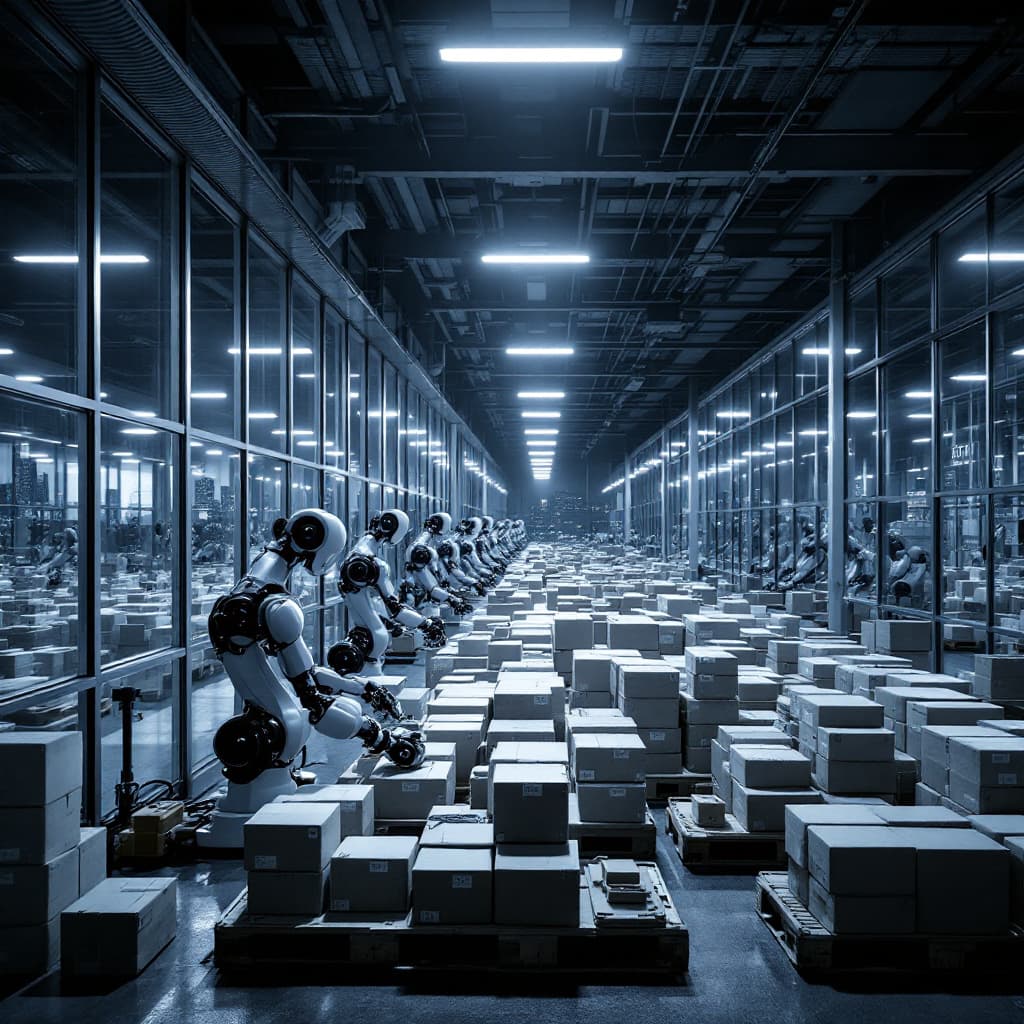
Warehouse Robotics: How It Works
Warehouse robotics is revolutionizing the logistics inWarehouse robotics is revolutionizing the logistics industry by automating various warehouse operations, including inventory management, order fulfillment, and transportation of goods. These robotic systems enhance efficiency, reduce labor costs, and minimize human errors. As businesses seek to optimize their supply chains, the adoption of robotics in warehousing continues to expand. Consequently, companies are focusing on integrating robotics to improve overall workflow. This article explores how warehouse robotics functions and the different types of robots used in modern warehouses.

The Impact of 5G on Logistics: What You Need to Know
The rise of 5G technology is transforming industries worldwide, and logistics is no exception. With faster data transmission, ultra-low latency, and enhanced connectivity, 5G is set to revolutionize supply chain management, transportation, and warehouse automation. As a result, businesses can expect greater efficiency and improved operations. This article explores how 5G is reshaping logistics, its key benefits, and what businesses need to know to stay ahead in a rapidly evolving landscape.

Virtual Reality in Logistics Training: A New Era
The logistics industry is evolving rapidly, driven by technological advancements that enhance efficiency and streamline operations. One of the most significant innovations in recent years is the adoption of Virtual Reality (VR) in training programs. VR is revolutionizing how logistics professionals acquire skills, improving safety, efficiency, and workforce preparedness. This article explores how virtual reality is transforming training in logistics, the key benefits it offers, and what the future holds for this technology in the industry. The Role of Virtual Reality in Logistics Training 1. Immersive Learning Environments VR creates realistic, interactive simulations where trainees can
Applying Machine Learning in Inventory Management
Efficient inventory management is crucial for businesses seeking to optimize operations, reduce costs, and enhance customer satisfaction. Traditional inventory management relies on historical data and rule-based systems, which often struggle to adapt to changing demand patterns. Machine learning (ML) is revolutionizing this field by providing predictive analytics, automation, and real-time insights. This article explores how machine learning is applied in inventory management, its key benefits, and future trends in the industry.
How CRM Systems Help in Logistics
Customer Relationship Management (CRM) systems have become essential tools for businesses across industries, including logistics. Since efficiency, communication, and customer satisfaction are critical in this industry, CRM solutions streamline operations, improve visibility, and optimize workflow management. As a result, logistics companies can enhance their service delivery. This article explores how CRM systems contribute to logistics operations, their key benefits, and the future of CRM in the logistics sector. Key Ways CRM Systems Improve Logistics 1. Enhanced Customer Communication CRM platforms centralize customer data, allowing logistics companies to track interactions, preferences,
Logistics and Smart Contracts: How It Works
The logistics industry is evolving rapidly with digital transformation, and one of the most promising innovations is the use of smart contracts. These self-executing agreements, powered by blockchain technology, help automate transactions, improve security, and increase efficiency in supply chain management. Since they remove intermediaries and increase transparency, smart contracts transform logistics operations. This article explains how smart contracts function in logistics, their key benefits, and the challenges businesses must address. What Are Smart Contracts? Smart contracts are digital agreements that execute automatically when predefined conditions are met. Since they use
Sustainable Practices in Logistics: How to Reduce the Carbon Footprint
The logistics industry plays a crucial role in global trade and economic growth, but it is also a significant contributor to carbon emissions. As climate change concerns rise, companies are adopting sustainable logistics practices to minimize their environmental impact. By integrating energy-efficient technologies, optimizing supply chains, and using alternative fuels, businesses can reduce their carbon footprint while maintaining efficiency and profitability. This article explores sustainable logistics practices, their benefits, and future industry trends.
How Companies Can Reduce Waste in Logistics
As global supply chains grow, logistics operations generate significant waste, including packaging materials, fuel emissions, and inefficiencies in transportation. Companies must adopt sustainable practices to reduce waste, optimize resources, and contribute to environmental conservation. This article explores key strategies for minimizing waste in logistics and improving overall efficiency.
Logistics and Social Responsibility: How Companies Can Support Society
As global supply chains continue to expand, logistics companies play a vital role in shaping social responsibility efforts. Beyond ensuring efficient transportation and supply chain operations, businesses in the logistics sector have a unique opportunity to positively impact society. Through sustainable practices, fair labor policies, and community engagement, logistics companies can contribute to economic growth and social well-being. This article explores key ways companies in logistics can embrace social responsibility and help society.
Green Initiatives in Logistics: Examples of Successful Companies
The logistics industry is changing rapidly as companies adopt green initiatives to reduce their environmental impact. As sustainability becomes a priority, businesses are focusing on eco-friendly transportation, sustainable packaging, and carbon offset programs. These initiatives help logistics firms lower their carbon footprint while improving efficiency. This article highlights key green initiatives in logistics and showcases successful companies leading the way in sustainability. Key Green Initiatives in Logistics 1. Eco-Friendly Transportation Many logistics companies are switching to electric and hybrid delivery vehicles, which significantly reduce fuel consumption. Additionally, firms
How to Choose Eco-Friendly Transportation Solutions
Introduction Sustainable transportation is becoming a key priority for businesses and individuals looking to reduce their carbon footprint. With climate change concerns and stricter environmental regulations, the demand for eco-friendly transport solutions continues to grow. Choosing the right environmentally friendly transportation method depends on factors such as emissions reduction, energy efficiency, and long-term sustainability. This article explores various green transportation options, their benefits, and how to select the best solution for your needs. Key Eco-Friendly Transportation Solutions 1. Electric and Hybrid Vehicles Electric vehicles (EVs) and hybrid models significantly
Logistics and Climate Change: How to Adapt
Climate change is having a major impact on global logistics. It causes supply chain disruptions, increases transportation costs, and leads to stricter regulations. As extreme weather events become more frequent and governments tighten environmental policies, logistics companies must find ways to stay efficient and sustainable. This article explores the key challenges posed by climate change in logistics and provides strategies to build resilience. Challenges of Climate Change in Logistics 1. Extreme Weather Disruptions Floods, hurricanes, wildfires, and extreme temperatures are increasingly affecting transportation networks, warehouses, and ports. These events lead to delays, damage goods,