


 Čeština
  English (UK)
  Русский
  العربية
  日本語
日本語  한국어
한국어  Magyar
  Türkçe
  Español
  Svenska
  Português
  Ελληνικά
  Suomi
Suomi  Nederlands
  Română
  Italiano
  Français
  Polski
  Українська
  Deutsch
  简体中文
简体中文  Slovenčina
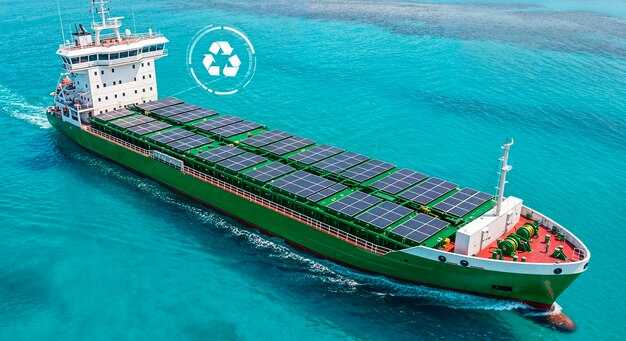
Recommendation: Integrujte dekarbonizační cestu společnosti Maersk s Nízkoemisní chartou BEC tím, že se zavážete k měřitelnému cíli – snížení intenzity CO2 o 25–35 % do roku 2030 – a zároveň upřednostníte alternative paliva na vysoce potenciálních trasách vedoucích přes asia a koridorů kanálů. Zaveďte čtvrtletní přehled pokroku a zveřejňujte nezávislé ověřování, abyste zajistili odpovědnost napříč vozovými parky a závazky vůči zákazníkům.
Připojení k aliance, Maersk signalizuje hmatatelný pokrok v oblasti nosič a širší skupina z operatoři. Charta tvoří vyhrazené pracovní skupina sdílet osvědčené postupy, sladit plány doplňování paliva a urychlit zavádění nízkoemisních paliv. The initiative umožňuje užší spolupráci s přístavy, zákazníky a regulačními orgány ke snížení rizik na dálkových trasách a průplavech, které formují asia-a-europe provoz.
Mezi strategické akce patří modernizace motorů pro zvýšení účinnosti a pilotní programy. paliva jako LNG, methanol a amoniak a vyhodnocování alternative možnosti pohonu na nejfrekventovanějších koridorech společnosti Maersk. operatoři bude sdílet data o plavbě pro kvantifikaci potential snižování emisí a zdokonalovat postupy, jako je optimalizace rychlosti, plánování trasy podle počasí a plánování návštěv v přístavech, a přináší significant zisky bez obětování spolehlivosti.
Stanovy legal rámec prosazuje věrohodné vykazování. Společné efforts pomáhá dodavatelům paliva, správám přístavů a zákazníkům sladit se v oblasti dodávek, začlenění a školení. Tato politika podporuje closer spolupráce s asia zainteresovaným stranám a úřadům pro správu kanálů, aby se dodržovaly harmonogramy a omezovalo plýtvání balastem a palivem. Kontaktní osoba daan koordinuje mezifunkční akce, aby převedla milníky do akcí na úrovni lodí, což ukazuje, že thats kritický okamžik pro dekarbonizaci a odolnost v lodní dopravě.
Důraz na implementaci: Praktické kroky pro nízkouhlíkovou chartu
Přijměte plán pro celou flotilu založený na datech, který mapuje emise napříč skupinou Maersk, a uzavírejte cílená partnerství s poskytovateli technologií pro podporu dekarbonizace. To je hlavní přístup, který může společnost Moller-Maersk a širší síť námořní logistiky realizovat již nyní.
Krok 1: Vytvořte centrální úřad pro standardizaci výpočtů emisí, sjednocení základních linií a jmenujte vedoucího odpovědného za správu a cíle. Podepsaná charta se stane kotvou pro celoskupinový proces přezkumu a transparentní podávání zpráv o pokroku zainteresovaným stranám.
Krok 2: Modernizujte vybavení a technologie v celém loďstvu. Upřednostněte lodě s vysokými emisemi pro modernizace, instalujte možnosti pobřežního napájení tam, kde jsou k dispozici, a pilotujte bezemisní pohon na definované podmnožině lodí. Integrujte data o motorech s plánováním logistiky, abyste snížili spotřebu paliva a emise na plavbu.
Krok 3: Vybudujte partnerství se staviteli, dodavateli lodního vybavení a společnostmi kongs s cílem zajistit škálovatelná řešení, která odpovídají provozu společnosti Maersk. Spolupracujte s nezávislými laboratořemi a dodavateli na validaci výkonu před rozsáhlým nasazením, čímž zajistíte, že skupina zůstane schopna rychlého růstu.
Krok 4: Využijte analytickou platformu Daan ke sledování pokroku a přeměně klimatických závazků v konkrétní kroky. Vytvořte panely, které pokrývají logistické sítě po celém světě, sledují intenzitu CO2 vozového parku a zobrazují potenciál snížení emisí na úrovni trasy.
Krok 5: Slaďte vykazování s očekáváními zákazníků a regulačních orgánů. Zveřejňujte čtvrtletní zprávy o pokroku, podepsané milníky a revidované cíle, jak technologie zrají a výsledky se rozšiřují v celém vozovém parku.
Multipalivové cesty: Výběr paliv napříč vozovými parky
Zaveďte multifuelové mapování pro každou flotilu a přidělte primární palivovou cestu pro každou skupinu plavidel na základě trasy, stáří a připravenosti. Vycházejte z klasifikačních dat: velikost lodi, plány zátěže, návštěvy přístavů a typy motorů, a poté je přiřaďte k proveditelným možnostem s nulovými emisemi, jakmile budou k dispozici. Tento přístup zachovává flexibilitu stávajícího systému společnosti Maersk a zároveň rozšiřuje možnosti nízkouhlíkových řešení v rámci provozu.
Pro urychlení přijetí stanovte postupný roční plán, který bude v souladu s vizí sdílenou členy BEC Low Carbon Charter. Jeden systém může integrovat námořní data od plánování plavby po bunkrování v terminálu, což umožní užší spolupráci mezi dopravci, přístavy jako Londýn a panamské terminály a dodavateli. Používejte bílé knihy k dokumentaci osvědčených postupů a sledování pokroku, čímž zajistíte, že klasifikace bude i nadále odrážet schopnosti plavidla a riziko trasy. Každý dopravce získá jasný přehled pro plánování postupného zavádění v jednotlivých letech. Zlepší se tím také transparentnost pro zúčastněné strany a investory.
V Asii rozmístěte piloty na trasy do a z hlavních uzlů a koordinujte s partnery se sídlem v Londýně standardizaci tankování, sdílení dat a logistiky terminálů. Tím se vytváří užší smyčka mezi provozem flotily a cíli charty, což pomáhá společnostem v okolí přístavů dosáhnout rychleji nulových cílů. Tento přístup zůstává kompatibilní s probíhající klasifikací a podporuje společný datový systém v sítích společnosti Maersk.
Pro kvantifikaci připravenosti zaveďte jednoduché bodování v pěti dimenzích: dostupnost alternativních paliv na terminálech, kompatibilita tříd plavidel, připravenost infrastruktury a smlouvy s dodavateli. To rozšíří viditelnost a pomůže stanovit realistické roční cíle pro každou skupinu. Tabulka níže nastiňuje pravděpodobnou cestu podle roku a regionu, s poznámkami o propojení s řešeními Maersk a provozem dopravců.
| Skupina vozidel | Aktuální palivo | Primární vícepalivová varianta | Časová osa (rok) | Poznámky |
|---|---|---|---|---|
| Plavidla pro krátké námořní trasy (panamsko-asijské trasy) | MGO/MDO | Úpravy pro LNG, připravené na methanol | 2025–2027 | Terminálové bunkrování v Asii rozšiřuje možnosti; podporuje nulové cíle |
| Střednědobí dopravci | HFO | Methanol, biopaliva, připraveno pro LNG | 2026–2028 | Vyžaduje aktualizované enginy a podporu portů |
| Long-range container ships | HFO | Ammonia-ready, methanol-ready, LNG | 2030 | Scale-up of green energy supply at terminals |
| Idle or yard ships | - | Hydrogen-ready, ammonia-ready | 2025–2026 | Near-term zero goals and rapid retrofits |
Last-Mile Emissions Reduction: Drayage, ports, and hinterland optimization
Take a unified, data-driven approach: electrify drayage fleets, streamline port calls, and optimize hinterland routing with real‑time visibility. Recently, Maersk joined the BEC Low Carbon Charter to accelerate shipping decarbonization, signaling a strategic, united push across the supply chain. The headquarters in London anchors partnerships with port authorities, trucking associations, and regional regulators, enabling closer collaboration and setting a practical timetable that takes effect this June.
Target drayage decarbonization by electrifying urban fleets and expanding on-dock charging. Data from pilot programs indicate emissions reductions of 20–35% when electric trucks operate in port precincts with fast-charging lanes. In the United Kingdom, phased rollout along London corridors could cut total port-area transport emissions by up to 25% within two years. Use technology to coordinate ship calls with truck slots, reducing gate and yard idle times and improving throughput.
Improve port throughput by aligning vessel calls with gate operations: implement berth scheduling, remote monitoring, and shore power to decarbonize berth activity. Digital data sharing across terminals lowers dwell times and enables more precise planning, while a common data standard enhances interoperability. This approach reduces fuel burn, supports climate aims, and accelerates decarbonize progress at key hubs.
Hinterland optimization, the path to lowering total transport emissions, combines inland rail and short‑sea routes with optimized container routing. Consolidate loads, shift volume to zero‑emission modes where feasible, and use predictive routing to minimize total miles and energy use. A data platform that aggregates supply and transport data can quantify emissions reductions and help target investments along corridors in London and other major gateways.
Governance and partnerships: establish an alliance among ports, carriers, trucking firms, and logistics providers, with supply‑chain leadership to drive action. Set a shared setting for a certificate program that records milestones and reinforces accountability. The alliance aims to join additional partners, offering incentives such as preferential access and streamlined permitting. By tying certificates to measurable progress, the total footprint falls as transport and drayage steps decarbonize, supporting climate commitments and delivering tangible efficiency gains.
Container Terminal Decarbonisation: Electrification, power management, and operations
As Maersk joins BEC Low Carbon Charter to accelerate shipping decarbonisation, implement a phased electrification program at maersk’s asia-based terminals, starting with the fifth terminal, and tie it to a centralized energy management system. Take a data-driven approach to cut diesel use in yard equipment by 60% and in quay cranes by 30% within three years, with progress verified by a formal certificate of milestone completion. This aligns with maersks ambition under the charter, and ships can take the lead as the fifth terminal demonstrates the model for other terminals in asia.
Operational integration: deploy shore power at berths and yards, install battery storage to flatten peaks, and upgrade to electric-driven container handling equipment and RTGs. Route energy through a single energy management system (EMS) that optimizes loads per shift and per vessel, supported by continuous assessment. Use validation checks to confirm real-world savings and update the certificate accordingly.
Governance and collaboration: form a working group with entities across the supply chain, from ship operators to terminal operators and energy providers, spanning from port authorities to grid operators, including kingdom authorities where needed, to ensure alignment with schedules and reliability. This strategic alliance accelerates climate benefits and makes the initiative scalable across asia and beyond. The program must be capable of delivering total emissions reductions while maintaining safety and performance.
Legal and data integrity: secure permits and grid access; implement a certificate-based auditing regime for terminals and a validation protocol for energy data. Define a legal framework that supports long-term power contracts and grid stability, enabling maersk and its partners to bring down emissions while preserving reliability.
Metrics and mile markers: set a baseline and track energy intensity per TEU, total energy consumption, and the share of electrified equipment. This program covers every mile of terminal operations, with quarterly dashboards and a validation report to verify results. The asia-focused rollout at the fifth terminal can serve as a scalable model for the from-to total network, bringing climate benefits to ships and terminals across markets.
Fuel Pathway and Engine Innovation: Methanol engines and future propulsion options
Adopt methanol engines now to unlock near-term decarbonisation with scalable supply and clear certification paths.
-
Fuel pathway and opportunities: Methanol provides a practical pathway for decarbonisation. The fuel can be produced from renewable energy and captured carbon, creating a climate-friendly option when green methanol is used. Technologies for methanol propulsion fall into two main categories: spark-ignition engines designed for methanol and dual-fuel engines that switch between methanol and conventional fuels. This classification supports the biggest ships and smaller feeders alike, enabling carriers to take early steps without a complete fleet repower. The supply chain recently expanded with more bunkering options and regional methanol hubs, improving fuel availability and reducing supply volatility, creating opportunities for regional players.
-
Engine innovation trajectory: The engine options include high-efficiency spark-ignition methanol engines and dual-fuel configurations that allow a diesel or heavy fuel pilot while running on methanol. This mix yields significant emissions reductions when powered by green methanol, while preserving reliability and engine durability. Efficiency gains come from optimized air-fuel control and cylinder pressure management, with public-private collaboration driving standardised testing and certificate processes. Maersk, headquartered in Copenhagen, has led efforts to align equipment with classification society requirements and to publish a performance certificate for new builds and retrofits. For a carrier evaluating options, fuel flexibility is key.
-
Targets, barriers and supply chain: Current targets set by the IMO and national regulators require emissions reductions in the 2030s and beyond. The biggest barriers include higher upfront capex, limited availability of green methanol at scale, and the need for robust safety credentials and environmental certificate processes. To mitigate risk, shipowners should secure offtake agreements and join a multi-stakeholder group to coordinate supply and bunkering. Classification societies are updating rules to certify methanol-ready engines and fuel systems, helping to reduce delays and build confidence in the fleet.
-
june progress and leadership: In june, Maersk joined a public-private group focused on methanol technology deployment, signaling leadership and commitment to a coordinated rollout. This collaboration aligns supplier capacity, port infrastructure, and vessel design standards, increasing predictability for carriers and equipment manufacturers.
-
Future propulsion options and takeaways: While methanol serves as a climate-friendly bridge fuel, the industry must prepare for broader options, including ammonia and hydrogen blends for long-term decarbonisation. A phased plan should: (a) expand methanol-powered vessels and retrofit programs, (b) develop scalable green methanol supply with power-to-methanol pathways, and (c) maintain engine designs that can switch fuels if needed. The equipment footprint should be optimized for efficient operation, with lightweight fuel tanks, robust safety systems, and a streamlined certificate process to reduce certification time. Over the coming year, fleet-wide targets should reflect a staged transition, demonstrating cost-effective fuel conversion for the biggest carriers and their fleets.
Regulatory Landscape and Partnerships: Global rules, alliances, and compliance
Establish a centralized regulatory compliance hub to coordinate global rules and partnerships.
Global rules shape shipping operations, investment plans, and decarbonisation trajectories. IMO-supported frameworks, including CII, EEXI, and MRV, set a common baseline that carriers, shippers, and terminals must meet. Translate policy into action by mapping these requirements to concrete projects, ensuring data is captured in a unified system and reported with transparency; the resulting clarity supports risk management and financing decisions.
- Global frameworks and standards: align internal data and reporting with IMO-supported schemes, and prepare for future amendments that affect fleets and port calls.
- Regional and national measures: harmonize requirements across Europe, Asia, and the Americas to reduce duplication and speed compliance across carriers and supply chains.
- Port and terminals policy: integrate bunkering, loading windows, and digital interfaces at terminals to minimize disruption and enable real-time reporting.
- Incentives and finance: leverage green finance and carbon pricing where available; translate policy signals into budget allocations for retrofit, fuel-switching, and technology deployment.
Partnerships and alliances drive speed and scale. Create a strategic alliance among carriers, shippers, terminals, and technology providers, anchored by a taskforce that oversees joint projects and data standards. Publish white papers that codify governance, risk management, and decarbonisation metrics to accelerate adoption by the broader industry. This approach supports science-based targets and aligns with a global vision to decarbonise shipping.
- Joint projects and pilots: run at high-impact terminals and along key supply routes to test new fuels, energy-efficient equipment, and digital twins for route optimization.
- Data governance and technology transfer: establish secure data-sharing protocols, common data models, and interoperable interfaces to support scorecards and dashboards.
- Asia-first initiatives: leverage regional hubs to demonstrate scalable pathways that feed into a broader, imo-supported framework and contribute to significant emissions reductions.
- Kongs and other technology partners: engage builders and technology suppliers to accelerate container handling efficiency and automated operations at terminals.
Implementation roadmap for this year and beyond includes a clear June milestone. By aligning regulatory discipline with strategic collaborations, the industry can deliver efficient, scalable decarbonisation pathways, supported by science and a shared supply-side vision. This approach spans the worlds of shipping and logistics. The resulting governance structure will benefit carrier services, terminal operations, and the overall global logistics chain while maintaining a competitive, compliant posture.