


 Čeština
  English (UK)
  Русский
  العربية
  日本語
日本語  한국어
한국어  Magyar
  Türkçe
  Español
  Svenska
  Português
  Ελληνικά
  Suomi
Suomi  Nederlands
  Română
  Italiano
  Français
  Polski
  Українська
  Deutsch
  简体中文
简体中文  Slovenčina
  FedEx Profit Outlook Brightens as MD-11F Grounding Poses Bigger Challenge for UPS">

Optimistická prognóza zisků společnosti FedEx
Společnost FedEx vstupuje do vánoční sezóny s nadějí a očekává lepší zisky než v loňském roce. Toto zlepšení očekávání zisků pomáhá zmírnit obavy z možného zpomalení během obvykle rušného období a trvající nejistoty v oblasti obchodu, které rozbouřily trhy. Očekává se, že druhé fiskální čtvrtletí společnosti, které končí na konci listopadu, přinese očištěný zisk na akcii vyšší než loňská hodnota 4,05 USD.
Jak uzemnění MD-11F ovlivňuje průmysl
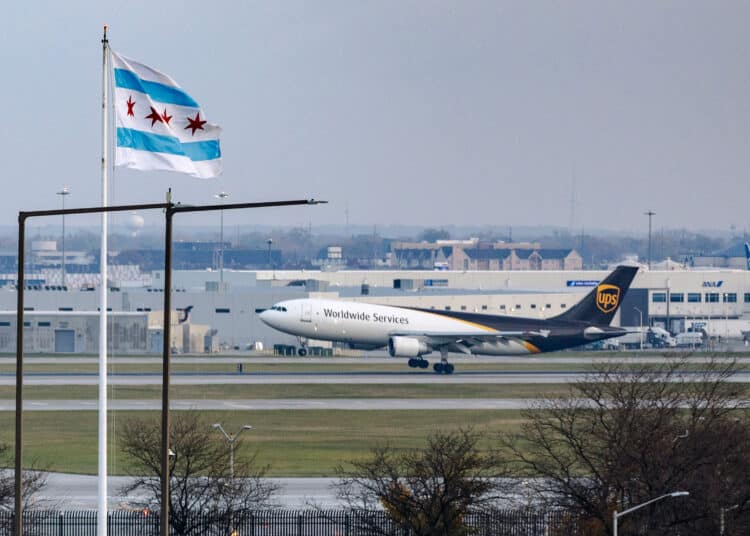
Jedním z významných vývojů otřásajících sektorem letecké nákladní dopravy je odstavení letadel MD-11F. Ačkoli tento krok ovlivňuje jak FedEx, tak UPS, zasvěcenci z oboru naznačují, že UPS by mohla pocítit ostřejší dopad vzhledem k jejich většímu spoléhání se na tento model pro nákladní operace.
MD-11F, nákladní letoun, který byl základem flotily nákladních dopravců, náhle ustupuje do pozadí, což znamená, že jsou nutné okamžité provozní úpravy. Operátoři ACMI — tedy ti, kdo zajišťují letadla, posádku, údržbu a pojištění — by mohli najít nové příležitosti, protože dopravci hledají dočasné alternativy. To vyvolalo dominový efekt a generuje novou poptávku v sektoru letecké nákladní dopravy, kterou musí poskytovatelé logistiky a manažeři dodavatelského řetězce sledovat.
Strategické kroky společnosti FedEx v logistice
Kromě ujištění ohledně prognózy zisku FedEx rozšiřuje svou logistickou stopu. Například otevření nového logistického uzlu na letišti v Tallinnu představuje strategický krok k posílení distribuční kapacity v severní Evropě. Taková zařízení nejen usnadňují toky balíků, ale také zvyšují spolehlivost služeb uprostřed nepředvídatelných globálních obchodních podmínek.
Celoodvětvové dopady a logistické důsledky
Uzemnění letadel MD-11F a změny v poptávce během vánoční sezóny představují klasický případ toho, jak úzce jsou v logistickém plánování propojena dopravní aktiva a včasné prognózy zisku. Společnosti musí vyvážit dostupnost vozového parku se sezónně kolísajícími objemy zásilek a zajistit minimální narušení dodavatelských řetězců. Je to žonglování, do kterého jsou zapojeni spediční dopravci, kurýři a dispečerské služby, kteří koordinují činnosti, aby se zabránilo úzkým místům v doručovacích operacích.
Tabulka 1: Klíčové rozdíly v dopadu na flotilu MD-11F společností FedEx a UPS
| Faktor | FedEx | UPS |
|---|---|---|
| Počet letadel MD-11F ve flotile | Menší | Větší |
| Závislost na MD-11F | Dolní | Vyšší |
| Operační dopady v důsledku uzemnění | Mírná | Significant |
| Alternativní možnosti letadel | Flexibilnější | Omezené |
Jak je uvedeno výše, menší závislost společnosti FedEx na MD-11F umožňuje větší flexibilitu při řešení této výzvy, zatímco UPS může čelit přísnějším omezením, což by mohlo narušit její logistické toky a harmonogramy přepravy v období špiček.
Operátoři ACMI jako záchranná četa
Když jsou interní letadla vyřazena z provozu, ACMI poskytovatelé mohou rychle zasáhnout s pronajatými letadly a posádkami, a působí tak jako klíčová záchranná síť pro dopravce, kteří potřebují udržet úroveň služeb. Tato dynamika zdůrazňuje důležitost univerzálních logistických řešení, kde rychlé úpravy v přepravě a distribuci pomáhají udržet důvěru zákazníků během rušných sezón.
Širší kontext: Orientace v logistice během svátků
V logistice se prázdninové období podobá navlékání nitě do jehly – načasování je vším a tlak na zamezení zpožděním je stejně vysoký jako pouštění draka ve větrném dni. Když jsou letadla jako MD-11F uzemněna, byť jen dočasně, následky se mohou projevit v nákladní, balíkové a objemné spedici. Poskytovatelé logistických služeb musí být pohotoví, přesměrovávat zásilky, hledat alternativy a řídit kolísající objemy nákladu.
Tato situace podtrhuje strategickou hodnotu v rozmanitosti možností přepravy a silných vztazích s nákladními dopravci. Platformy jako GetTransport.com nabízí pohodlný pohled do této komplexnosti tím, že poskytuje přístup ke globální síti služeb nákladní dopravy, které uspokojí různé potřeby – od stěhování kanceláří a domácností po přepravu velkých předmětů, jako jsou vozidla a nábytek.
Seznam: Logistické strategie pro zmírnění dopadů odstavení letadel na zemi
- Pronájem letadel od ACMI operátorů pro dočasnou kapacitu
- Využívání alternativních druhů přepravy nákladu, jako je železniční nebo silniční doprava, je-li to proveditelné
- Zlepšení konsolidace nákladu pro maximalizaci prostoru na dostupných letech
- Zvýšení flexibility v harmonogramech přeprav s cílem přizpůsobit se omezením vozového parku
- Rozvíjení silnějších partnerství s poskytovateli logistických služeb třetí strany v celosvětovém měřítku
Proč je to důležité: Klíčové poznatky pro přepravce a profesionály v logistice
Ačkoli současné změny samy o sobě nemusí vyvolat masivní otřes v globální logistice, rozhodně odrážejí nepředvídatelnou povahu dopravních sítí. Uprostřed takových výkyvů se společnosti nabízející komplexní a cenově dostupné možnosti přepravy – včetně nákladní dopravy, spedičních služeb a služeb stěhování – stávají nepostradatelnými.
Složitost distribuce nákladní a kurýrní přepravy během sezónních špiček je jako provazochodectví; spoléhání se na transparentní a nákladově efektivní platformy, které poskytují široký výběr, tak může znamenat rozdíl mezi hladkým provozem a logistickou noční můrou. Ať už se jedná o stěhování domu, odesílání velkých palet nebo mezinárodní přesun vozidel, řešení, která se rychle přizpůsobí změnám, jako jsou ta dostupná na GetTransport.com, zajišťují bezproblémový chod.
Osobní zkušenost: Poslední slovo
Žádné množství nadšených recenzí nebo průmyslových prognóz nemůže plně nahradit perspektivu získanou přímou zkušeností s logistikou. Na GetTransport.com si zákazníci mohou zajistit přepravu nákladu za konkurenceschopné ceny po celém světě, což jim umožňuje činit chytrá rozhodnutí bez zbytečných nákladů nebo překvapení. Transparentnost a pohodlí platformy vynikají a nabízejí spolehlivé možnosti, které se dokonale shodují s kolísající poptávkou po přepravě a sezónními změnami.
Rezervovat nyní na adrese GetTransport.com využít nejlepších nabídek v globální nákladní dopravě.
Závěrem: Logistika v měnícím se prostředí
Prognóza společnosti FedEx o zlepšení čtvrtletních zisků a rozvíjející se dopad odstavení letadel MD-11F ilustrují složitý soulad kapacity letecké nákladní dopravy a logistických tlakových bodů během vánoční sezóny. Zatímco UPS čelí strmějším výzvám kvůli složení své flotily, adaptabilní strategie společnosti FedEx a expanze do nových logistických center ji staví do dobré pozice. Pro kontinuitu nákladní dopravy a zásilek je klíčová role operátorů ACMI a flexibilních řešení přepravy pro udržení hladké distribuce a doručování.
Vzhledem k nestabilním podmínkám v dopravě musí být speditéři a dispečeři nákladů flexibilní a spoléhat se na spolehlivé služby, které zvládnou různorodé logistické potřeby – od distribuce objemných zásilek po mezinárodní přepravu. Zde vynikají platformy jako GetTransport.com, které nabízejí cenově dostupnou globální síť, jež zjednodušuje složitost přepravy zboží a efektivně řídí relokace.
Zkrátka a dobře, orientace ve změti dynamických požadavků na přepravu, dostupnosti dopravy a sezónních špiček vyžaduje důvtipné plánování a flexibilní řešení. Využitím spolehlivých logistických služeb si podniky i jednotlivci mohou zajistit, že jejich zásilky dorazí včas a nezruinují je to.