


 Čeština
  English (UK)
  Русский
  العربية
  日本語
日本語  한국어
한국어  Magyar
  Türkçe
  Español
  Svenska
  Português
  Ελληνικά
  Suomi
Suomi  Nederlands
  Română
  Italiano
  Français
  Polski
  Українська
  Deutsch
  简体中文
简体中文  Slovenčina
 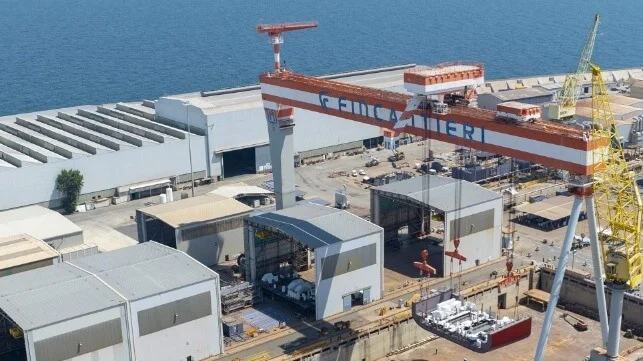 Fincantieri’s Bold Move to Strengthen Shipbuilding Operations and Its Implications for Freight Transport">

The Vision Behind Fincantieri’s Shipbuilding Overhaul
Fincantieri is embarking on a strategic journey aimed at consolidating and reinforcing its shipbuilding business. This plan is designed not just to streamline production but also to respond effectively to the evolving demands of maritime construction and logistics. Such an initiative represents more than just corporate restructuring—it’s a signal of how the maritime sector is gearing up to meet future challenges with more resilient and efficient frameworks.
Why Consolidate Shipbuilding Operations?
In the shipbuilding industry, consolidation can mean the difference between sailing smoothly through market turbulences or getting caught in a storm of inefficiencies. By merging operations, Fincantieri intends to reduce redundancies, improve resource sharing, and foster innovation under a unified operational umbrella. This kind of comprehensive integration aims to enhance production timelines and deliver greater value to clients and partners alike.
The Impact on Production and Efficiency
Combining various shipbuilding facilities and teams under a streamlined management system often leads to quicker decision-making and increased agility in production processes. Fincantieri plans to capitalize on modern technologies, digitalization, and automation to minimize delays and optimize workflows. The knock-on effect benefits the entire supply chain—from procurement to final vessel delivery—making ships ready for deployment faster and with uncompromised quality.
How This Strategy Influences Global Logistics
Shipbuilding and Logistics: Two Sides of the Same Coin
Shipbuilding is deeply intertwined with logistics, as the timely delivery of materials, components, and finished vessels is critical to global maritime operations. Improved ship production efficiency directly affects shipping schedules, freight timetables, and overall supply chain reliability. When a shipbuilder like Fincantieri tightens its operations, it ripples across the logistics world, offering opportunities for more predictable and well-coordinated cargo movements.
Consolidation’s Role in Cargo Transport Reliability
By enhancing manufacturing speed and quality, shipping companies can plan their cargo dispatches with higher confidence. Delays in ship delivery can cascade into postponed shipments, warehouse congestion, and costly inventory management. Fincantieri’s initiative promises to reduce these risks, ultimately ensuring freight and delivery services stay on course without a hitch.
Technology as a Game Changer
The modern maritime sector is no stranger to digital tools—ranging from AI-powered scheduling to autonomous vessel components. Fincantieri’s consolidation plan leans on adopting these advancements to automate workflows and support compliance with new environmental standards. These steps are vital both for building the vessels and for maintaining an eco-friendly and efficient shipping infrastructure, which is crucial as global freight demands keep growing.
What This Means for Large and Bulky Cargo Shipping
Heavy and oversized shipments, like machinery, large-scale equipment, or even vehicles, depend hugely on the availability and reliability of well-built transport vessels. Given the complexity of moving such bulky goods, fewer delays and more standardized ship production enhance logistics providers’ ability to arrange seamless cargo forwarding. This is especially relevant to platforms like GetTransport.com, which specialize in moving a diverse range of cargo worldwide.
| Aspekt | Before Consolidation | After Consolidation |
|---|---|---|
| Production Speed | Fragmented across multiple sites, slower | Unified, faster throughput |
| Využití zdrojů | Less efficient, duplicated roles | Optimized allocation, fewer redundancies |
| Logistics Coordination | Challenging, inconsistent timing | Improved scheduling, reliable deliveries |
| Integrace technologií | Limited use, patchy implementation | Comprehensive digital and automation adoption |
Supply Chain Efficiencies and Freight Forwarding
Shipbuilding operations that are tightly managed translate to predictability in the freight logistics sector. For companies orchestrating the transport of parcels, pallets, or even containerized shipments, knowing when ships will be ready to dock and load is a game changer. It’s like having a well-tuned orchestra—everyone plays their part on time, and the symphony of global distribution never skips a beat.
Role platforem jako GetTransport.com
When vessel production keeps pace with market needs, digital logistics platforms such as GetTransport.com shine even brighter. Offering affordable and global cargo transportation solutions, this service extends its capabilities to anything from office and home moves to the shipping of large, bulky items, automobiles, or freight consignments. By connecting customers with reliable haulers worldwide, it bridges supply and demand like a well-oiled machine, supporting smoother freight dispatch and better resource use.
In Summary: Fincantieri’s Plan and the Future of Freight Logistics
Fincantieri’s effort to consolidate and strengthen its shipbuilding operations is more than restructuring—it’s a push toward resilience and efficiency in maritime construction. This approach empowers a more dependable global supply chain, better scheduling of freight shipments, and a leap forward in embracing technology to boost productivity. For logistics professionals and businesses moving freight internationally, such developments signal a smoother voyage ahead.
While reviews and expert reports provide a solid understanding of these industry changes, nothing beats firsthand experience when choosing a logistics partner. Platforms like GetTransport.com give you access to competitive rates and extensive transport options globally, helping avoid unnecessary costs or surprises on the road or sea. Their transparent system and broad service range make it easier to plan any shipment, no matter how bulky or specialized. Book your ride with GetTransport.com and experience the difference in reliable delivery firsthand.
The ripple effects of Fincantieri’s consolidation plan on the global logistics stage might not be seismic, but they’re certainly significant enough to keep an eye on. Efficient shipbuilding aligns straight with smoother cargo flows and shorter freight delays, which is a win for everyone involved in maritime shipment and transport. At GetTransport.com, staying updated with such industry moves ensures that customer freight, from parcels to pallets and containers, is handled with the utmost care and timeliness. Start planning your next delivery and secure your cargo with GetTransport.com.
Ultimately, Fincantieri’s strategy reveals a broader trend toward integration and digital innovation in shipbuilding, echoing through the freight, shipment, and forwarding worlds. As ships become quicker to build and better equipped, logistics companies gain the backbone they need for reliable distribution and dispatch. Thanks to the seamless coordination between ship manufacture and freight transport, industries and consumers alike can expect smoother relocations, housemoves, and bulk deliveries going forward.