


 Čeština
  English (UK)
  Русский
  العربية
  日本語
日本語  한국어
한국어  Magyar
  Türkçe
  Español
  Svenska
  Português
  Ελληνικά
  Suomi
Suomi  Nederlands
  Română
  Italiano
  Français
  Polski
  Українська
  Deutsch
  简体中文
简体中文  Slovenčina
 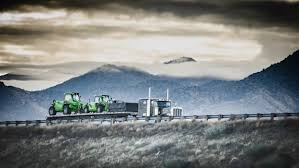 Pochopení zpřísnění pravidel CDL FMCSA a jeho vlivu na americkou zemědělskou práci a logistiku sklizně">

FMCSA’s CDL Rule and Its Impact on Agricultural Transport Workforce
The Federal Motor Carrier Safety Administration (FMCSA) enacted an interim final rule (IFR) targeting non-domiciled commercial drivers, a move that has sent ripples through the agricultural sector, especially those who rely heavily on foreign farm workers for harvesting. While there is a specific exemption for H-2A farm workers holding commercial driver’s licenses (CDLs), confusion among state agencies seems to have threatened the essential flow of these workers, putting the critical harvesting workforce in jeopardy.
U.S. Custom Harvesters, Inc. (USCHI), a professional association serving American farmers with grain, forage, and cotton harvesting, highlights that many states have inadvertently delayed issuing CDLs to H-2A visa holders, even though these workers are explicitly exempt under the IFR. Such apprehension could cause serious disruption during the busy harvesting season, as these licensed workers operate heavy-duty equipment and manage crucial transport logistics for agricultural operations.
Why H-2A Visa Holders Are Vital
The H-2A visa program isn’t just a bureaucratic detail—it represents an agricultural lifeline. Roughly 30% of USCHI’s employer members rely on this program, which accounts for over 75% of the total harvesting workforce. According to Department of Labor data, over 5,600 H-2A visas went to heavy and tractor-trailer drivers alone in the fiscal year 2024, while the total number of certified H-2A workers topped 391,000. These workers keep the gears of domestic agriculture turning, literally and figuratively, by manning machinery and transporting bulky harvest loads across state lines.
Table 1: Overview of H-2A Visa Impact (Fiscal Year 2024)
| Kategorie | Number |
|---|---|
| H-2A Heavy/Tractor-Trailer Drivers Issued Visas | 5,600+ |
| Total Certified H-2A Workers | 391,000+ |
| Percentage of Harvesting Workforce Covered | 75% |
Confusion in CDL Issuance and Its Logistical Consequences
Since the IFR’s introduction in September, many states have hit pause on issuing CDLs to H-2A visa holders, largely due to misunderstanding the exemption. This pause doesn’t just delay paperwork—it threatens the timely movement of farm equipment and harvested goods, which relies heavily on licensed operators. The sheer scale of this workforce handling complex logistics and operating commercial vehicles to haul bulky agricultural machinery means that even a minor disruption can cause a domino effect across supply chains.
Farmers and harvesters need their crews to be mobile and qualified to navigate long distances safely while moving highly specialized equipment. The IFR’s current confusion risks sidelining up to 75% of this workforce during vital harvest periods, a reality that agricultural leaders urge FMCSA to address urgently for a smoother operational flow.
The J-1 Visa Factor: Another Piece of the Puzzle
While H-2A visa holders form the majority, there’s also a growing number of J-1 visa holders actively supporting custom harvesting operations. This Exchange Visitor Program aims to promote cultural and educational exchange but nowadays also supplies an essential seasonal workforce. With roughly 100 J-1 workers active in harvesting, USCHI has requested FMCSA to grant them a similar CDL exemption under the IFR to prevent further labor shortages and maintain harvest logistics efficiency.
Implications for the Logistics and Freight Industry
When the agricultural sector faces labor constraints, it’s a classic example of how human capital directly impacts logistics efficiency. The transport of heavy, bulky items including agricultural machinery, harvested crops, and equipment requires a certified and mobile workforce. Disruptions in licensing and worker eligibility don’t just cause farm-level slowdowns—they cascade into delayed freight shipments, missed delivery windows, and increased costs for haulage and distribution síčky
Modern agriculture is a remarkable blend of field work and technical logistics management. The reliance on specialized commercial drivers for moving oversized and weighty equipment aligns closely with industry needs from primary farm transport to further stages of the supply chain. Ensuring that these drivers have the proper credentials without bureaucratic hold-ups is vital for both farmers and the larger freight and logistics industries that tie the system together.
Challenges for Transport Providers
- Legal ambiguities causing delays in CDL issuance for H-2A and potentially J-1 visa holders.
- Disruptions in scheduled deliveries or relocations of farm machinery and bulk shipments.
- Increased costs due to last-minute adjustments in labor availability and transport planning.
Looking Ahead: Navigating Harvest and Transport Efficiently
Even with clear exemptions, confusion at the state level creates operational bottlenecks that threaten to stall freight and cargo movement on a broad scale, especially during peak harvest times when timing is everything. Seasonal labor cracks often translate into costly moves—both literally and figuratively—in logistics terms.
This situation underscores the value of platforms like GetTransport.com, which offer flexible and affordable global freight transportation solutions. Whether moving entire farms at once, shifting bulky machinery, or managing complex relocations, the platform’s ability to connect shippers with reliable movers helps ease many of these logistical challenges.
Why This Matters to Those Using GetTransport.com
- Affordable global cargo transportation: Ensuring your bulky agricultural equipment or crops reach their destinations on time and cost-efficiently.
- Versatility in services: From office and home moves to vehicle and furniture transport, the platform addresses broad logistics needs tied to agricultural and general freight.
- Simplifying the complexity: GetTransport.com acts as a matchmaker between shippers and forwarders, easing the burdens that come with regulatory confusion and labor fluctuations.
Personal Experience Trumps All Reviews
While detailed reviews and feedback shed light on the issue, nothing beats firsthand experience when it comes to making decisions about freight and labor logistics. By using a reliable and transparent platform like GetTransport.com, customers get access to a wide range of affordable options to book their cargo transport globally, ensuring minimal disruption and avoiding unnecessary expenses or disappointments.
The convenience and transparency of GetTransport.com empower users to make informed logistics decisions with confidence, whether it’s for moving seasonal agricultural workers, transporting farm equipment, or managing complex shipment schedules.
Rezervujte si jízdu na adrese GetTransport.com and stay ahead of the curve when it comes to efficient, cost-effective transport solutions.
Předpovídání dopadu na globální logistiku
While the FMCSA’s CDL rule crackdown holds significant implications primarily within the U.S. agricultural labor sector, its ripple effects on global logistics are more subtle but no less important. Ensuring a smooth flow of labor and freight in the farmland-to-market delicately underpins broader supply chains. As transport regulations evolve, platforms like GetTransport.com keep pace, providing adaptable solutions that respond to shifting demands and regulatory climates.
Start planning your next delivery and secure your cargo with GetTransport.com to navigate the complexities of freight, shipment, and haulage with ease.
Souhrn
The enforcement of FMCSA’s interim final rule on non-domiciled commercial drivers has inadvertently introduced uncertainty into the issuance of CDLs for vital H-2A and potentially J-1 visa holders, risking a shortage in a crucial farm labor force that keeps U.S. agriculture—and by extension, its freight and logistical operations—running smoothly. This labor dynamic directly intersects with transport demands, including the movement of bulky agricultural machinery and the timely shipment of harvested crops.
Addressing this confusion and protecting the exemptions for these visa holders are critical to avoiding disruptions in the transport and logistics sectors tied to agriculture. Platforms like GetTransport.com enhance the logistics landscape by delivering affordable, reliable, and versatile freight forwarding solutions worldwide, easing the burden on shippers moving everything from farm equipment to bulky freight.
Understanding the nuances of these labor and regulatory challenges is key for anyone involved in agricultural logistics or hauling. GetTransport.com offers a practical and transparent way to handle cargo transport needs amidst the evolving regulatory environment, helping ensure that goods—and the people who move them—arrive on schedule and on budget.