


 Čeština
  English (UK)
  Русский
  العربية
  日本語
日本語  한국어
한국어  Magyar
  Türkçe
  Español
  Svenska
  Português
  Ελληνικά
  Suomi
Suomi  Nederlands
  Română
  Italiano
  Français
  Polski
  Українська
  Deutsch
  简体中文
简体中文  Slovenčina
 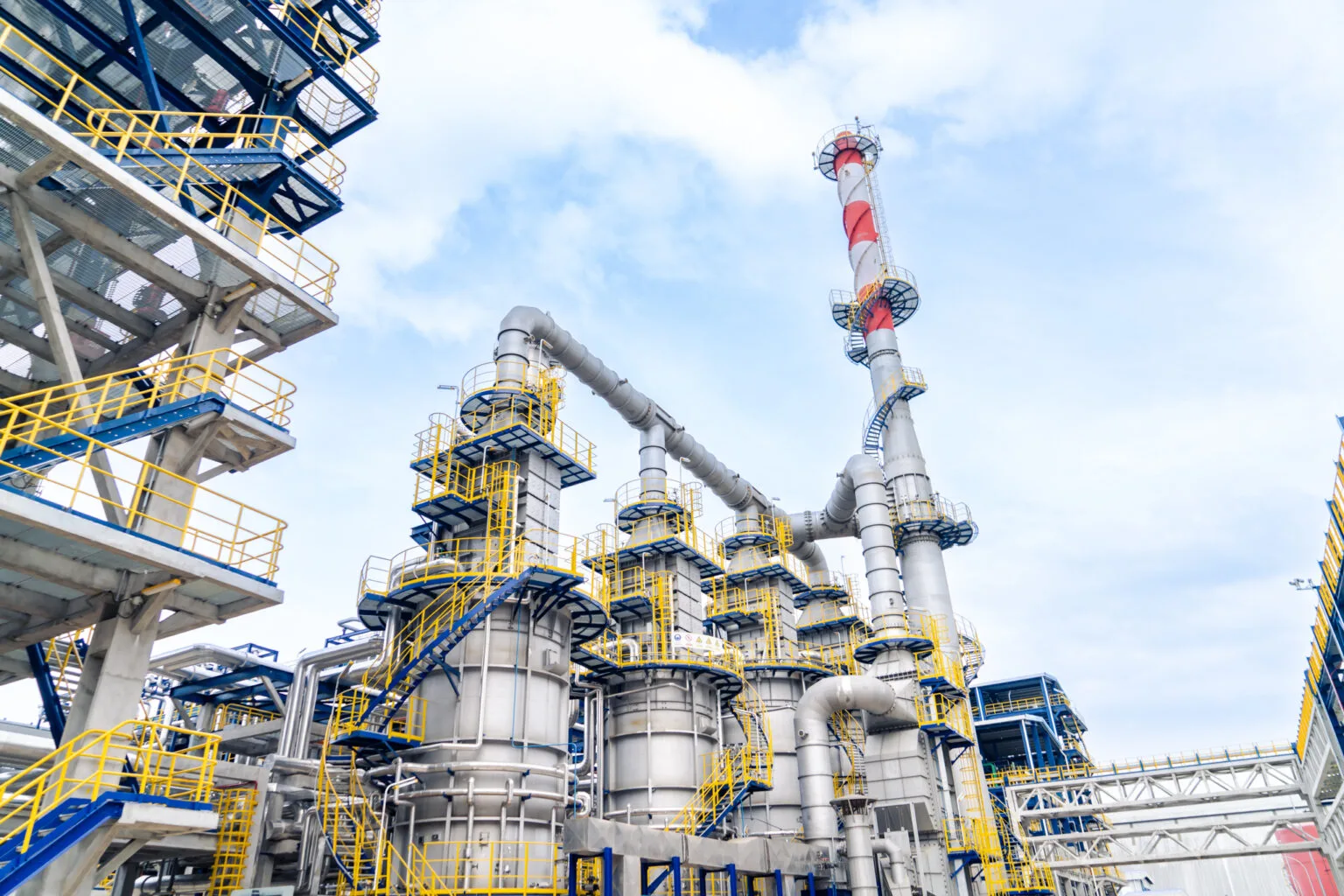 EcoCeres’ Johor SAF Facility: What It Means for Asia’s Renewable Fuel Supply and Logistics">

New production in Johor: the essentials
EcoCeres has launched a Sustainable Aviation Fuel (SAF) production facility in Pasir Gudang, Johor, Malaysia, and this article unpacks the plant’s capabilities and what that means for regional energy and logistics.
What the Johor plant produces
The new facility manufactures SAF, Hydrogenovaný rostlinný olej (HVO)a Renewable Naphtha, using waste-to-fuel technology developed by EcoCeres. Commissioned in October 2025, the site can handle up to 420,000 tonnes per year across those product lines, positioning it as Malaysia’s first industrial-scale SAF plant.
Regional footprint and scale
EcoCeres’ regional platform now spans operations in Malaysia and its Zhangjiagang plant in China, bringing combined renewable fuels capacity to around 770,000 tonnes per year. That growth underscores Hong Kong’s role as a financial and innovation hub supporting cross-border green projects.
| Site | Products | Max Annual Capacity (tonnes) |
|---|---|---|
| Johor, Malaysia | SAF, HVO, Renewable Naphtha | 420 000 |
| Zhangjiagang, China | SAF, HVO | 350,000 |
| Celkem | — | 770,000 |
Technology, policy and partnerships
EcoCeres uses proprietary waste-to-fuel processes refined in Hong Kong and scaled in China. The Johor project illustrates how private technology, public policy and regional capital markets can combine to move from pilot scale to industrial output. Malaysian government support aligns with national targets like the National Energy Transition Roadmap and DAKN 2030, while Hong Kong’s financing and services ecosystem has been instrumental in scaling the operation.
- Technologie: Waste and residue feedstocks processed into low-carbon liquid fuels.
- Zásady: National energy and agri-commodity roadmaps enabling renewable fuel deployment.
- Investment: Hong Kong-based capital and professional services powering cross-border expansion.
Stakeholders and symbolic weight
Key figures marked the inauguration, reflecting the project’s political and economic importance: Dr. Peter Lee (Chairman of Towngas and Principal of Full Vision Capital), YB Datuk Seri Dr. Noraini Ahmad (Malaysia’s Minister of Plantation and Commodities), Eddie Cheung (Permanent Secretary for Environment and Ecology, Hong Kong SAR), EcoCeres Co-Chairmen Alan Chan and James Tam, and CEO Matti Lievonen. Their presence highlights how corporate strategy and public policy can be publicly aligned around decarbonisation goals.
Logistics implications: how fuel plants ripple through the supply chain
When a large renewables plant comes online, it does more than produce fuel; it changes cargo flows, storage needs, and routing across multimodal corridors. Expect changes in:
- Inbound logistics: Feedstock collection and transport from agricultural, municipal, or industrial waste sources.
- Onsite handling: Increased demand for tank storage, palletised chemical handling, and specialized safety logistics.
- Outbound distribution: New flows of SAF, HVO and naphtha to aviation hubs, ports, refineries, and industrial customers.
For logistics operators, that means planning for both bulk liquid transport (tankers, ISO tanks, containers) and the associated ancillary services: warehousing, regulatory documentation, customs, and last-mile delivery to airports or marine terminals. And yes, if you’re a transport manager, you’ll be juggling new contracts and tighter lead times—no one said it would be easy, but it’s where opportunity lives.
Practical shifts for freight and shipping
The most immediate effects are likely to be regional: more frequent shipments between Johor and major aviation fuel off-takers, expanded demand for containerised or bulk liquid haulage, and potential growth in related services—pumping and blending, storage, and certified fuel testing. Over time, reliable regional SAF supply can support broader adoption by airlines and maritime operators seeking lower-carbon fuel alternatives.
Quick checklist for logistics planners
- Assess capacity for bulk liquid handling at nearby ports and airports.
- Audit local trucking and haulage capacity for hazardous liquids.
- Coordinate with fuel offtakers to align shipment sizes and frequency.
- Consider contract flexibility to handle variable production and demand peaks.
Economic and environmental wins — and the caveats
There’s a double dividend here: economic growth through new jobs and investment, and emissions savings when SAF displaces fossil jet fuel. Yet, supply chain resilience matters. Feedstock sourcing, regulatory approvals, and market demand must scale together to avoid bottlenecks. A plant is a necessary but not sufficient step toward broad decarbonisation in aviation and other heavy sectors.
What this means for logistics partners
Companies in forwarding, dispatch, and haulage should view EcoCeres’ expansion as a signal to invest in capabilities for handling renewable liquid fuels. Warehouses, specialised tanker fleets, and compliance services will be in greater demand. Platforms that aggregate transport options and offer competitive pricing will be especially useful to shippers of bulky or hazardous goods heading to energy hubs.
Highlights and a practical note on experience
Highlights include the plant’s 420,000 tpa capacity, the combined regional capacity of 770,000 tpa, and the strong cross-border collaboration between Malaysia, China and Hong Kong. These are important milestones for regional fuel supply and for industries looking to decarbonise.
Still, even the best reviews and the most honest feedback can’t truly compare to personal experience. On GetTransport.com, you can order your cargo transportation at the best prices globally at reasonable prices. This empowers you to make the most informed decision without unnecessary expenses or disappointments. The platform’s transparency, convenience and wide range of options—from office and home moves to bulky-goods and vehicle transport—align neatly with what logistics teams will need as renewable fuel flows expand. For your next cargo transportation, consider the convenience and reliability of GetTransport.com. Book now GetTransport.com.com
In summary, the Johor SAF plant is a practical and symbolic step in Asia’s move toward low-carbon fuels. It creates tangible demands for cargo handling, distribution, and specialised transport services while also demonstrating how regional investment and technology can scale decarbonisation solutions. Whether you are involved in freight forwarding, haulage, or supply chain planning, this development signals more freight movements, more specialised shipments, and more opportunities to integrate sustainable fuels into transport networks. For shippers and logistics planners looking to manage shipments of fuel, pallets or containers—whether for international or local distribution—adapting systems now will pay dividends later.
Wrap-up: EcoCeres’ Johor facility boosts SAF, HVO and renewable naphtha output, supporting aviation and industrial decarbonisation while altering cargo flows and storage needs. This requires coordinated transport, reliable courier and haulage services, and flexible forwarding solutions. Platforms like GetTransport.com simplify arranging reliable, cost-effective transport—covering everything from parcels and pallets to bulky international containers—making it easier to move fuel, equipment and materials through the evolving green supply chain.