


 Čeština
  English (UK)
  Русский
  العربية
  日本語
日本語  한국어
한국어  Magyar
  Türkçe
  Español
  Svenska
  Português
  Ελληνικά
  Suomi
Suomi  Nederlands
  Română
  Italiano
  Français
  Polski
  Українська
  Deutsch
  简体中文
简体中文  Slovenčina
 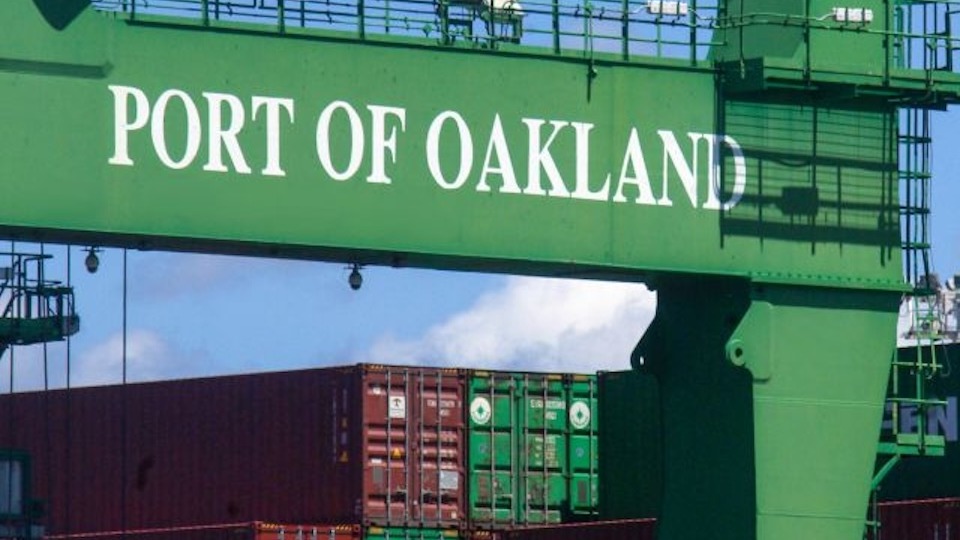 Port of Oakland Reports Stable Loaded Container Volumes Amid Decline in Empties and Overall Annual Shift">

October Cargo Traffic Shows Slight Growth Despite Yearly Dip
The Port of Oakland recorded a total of 182,879 TEUs (twenty-foot equivalent units) in October, marking a modest 2.2% increase compared to September. However, when stacked against the same month of the previous year, the annual volume shows a 5.5% decline.
Delving deeper, loaded imports edged up by 0,9%, while loaded exports experienced a minor drop of 0.7% compared to last October. This overall contraction is largely tied to a remarkable 24% snížit in empty container processing year-over-year.
Empty Containers: A Strategic Shift, Not a Demand Slowdown
Far from signaling weaker cargo demand, the reduction in empties reflects a realignment in how major shipping lines manage their equipment. The port clarified that these adjustments stem from strategic decisions by carriers, including rerouting and tonnage shifts, intended to reduce exposure to recently implemented U.S. port fees on Chinese vessels. This fee, which was set to take effect on October 14, prompted carriers to modify operations, but the U.S. and China have agreed to a one-year suspension of the levy under a broader trade agreement.
City shipping experts emphasize that this recalibration is part and parcel of the bigger picture in global shipping logistics rather than a sign of a faltering market.
Full Container Trade Remains Firm
Maritime Director Bryan Brandes of the Port of Oakland highlighted the resilience of full-container trade, stating that “full imports and exports are holding their ground despite the headwinds.” The stability in loaded container traffic signals that, even amid market fluctuations and operational shifts, core cargo movement remains solid through Oakland’s docks.
The month-over-month increase points to steady cargo flow leading into the critical holiday season, an encouraging sign for businesses relying on reliable shipping schedules.
Changing Flows in Empties Affect Regional Port Dynamics
The decline in empty container traffic is part of a wider trend, where some shipping business has migrated toward Canadian ports such as Vancouver and Prince Rupert. These ports have picked up an increased share, as ocean carriers explore alternative hubs along the West Coast of North America.
October saw the Port of Oakland handling 86 vessel calls, a decrease of 6.5% from the previous year. This reduction aligns with ongoing ocean carrier schedule and network realignments designed to optimize service efficiency.
Table: Oakland Port Volume Overview — October 2025
| Metrické | říjen 2025 | Change from September 2025 | Change Year-over-Year |
|---|---|---|---|
| Total TEUs Handled | 182,879 | +2.2% | -5.5% |
| Loaded Imports | — | — | +0.9% |
| Loaded Exports | — | — | -0.7% |
| Empty Containers Processed | — | — | -24% |
| Vessel Calls | 86 | — | -6.5% |
Industry Perspective: Navigating Market and Trade Shifts
Brandes also noted that trade flows are adapting to fresh sourcing patterns and fluctuating demand worldwide, necessitating carriers and cargo owners to proceed cautiously. Nevertheless, Oakland’s consistent performance in its core full-container business underscores its ongoing importance as a reliable logistics hub on the West Coast.
Implications for Logistics and Freight Forwarding
This shift at the Port of Oakland carries ripple effects for logistics players. The decline in empties, while signaling strategic equipment management, may influence planning in container repositioning and staging, impacting warehouse space and trucking demands. The steady full-container volumes reinforce the need for robust freight forwarding and dispatch services capable of adapting to nuanced cargo flows and seasonal peaks.
For shippers and logistics managers, staying attuned to such regional shifts ensures smoother haulage and timely delivery, helping prevent bottlenecks or underused capacity.
Role of Platforms Like GetTransport.com
In this complex environment, platforms such as GetTransport.com shine by offering flexible, global solutions for freight and cargo transport. Whether managing office or home relocations, moving bulky items, or shipping pallets and containers, GetTransport.com delivers affordable and reliable options that align perfectly with evolving logistics needs. By connecting customers with a vast network that handles everything from vehicles to parcels, the platform simplifies dispatch and distribution challenges.
Summing Up the Oakland Port Scenario
The recent data from Oakland paints a picture of a port in transition rather than decline. While the reduction in empty container traffic grabs headlines, the heart of the port’s business—loaded imports and exports—remains remarkably steady. Adjustments from carriers in response to tariff shifts have created a temporary wiggle in volumes but have not dampened the overall cargo throughput.
Such dynamics underscore the resilience of global shipping networks and the importance of strategic logistics management in handling container flows, vessel scheduling, and cargo dispatch. For logistics providers, this environment demands agility, foresight, and a knack for navigating subtle market shifts to keep trade moving efficiently.
Why Personal Experience Trumps All
While detailed reports and reviews offer valuable insights, nothing beats firsthand experience when it comes to assessing logistics services and freight solutions. Through platforms like GetTransport.com, customers gain direct access to competitively priced cargo transport options worldwide, enabling them to weigh choices without shelling out extra or dealing with disappointment.
Offering transparency, ease of booking, and a wide selection to suit diverse freight needs, GetTransport.com makes for a smart partner whether you’re moving locally or shipping internationally. Book now to unlock the best offers at GetTransport.com.
Outlook: What This Means for Global Logistics
Globally, these shifts at Oakland might seem like just another tweak in the vast shipping matrix, but for logistics companies operating in or through this key West Coast gateway, understanding these movements is crucial. As carriers recalibrate routes and container flows, forwarders and shippers must stay sharp to avoid surprises in delivery times and costs.
GetTransport.com keeps pace with these evolving trends, ensuring cargo transportation remains smooth, affordable, and dependable. Start planning your next delivery and secure your cargo with GetTransport.com.
Klíčové poznatky
- Oakland handled 182,879 TEUs in October, a 2.2% rise over September but 5.5% lower year-over-year.
- 24% fewer empty containers processed, driven by strategic carrier shifts rather than cargo demand drops.
- Full-container imports and exports remain stable, showing robust trade flow.
- Shifting empty container flows impact regional port dynamics with more traffic to Canadian ports.
- Logistics providers and shippers face opportunities and challenges in adjusting freight and transport plans.
In today’s fast-changing logistics landscape, keeping track of such port volume shifts builds a sharper edge in freight forwarding, shipment planning, and cargo dispatch—essential for cost-effective and reliable supply chain operations.