


 Čeština
  English (UK)
  Русский
  العربية
  日本語
日本語  한국어
한국어  Magyar
  Türkçe
  Español
  Svenska
  Português
  Ελληνικά
  Suomi
Suomi  Nederlands
  Română
  Italiano
  Français
  Polski
  Українська
  Deutsch
  简体中文
简体中文  Slovenčina
 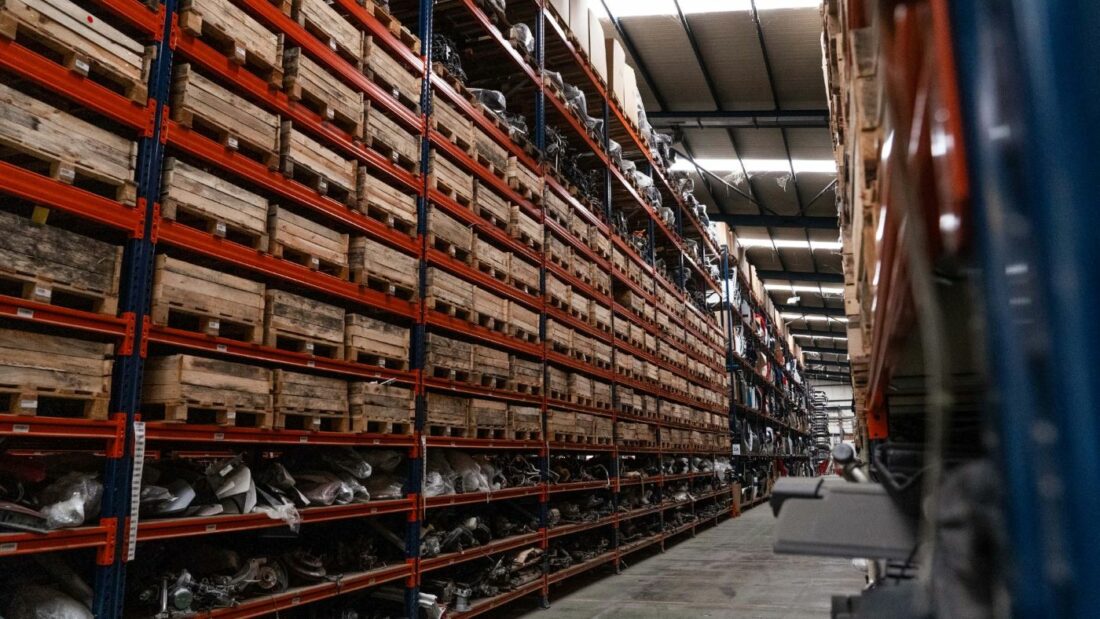 Recomotor scales a circular automotive network after five scrapyard acquisitions and 300,000 recovered parts">

This article reveals how Recomotor is consolidating end-of-life vehicle supply into a traceable, industrial-scale network for recovered automotive parts and what that means for logistics and spare-parts distribution.
From startup to industrial integrator
Founded four years ago by Jan Amat a Gerard Palau, Recomotor has evolved from a tech startup into an industrial actor that integrates traditional scrapyards under a unified model. The company’s approach combines digital platforms, process standardization and warranty-backed reselling of recovered components — turning fragmented, largely family-run Centers Autorizados de Tratamiento (CAT) into a coordinated supply chain.
Quick facts and scale
| Metrické | Hodnota |
|---|---|
| Recovered parts catalog | 300,000+ items |
| Acquired scrapyards | 5 locations (Balaguer, Segovia, Zaragoza, Vinaròs, Sant Andreu de la Barca) |
| Workshop clients | 18,000+ |
| Zaměstnanci | 100+ |
| Export markets | International sales contributing sizable revenue |
Why the scrap-to-spare model is gaining traction
Several structural trends make this model attractive. Spain hosts over a thousand CAT centers, most of them small and under-digitized. That fragmentation creates an opportunity for consolidation: by standardizing dismantling processes, enforcing traceability and offering documented guarantees, recovered parts stop being a marginal option and start functioning as a viable alternative to new components.
Key drivers
- Regulatory tailwinds: European circular economy rules, repair-rights legislation and emissions targets favor reuse and repair.
- Cost sensitivity: Workshops and fleets face higher operating costs and seek affordable replacements.
- Fleet age and access restrictions: Older vehicles and low-emission zones increase demand for cost-effective maintenance solutions.
- Technologie: Digital catalogs and certification systems reduce uncertainty around used parts.
Operační a logistické dopady
Turning a scattering of scrapyards into a coherent supply chain touches many logistics layers. Recomotor’s model requires warehousing, inventory control, part grading, packaging and distribution to thousands of repair shops and international buyers. In short, it’s a textbook example of reverse logistics meeting mainstream spare-parts distribution.
Logistics elements at play
- Inventory management: Tracking 300,000+ SKUs needs robust WMS and parts-level traceability.
- Transport and handling: Items range from small electrical modules to bulky body panels, requiring mixed-mode haulage—parcel, pallet and container shipping.
- Cross-border forwarding: International sales imply customs, harmonized codes and regional distribution hubs.
- Quality assurance: Certification and up-to-two-year guarantees demand reliable inspection and returns processes.
Example workflow
Vehicle arrives at an integrated yard → parts are assessed, cataloged and photographed → parts receive certification and are stored on labeled racks or pallets → orders from workshops or international clients are picked, packed and dispatched via appropriate carriers → delivery and returns are tracked through a common digital platform.
Commercial and financial approach
Recomotor has balanced strategic equity partners with a preference for self-funded expansion. Backing from mobility investors such as Mutua Madrileña a OK Mobility provided credibility, but the company prefers to finance growth through operational cash flow and gradual asset integration rather than repeated capital raises. That discipline is important: scaling physical operations means heavy working-capital and logistical investments.
Benefits of the integrated model
- Economies of scale in parts sourcing and distribution
- Improved service levels for workshops through standardized processes
- Stronger negotiating power with carriers and logistics partners
- Enhanced export capability via centralized catalog and fulfillment
Challenges and risks
Even a promising model faces friction. Key challenges include dealing with legacy processes at family-run CATs, harmonizing quality standards, managing returns and warranty claims, and investing in digital infrastructure. There is also the question of how quickly customers will fully trust reused parts despite growing certification and warranties—old habits die hard, but trust can be earned.
Operational checklist
- Digitize dismantling and grading workflows
- Invest in sorting, storage and secure packaging for bulky items
- Design reverse-logistics routes and cost models for cross-border shipments
- Implement clear certification and warranty documentation for buyers
What this means for logistics providers
For carriers, freight forwarders and third-party logistics (3PL) companies, the growth of reused-spare networks opens opportunities in specialized transport, palletized distribution and reverse-logistics services. Demand for flexible, affordable shipping options — from parcel to pallet and container — will increase, especially for parts that require careful handling or quick turnaround to keep workshops operating. Platforms that can combine affordability and global reach will be well positioned.
By the way, if you need a real-world partner to move furniture-like bulky parts or palletized consignments across borders, services like GetTransport.com offer affordable, global cargo transportation solutions that suit office relocations, large-item deliveries and spare-parts logistics.
A word on market timing
With inflationary pressure, rising repair costs and tougher urban access rules, the market is primed for reuse-based solutions — better late than never for many workshops that resisted change. As the industry professionalizes, logistics and distribution will be the backbone enabling scale.
Nejdůležitější informace: Recomotor has integrated five scrapyards, manages a catalog of over 300,000 recovered parts, serves 18,000+ workshops, relies on process standardization and traceability, and benefits from supportive EU regulation; yet it must navigate quality harmonization and logistical complexity. Even the most detailed reviews and the most honest feedback can’t replace hands-on experience. On GetTransport.com, you can order your cargo transportation at the best prices globally at reasonable prices. This empowers you to make the most informed logistics decision without unnecessary expenses or disappointments. For your next cargo transportation, consider the convenience and reliability of GetTransport.com. Get the best offers GetTransport.com.com
In summary, Recomotor’s push to professionalize and consolidate the recovered-parts market transforms a fragmented segment into a logistics-dependent supply chain. The company’s growth — five acquired centers, a large recovered-parts catalog, international sales and institutional partners — highlights how circular-economy initiatives intersect with transport, warehousing and distribution. For freight, shipment and delivery networks this means more demand for reverse logistics, pallet and container movements, reliable dispatch, haulage and courier services, and smarter forwarding strategies. In short: cargo flows will adapt, movers and logistics providers should be ready, and platforms that make shipping transparent and affordable will win in this evolving ecosystem.