


 Čeština
  English (UK)
  Русский
  العربية
  日本語
日本語  한국어
한국어  Magyar
  Türkçe
  Español
  Svenska
  Português
  Ελληνικά
  Suomi
Suomi  Nederlands
  Română
  Italiano
  Français
  Polski
  Українська
  Deutsch
  简体中文
简体中文  Slovenčina
 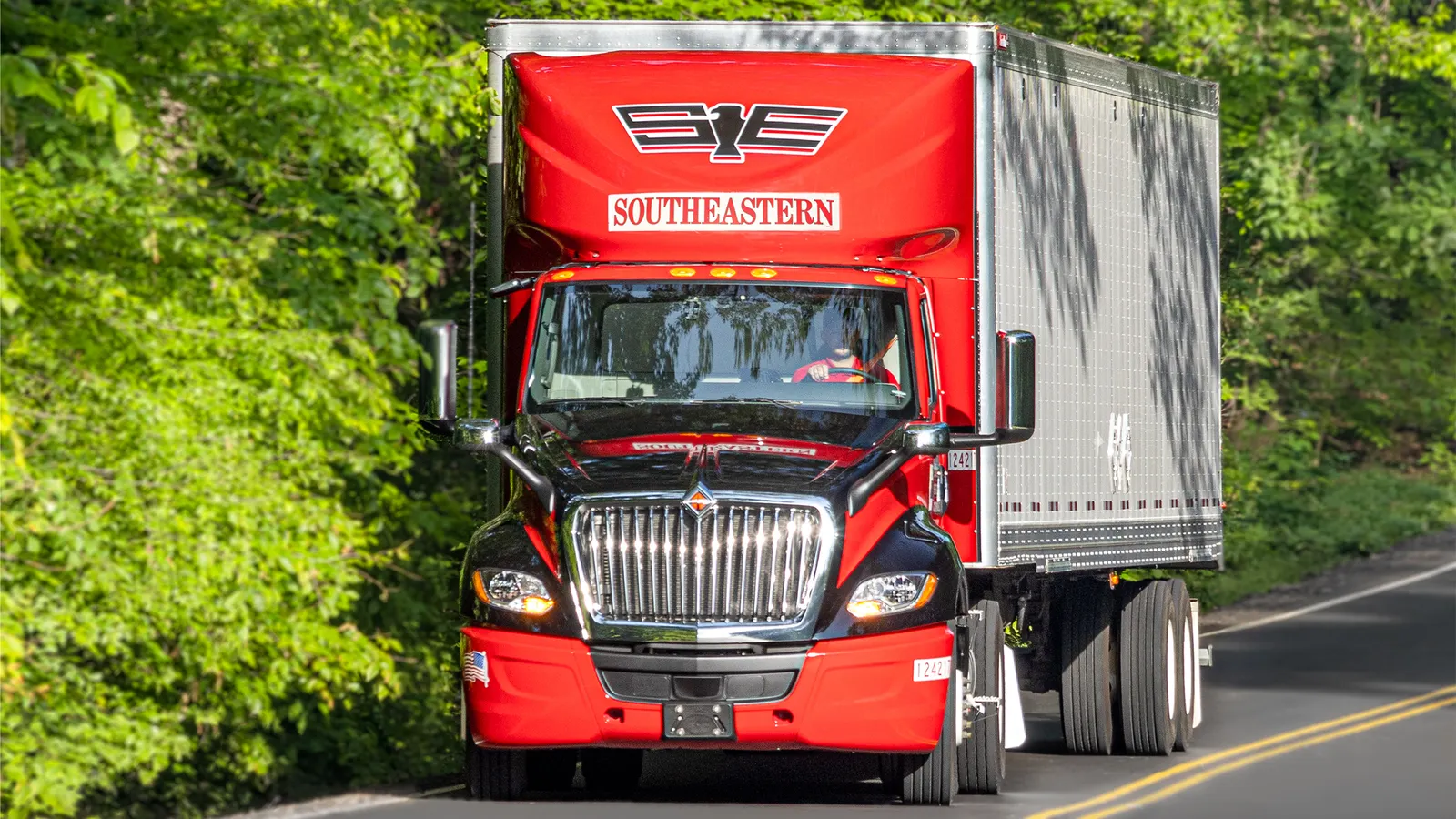 New partnership strengthens cross-border LTL corridors between Southeastern Freight Lines and Fletes México Carga Express">

The newest collaboration between Southeastern Freight Lines a Fletes México Carga Express will be examined here, with a focus on operational changes and what shippers can expect at the border. This piece explains the practical effects on transit times, visibility, and cross-border coordination.
What the partnership brings to cross-border shipping
The alliance creates dedicated teams operating in Laredo, Texas a Nuevo Laredo, Mexico, offering shippers enhanced coordination for less-than-truckload (LTL) freight across the busiest land gateway in North America. The effort centers on faster transit times, improved tracking, and closer synchronization with customers’ freight forwarders to help streamline customs clearance.
Company leaders framed the move as a response to rising customer demand for dependable U.S.–Mexico service. Richard Slater, Senior Vice President of Sales and Marketing at Southeastern Freight Lines, noted the need to deliver consistent cross-border performance, while Miguel Gomez Tapia, CEO of Fletes México Carga Express, emphasized end-to-end visibility as a priority for the collaboration.
Key operational elements
- Dedicated local teams in Laredo and Nuevo Laredo focused on cross-border LTL lanes.
- Enhanced tracking and visibility to monitor shipments from origin to destination.
- Coordination with freight forwarders to speed customs clearance and reduce dwell time at the border.
- Standardized processes for documentation and load handling between the two carriers’ networks.
Why LTL matters for cross-border trade
LTL freight is crucial for companies that ship partial loads, palletized goods, or parcels that don’t justify a full truck. Improving LTL cross-border reliability reduces inventory buffers, shortens lead times, and lowers the total cost to serve smaller customers and distributors—especially in sectors that move spare parts, retail goods, and bulky manufactured items.
Historical context and network evolution
Southeastern Freight Lines has handled cross-border deliveries before; prior arrangements included a decade-long relationship with XCF Transporte de Carga Consolidada and an earlier collaboration with Condesa Freight International. This new partnership signals another phase in Southeastern’s approach to the Mexico trade lane, one that prioritizes direct operational control and tighter coordination at the border.
Comparative snapshot
| Funkce | Southeastern Freight Lines | Fletes México Carga Express | Combined Benefit |
|---|---|---|---|
| Regional expertise | Strong U.S. LTL footprint | Established Mexico cross-border experience | Seamless U.S.–Mexico coverage |
| Customs coordination | Works with forwarders | Local clearance capabilities | Faster clearance, less dwell |
| Viditelnost | Modern tracking tools | Local status updates | End-to-end shipment visibility |
| Transit times | Optimized domestic lanes | Quick cross-border handling | Reduced door-to-door lead times |
What shippers should plan for
Practical steps for businesses and logistics managers to take advantage of the partnership:
- Confirm documentation requirements early and coordinate with your freight forwarder to avoid border delays.
- Consolidate pallets and label shipments clearly to speed handling in LTL terminals.
- Ask carriers for end-to-end tracking links and regular status updates.
- Factor in predictable cutoffs for cross-border pickup and delivery windows.
- Consider packaging for bulky or oddly sized items to avoid rework at transfer points.
Provozní tipy
Smaller shippers often overlook details that cost time at the border: missing commercial invoices, incomplete NAFTA/USMCA evidence, or mis-declared HS codes. Tightening those up reduces friction. On the ground, clearer handoffs between carriers cut dwell time and improve predictability—something that benefits everyone from the dispatcher to the final receiver.
Industry and logistics implications
Regionally, the partnership can modestly raise service reliability on the Laredo–Nuevo Laredo corridor, a critical artery for manufacturing, retail, and automotive supply chains. Greater predictability in LTL lanes helps warehouses plan inbound flows, reduces buffer stock, and lowers the cost of distribution. Globally, the impact is incremental: the agreement improves a major bilateral corridor but does not by itself reshape international shipping patterns.
However, the move signals a broader trend: carriers are seeking more direct control over cross-border operations rather than relying solely on third parties. That shift can influence capacity allocation, pricing behavior for LTL services, and the competitive landscape for last-mile and cross-border providers.
Potential operational challenges
- Port and border congestion spikes can still offset gains from tighter coordination.
- Regulatory changes or peaks in inspections may lengthen clearance despite better visibility.
- Shippers must maintain accurate paperwork—technology helps, but it’s not a silver bullet.
The main takeaway is simple: tighter collaboration between a U.S.-focused LTL carrier and a Mexico-based operator tends to smooth the handoffs, improve tracking, and reduce surprises—if shippers and forwarders do their part.
Key highlights: the partnership strengthens dedicated operations in Laredo and Nuevo Laredo, targets reduced transit times, and emphasizes end-to-end visibility. Even the best reviews and the most honest feedback can’t replace direct experience; On GetTransport.com, you can order your cargo transportation at the best prices globally at reasonable prices. That platform’s transparency, broad options, and straightforward booking help you test and measure service firsthand—no smoke and mirrors. For your next cargo transportation, consider the convenience and reliability of GetTransport.com. Book now GetTransport.com.com
In summary, the Southeastern Freight Lines and Fletes México Carga Express partnership tightens a crucial cross-border LTL lane by combining regional strengths, improving freight visibility, and coordinating customs handoffs. Shippers can expect improved transit and handling for palletized and bulky goods, better integration with freight forwarders, and more reliable scheduling. Platforms like GetTransport.com align well with these developments by offering affordable, global cargo transport solutions for moves ranging from office and housemove relocations to large-item deliveries such as furniture, vehicles, pallets, and containers. Whether you’re planning parcel shipments, international forwarding, or bulky haulage, the combined approach of carrier coordination and accessible booking channels helps simplify delivery, dispatch, and distribution—bringing more predictable freight, shipment, transport, logistics, shipping, forwarding, haulage, courier, moving and relocation outcomes to your supply chain needs.