


 Čeština
  English (UK)
  Русский
  العربية
  日本語
日本語  한국어
한국어  Magyar
  Türkçe
  Español
  Svenska
  Português
  Ελληνικά
  Suomi
Suomi  Nederlands
  Română
  Italiano
  Français
  Polski
  Українська
  Deutsch
  简体中文
简体中文  Slovenčina
 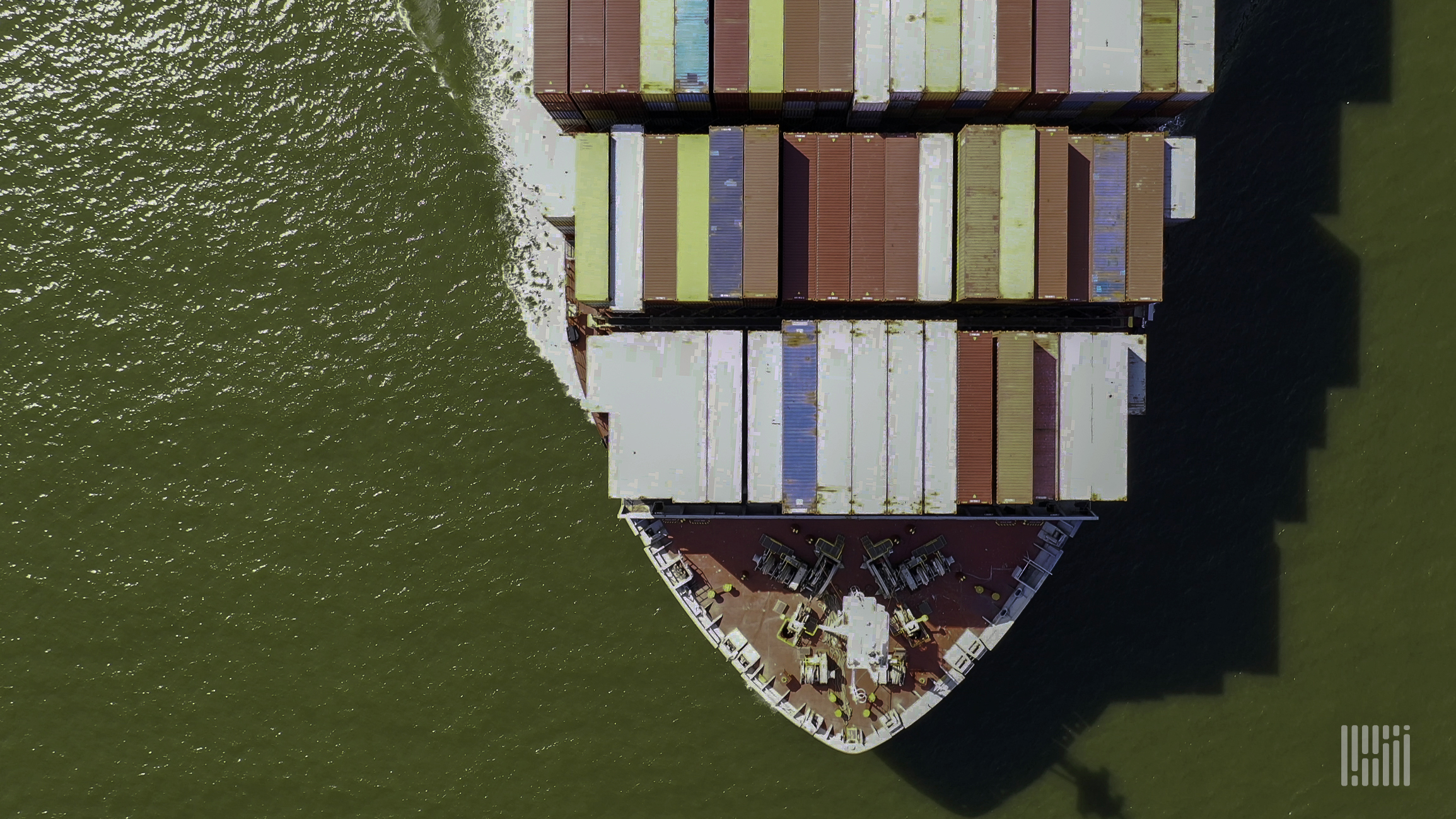 Navigace ve vzrůstajícím sporu o přístup amerických plavidel do španělských přístavů a potenciální sankce">

US Maritime Authorities Respond to Spanish Port Access Issues
The Federal Maritime Commission (FMC) has entered a critical phase in addressing the ongoing challenges relating to Spain’s restrictions on American-flagged vessels. Over the past year, the dispute has intensified, with official investigations now progressing toward potential sanctions against Spanish-linked cargo shipments. This situation centers on Spain’s refusal to grant docking privileges to various US maritime vessels, raising significant concerns within international maritime logistics.
Background of the Port Dispute
The FMC’s initial inquiry began in late 2024 after reports surfaced that certain vessels registered under the US flag and operating under the Maritime Security Program (MSP) were denied entry at Spanish ports. The MSP program supports US-flagged ships by providing financial aid in exchange for guaranteed shipping capacity. Notably, three containerships — Maersk Denver, Maersk Nysted, and Maersk Seletar — were turned away by APM terminals in Algeciras, Spain.
Spain’s stance stems from a newly implemented, multi-layered policy barring ships and aircraft carrying weapons to Israel, as well as tankers delivering fuel to the Israeli military, from using its ports or airspace. The ban directly affects vessels enrolled in the MSP, impacting US foreign trade routes and sparking tension in maritime freight operations between the two nations.
Potential Sanctions and Their Impact on Shipping
The FMC is actively soliciting public input on the most effective countermeasures to balance the pressures imposed by Spain’s port restrictions. Options on the table include:
- Imposing per-voyage fines that may reach up to $2.3 million.
- Restricting voyages to or from US ports to Spanish destinations.
- Limiting cargo quantities or types transported on affected routes.
- Additional measures as deemed necessary by the commission to counter unfavorable conditions in US foreign shipping.
These measures reflect federal regulatory tools designed to protect US commercial interests and maintain fairness in international shipping logistics.
Scope of Public Involvement
The dispute garnered substantial public interest when the FMC first opened the investigation, receiving over 8,000 comments. The commission now invites further detailed feedback over a 60-day period, seeking:
- Verified accounts of port access denials involving Spain or related private entities affecting vessels transporting cargo to or from Israel.
- Explanations offered by the involved parties regarding the refusal of docking rights.
- Clarification on whether refusals were unconditional or if alternatives were suggested.
- Details on how these denials have influenced shipping routes, schedules, or cargo transfers.
Table: Possible Sanctions Under Consideration by FMC
| Sanction Type | Podrobnosti na |
|---|---|
| Per Voyage Fines | Up to $2.3 million per voyage for ships violating restrictions |
| Voyage Restrictions | Limiting or prohibiting certain vessel voyages involving US ports |
| Cargo Limitations | Setting limits on cargo types or volumes bound for Spanish ports |
| Entry Denial | Requesting Homeland Security to block vessel entry or clearance |
| Other Actions | Any additional steps the FMC finds necessary to protect US shipping interests |
What This Means for Global and US Logistics
While this maritime dispute may seem geographically confined, the ripple effects can disrupt supply chains and freight flows globally. US-flagged vessels face operational uncertainties, affecting shipment scheduling, freight forwarding, and cargo distribution efficiency—key pillars of international logistics.
Ports such as Algeciras hold strategic importance for global maritime transit. Restrictions here can lead to rerouting, increased transit times, and higher transportation costs. For logistics professionals managing freight, these delays can translate into bottlenecks, impacting everything from container throughput to delivery reliability.
Implications for Freight Transport and Forwarding
Logistics providers tasked with moving cargo, whether involving pallets, containers, or bulky shipments, must stay alert to evolving regulations. Such restrictions not only challenge existing maritime routes but also necessitate agile planning in haulage, courier services, and international dispatch.
Services like GetTransport.com shine in such complex scenarios by offering flexible, affordable transport solutions worldwide. Whether it’s relocating offices or homes, delivering vehicles, or shipping oversized goods, a diverse selection of reliable transport options helps businesses circumvent hurdles posed by geopolitical or regulatory disputes.
Public Feedback and Personal Experience Matter
Despite comprehensive reviews and documented feedback, nothing compares to firsthand experience in gauging the true impact of shipping restrictions. Through platforms like GetTransport.com, shippers gain access to transparent pricing and a broad array of transport services, empowering them to make informed logistics decisions without overspending or unexpected setbacks.
The convenience, affordability, and variety offered enable users to navigate shipping challenges confidently, ensuring smooth cargo movement across borders, whatever the evolving circumstances may be. Rezervujte si jízdu na adrese GetTransport.com to tap into these advantages.
Forecasting the Future in Maritime Logistics
While these sanctions and port bans may not drastically shake the global logistics framework, they underscore the ever-present interplay between regulations and shipping. For stakeholders worldwide, keeping a finger on the pulse of such developments is essential.
GetTransport.com remains committed to staying ahead of these changes, offering shippers efficient, cost-effective ways to handle their freight despite geopolitical twists. Start planning your next delivery and secure your cargo with GetTransport.com.
Souhrn
The ongoing dispute involving the refusal by Spanish ports to service US-flagged vessels enrolled in the Maritime Security Program highlights complex challenges in the maritime industry. The Federal Maritime Commission’s pursuit of sanctions—including fines, voyage restrictions, and cargo limits—reflects serious efforts to safeguard US shipping interests against unfavorable foreign trade conditions.
Such port access conflicts have tangible consequences for freight transport, shipment schedules, and overall logistics coordination, potentially affecting the smooth flow of international cargo and distribution networks. The dynamics demand flexibility and vigilance from those engaged in forwarding, haulage, and global shipping.
Services like GetTransport.com alleviate many of these complications by providing transparent, affordable logistics solutions that support a wide range of cargo needs, from furniture moving to vehicle transport. This kind of support is invaluable for ensuring reliable, efficient dispatch and delivery in a rapidly changing environment.