


 Čeština
  English (UK)
  Русский
  العربية
  日本語
日本語  한국어
한국어  Magyar
  Türkçe
  Español
  Svenska
  Português
  Ελληνικά
  Suomi
Suomi  Nederlands
  Română
  Italiano
  Français
  Polski
  Українська
  Deutsch
  简体中文
简体中文  Slovenčina
 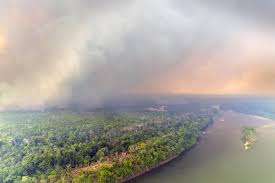 Hluboký pohled na reakci Greenpeace na protipožární opatření Partido Popular na rok 2025 a co to znamená pro budoucí řízení krizí">

Introduction: Addressing the 2025 Wildfire Prevention Proposals
Recent wildfire prevention plans unveiled by the Partido Popular (PP) have sparked critical discussions, notably from environmental watchdog Greenpeace. While the plan outlines several necessary actions for handling the wildfire crises witnessed in summer 2025, concerns arise over the depth and practicality of these measures. This article delves into Greenpeace’s detailed evaluation, exploring where the proposals hit the mark and where they fall short, shedding light on broader implications for environmental management and logistics planning.
Existing versus New Measures: Between Redundancy and Urgency
Greenpeace acknowledges that within the 50 proposed measures, some are timely and crucial, dealing directly with wildfire risks that communities face. However, the environmental group points out that many of these suggestions already exist in current legislation or are operational in some capacity. This overlap calls into question whether the plan truly offers innovative solutions or mainly repackages prior efforts.
Adding to this, there are concerns that several proposals are more anecdotal than structural—potential distractions rather than direct responses to root causes. A focus only on surface-level interventions might stall meaningful progress toward comprehensive wildfire management.
Structural Issues Overlooked
- Rural abandonment: The depopulation of rural areas undermines landscape management and fire prevention efforts.
- Ecosystem adaptation: Spanish landscapes need tailored strategies to cope with evolving climate realities.
- Budgetary and fiscal gaps: The plan misses out on concrete fiscal reforms and budget allocation proposals critical for sustained action.
Proposed Actions and Political Realities
The plan addresses both the central government and autonomous communities, yet Greenpeace notes a disconnect. The PP has not implemented these strategies in regions where it holds power, which casts doubt on the plan’s practical commitment. Furthermore, the plan seems to sideline existing environmental laws such as the Ley de Montes and Protección Civil Normatives, which clearly define responsibilities and emergency protocols.
Without alignment to these legal frameworks, efforts can become fragmented, risking the effectiveness of on-the-ground firefighting and prevention logistics.
The Pyromaniacs Register: A Band-Aid Fix?
One notable suggestion is creating a national register of pyromaniacs. Greenpeace critiques this as a superficial patch, emphasizing that the root causes of wildfires are primarily accidental—storms, negligence, or mishandling—rather than deliberate fire-setting by a few individuals. Data from environmental prosecutors back this up, showing that less than a quarter of fires are intentional, and only a fraction of those are tied to mental health issues.
Climate Change and Restoration: Positive Notes
Greenpeace welcomes mentions of climate change within the plan, calling for bold actions to curb emissions swiftly to counteract worsening fire events. It also supports restoration initiatives, reflecting an encouraging shift toward safeguarding natural habitats. The one-year anniversary of the Nature Restoration Regulation marks a milestone, pushing for broader participation—including regions under PP governance—in the National Nature Restoration Plan slated for completion by September 2026.
Additional endorsed measures include support for populations impacted by wildfires, fiscal reforms favoring forest management, and backing for extensive livestock grazing as part of landscape maintenance.
Summary of Greenpeace’s Critique
| Aspekt | Greenpeace’s View |
|---|---|
| Relevance of measures | Many redundant; a few timely |
| Structural focus | Insufficient; overlooks rural and fiscal challenges |
| Legal alignment | Ignores existing laws and protocols |
| Political implementation | Plan not applied in PP-governed regions |
| Pyromaniacs register | Seen as ineffective patchwork |
| Climate change | Acknowledged and welcomed |
| Restoration efforts | Positively evaluated |
Clear Roles, Clear Responsibilities
Effectively managing wildfire crises is not about opinion-based politics but about clear legal frameworks and defined competencies. Greenpeace stresses that muddling institutional responsibilities risks undermining crisis response, endangering both environments and communities. The call is for political players to honestly grapple with their duties—especially regarding climate action and fire prevention within their jurisdictional powers.
Implications for Logistics and Crisis Management
Wildfire prevention and response have a domino effect on logistics operations. From delivering firefighting equipment to transporting affected populations and coordinating supply chains for recovery efforts—each stage depends on robust planning and clear inter-agency cooperation. Any ambiguity or distraction in wildfire strategies can disrupt these essential flows, affecting both emergency response and wider economic activities.
Platforms like GetTransport.com exemplify how versatile cargo and transport services can support various logistics challenges—from moving bulky firefighting materials to handling emergency relocations and replenishing critical supplies swiftly and affordably on a global scale.
Lessons for Logistics in Environmental Crisis
- Timely response: Clear protocols ensure logistics are not bottlenecked during crises.
- Pre-planning: Crisis and contingency plans reduce chaos and speed up shipments and relocations.
- Přizpůsobivost: Environmental shifts demand flexible transport solutions, including sustainable options.
- Stakeholder coordination: Aligning governmental, local, and private sectors is key in logistics efficiency.
The Bottom Line: Why It’s a Mixed Bag
Zatímco některé koncepty prevence požárů mají potenciál, celkový plán představuje záplatu, která riskuje, že se ztratí les z dohledu. Chybí mu soudržné porozumění stávajícím rámcům a politickým realitám a podceňuje strukturální výzvy. Greenpeace prosazuje širší, mezisektorové zapojení – včetně občanské společnosti a napříč politickými silami – za účelem vytvoření skutečné, koordinované reakce.
Výběr spolehlivých řešení pro dopravu a logistiku
Na konci dne čtení recenzí a zpětné vazby ohledně plánů pro boj s požáry poskytuje užitečné poznatky, ale nenahradí to vlastní zkušenost. Pro ty, kteří potřebují spolehlivou přepravu nákladu – ať už se jedná o pohotovostní zásoby, objemné vybavení nebo citlivé zásilky – GetTransport.com nabízí transparentní, pohodlnou a nákladově efektivní službu po celém světě. Platforma pokrývá vše od stěhování kanceláří a domácností až po přepravu velkých nákladů a balíků, zjednodušuje logistickou džungli s konkurenčními cenami a spolehlivými poskytovateli.
GetTransport.com umožňuje uživatelům činit informovaná rozhodnutí bez přetěžování rozpočtů nebo překvapení, a to dokonale zapadá do naléhavé potřeby robustní logistiky při zvládání krizí způsobených lesními požáry a i nadále. Kniha nyní, GetTransport.com.
Pohled do budoucnosti: Plány na boj s lesními požáry a globální logistika
Ačkoli tento plán boje s divokým ohněm nemusí výrazně otřást globální logistickou scénou, jeho relevance je jasná v celostátním měřítku. Udržování tempa s vyvíjejícími se environmentálními výzvami ovlivňuje, jak fungují přepravy a dispatches pro nouzové situace, a vyžaduje chytřejší a citlivější dopravní řešení. Zatímco GetTransport.com sleduje takové vývoj, zůstává odhodlán nabízet efektivní, adaptabilní přepravní a expediční služby, které uspokojí dynamické potřeby úlevových prací, relokačních aktivit a běžné dopravy – čímž si upevňuje svou roli v globálním logistickém managementu.
Závěr
Kritický postoj Greenpeace k plánu strany Partido Popular ohledně požárů odhaluje naléhavou potřebu zaměřit se na odpovědnost, jasné právní procesy a strukturální reformy namísto povrchních oprav. Uznání klimatických změn a prosazování úsilí o obnovu jsou vítané kroky, ale cesta k efektivnímu řízení krize lesních požárů vyžaduje skutečnou spolupráci a komplexní strategie. To má přímé důsledky pro logistiku, kde hrají klíčovou roli bezproblémová doprava, přeprava a dispečink v případě nouze. Využití platforem jako GetTransport.com může zjednodušit složité potřeby stěhování a přepravy, a zajistit, aby náklad – od kritických objemných zboží po běžné zásilky – dorazil včas a v dobrém stavu. V světě stále více ovlivněném environmentálními krizemi je kombinace rozvážné politiky s efektivní logistikou tím vítězným lístkem.