


 Čeština
  English (UK)
  Русский
  العربية
  日本語
日本語  한국어
한국어  Magyar
  Türkçe
  Español
  Svenska
  Português
  Ελληνικά
  Suomi
Suomi  Nederlands
  Română
  Italiano
  Français
  Polski
  Українська
  Deutsch
  简体中文
简体中文  Slovenčina

Implement a nationwide weather-monitoring unit with controlled dispatching today to cut weather-related incidents and improve visibility for drivers.
Establish a centralized data feed that aggregates official alerts, radar, and road-condition sensors, then relay updates to dispatchers and drivers in real time. This operational setup lets routes be adjusted, departures rescheduled, and loads pre-staged before conditions deteriorate, reducing associated risk and delays across the fleet.
In marsh regions and flood-prone corridors, viditelnost can plunge quickly. Během storms or dense fog, enforce a conservative speed cap, increase following distance, and consider lane restrictions on high-risk segments. Ensure pre-trip and en-route checks include braking performance, tire tread, and wiper condition to keep trucks moving safely over long hauls.
Během summer heat, engine cooling, brake wear, and tire pressure can shift, so implement dual checks at each stop and use weather dashboards to anticipate active cells. Route planning should account for varied weathers, forecasted wind gusts, and flood risk, with contingency staging points and rest areas to maintain service levels nationwide and stay ahead of disruptions. These practices reduce downtime during harsh weather windows.
According to data from carriers and safety teams, track impacts on speed, fuel burn, and dwell times. Use a two-stage alert system: advisory for minor weather shifts and mandatory reroutes when thresholds are exceeded. This approach helps dispatchers optimize loads, protect trucks and drivers, and maintain customer commitments across the nationwide network.
Na stránkách commitment to stay proactive requires training, standardized checklists, and continuous improvement. Align maintenance windows with forecasted weather, equip drivers with appropriate gear, and keep open channels between dispatchers and roadside assistance to respond quickly when weather events occur today.
With these measures, you reduce operational disruption and keep costs predictable while ensuring safety during peak season. The unit-based strategy, paired with marsh-area awareness and clear communication from dispatchers, supports safer, more efficient operations for trucks across the nation.
Weather Impacts and Challenges in the Trucking and Freight Industry: A Practical Guide for Safer, More Streamlined Operations; How Freight Brokers Assist Customers During Disruptions
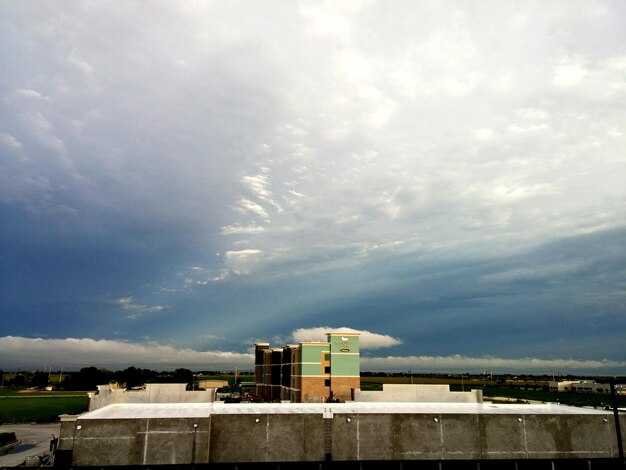
Recommendation: Start with a daily weather risk brief for dispatchers and drivers before each shift to reduce delays and drive increased safety. This focused approach minimizes downtime and improves customer satisfaction and experience.
- First step: circulate a daily weather brief through dispatchers and drivers that highlights forecasted impacts, temperature ranges, and potential road closures; plan around these findings to keep trailers moving.
- Integrate federal and national feeds with trusted third-party sources to improve visibility and create optimal routes that avoid shut roads and unsafe segments.
- Develop operational strategies that keep items flowing through safe corridors, even when storms intensify; this includes pre-approved detours and time buffers.
- Implement remote monitoring for key routes, trailer integrity, and fuel tanks to detect issues early and prevent cascading delays.
- Establish a season plan that addresses tornadoes, snow, ice, heavy rain, and extreme heat, with concrete triggers for dispatch changes.
- Define a first-step protocol for handling blocked routes, including time estimates and ready-made contingency plans to stay on schedule.
- Inspect vehicles and check tires, brakes, lights, and refrigeration units daily; ensure temperature-controlled trailers maintain required ranges for sensitive items.
- Maintain strong communication among dispatchers, drivers, customers, and brokers to preserve visibility and level of service.
- Track each item’s status and condition, and adjust dispatch plans to prevent spoilage or damage to perishable items and other sensitive cargo.
- Make data-driven decisions to minimize downtime; even through remote regions, rely on accurate alerts and precise routing to keep operations moving.
- Ensure continuous alerting and proactive checks on roads, weather fronts, and equipment to reduce risk and keep vehicles operating.
- Increase preparedness by keeping more equipped units and spare trailers ready, including backup power and fuel storage options for long-haul legs.
- Highlight the role of drivers as frontline sensors who report field conditions back to dispatchers to refine plans in real time.
- источник: fuse official data into planning processes to validate risk assessments and strengthen contingency designs.
- Through these practices, operational reliability rises, and customer satisfaction grows as the experience remains consistent despite weather challenges.
In practice, freight brokers play a critical role during disruptions by coordinating with national networks and leveraging third-party capacity to stabilize shipments. They help customers through rapid rerouting, real-time visibility, and proactive communication that tightens the feedback loop between shippers and carriers.
Freight brokers assist customers during disruptions by:
- Providing rapid rerouting through third-party carrier networks to keep items moving, even when routes shut or weather tightens corridors.
- Maintaining daily visibility dashboards and alert channels so customers receive timely updates on ETA changes and affected lanes.
- Coordinating with dispatchers and drivers to secure alternative lanes and protect temperature-sensitive cargo.
- Offering flexible capacity strategies and pricing to minimize cost spikes during peak disruption periods.
- Leveraging national and federal compliance standards to ensure safety and regulatory alignment while adjusting plans.
- Facilitating contingency planning with shippers and carriers to shorten response times and preserve service levels.
- Providing training and guidance to customers on best practices for weather-related contingencies and inventory protection.
- Ensuring transparent, timely communication that sustains customer satisfaction and builds trust during challenging seasons.
Weather Impacts on Trucking Operations: Practical Mitigation and Planning
Implement a 72-hour weather watch and route buffers before the shift starts. Maintain a regular briefing with drivers, the unit, and brokerage to confirm plans and alternatives when forecasts show critical conditions. Use national weather data, alerts, and DOT advisories to shape decisions. If forecasts cant be trusted for a corridor, pause movement until a confirmed update arrives.
Plan routes across national corridors with traction-friendly options. Create a rule to switch to alternate lanes or detours when icing or heavy snow increases stopping distance. Schedule loads to minimize night driving in low-visibility or high-wind events. Keep tires, chains, and winter equipment ready and ensure trailer configuration supports safe operation under disrupted flow.
Equipment readiness: conduct regular inspections of brakes, lights, tires, couplings, and securing gear on every trailer. Maintain tire tread above 4/32 inch in winter conditions and carry spare chains. Inspect air lines, verify coolant and DEF levels, and ensure battery health. Prepare for cold starts with block heaters where appropriate.
Data sharing and roles: designate a weather lead in the unit who will contact penskes and other carrier networks to coordinate equipment availability and driver assignments. Distribute a contact list to drivers and keep it up to date. Share route risk ratings with the brokerage to adjust loads across fleets and keep operations moving nationally.
Disaster planning and training: run quarterly drills for snow, ice, fog, and flood events. Establish a standard following distance and safe stopping margins for all weather. Rehearse parking and staging strategies during severe storms. When a disruption emerges, use a clear decision tree to decide whether to wait, divert, or delay. After each event, review performance data and update playbooks to prevent repetition and preserve service levels across the network.
When should a shipment be paused, delayed, or rerouted due to weather?

Pause shipments when a severe weather alert covers your planned location and the latest forecast shows storms or tornadoes likely within the next 12 hours. This operational decision protects drivers and cargo, preventing accidents and keeping day-to-day operations running safely, delivering the optimal experience for customers.
If forecast confidence for severe weather exceeds a pre-set threshold, or a front is projected to cross your corridor with heavy rain and reduced visibility, pause or reroute. Consider the impact on shipments in transit, customers awaiting delivery, and the associated costs of delays.
Rely on sensor data from trucks, roadside sensors, and the latest radar forecasts to assess risk, especially when weather fronts approach. Sensor networks help determine where heavy rain or wind could trigger accidents and where remaining distance to a safe stop is limited. Maintain visibility to the operation center and customers to manage expectations; this supports preventing downtime.
When delaying is unavoidable, reroute along alternatives that avoid heavy weather lanes while keeping shipments near their original location and delivery windows. Pre-approved detours reduce downtime and preserve the optimal experience for customers. Ensure the trucks running on the new path stay aligned with the plan and that part of the fleet is ready to resume.
Communicate clearly with customers and drivers; provide updated ETAs, reasons for the change, and any required preparing steps, such as inspecting tires and adjusting speeds for rain. This day-to-day approach helps prevent complacency and keeps driving teams focused on safety.
When weather safety margins improve, resume running with a controlled restart, verify visibility is acceptable, and re-check location forecasts before returning to full speed. Track the re-acceleration of shipments to minimize backlog and maintain transportation reliability for stakeholders.
Prepare a post-event review to identify where decisions could be refined, and update routing rules to reflect new weathers and patterns. This helps the fleet remain resilient and ready for future storms, rain, and fronts.
Which weather data sources provide reliable forecasts for route optimization?
First, rely on NOAA/NWS for baseline forecasts and pair them with a high-resolution commercial data source. This combination recommends continuous coverage through daily updates, supporting day-to-day decisions for driving and dispatchers and allowing more options for plan changes.
According to forecast models, NWS provides METAR/TAF for airports, radar, satellite imagery, and hazard alerts to detect approaching storms and weather that could be impacting routes. Use spot forecasts for short segments and adjust schedules to avoid areas with limited visibility. Regularly monitor conditions along the route through the network.
Commercial APIs such as Tomorrow.io and Meteomatics deliver road-weather indices and storm tracks with forecast ranges from hours to several days, enabling plan adjustments through the week. For trailer fleets, combine road-weather data with public feeds to refine routes and ensure emergency reroutes when a cold front or icing forms along key corridors. The data must be integrated into dispatch workflows so drivers receive timely guidance.
Dispatchers must implement practical steps: set spot alerts for accidents, road closures, and tornado warnings; establish controlled contingency schedules with buffers; and keep teams closely coordinated with first-hand observations. By following these steps, distances between stops stay manageable and emergency responses stay fast.
| Zdroj: | Data Type | Forecast Lead | Nejlepší pro | Poznámky |
|---|---|---|---|---|
| NOAA/NWS (METAR/TAF, radar, alerts) | Public aviation and surface weather, radar, satellite | 0-6 hours hourly; day-ahead outlook | Baseline routing, all regions | High reliability; gaps in remote areas |
| Tomorrow.io | Hyperlocal road weather, wind, precipitation, road surfaces | 0-7 days; frequent updates | Route optimization, near-term re-plans | Subscription varies; strong for urban corridors |
| Meteomatics | Global forecast data, ensembles, road-weather indices | 0-168 hours | Remote routes, contingency planning | Ensemble data improves confidence |
| OpenWeather / OpenWeather Pro | Global weather data, historical and forecast | 0-7 days | Broad coverage; quick checks | Resolution varies by region |
| IBM Weather Company | Hourly forecasts, street-level insights | 0-5 days | Fleet integrations, driver safety tools | Cost and access controls |
How can forecast information be translated into schedule changes and load prioritization?
Start with a forecast-driven protocol that translates weather intel into concrete dispatch actions within two hours of forecast updates. Build forecast-to-action maps that connect weather triggers to changes in schedules, load prioritization, and maintenance windows. This is preventing disruptions and supporting on-time deliveries, boosting satisfaction and reducing the chance to lose deliveries.
Develop forecast-to-action maps for the front line: dispatchers, planners, and maintenance crews. Identify forecasted conditions–wind, rain, snow, icing, and thunderstorms–that commonly disrupt routes and create associated challenge. Define thresholds for schedule shifts, rerouting, and spot-load adjustments. Align with customer commitments to minimize risk and keep deliveries on track, supporting satisfaction.
Establish a regular cadence for forecast reviews: dispatchers check feeds regularly, at least twice daily, and whenever warnings are issued. Integrate alerts into a centralized dashboard that shows affected areas, capacity, and maintenance needs. This visibility reduces pressure on drivers and helps prevent disruption, enabling proactive decisions.
implement a load prioritization framework: classify shipments into primary, spot, and secondary categories, and adjust dispatch plans as forecasts change. usually allocate more capacity to high-priority deliveries first, and reallocate quickly when fronts or wind storms threaten windows. This strategy helps maintain service and reduces the chance to lose deliveries.
Coordinate maintenance and start planning: start pre-emptive maintenance ahead of weather fronts and in routes with heavy wind. Schedule maintenance during periods of lower transportation activity to keep the fleet in controlled condition and ready for peak demand. This reduces failures caused by weather and supports steady operations.
What driver safety measures and cargo protections minimize risk in severe weather?
Develop a weather risk plan before departure that combines route screening, real-time alerts, and cargo protection measures. This plan should be local in scope, updated by the company a brokers, and include clear triggers for change decisions that alter routes or delay departures.
Use a daily plan that covers the série/řada and specific regions. Rely on multiple sources, including a reliable источник of forecasts, radar data, and local advisories. This will meet the need pro needed safety measures. An important note helps teams stay ahead. Keep a spare plan for heavy rain, snow, or ice, and ensure you know the areas prone to flooding or high wind.
Na silnice, maintain viditelnost and safe speed. Reduce speed to posted limits on slick surfaces, increase following distance to at least 4 seconds in rain, and turn on headlights to stay visible. Keep windows and wipers in good condition, and carry reflective PPE. Stay alert for hazards that can cause risks increased on the highway, such as landslides or drifting snow that quickly change conditions.
For cargo, secure loads with extra tie-downs, add weatherproof covers or tarps, seal refrigeration units if needed, and ensure vents and closures are functional. For tanks and hazmat, verify weather-related restrictions, placards, and securement. Use locking mechanisms and pre-trip inspections to preventing pohyb. Spot checks with in-cab cameras help detect shifting early and havoc in storms.
Equipment readiness matters: chain or cables for winter, battery health, tire tread and pressure, brake condition, and fuel level above a quarter tank in cold weather. Keep an emergency kit with blankets, water, food, flashlight, and reflective triangles. Use penskes data feeds to inform planners about equipment wear and maintenance windows, and ensure power to essential devices during outages.
Koordinovat s brokerage teams: maintain open lines, share weather, routes, and changes. Brokers can help locate safe alternative routes, adjust where to park or refuel, and plan backhauls. Across the série/řada, zachovat brokers informed and aligned with the local role of teams in each area. The internal article emphasizes timely information flow and where to find reliable data.
Invest in cab displays and mobile apps that show radar, road closures, and weather alerts to improve viditelnost. Use dynamic routing that factors in wind advisories, closures, and třetí strana road data. This approach reduces risks across shifts and keeps drivers focused on the silnice and cargo, with information shared across teams.
Na adrese katastrofy, prioritize safety over schedule and keep a list of safe holding locations such as service centers and bays. Avoid areas with known hazards; if you must detour, inform brokers and customers of the new ETA. Those changes should be documented in the information system to speed resumption after disruption and limit area-wide havoc.
By integrating these driver safety measures and cargo protections, companies strengthen resilience across areas and seasons. This approach aligns with the needs z those responsible for risk management, including local fleets, brokersa penskes data users. Keep the power of planned changes, stay connected with the brokerage, and use spot checks to catch issues early to prevent any katastrofy nebo havoc on the road.