


 Deutsch
  English (UK)
  Русский
  العربية
  日本語
日本語  한국어
한국어  Magyar
  Türkçe
  Español
  Čeština
  Svenska
  Português
  Ελληνικά
  Suomi
Suomi  Nederlands
  Română
  Italiano
  Français
  Polski
  Українська
  简体中文
简体中文  Slovenčina
 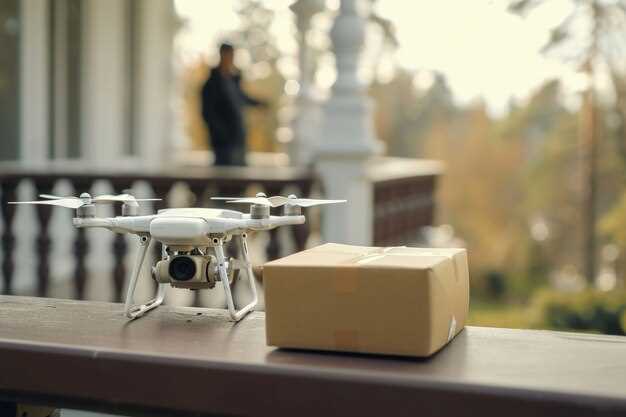 Amazon Promises Drone Delivery – Is It Real? A Practical Look">

Beginnen Sie mit einer ausgewiesenen Pilotenroute und veröffentlichen Sie einen konkreten Plan mit Meilensteinen. In London führen Sie eine zweiwöchige Testreihe durch, bei der an Wohnhäuser geliefert wird, mit kleinen Lasten, während Sie die Pünktlichkeit, die Batterielebensdauer und den Wartungsbedarf verfolgen. Dokumentieren Sie jeden Schritt mit einem Foto und teilen Sie die Ergebnisse, um das Vertrauen der Kunden und der Aufsichtsbehörden zu gewinnen.
Ihre regulatorischen und Sicherheitsteams sagen, dass städtische Piloten eine sorgfältige Planung und strikte Regeln erfordern. Der Weg bleibt difficult aufgrund von Datenschutz-, Lärm- und Sicherheitsbedenken im Straenverkehr. Misener sagt, dass die Daten aus den ersten Flgen zeigen, dass fliegend in überfüllten Bereichen nur möglich ist, wenn die Routen auf ausgewiesene Korridore beschränkt sind. Die Tests bieten ein laufendes Protokoll, und jedes Fotografie hilft, Ergebnisse der Öffentlichkeit zu erklären. Das Kostenbild hängt von Pfund auf Batterien und Versicherungen, nicht nur auf die Drohnenhardware, ausgegeben. Sind alle Märkte für diese Veränderung bereit?
Gestaltungsentscheidungen sind wichtig. Ein giant drone kann mehrere deliveries pro Flug, aber das problem ist Lärm, Privatsphäre und Luftraumkoordination. Black-Box-Telemetrie und Fernüberwachung erhalten den Betrieb glaubwürdig. Das Team says Sicherheit hat weiterhin Priorität; Aufsichtsbehörden said zukünftige Erweiterungen werden von nachgewiesener Zuverlässigkeit abhängen, insbesondere in dicht besiedelten Gebieten und bei Zuhause addresses. misener notes that customer perception often lags behind the data. Markets like italien stellen aufgrund von Geographie und Regulierung zusätzliche Herausforderungen dar.
Praktische Schritte für Teams: Bestätigen Sie einen einzelnen, ausgewiesenen Korridor, legen Sie eine Go/No-Go-Metrik fest (zum Beispiel 95% pünktliche Lieferungen über zwei Wochen), planen Sie Budgets für Batteriewechsel ein und erstellen Sie eine kundenorientierte Ansicht, die erklärt, an wen sich der Kunde wenden kann, wenn eine Drohne eine Lieferung verpasst. Führen Sie parallele Boden-Simulationen durch, um Ladezyklen und mechanische Zuverlässigkeit zu validieren. Wenn der Pilot das Ziel erreicht und die Kosten unter Pfund Zahlen, betrachten Sie einen zweiten Korridor und eine zweite Stadt mit ähnlicher Demografie, und erweitern Sie dann schrittweise anstatt zu übereilten Rollouts in vollem Maßstab. Ihre Wartungspläne und Teilelieferzeiten beeinflussen die tatsächlichen Kosten. Nicht jede Route ist machbar; sind nicht alle Umgebungen für Drohnenlieferungen geeignet.
Amazon Drone Delivery Entschlüsselt: Ein praktischer Leitfaden zu den Versprechen und den 7 Innovationen
Beginnen Sie mit einem klaren, kontrollierten Pilotprojekt im August auf einigen Linien, die der Landwirtschaft und der Zustellung an abgelegene Orte für bestimmte Routen dienen. Bewerten Sie, ob die Lieferungen die Zuverlässigkeitsziele erfüllen, basierend auf der pünktlichen Lieferrate, dem Zustand des Motors und der Batterie-Performance. Halten Sie die Umgebung ruhig, indem Sie unauffällige Profile verwenden und die Eigentümer in der Nähe informieren, um ihnen zu zeigen, dass es kaum Störungen gibt.
Bezos stellt dies als eine bedachte, datengestützte Initiative dar. Nutzen Sie reale Metriken, um Entscheidungen zu leiten, nicht Hype. Die 7 Innovationen unten übersetzen das Versprechen in die Praxis, mit praktischen Schritten, die Sie noch heute anwenden können:
| Innovation | Praktische Auswirkungen | Beispiel/Bereitstellung |
|---|---|---|
| Autonom navigierte Flüge mit erkennen und vermeiden | Reduziert die Arbeitslast des Operators und erhöht die Sicherheit im kontrollierten Luftraum | Ländliche Zustellungen entlang eines festen 5-km-Korridors zu landwirtschaftlichen Betrieben |
| Forward, modulares Design von Drohnen mit skalierbaren Motoren | Geringere Wartungskosten und einfachere Reparaturen vor Ort | Austauschbare Motoren für saisonale Lasten während der Augusternnte |
| Echtzeit-Telemetrie und sichere Verbindungen | Sofortige Statusprüfungen, bei Bedarf schnelle Abbruchvorgänge | Live-Feed an die Leitstelle mit 2–3 Sekunden Latenz |
| Batterie- und Motoroptimierung für größere Reichweite | Mehr Lieferungen pro Flug und reduzierte Ausfallzeiten | Packs mit höherer Energiedichte; effiziente Propeller |
| Rauschunterdrückungsprofile | Weniger Störungen für Gemeinden und weniger Beschwerden | Langsamflug über Wohngebiete während des Tages |
| Black-Box-Sicherheitsdatenprotokollierung | Klare Nachverfolgbarkeit von Vorfällen und Compliance | Preflight-Check, Flugprotokoll, Nachfluganalyse |
| Luftraumbewirtschaftung und Geofencing-Integration | Sicher skaliert in überfüllten Lufträumen mit automatischen Warnungen | Geofence-Korridore und automatische Landezonen in der Nähe von Bauernhöfen |
Zukünftig sind Grenzen festzulegen: Begrenzung der täglichen Fluganzahl pro Drohne, Begrenzung der Nutzlast nach Gewicht und Einführung eines vierteljährlichen Überprüfungsprozesses, der sich über das Jahr erstreckt. Wenn der Pilot eine gleichbleibende Leistung erbringt und die Eigentümer positives Feedback melden, werden sie die nächsten Schritte unternehmen, um im Laufe des nächsten Jahres auf zusätzliche Routen auszudehnen, während sie die Umwelt überwachen und Lärm minimieren.
Aktuelle Abdeckung: Welche Märkte unterstützen derzeit die Drohnenlieferung und wie sehen die Expansionspläne aus?
Recommendation: Target markets with BVLOS permission and ready depots, then extend the fleet to nearby spots within urban cores and rural hubs.
In the real-world, drone delivery remains limited to specific corridors and pilot programs. Operators run lightweight, time-sensitive packages and medical supplies within geofenced zones near distribution centers or campuses. The last-mile handoff often relies on a truck to finish the journey, while the air leg stays inside defined flight lines. The scene outside a hospital or warehouse, with a lone tree in the parking lot, and the whirr of props, tells you this is still early testing rather than a nationwide rollout. Airplanes still move heavier goods, while drones fill gaps for spot deliveries and reduce truck miles. Again, the pace will depend on airspace control and fleet safety data, including black-box logs that ensure safety.
Heres the current snapshot, based on public deployments and regulator filings. Whitaker says the real-world data shows both potential and limits. The regulator says the pace varies by market, but the trend is clear: a small fleet operates on limited routes, often with daylight and good-weather constraints. Within each market, many pilots work with healthcare shippers and retailers to serve urgent needs live, adapting routes as they learn what works best.
- North America: Coverage centers on hospital campuses and defined urban corridors. A fleet of drones operates within tens of miles of a depot, with BVLOS waivers enabling select routes. Real-world deployments focus on medical samples, pharmacy orders, and time-sensitive packages, with tight safety lines maintained and ground teams ready for handoffs.
- Europe: Trials cover a handful of countries, with authorities enabling restricted BVLOS and dedicated drone corridors. The focus is on healthcare, spare parts, and lightweight consumer items, with expansion planned to more cities as air-traffic management scales.
- Asia-Pacific and Australia: Programs emphasize rural medicine delivery and regional logistics, with plans to add more cities and depots; the fleet grows to handle more daily live operations and autonomous testing along planned routes.
- Africa and Middle East: Zipline-style networks and local pilots focus on medical supply deliveries; expansion aims at additional markets as regulatory and infrastructure readiness improve.
Looking forward, the plan is to move beyond campus and hospital corridors toward multi-city grids. If youre evaluating options, prioritize markets with a clear path to BVLOS approvals, strong demand for lightweight packages, and a logistics hub that can absorb a growing fleet without overloading lines and airspace. The expansion will take time, rely on regulatory milestones, and hinge on positive real-world data, while pilots continue live tests to refine autonomous flight and packaging practices, which include safe props and careful handling that ensures packages arrive intact and on time.
Payload Limits and Product Eligibility: What items can be delivered by drone and under what weights?
Recommendation: Target items under 5 pounds (2.3 kg) per shipment to your home, with compact packaging and a stable center of gravity. For mk30 platforms, real-world test results show consistent deliveries when the parcel looks compact and is securely packed. Last year misener teams reported evidence that front-step deliveries perform best when items stay within the weight window and the shipping criteria are clearly met for prime customers.
Payload limits and product eligibility: The typical limit is 5 pounds (2.3 kg) per item. On the mk30, some controlled tests pushed near 5.5 pounds, but official policy requires a strict 2.3 kg cap. Eligibility hinges on item type: no liquids, no aerosols, no restricted materials, and packaging must withstand vibration and a short handoff. If an item exceeds the limit or fails packaging, it cannot be served by drone and should remain in stock for traditional delivery.
Eligible items include dry groceries packaged in sturdy boxes, clothing, small tools, electronics accessories, personal care items, and small toys that fit within the weight and size limits. A practical guideline is to keep each item under 12 x 9 x 6 inches (30 x 23 x 15 cm) to simplify handling and stacking. Whether the product qualifies depends on weight, dimensions, and packaging integrity.
Operational realities: flights stay in neighborhoods where altitude stays below about 400 feet (120 meters) above ground level, depending on local controlled airspace rules. Global testing programs show the importance of keeping lines of sight and avoiding crowded property. Typical drop points include the front yard or porch, with the stock owner or property shown during the handoff to the customer.
Decision checklist: does the item weigh 5 pounds or less? does it fit in the recommended dimensions and packaging? is it non-hazardous and stock available for air shipping? If yes, use visual checks to confirm safe handoff to your customer and proceed with the team coordination to serve the order using the mk30 platform where permitted.
Delivery Workflow: From online order to doorstep drop, including verification and sign-off
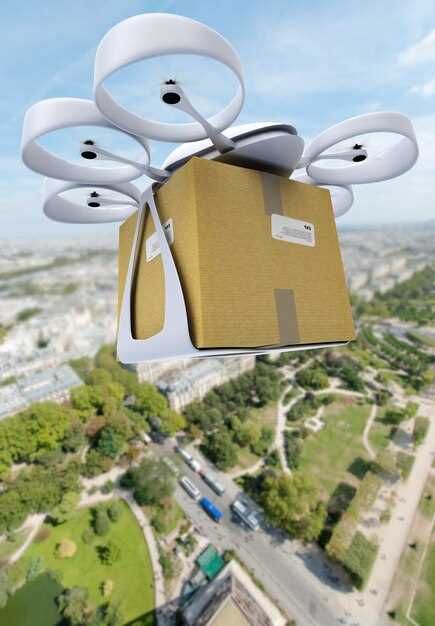
Implement two-factor verification at checkout and require a signed sign-off at the doorstep to confirm receipt.
From online order to flight, the workflow starts with order capture and payment processing; the system calculates the payload in pounds and checks it against the drone’s range and limits.
Location data feeds the route: the planner validates the delivery locations and flags private properties where owners must provide explicit consent before a drop is attempted.
Preflight safety checks examine weather, wind, visibility, and battery health; the plan accounts for regulations and potential delays, and the process takes time to complete properly.
At drop, the drone lowers the payload to a designated area near the doorstep, and the recipient signs off via the app or a physical device so theres a verifiable record of delivery.
Backup options: if no one is home, the system can redirect to an approved location or hold the package in a secure locker; thinking through contingencies requires defined locations and access rules, which help prevent problems.
Real-world testing and feedback: operators test with owners and partners, logging encounter rates and safety incidents; the data guide updates to flight plans and restrictions.
Data handling and privacy: every step–order, verification, sign-off, and handoff–gets logged with timestamps, ensuring accountability for both customers and companies and enabling audits for regulations. you can look at the logs to optimize future runs.
august trials show how the workflow performs across locations with varying ranges and privacy setups; youre able to tune thresholds to fit your customers and your operations.
Costs, Availability, and How to Join: Program access, fees, and eligibility rules
Begin with Part 107 certification now. The Part 107 exam fee is $160 in the US, and study aids range from $20 to $100. Recurrent testing updates cost about $60 to $80 every 24 months. These prerequisites get you into testing programs, they,really the practical first step. Look at it as building a solid base before exploring broader opportunities.
Availability for consumer drone delivery pilots remains limited. Prime Air and similar efforts run via invitation-only networks and sponsor channels; early deployments exist in a handful of hubs, then later expansions will add more cities and testing sites. Those pilots must align with local rules, and if you’re in an early region you’ll see lines forming as teams grow.
Program access, fees, and eligibility rules vary by region and partner. There is no universal signup fee published; for most, costs cover training, insurance, and the equipment needed to operate under testing waivers. Public postings come from sponsor companies, universities, or research programs; those who apply should prepare to share flight logs and navigation-related data. Those who meet the criteria–18+, Part 107 certificate, clean background, and a drone under 55 pounds–stand a better chance. Prime access remains limited to trusted partners, so treat it as a small, elite channel rather than a broad signup. Think about what many programs require beyond a certificate, and be ready to deliver.
Building a credible profile helps. Keep flight logs consistent, show proficiency with testing scenarios, and demonstrate safe operations during both daytime and limited visibility. Those efforts, plus a good safety record, can help you move from testing ground to invited pilots, even alongside teams that fly helicopters and airplanes during cross-training. During this process, many applicants liked the clarity of criteria; clearly, continuity and reliability matter most.
five concrete steps to join a program: First, earn your Part 107 certificate; Second, accumulate varied testing flights to build a portfolio; Third, reach out to prime air partners or university labs to express interest; Fourth, apply through official partner channels and provide requested documents; Fifth, secure liability coverage and draft a basic safety plan. If you love drones, keep learning, and stay engaged with the community; weve seen many applicants improve their odds by sharing results and seeking feedback. Unrealistic claims about full nationwide delivery in the near term are common, so focus on the actual pathways and building blocks that are available now.
Safety, Privacy, and Regulation: What safeguards exist and how data is handled
Implement end-to-end encryption and data minimization as baseline for every drone operation, and ensure on-board processing so that only necessary data leaves the system, keeping operations safe.
To match real-world needs, adopt a layered safety and privacy architecture: on-board sensors and autonomous robots process critical decisions locally, while only aggregated telemetry and encrypted clips depart to the cloud. The environment should segment data by function–navigation, delivery confirmation, and customer feedback–with strict role-based access controls so owners can govern their data. Having modular, match-ready components helps adapt to new regulatory needs and innovations. First, design the system with privacy as a core requirement. A rigorous program of testing covers fail-safe modes, redundant communications, and manual overrides for last-mile events. Prime safeguards include physical tamper-resistance and secure data pipelines to serve customer trust.
Privacy protections include on-device visual suppression, automated redaction in stored video, and retention limits. For actual operations, store video for 30 days and telemetry logs for 90 days unless an incident triggers longer retention, after which data is anonymized before analysts review. Use AES-256 encryption at rest and TLS 1.3 in transit, with access logs that show who opened data and when. Anonymized datasets may be used for program improvements without exposing individuals’ identities.
Regulatory framework: regulators require a formal safety case and privacy impact assessment for each service area. In august, several jurisdictions published guidance that favors data minimization and explicit customer consent. Compliance programs should document risk assessments, incident response, and third-party audits. International pilots typically align with FAA Part 107 waivers and EASA’s operational safety standards, with cross-border data transfer rules enforced by data localization or contractual clauses. These frameworks have shown results in raising baseline protections and setting expectations for operators and vendors.
Practical steps for owners and operators include establishing a privacy-by-design contract with vendors, insisting on independent third-party testing, and requiring incident disclosure within 72 hours. Implement data-access controls that enforce least privilege, maintain audit trails, and publish a quarterly transparency report. Build a public-facing dashboard that visualizes retention periods, data classifications, and anonymization levels for video data so customers can see how their information is handled in a real-world scenario.
jeff oversees the privacy program as part of the governance structure, and the program has to be auditable, up-to-date, and aligned with customer expectations. You can believe that a strong program makes compliance more practical, not just theoretical, and it should include clear guidelines for data ownership, data deletion, and cross-team communications. Start conversations with providers about visual controls that show data flows, so you can confirm what is collected, how long it is kept, and who can access it. Again, transparency and ongoing updates help sustain trust between customers, owners, and operators.