Autor
James Miller ist spezialisiert auf globale Logistik und Supply-Chain-Dynamiken. Seine Forschungsarbeit untersucht die Feinheiten des internationalen Handels, infrastrukturelle Herausforderungen und technologische Fortschritte, die den modernen Handel prägen. Er setzt sich für nachhaltige Praktiken und Transparenz in den Lieferketten ein.

dnata Sets to Elevate Milano Malpensa Cargo Facility with a €25 Million Upgrade
dnata, a heavyweight in global air cargo services, is steering a significant expansion project worth over €25 million in Italy through its subsidiary, Airport Handling.

Union Pacific and Norfolk Southern Set December 19 as Milestone Date for Rail Merger Filing
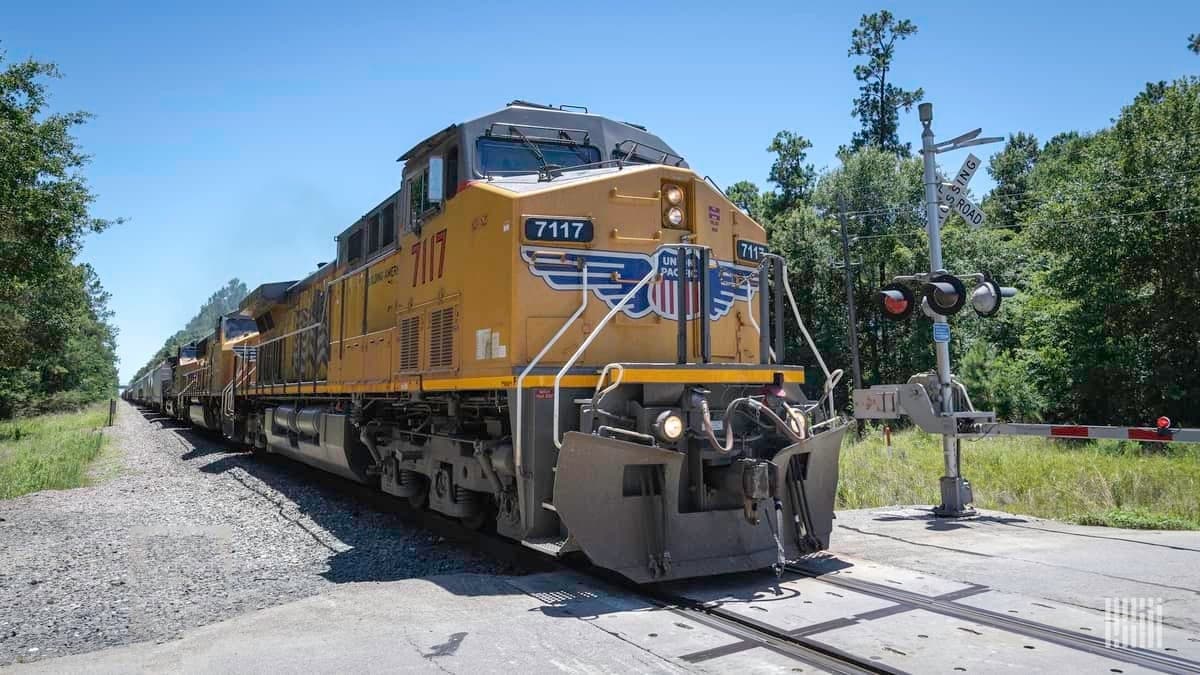
The Groundbreaking Rail Merger Set for December 19 The stage is set for a major shake-up in the U.S. rail industry as Union Pacific and Norfolk Southern gear up to file a formal merger application on December 19. This filing will push forward the creation of the country's first freight-only transcontinental railroad, a move expected to redefine the flow of goods across vast distances. What’s in the Pipeline? This isn't your everyday paperwork—it’s anticipated to be a mammoth filing, clocking in at around 4,000 pages. That hefty document will kick off a mandatory 30-day completeness review by the Surface Transportation Board (STB), an essential step before any merger evaluation can begin. In

Pennsylvania’s CDL Licensing Issues and Their Ripple Effect on Trucking Operations Explained
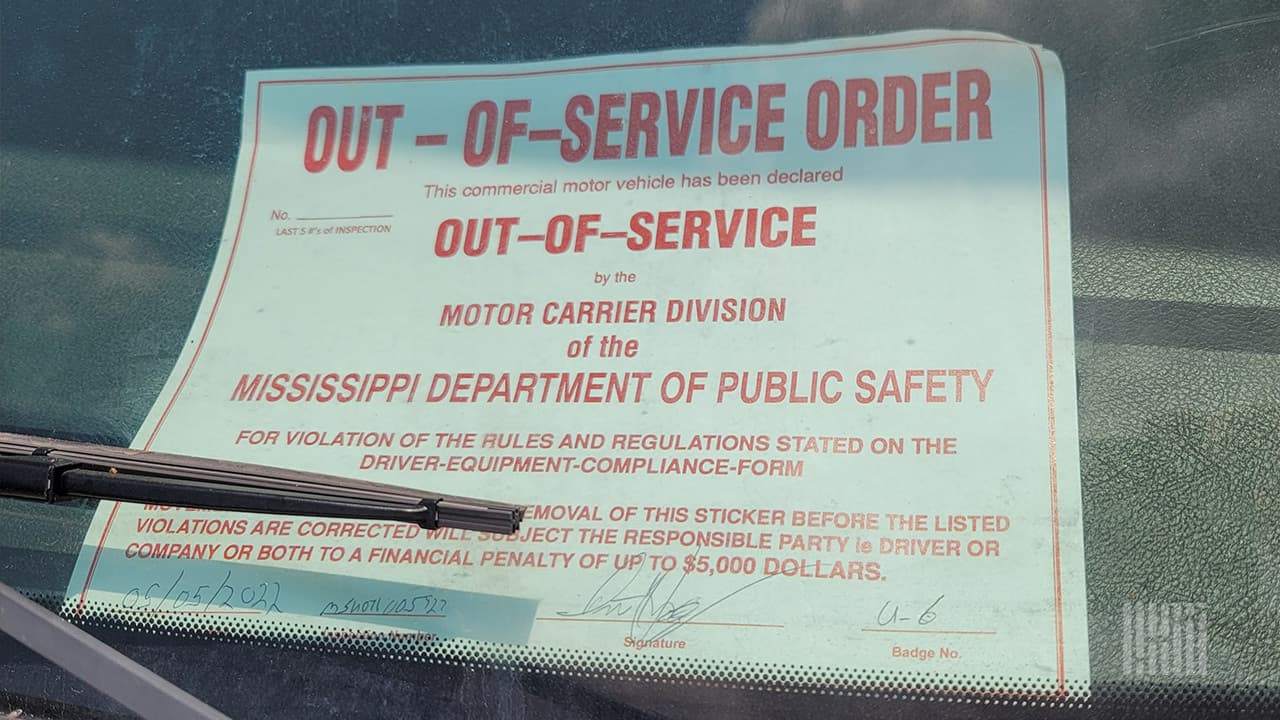
Recently, Pennsylvania's Department of Transportation has been under the spotlight defending its Commercial Driver’s Licensing (CDL) program, which is facing criticism due to allegations about the issuance of licenses to non-domiciled or unauthorized individuals.

Eastern Shipbuilding’s Major Conversion of HOS Rocinante into a Leading U.S. Service Vessel
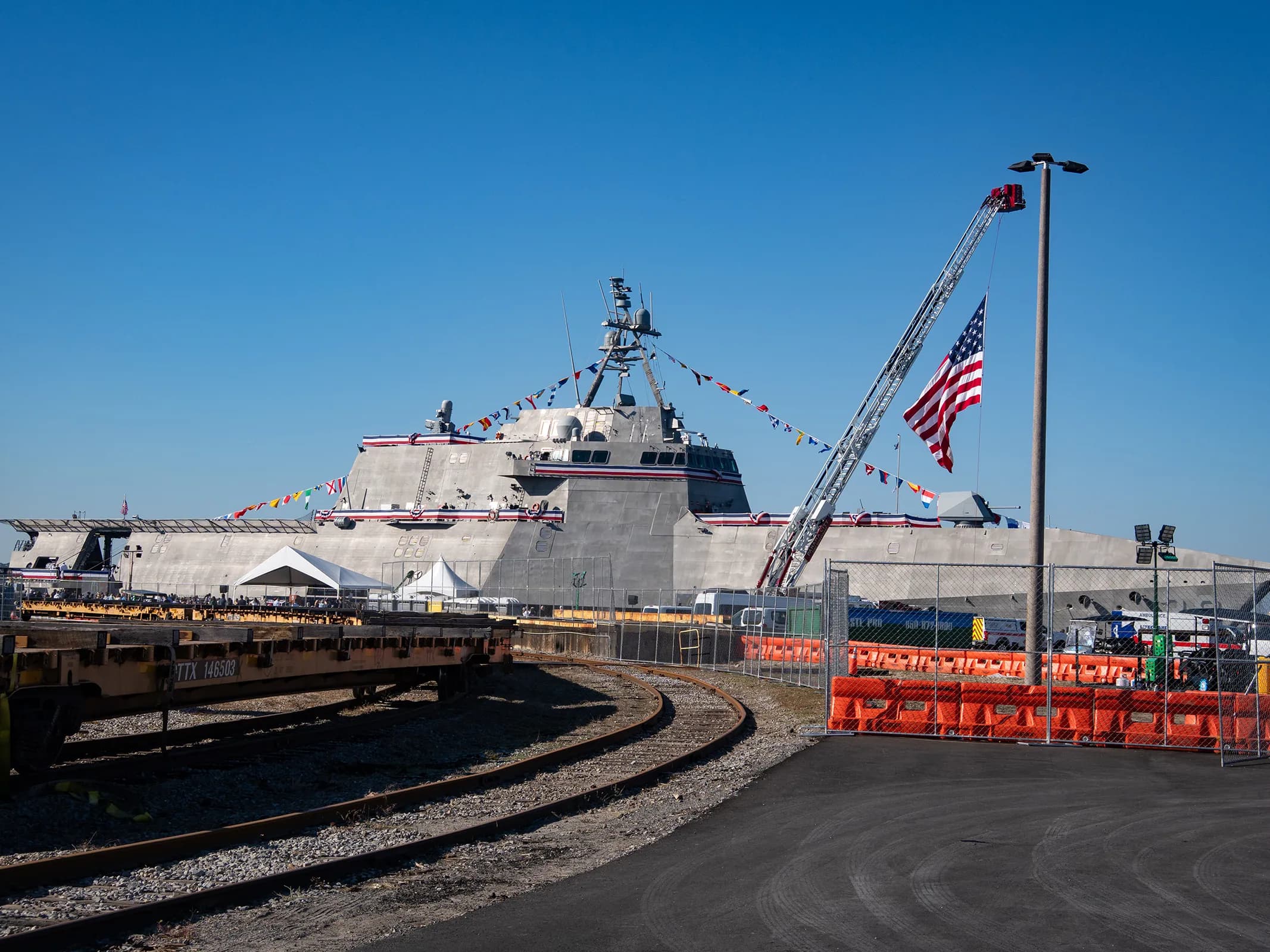
The transformation of a decade-old offshore supply vessel into a cutting-edge U.S.-flagged service operations vessel marks a significant milestone in maritime logistics and shipbuilding.

How Cutting Delays and Expenses Can Revolutionize Complex Supply Chains in Logistics
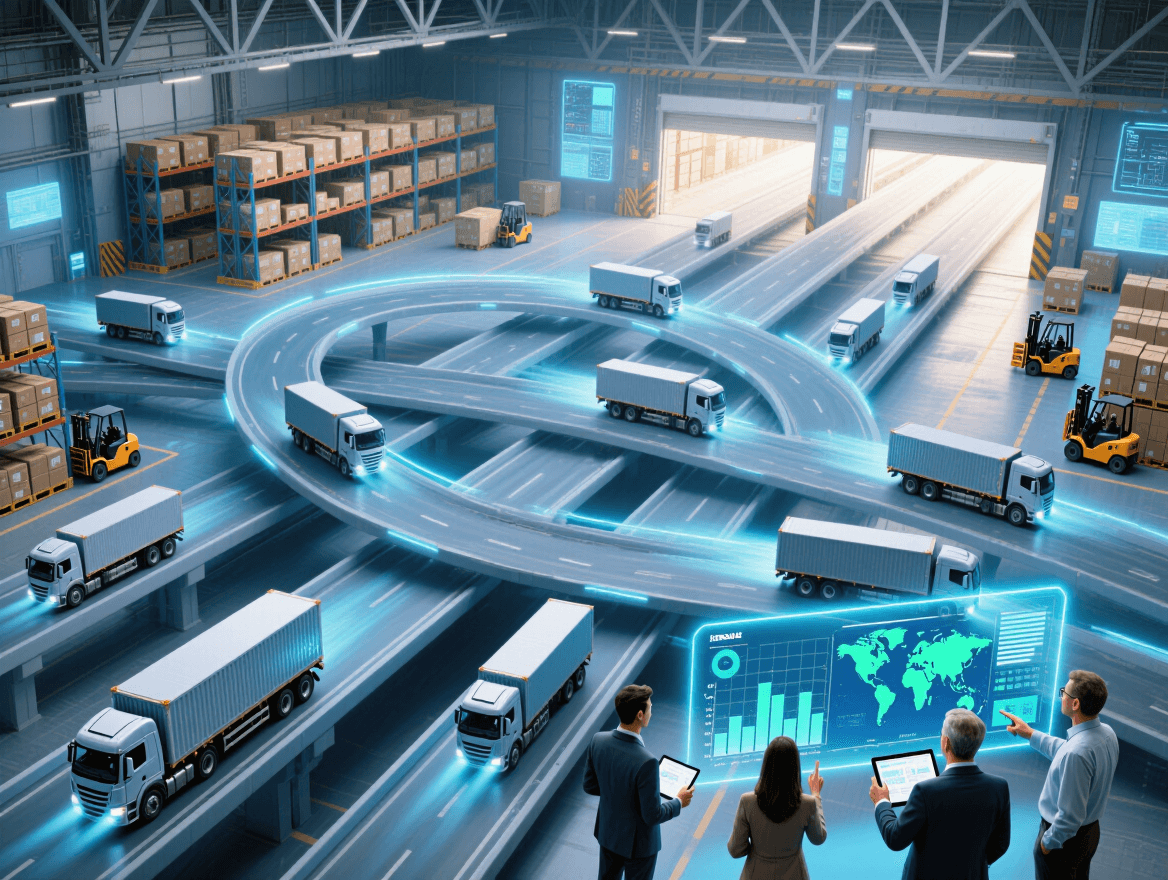
In today’s hyper-connected world, businesses frequently deal with supply chains sprawled across numerous countries and involving multiple types of transportation—from trucks and trains to ships and planes.

How Bouqs Uses Roadie’s Freelance Drivers for Faster Same-Day Flower Delivery
Flower delivery is blossoming beyond the traditional model, with companies like The Bouqs Co.

Cyprus Shipping Leaders Collaborate on the Future of European Shipping at ECSA 60th Anniversary Event
The Cyprus Shipping Chamber (CSC) recently participated in the 60th anniversary celebrations of the European Shipowners’ Association (ECSA) held in Brussels, marking a significant moment for the European maritime industry.

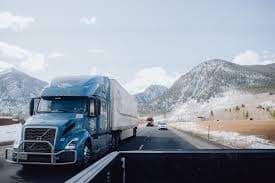
Surviving Freight Market Turmoil: Strategies Smart Carriers Use to Outlast the Storm
The freight market has been anything but stable lately, leaving many carriers struggling to keep their wheels turning.

How IKEA Uses AI to Revolutionize Home Delivery and What It Means for Logistics
IKEA’s recent acquisition of Locus, a U.S.-based AI-driven logistics software company, signals a bold step toward transforming its home delivery network.

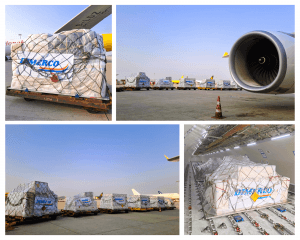
How Dimerco Utilizes Asia Logistics Know-How to Master the Complex 2026 Freight Environment
The freight and logistics world is gearing up for a whirlwind in 2026, with shifting air and ocean freight capacities and tightened compliance requirements setting the stage.

Why Freight Broker Liability Under the F4A Safety Exception Is Heading to the Supreme Court
In an unusual coalition, 30 state Attorneys General—cutting across political lines—have united to challenge whether freight brokers should be shielded from state tort liability by the Federal Aviation Administration Authorization Act (F4A)’s “safety exception.” This debate centers on the Montgomery vs.

The Impact of Trade, Logistics, and Connectivity on Shaping the Next Wave of Economic Growth
National competitiveness today is no longer just about raw resources or manufacturing output; it hinges heavily on having a modern, digitally enabled, multimodal logistics system.