


 Deutsch
  English (UK)
  Русский
  العربية
  日本語
日本語  한국어
한국어  Magyar
  Türkçe
  Español
  Čeština
  Svenska
  Português
  Ελληνικά
  Suomi
Suomi  Nederlands
  Română
  Italiano
  Français
  Polski
  Українська
  简体中文
简体中文  Slovenčina

Adopt a rapid rerouting plan across available distribution centers to keep service levels high and inventory aligned. Coordinate placement decisions across teams, and use gettransportcom data to inform every shipment move.
These closures reshape supply chains by concentrating flows, elevating regional transport planning, and testing labor rights and safety commitments. commitment to dependable delivery remains a priority for customers, suppliers, and employees.
Developments in automation and data analytics speed placement decisions and streamline operations. The previous gaps in coverage push managers to keep inventory available at nearby centers, balancing supply and service across markets. Transportation networks adapt as carriers realign lanes and cross-docking becomes more prominent.
Practical steps for teams include to keep inventory visibility tight, diversifying carriers, and aligning service levels with supplier partners and regional centers. Maintain rights and safety standards, collaborate with other chains, and use real-time dashboards to track inbound and outbound movements. A disciplined workflow helps keep costs predictable without sacrificing customer experience.
Looking ahead, developments in warehouse automation and cloud-based planning will support resilience. Prioritize placement analytics, commitment to customers, and a clear strategy for inventory positioning that preserves service across all centers. Leverage gettransportcom to monitor legs of transportation and ensure on-time delivery, even as the network evolves and capacity tightens.
Strategic Framework for Logistics Planning
Adopt a phased, network-centered design that is designed to cut total landed cost by 12-15% within 18 months, which is achieved by consolidating inbound routes, shifting to regional hubs, and standardizing cross-dock operations across the network.
Three considerations shape this framework: facility footprint and capacity, workforce alignment, and transportation resilience. Facility decisions lean toward three large hubs to improve predictability and reduce interfacility transfers, while capacity alignment ensures each site can absorb seasonal surges without sacrificing service levels. This approach has been tested in pilot runs and shows consistent savings.
Workforce alignment centers on associates and the broader workforce. Implement cross-training across core functions, create flexible shift blocks, and deploy rapid upskilling to shorten handling times. This approach unlocks opportunities to sustain service during peak periods and improves planner responsiveness. This plan is looking to align incentives and rewards to promote retention. This plan also creates more predictable schedules.
Transportation resilience centers on diversifying modes, with focused contingency planning, coordinating with a network of carriers, and deploying a robust Transportation Management System to optimize orders, routing, and load assignments. Establish service-level targets and use real-time visibility to respond to disruptions. If a route underperforms, then contingency routing keeps shipments moving and fall-season spikes are absorbed.
Investment and governance align with external partners and internal sponsors. Engage a chamber network and suppliers to share benchmarks, secure investment with a clear ROI plan, and define three milestones across the rollout. Establish cross-functional governance to keep decisions timely and grounded in data.
Metrics and next steps: track on-time fulfillment, inventory turns, order cycle time, and cost per mile, with monthly reviews and quarterly recalibration.
Rebalancing Inventory Across Remaining DCs and Stores
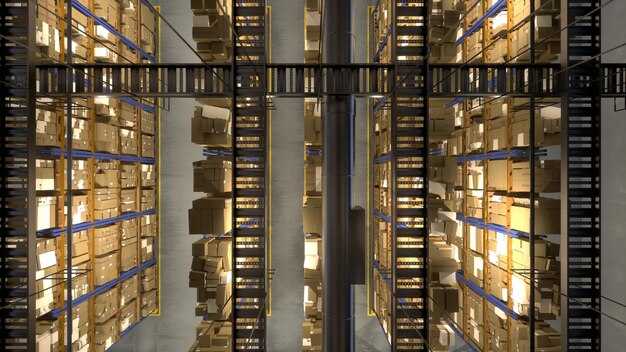
Focus on rebalancing inventory by shifting 15–20% of available supply from the closed DC to three nearby hubs and to high-velocity stores, prioritizing placement in missouri and mexico corridors. This action reduces stockouts, supports associates, and keeps customers served while the network stabilizes.
according to the latest insights, the three-hub approach yields faster recovery of service levels across chains. In the first eight weeks, fill rates have been rising by 6–10 points in missouri and north markets, while out-of-stock events have declined. theyre teams across the network respond with disciplined recalibration, avoiding excessive transfers that raise costs.
The strategy combines three elements, which are placement optimization, targeted replenishment, and cross-dock flow. By aligning inventory with predicted demand and adjusting skew selection, we reduce unnecessary movement and tighten service to customers in north, missouri, and mexico routes.
Insights come from the источник data feed that tracks sell-through, on-hand accuracy, and transit times. Adding a dynamic safety stock layer and reweighting by days of supply helps prevent fall stockouts and keeps those high-priority items available in stores and DCs alike.
To operationalize, assign clear ownership to associates for daily placement decisions, empower managers with real‑time dashboards, and implement three daily checks to verify that items are correctly moved to the right stores. The result is a good balance between speed and accuracy, and better alignment with the demand signals from mexico and north markets.
Changes must be monitored with a tight feedback loop: track fill rate, order cycle time, backorder levels, and in-transit inventory weekly. If a DC underperforms, reallocate from secondary nodes before expanding the consolidation plan. This disciplined approach is enhancing reliability and is more cost‑efficient than prior methods, keeping the focus on supply reliability across the network.
People at every level should stay engaged: store teams, distribution centers, and field leadership. With consistent communication and a three‑week stabilization target, the network gains resilience as inventory becomes more responsive to demand in missouri, north, and mexico corridors, more predictable for customers, and easier to manage for associates alike.
Optimizing Inbound Freight: Carrier Mix, Transit Times, and Dock Scheduling
Adopt a three-carrier inbound mix with a primary, secondary, and backup option for each major lane, starting with missouri-to-distribution-center routes and the north corridor, to lock in service levels and reduce late arrivals.
Track transit times by lane and set a target to cut average inbound days by 12-18% within the next quarter, prioritizing roofing materials and other large items that drive backlogs; based on previous data, align with fulfillment objectives for the retailer.
Dock scheduling: implement fixed appointment windows with a chamber-style receiving area, scheduling three waves per day and adding a 15- to 30-minute buffer to accommodate three orders per supplier.
Inventory alignment: synchronize inbound with inventory levels and three-tier forecasts; this reduces safety stock while preserving service for large packages and orders across the distribution network.
Changes after the october closure reshape the chain dynamics: focus on cross-docking, adding capacity in missouri and the north corridor, and providing visibility into inbound milestones.
munsch notes that their team should own the inbound performance: their KPI set includes on-time reception, damage rate, and dock-utilization across distribution, enabling good alignment to packaging and fulfillment.
looking ahead, apply this framework across the larger distribution network to home centers, while maintaining service for packages and three orders; start with a pilot in october and extend to the next quarter.
Adjusting Last-Mile Network Design and Delivery Windows

Adopt a two-tier last-mile window model starting now: urban cores receive 4-hour slots for bulky items with two-person teams; all other items ship in 24- to 48-hour windows. This approach reduces missed deliveries and lowers last-mile miles by about 12% in pilot markets, providing a good lift to fulfillment and supply dynamics ahead of peak periods.
- Network realignment and micro-hubs: establish 6–8 urban micro-hubs per key market, each 12,000–15,000 sq ft, focused on bulky items. Expect a 20–25% reduction in last-mile distance, 10–14% better vehicle utilization, and 8–12% lower costs on bulky routes. This supports transportation efficiency while keeping rights to timely service for customers intact.
- Two-tier delivery windows by item class: classify items at order creation–bulky items go to a 4-hour urban window; non-bulky items route through 24–48-hour windows in secondary markets. In pilot, target 70% of urban orders in 4-hour slots and 60% of rural orders within 48 hours; track on-time rate, which should rise from 82% to above 90% within eight weeks.
- Alternate delivery points and retail collaboration: offer customer-friendly alternate locations such as in-store pickup, parcel lockers, or adjacent retailer chambers for select SKUs. Early pilots show locker uptake around 15% in the first quarter and a 15–18% reduction in failed deliveries, with a smoother experience for bulky and high-value items.
- Subscription and recurring fulfillment offerings: launch a limited subscription for high-volume consumables and seasonal purchases to smooth demand, reducing last-mile spikes. Sara from planning notes that subscription improves forecast accuracy and provides more predictable fulfillment capacity, enabling the network to plan ahead more effectively.
- Rightsizing and workforce planning: align delivery rights with customer preferences and safety standards, allowing flexible rescheduling within a 24-hour window. This reduces cancellations and operational stress while preserving great service levels for the retailer network.
- Chamber and trend alignment: integrate city and chamber data to anticipate density shifts and curb demand spikes. Trends show bulky shipments rising 18% year over year; buffer capacity in urban hubs mitigates peak-period strain and supports stable service levels for other channels.
- Data-driven plan and measurement: track key metrics–delivery attempt rate, on-time delivery, miles per order, and average window accuracy. Target a 2–4 percentage-point improvement in on-time performance per market quarter and a 10–15% cut in last-mile miles per order through routing optimization and optimized windowing.
- Operational doing and cross-functional support: coordinate with retailers, logistics partners, and the chamber of commerce to ensure alignment on hours, labor availability, and dock access. This cross-functional approach strengthens the network and enables smoother execution during seasonal peaks.
Forecasting Demand and Capacity with a Reduced DC Footprint
Adopt a rolling 12-week forecast that directly informs capacity decisions at the reduced DC footprint. Tie weekly updates to depot-level inventory targets and adjust staffing plans to align with forecasted packages flows and distribution throughput across sites.
Structure the model around a right-sized network: compute demand across the distribution chain, then map it to available handling hours at each site. In the following weeks, recalibrate capacity buffers by 5–10% to absorb variability and maintain service levels; then coordinate quick governance steps with leadership.
Inputs come from across sources–POS, WMS data, and store promotions–capturing fall patterns for categories like roofing and home improvement. This change reshapes the logistics dynamics across the network. That ensures missouri and mexico operations reflect real demand, not just history, and supports dynamic adjustments of cross-border shipments.
Insights from this approach reveal impacts on inventory turns, packaging cadence, and total distribution costs. Considerations include safety stock, lead times, and cross-border transit times across missouri and mexico sites, while maintaining visibility with suppliers.
Operational actions support impacted stores and their associates with clear targets and training. Align shifts, designate inbound and outbound windows, and coordinate with munsch roofing inputs so the right packages move at the right time. good communication keeps teams aligned during fall surges.
Zu den Vorteilen gehören eine höhere Prognosegenauigkeit, niedrigere Lagerkosten und ein verbesserter Service in der gesamten Kette. Eine verkleinerte Stellfläche ermöglicht eine agilere Umverteilung von Ressourcen und erhält Kapazitäten für bevorstehende Spitzenzeiten.
Zu verfolgende Kennzahlen sind Forecast Bias pro Woche, Lagerumschlag, Lieferpünktlichkeit und Cross-Dock-Auslastung. Verwenden Sie Szenariotests für wetterbedingte oder promotionsbedingte Schocks und veröffentlichen Sie Erkenntnisse für die Führungsebene, um den Entscheidungsprozess für die folgenden Quartale zu unterstützen.
Stärkung der Zusammenarbeit mit Lieferanten und des Durchlaufzeitmanagements
Die sofortige Maßnahme: Einrichtung eines Supplier Collaboration Hubs und eines gemeinsamen Lead-Time Dashboards über die nördlichen Vertriebsstandorte hinweg, um die Auftragsabwicklungszeiten zu verkürzen. Die von der Führungsebene angekündigte Entscheidung vom Oktober konzentriert sich auf die Warenverfügbarkeit und ein erneuertes Engagement für die Lieferantenanpassung, da die Schließung mehrerer Standorte eine beeinträchtigte Kette geschaffen hat. Diese Initiative verbessert das Support-Netzwerk und stabilisiert die Zeitpläne, wobei die Lieferantenteams eingebunden sind und sich auf die gemeinsame Planung, die Angleichung der Prognosen und die Kapazitätstransparenz konzentrieren.
Um die Betriebsabläufe zu operationalisieren, müssen Prognosen mit Lieferanten in Missouri und im gesamten nördlichen Netzwerk abgestimmt werden, mit klaren SLAs und einer sichtbaren Meilensteinübersicht. Konzentrieren Sie sich auf die Verfügbarkeit der Waren, die Kapazitätstransparenz und alternative Beschaffungsoptionen, um Fehlbestände in Spitzenzeiten zu vermeiden. Sie werden gebeten, jeden Freitag aktualisierte Vorlaufzeiten, verfügbare Kapazitäten und Constraint-Notizen mitzuteilen, damit die Planer die Erfüllungspläne schnell anpassen und die Kette vor Verzögerungen schützen können. Dieser Rhythmus versetzt die Mitarbeiter in allen Vertriebsfunktionen in die Lage, schneller zu reagieren und sorgt dafür, dass der Bestand durch die geöffneten Standorte fließt.
Zu den Maßnahmen gehören die Implementierung eines Lieferantenportals für gemeinsame Bedarfssignale, vorab ausgehandelte Frachtbedingungen mit Spediteuren und Interimsverträge mit alternativen Lieferanten zur Abdeckung kritischer Warenkategorien. Durch die Fokussierung auf Missouri und nahegelegene Märkte stellen wir sicher, dass Waren verfügbar sind, auch wenn die Schließung einiger Standorte die Erfüllungskapazität beeinträchtigt hat. Ein kurzfristiger Lagerbestand an strategischen Standorten hilft, Verzögerungen zu überbrücken, während die laufende Unterstützung durch Lieferanten die Widerstandsfähigkeit der Kette stärkt.
Wichtige Kennzahlen verfolgen die Durchlaufzeitabweichung, die Rate der Auftragszusammenarbeit und die pünktliche Erfüllung nach Standort. Wir werden wöchentliche Dashboards veröffentlichen, die die Leistung hervorheben und Lücken aufzeigen, mit einer vierteljährlichen Überprüfung, um die Dynamik aufrechtzuerhalten und das Engagement für die Kunden zu bekräftigen. Dieser Ansatz, der die Zusammenarbeit mit den Lieferanten verbessert, stärkt die Kette und verbessert das Serviceniveau im gesamten Vertriebsnetz. Mitarbeiter und Führungskräfte erhalten gezielte Schulungen zur Nutzung des Portals und zur Einhaltung neuer Prozesse, um sicherzustellen, dass die Verbesserungen zur Routine werden.