


 Deutsch
  English (UK)
  Русский
  العربية
  日本語
日本語  한국어
한국어  Magyar
  Türkçe
  Español
  Čeština
  Svenska
  Português
  Ελληνικά
  Suomi
Suomi  Nederlands
  Română
  Italiano
  Français
  Polski
  Українська
  简体中文
简体中文  Slovenčina
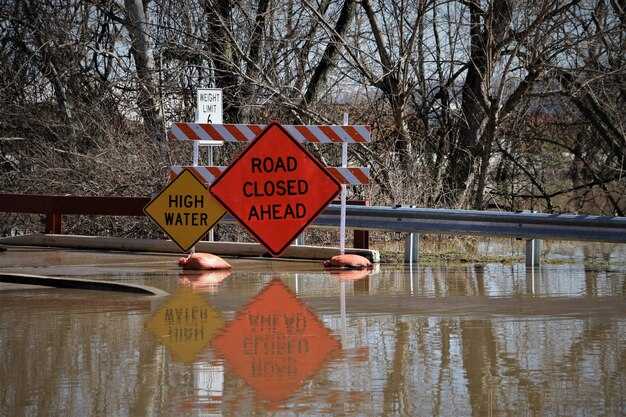
Reschedule nonessential trips now and prep these trucks for relief operations. Florence approaches the eastern coast, and HOS relief provisions may activate to move supplies where they are most needed. Monitor national and agency advisories, coordinate with dispatch, and also keep truckers informed so you can adjust routes quickly and maintain service during the storm.
These emergency measures are coordinated through the fmcsas and national agencies. Exemptions will be issued for essential relief shipments, and drivers should follow the latest updates, log exemptions where allowed, and coordinate with dispatch to keep relief flows moving.
Plan routes around major corridors and avoid coastal flooding zones toward cape Fear; use inland staging areas when possible. Keep a little extra supplies in the cab for 24–48 hours, and carry chains for traction. If Florence arrives early, adjust plans quickly and stick to safety guidelines. If you encounter torrential rain or road closures, do not proceed; reschedule and wait for safer conditions. Do not move over floodwater.
Eastern truckers should align with national and state guidance and minimize congestion in vulnerable coastal communities. If a dispatcher asks you to move, verify exemptions with the agency and fmcsas before proceeding, and use official channels to reschedule nonessential loads and deliver relief cargo first to areas with the greatest need. Also share real-time updates to help the fleet stay coordinated.
Security and load restraint take priority: check straps, chains, and tie-downs, and verify weight and axle limits before entering storm-affected areas. Maintain a little margin on ETA and fuel, because delays can exceed initial estimates. The trucker community should communicate clearly about changes so these adjustments don’t disrupt critical relief deliveries.
After Florence passes, resume operations gradually and in step with declared rules. Recheck HOS status as updates are issued, then resume normal driving hours with appropriate rest. Reschedule affected deliveries and notify customers about revised timelines. The national relief timeline will guide when exemptions taper, and fmcsas will publish post-event guidance to support recovery and safety on coastal routes, including key corridors near the cape region.
HOS Regulations Suspended as Hurricane Florence Approaches

Reschedule nonessential trips now and align with emergency planning guidelines issued by the agency. On tuesday and in september, authorities along the coast urged trucking services to prioritize high weight loads and to steer clear of florences approaching, using these guidelines to reduce nonessential travel along the seaboard.
Verify which HOS exemptions apply in the affected zones and document with the safety office. These emergency exemptions would suspend certain driving-hour limits for relief operations and related services, with FEMA guidance shaping which routes and days qualify. Keep driving logs current and report any extensions or reschedules to your supervisor or the agency.
Plan routes that minimize exposure to the threat path while meeting weight requirements for high-priority cargos. Use real-time weather updates to adjust the path and choose the seaboard routes with multiple service options. Coordinate with seaboard trucking services and warehouses to stage high-priority commodities and avoid bottlenecks at ports and distribution centers. These steps help maintain service continuity even as the storm approaches.
During emergency planning, ensure safety: equip drivers with emergency kits, maintain two-way communications, and authorize rerouting. These steps, supported by FEMA guidance, help you adapt to the threat as florences approaches. These lessons echo earthquakes and other disasters and emphasize the value of planning, which keeps services moving even as conditions change.
After the storm, restore operations quickly: coordinate reschedules with trucking and warehousing, recheck weight loads, and verify that weight limits and regulations are back in effect on the coast. Agencies will publish a clear path for resumption, and many warehouses along the seaboard will reopen to relieve pressure from the coast. Use this recovery window to resume normal planning and build a robust plan for september and beyond.
What Drivers Need to Know and How to Prepare for Storm Relief Hauls
Plan relief hauls into the affected area now, before conditions tighten access and before the storm’s peak window closes. This early step helps avoid delays and keeps their cargo moving toward relief points on time.
- Route and timing: choose corridors that stay open during the September weather window, prioritize routes into virginia and neighboring states, and confirm bridge clearances and weight limits before you load. Stay in close contact with dispatch to react to changing forecasts and road closures.
- Load and weight management: distribute weight across axles to meet weight and high-percentage limits, then verify that each axle pair stays within permitted limits to prevent fines or delays caused by overweight checks. This helps reduce the risk of causing damage to bridges or pavements and keeps the truck safer during high-wind events.
- Equipment readiness: inspect tires, brakes, lights, steering, and the hitch system, and stock heavy-duty straps, tarps, chains, and wheel chocks. Ensure you have spare parts for common heavy-truck wear and tear, because downtime with relief cargo hurts the whole supply line.
- Safety and compliance: review fmcsas guidance and fmcsa advisories related to disaster relief, because rules may shift temporarily for relief operations. Keep your logbook or electronic device up to date, and know which hours-of-service exemptions, if any, apply in the current emergency declared areas. The agency may publish updates that affect safety and compliance on the ground.
- Coordination with relief networks: connect with shippers and relief organizations to confirm the supply needs, where to stage loads, and which facilities will accept heavy equipment and fuel. This reduces the risk of delays caused by misaligned pickup and drop-off points.
- Fuel, supplies, and contingencies: carry extra diesel, water, and non-perishable food for the crew, plus weather-appropriate clothing. Maintain a small kit for storm conditions, including flashlights and a portable weather radio to support sustained operations during power outages that often accompany hurricanes and wildfires in the region.
- Weather monitoring and timing: watch the forecast from the agency and National Weather Service alerts, because storms can accelerate and shift paths quickly. If a route into states like virginia becomes untenable, you’ll need an alternative plan into other states to keep relief moving.
- Driver readiness and fatigue management: schedule early starts when possible to reach staging areas ahead of the surge, and plan driver rotations to avoid peak fatigue during long relief hauls. Trucker safety comes first, especially when handling heavy loads and adverse weather.
- Communication and documentation: keep all relevant permits, carrier registrations, and relief-specific waivers accessible, and note any exemptions that apply from fmcsas or fmcsa during an emergency. This helps you stay compliant while delivering relief into affected communities.
- Situation awareness: record and share real-time updates about road conditions and weather effects, since this information helps the entire fleet adapt. Remaining proactive reduces the risk of getting stuck in flood zones or under deteriorating road conditions caused by the storm.
By focusing on early planning, precise weight management, and tight coordination with agencies and relief networks, a trucker can move higher-priority relief into the hardest-hit areas efficiently and safely. This approach supports the broader transportation response while protecting their crew and equipment during the peak of hurricane season and related events, such as wildfires and other emergencies that strain supply chains across multiple states.
Suspended HOS Provisions: Duration, Scope, and Restart Rules
Verify the current emergency HOS relief on the agency’s official notice and adjust plans now. If you operate along florences coastal lanes, preplan supplies and rest stops, since the relief takes effect from friday and continues through the declared emergency.
Duration and timing: The relief applies for the duration of the emergency declaration in the affected counties and states. The agency said the extension targets essential services and relief shipments moving to damaged areas, with September’s storms forcing night operations to adapt. If damage to roads or bridges worsens, officials can extend the window, so monitor updates closely. Washington-based administration staff emphasize that enforcement remains flexible only for eligible moves and documented relief work.
Scope: The waiver covers motor carriers performing disaster-relief and recovery tasks in the effect area, including supplies, fuel, and medical services to communities hit by florences. Routes along the north coast–from wilmington to other coastal towns–may qualify when linked to relief efforts and ongoing damage assessments. Many carriers confirm eligibility by the declared counties and the tropical-storm-force wind zone; if you’re unsure whether a shipment qualifies, confirm before dispatch. Chains of deliveries tied to first-response services would generally fall under this relief, but confirmation with the agency is essential.
Restart rules: During the emergency, the restart provision can be relaxed to support urgent relief, allowing longer driving windows when needed. After the emergency declaration ends, drivers should revert to standard restart requirements, including a full 34-hour restart if required to reset the cycle. Trucker logs must reflect the relief status, and any time claimed under the waiver should be clearly documented for audit and compliance. If you would normally need a restart after a sequence of relief drives, plan that restart for the immediate post-emergency period.
What to do now: Align routes with official notices, confirm eligibility for each shipment, and track the timeline for the renewal or expiration of the waiver. Prioritize high-priority services to florences and coastal communities, coordinate with dispatch for night deliveries when needed, and keep a buffer for possible delays caused by damage or port closures along the coast.
| Aspekt | What it means | Recommended action |
|---|---|---|
| Duration | Active for the emergency declaration in the affected area; end date varies by state and extension decisions. | Check the agency notice daily; plan loads with a safety margin for possible extension. |
| Geltungsbereich | Affects disaster-relief and essential-services shipments within the declared zones; includes supplies and services to florences-hit communities. | Confirm eligibility per route with dispatch; avoid non-relief moves unless explicitly authorized. |
| Restart rules | Restart requirements may be relaxed during the emergency; post-emergency rules revert to standard, including the 34-hour restart if applicable. | Log relief driving clearly; schedule the required restart after the declaration ends if your clock requires it. |
| Dokumentation | Emergency declarations and waivers issued by the agency; records support compliance during audits. | Keep copies of notices; annotate logs with waiver codes and relief-due moves. |
Storm-Relief Hauls: Eligibility, Routes, and Load Types That Qualify
Verify eligibility now under fmcsas and fmcsa emergency declarations and prioritize relief freight that serves the surge needs. Move loads that directly support disaster response, including relief supplies, generators, fuel, and temporary housing, and coordinate with your dispatcher to stay within approved pathways. Drivers should confirm clearance before departure and document all relief-related paperwork to speed approvals at checkpoints.
Eligibility centers on purpose and destination. Eligible shipments move to florences-affected areas or to staging points for emergency distribution. Prioritize freight that supports life-safety needs, water and meals, medical supplies, and equipment used in sheltering or field clinics. Heavy loads require proper permits and securement, and your transportation plan should reflect the surge in demand and the differencing needs of each site.
Routes align with the surge footprint into states ahead of the storm surge. Plane Routen in die betroffenen Bundesstaaten entlang des Pfades von Florence, wobei Hauptkorridore mit aktiven Logistikzentren sowie etablierte FEMA- und staatliche Richtlinien bevorzugt werden. Aufrechterhaltung der proaktiven Kommunikation mit DOT-Büros, Strafverfolgungsbehörden und Disponenten, um Verzögerungen an Engpässen zu vermeiden. Verwenden Sie für jede Fahrt einen einzigen, klaren Weg und halten Sie alternative Routen für den Fall von Straßensperrungen bereit.
Lastarten, die sich qualifizieren, decken ein breites Entlastungsspektrum ab. Erwarten Sie Fracht, die Wasser, Mahlzeiten, PSA, medizinische Güter und Notunterkünfte umfasst, sowie schwere Geräte für die Trümmerbeseitigung und die vorläufige Stromversorgung. Beziehen Sie Kapazitäten für die Abfallentsorgung, die Treibstofflieferung und tragbare Generatoren als prioritäre Güter mit ein. Wenn Ihre Ladung tropische Pflanzen oder andere landwirtschaftliche Hilfsgüter umfasst, stellen Sie sicher, dass die Verpackung ordnungsgemäß ist und die pflanzenschutzrechtlichen Bestimmungen des jeweiligen Bundesstaates eingehalten werden. Entlasten Sie Engpässe, indem Sie, wenn möglich, mehrere, kompatible Artikel in einer einzigen Fahrt zusammenfassen.
Betriebliche Richtlinien sorgen für die Sicherheit und Compliance der Teams. Richten Sie sich nach den Sicherheitsprotokollen für die Sicherung, den Containertransport und die Gewichtsverteilung; halten Sie die vorläufigen HOS-Bestimmungen nur dann ein, wenn diese offiziell erklärt und dokumentiert sind; überprüfen Sie die Genehmigungen für übergewichtige oder übergroße Geräte; und führen Sie klare Protokolle und Kommunikationen mit den empfangenden Standorten. Betonen Sie die Ruhezeiten der Fahrer, die Streckenkenntnis und die Echtzeit-Updates, um das Risiko während der Stoßzeiten zu minimieren.
источник Die FEMA-Richtlinien und die offiziellen FMCSA-Hinweise sind weiterhin die Bezugspunkte für Anspruchsberechtigung, Routen und Ladungsarten, die in Frage kommen. Erkundigen Sie sich regelmäßig vor jedem Einsatz, stimmen Sie sich mit den staatlichen Behörden ab und dokumentieren Sie jede Hilfsmaßnahme, um die kontinuierliche Transportunterstützung in den von Florenz betroffenen Gemeinden während des Anstiegs im September aufrechtzuerhalten.
Dokumentation und Aufzeichnungen während der Suspendierung: Was aufzubewahren ist und wie lange
Führen Sie für jede Fahrt während der Aussetzung einen vollständigen, mit Zeitstempel versehenen Datensatz und bewahren Sie die Kopien sechs Monate nach Aufhebung der Aussetzung auf.
Um sicher und regelkonform zu bleiben, erfassen Sie: Fahrstundenprotokolle (ELD oder Papier), Versandmitteilungen, Frachtbriefe, Konnossemente, Lieferscheine, Kraftstoff- und Wartungsrechnungen, Fahrzeugprüfberichte und Aufzeichnungen, die belegen, dass die Ladung mit Ketten für jeden Lkw oder jede Motoreinheit gesichert wurde. Fügen Sie Routennotizen, Verspätungen und Fahrerbestätigungen auf dem Weg hinzu, die helfen würden, Entscheidungen während der Stürme und bei der Umplanung von Lieferungen zu rechtfertigen.
Dokumentieren Sie Wetterwarnungen und -richtlinien: tropische Stürme, Hurrikanwarnungen und Hinweise für die Atlantikküste. Speichern Sie die Kommunikation, aus der hervorgeht, welche Sendungen umgeplant wurden, und notieren Sie Aktualisierungen, die am Freitag eingegangen sind, während sich Stürme entwickeln und sich Wellen entlang der Küste aufbauen.
Koordiniere dich mit dem Administrator und lagere Kopien digital und physisch an sicheren Orten in der Nähe von Wilmington, entlang des Mittelatlantik-Korridors und auf Inseln, die Hilfslieferungen abwickeln. Führe eine sichere Lieferkette, die den Bedarf der Hurrikan-Hilfe und der umfassenderen Hilfsmaßnahmen deckt.
Speichern Sie Duplikate in zwei Formaten, kennzeichnen Sie diese nach Datum und Region und gewährleisten Sie einen schnellen Abruf bei einer Prüfung. Wenn Sie Cloud-Speicher verwenden, richten Sie eine Administratorrolle ein und bewahren Sie Offline-Backups für Notfälle auf. Laut den Richtlinien von источник unterstützt dieser Ansatz die Transparenz und hilft bei Überprüfungen nach Stürmen; er steht auch im Einklang mit den Reformen in den Bereichen Sicherheit und Aktenführung, die die Branche einführt, was Ihre Bereitschaft für zukünftige Ereignisse stärken würde. Dieser Prozess sollte diesen Freitag überprüft und bei Bedarf angepasst werden, um im mittleren Atlantikraum konform und widerstandsfähig zu bleiben.
FMCSA-Leitlinien und Echtzeit-Updates: So bleiben Sie während des Sturms Florence auf dem Laufenden

Melden Sie sich jetzt für FMCSA-Benachrichtigungen an und nutzen Sie die Hurricane-Leitlinien der Behörde. Sie erhalten Echtzeit-Updates zu Ausnahmegenehmigungen und Änderungen der Lenk- und Ruhezeiten, die sich auf den Güterverkehr und die Fahrer auswirken, wenn sich Florenz nähert. Wenn sich die Wellen der Küste nähern, zeigen diese Updates an, welche Ausnahmegenehmigungen gelten und wie sich der Hurrikanpfad auf Ihren Zeitplan auswirken könnte.
Verfolgen Sie den Hurrikanpfad in die mittleren Atlantikstaaten und Küstengebiete; falls sich der Pfad in Richtung Wilmington verschiebt, planen Sie Umleitungen ins Landesinnere, um das Risiko für Frachttransporte zu verringern und die Fahrer zu schützen. Die Abdeckung kann sich bis nach Nord-Virginia ausdehnen, passen Sie die Strecken ins Landesinnere entsprechend an. Wenn sich die Vorhersage verdichtet, könnten die Änderungen größer sein als am Dienstag. Dies hilft, Unterbrechungen während des Hauptbedrohungsfensters zu begrenzen. Vermeiden Sie Engpässe an wichtigen Frachtumschlagplätzen.
Vor der Abreise im September den Zustand der Anlagen entlang der Strecke überprüfen und die Flotte aktualisieren; bestätigen, welche Lenkzeit-Erleichterungen gelten würden, und sich mit dem Disponenten abstimmen, um den Spot-Zeitplan anzupassen. Mit Spediteuren und Terminals in Kontakt bleiben, um Abhol- und Lieferzeitfenster zu bestätigen und Ladeverzögerungen bei Straßensperrungen zu vermeiden.
Absage der Zuhör-Sitzung: Alternativen für Beratung und Unterstützung
Verschieben Sie nicht dringende Frachttransporte und überprüfen Sie noch heute die offiziellen HOS-Richtlinien auf dem nationalen Verwaltungsportal, um zu bestätigen, welche Anforderungen während dieses Ereignisses ausgesetzt sind. Koordinieren Sie sich nach Möglichkeit mit Disponenten, um kritische Ladungen auf Montag zu verschieben.
Nutzen Sie diese konkreten Optionen als Ersatz für die abgesagte Sitzung: nationale und regionale Sicherheits-Hotlines, virtuelle Fragerunde mit Planern und herunterladbare Planungsvorlagen. Bauen Sie Ihre Pläne rund um die Sicherheit für Ketten, die Einsatzbereitschaft der Ausrüstung und die Ruhezeiten der Fahrer auf, da Stürme und tropische Bedrohungen zunehmen; überprüfen Sie die Hinweise aus den Florence-Beratungen für Routenänderungen und Umleitungsvorschläge.
Unterwegs: Beobachten Sie die Wetterwarnungen und überprüfen Sie die Bedingungen vor jeder Fahrt. Inspizieren Sie die Ausrüstung, prüfen Sie in den Werken auf Schäden und passen Sie die Zeitpläne an, um Schäden durch Hurrikane zu vermeiden. Stellen Sie sicher, dass Sie aktuelle Pläne haben, und vergewissern Sie sich, dass alle Ketten und Zurrgurte die Anforderungen erfüllen.
Koordinieren Sie sich mit Spediteuren und Ihren Verwaltungskontakten. Beamte in Washington sagten, Sicherheit habe Vorrang und Anweisungen auf höherer Ebene würden schnell erteilt, wenn sich die Bedingungen ändern. Wenn eine Planänderung erforderlich ist, informieren Sie die Kunden und planen Sie die voraussichtliche Ankunftszeit transparent um.
Halten Sie die Dynamik aufrecht, indem Sie die überarbeiteten Pläne in Ihrem Planungssystem protokollieren und Aktualisierungen mit den Fahrern teilen. Bereiten Sie sich auf eine mögliche Verlängerung der Ausnahmeregelungen vor, falls Florenzen anhalten oder neue tropische Stürme aufkommen, damit die Fracht in Bewegung bleibt und die Sicherheit weiterhin im Vordergrund steht.