


 Deutsch
  English (UK)
  Русский
  العربية
  日本語
日本語  한국어
한국어  Magyar
  Türkçe
  Español
  Čeština
  Svenska
  Português
  Ελληνικά
  Suomi
Suomi  Nederlands
  Română
  Italiano
  Français
  Polski
  Українська
  简体中文
简体中文  Slovenčina
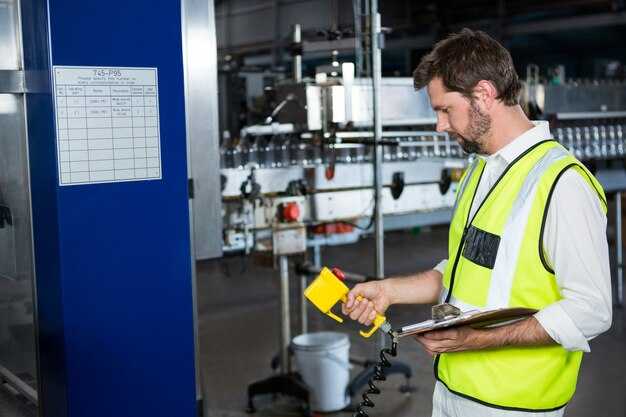
Set a max workstation temperature to 25–27°C and deploy real-time sensors on every line. This precise target prevents heat stress and keeps production lines stable during hot shifts.
Across the world, heat spikes disrupt operations in millions of facilities. When ambient heat pushes above 28°C, throughput can fall by 7–12% and defect rates rise by 5–8%. These figures vary by sector, but the trend is clear: higher temperatures hurt time-to-market and worker safety. To start, email management and shift leads with the new limits, responsibilities, and timelines, so everyone knows what to expect. heres a simple rule: convert heat control into more reliable cycles.
Implement a practical cooling plan in three steps: cooling supply, ventilation, and workload scheduling. Start with cooling in the hottest zones, and use windows of the day for air exchange during cooler hours. Then gradually expand coverage to all lines as you validate sensor data and operator feedback. In heavily loaded lines, this approach minimizes disruption while preserving throughput.
Protect your workforce with hydration stations, scheduled breaks, and a buddy system to recognize early signs of heat stress. Track dizziness, headaches, or lightheadedness and alert management to adjust staffing across settings with the most intense heat exposure. This care keeps workers safe while keeping operations on track. This is important for maintaining safety and reliability across the entire process.
Measure progress with simple metrics: time to issue heat alerts, average temperature by zone, and share of shifts operating under target temps. Publish email summaries daily and maintain dashboards that management can act on. In construction and manufacturing across the world, targeted upgrades–fans, shading, insulation–can be funded within weeks and reach millions of square feet of plant space. This plan is important for long-term resilience, and it provides a clear path into a cooler, safer, and more productive environment.
Getting aggressive on heat safety
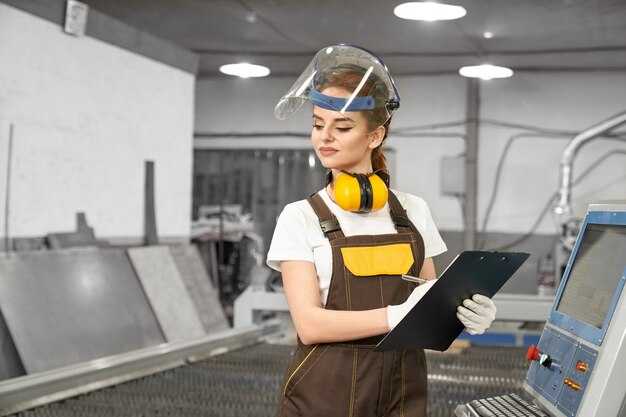
Do a rapid heat risk audit now: identify whos on the line at highest risk, which tasks drive heat load, and the exposure window for each shift. Build a simple heat risk map and assign a supervisor to keep it current. This approach supports keeping safety goals across industries.
Since heat tolerance varies, set a 7–14 day acclimatization plan for new hires and those returning after time off. Track progress with a weekly check and adjust workloads accordingly. This makes the plan very actionable from day one.
Step 2: install engineering controls that reduce heat load. Prioritize ventilation, shaded work areas, and misting or evaporative cooling near motor-driven equipment. Ensure motor components stay clean and operate properly.
Step 3: organize production scheduling and breaks to limit exposure. Rotate staff every 30–45 minutes during hot periods. Provide a 10-minute rest every 50 minutes of work during peak heat; adjust micro-breaks based on observed conditions and readings. This method is more effective than long blocks.
Hydration and cooling: provide water stations and electrolyte drinks, display intake guidelines in the break area, and encourage fluids every 15–20 minutes during peak heat. Ensure teams have ready access to cooling towels and shade during breaks. Provide guidance sheet about hydration and cooling at break stations.
Health monitoring and response: train teams to identify signs of heat illness such as dizziness, confusion, nausea, or severe thirst. If symptoms appear, move the worker to shade and provide fluids; call medical help as needed. This approach reduces harm and avoids avoidable incidents.
Roles and accountability: whos responsible? Supervisors, safety leads, and maintenance teams coordinate cooling, monitor motor temperature, and ensure equipment runs properly. Document actions in a simple daily log to track improvements and lessons learned.
Daily start-up routine: begin each shift with a quick check of ambient conditions, hydration supply status, and a reminder of contact procedures if a heat incident occurs. This practice supports resilient production and shares health information across teams.
Assess site-specific heat risks and exposure profiles
Conduct a rapid site heat risk audit within the first week and map exposure profiles for indoor and outdoor settings.
According to local weather data, plot peak heat periods and heat index values, then tag processes and zones with elevated environmental loads. Build a concise map showing shade gaps, ventilation limitations, and heat sources inside and outside. With emphasis on high-frequency tasks, rate each area by exposure level and likelihood of heat-related illnesses. Heat-related illnesses can occur when exposure lasts, so prepare response plans and keep well-being ahead of production pressures. In the last step, share findings with crews to foster engagement and buy-in.
Develop exposure profiles by role and location: inside control rooms, on outdoor docks, and in hot processing cells. Capture very frequent tasks, last-minute changes, and the times when dizziness or fatigue tend to appear. Use this data to set thresholds for rest breaks, hydration triggers, and cooling intervals. their thresholds should be revisited after every heat event to stay aligned with real conditions. theyre signs of overload may appear even when temps are modest. Related factors include humidity, PPE fit, and acclimatization.
Prioritize measures by the 3-layer model: engineering controls first, administrative controls second, then PPE. Keep the emphasis on making practical adjustments, combining solutions to reduce risk rather than relying on a single approach. Reduced risk comes from installing shade, improving ventilation, and scheduling breaks. Theyre combined actions help inside settings and outside alike, and the same controls apply across environments. than relying on general guidelines, aim for specific, measurable targets.
| Risikofaktor | Einstellung | Exposure level | Recommended measures | Eigentümer |
|---|---|---|---|---|
| Outdoor sun exposure | Loading yard, unshaded areas | Very frequent | Shade canopies, misting fans, hydration reminders; rotate workers every 60–90 minutes, then monitor comfort | Safety Supervisor |
| Hot process equipment | Foundries, ovens, furnaces | Frequent | Local ventilation, heat shields, cooling jackets, regular refresh of PPE | Maintenance |
| Internal hot rooms | Control rooms, high-heat zones | Mäßig | Enhanced airflow, chilled water supply, acclimatization periods for new staff | Einrichtungen |
Review and adjust the plan quarterly and after each heat event. Track dizziness incidents, hydration compliance, and break durations to verify effectiveness of measures and refine thresholds as needed. keeping communication clear with their teams supports safer operation and steady output.
Apply engineering controls to lower heat load
Install a localized cooling enclosure around the hottest processes and pair it with a variable-speed exhaust to cut heat load by 25-40%. Size each enclosure to provide 6-12 air changes per hour (ACH) at operator level, and keep supply air tempered to 18-26°C. Seal gaps, route ductwork away from workstations, and use negative pressure to draw heat away from people.
Install radiant shields made of reflective aluminum 1–2 meters from high-heat sources. Use low-emissivity surfaces (emissivity ≤ 0.2) and 10–20 mm air gaps to halve radiant transfer to nearby tools and workers. Enclose electric furnaces or hot presses where feasible, with doors that close automatically when not in use.
Adopt zoned cooling with programmable controls. Keep hot zones under 28°C on average by using supply diffusers, ceiling fans, and calibrated return vents that balance comfort and IAQ. Use insulated curtains or panels to isolate benches from ovens or plasma torches. Measure surface temps and aim for a delta between workstation and ambient air of no more than 5°C.
Reschedule workload so the most heat-intensive steps run during cooler shifts. Align maintenance and cleaning with lower-intensity periods. Automate start/stop of equipment to limit peak heat generation and reduce exposure time for staff. Track ambient temperature and process heat with a simple dashboard to respond quickly to spikes.
Provide safety speech and signage in common areas; keep a toolbox talk script to respond to warnings; designate a hot-zone lead who can respond within minutes. Equip workers with cooling vests or fans at their stations and light PPE that does not hinder movement. Review post-shift temperatures and adjust controls as needed.
Capture data in the facility’s chapter and share updates via email to management and line supervisors. Monitor energy use, heat-related downtime, and productivity metrics to measure impact. For millions in productivity gains, small changes compound across shifts and sites, improving industry-wide performance. Gather feedback from every operator to refine controls and avoid barriers to comfortable conditions.
Understanding the link between heat load and risk helps you manage workload and reduce threat to staff. By applying these engineering controls, manufacturers lower downtime, protect health, and sustain productivity. Keep your attention on measurable results and learn from iterations to optimize each facility after every shift.
Revise schedules and workflows to minimize peak heat exposure
Stagger shifts to run production during cooler windows and pause high-heat tasks during peak sun waves, reducing physical strain and supporting well-being.
Develop an individualized plan for each line per period, using sensor data and worker input to set task intensity and break timing.
Assign tasks so the most physically demanding steps occur during the cooler hours, while routine checks and light assembly fill the hotter periods.
Pilot the revised schedule with a small subset of shifts, monitor results daily, and scale to other lines as confidence grows.
For the jackson facility, map airflow, position workstations near windows where feasible, and coordinate with maintenance to keep fans running during heat spikes.
Use email alerts to inform teams when heat index thresholds are reached, triggering temporary adjustments such as shorter shifts or additional rest breaks.
Provide individualized clothing guidance and offer breathable options to ensure comfort without compromising safety.
During each period, review results by comparing production data with well-being indicators, and adjust shifts, their durations, and needs accordingly.
Remember that their needs vary by team; tailor rest breaks and hydration to individuals, and keep a record of adjustments.
Chapter updates should reflect revised workflows and schedules, guiding future iterations and ensuring consistency.
Manufacturers can align procurement and training with the revised plan to support worker comfort and safety.
Equip teams with PPE and enforce hot-work safety procedures
Provide properly fitted PPE and enforce hot-work permits before any flame, spark, or heated process starts.
Employers must tailor an individualized PPE plan for each employee based on task, environments, and weather conditions. PPE should cover gloves, FR coveralls, heat-resistant sleeves, face protection, hearing protection, and safety boots. Store PPE near the work area and inspect daily for wear. Ensure fit and comfort to reduce the need for adjustments during work.
- Pre-job risk check: Confirm task specifics, heat source, materials, ventilation, and nearby flammable items; evaluate weather impact on heat exposure and adjust fatigue management.
- Hot-work permit system: Issue a formal permit with task details, location, date, and supervisor approval; ensure a designated employee and a fire watch are assigned.
- Fire containment and equipment: Keep fire blankets, extinguishers, and a charged hose nearby; use shields to confine sparks and create a dedicated buffer zone around the hot area.
- Ventilation and environments: Use local exhaust and fans to control heat buildup; avoid cramped spaces and maintain clear exits.
- Gas and oxygen checks: In factories and workplaces with volatile vapors, perform gas tests before ignition and monitor conditions throughout the job.
- PPE and tool maintenance: Inspect welding rods, torches, cables, respirators, and gloves; replace damaged parts and keep PPE clean.
- Hydration and cooling: Provide cool-down breaks every 60 minutes during hot or humid weather; offer water or electrolyte drinks and shaded rest areas to reduce heat strain.
This need is driven by the risk of burns, fires, and serious injuries in hot-work environments. Awareness and rapid response drive results. Include a quick story from a past near-miss during safety huddles to illustrate what can go wrong when a fire watch or PPE is missing, and what changes follow. To keep the team engaged, pose a question at the start of each shift: what is the one step you can take today to reduce risk in your area?
Recognize symptoms of heat exposure or heat stroke, such as dizziness, headaches, confusion, or altered consciousness; if stroke symptoms appear, stop work and seek medical help immediately. Train teams to follow oshas guidelines and local regulations, and refresh drills regularly to reinforce routines across industries, including factories and other environments where hot-work occurs.
Implement real-time monitoring and rapid incident response
Set up a centralized, real-time monitoring system that collects data from furnaces, boilers, temperature and pressure sensors, gas detectors, and environmental monitors across their environments. Use edge gateways to push critical metrics to a single dashboard, utilizing an offline mode for safety. Configure baseline thresholds for each metric and create tiered alert levels that trigger automated actions when values cross limits. This approach helps you detect developing issues within minutes, not hours, and directs attention to where to respond first.
Pair monitoring with rapid incident response by building fixed playbooks for common hazards: furnace overheat, gas leak, oxidizing environments, heat exchanger failure, and conveyor jams. When an anomaly triggers, the system should automatically isolate the affected zone, shut off hazardous equipment, start ventilation, and escalate to on-call teams via mobile alerts. Each step has an owner, a time target, and a complete log to show what happened. This reduces risk of further damage and protects workers on the plant floor and in nearby home environments.
Define levels: Level 1 warning, Level 2 danger, Level 3 critical incident. Levels include automatic actions and human review. Utilize redundant alert channels–SMS, app push, and on-site loudspeakers–to ensure attention. Provide the necessary training so operators understand their responsibilities during episodes, and run monthly drills to keep skills sharp. Lewis notes that a simple early cue–rising furnace temperature with a slight pressure change–could indicate a seal leak before a full shutoff is required.
Visualize data across environments and seasons to distinguish normal variation from real risk. Utilize their health data to adjust thresholds and calibrate sensors, ensuring you don’t miss small but meaningful shifts. This includes plenty of protective options for shielding, ventilation, and automatic fault isolation, meeting the need for protective safety in hazardous environments.
Story example: in a months-long rollout, a plant team tested the system and found that a single combination of temperature rise and equipment vibration predicted bearing failure. The team responded with a rapid shutoff of the affected line and a path to inspect the bearing. The result was minimal impact and no injuries. Providing safe, accessible data supports proactive maintenance and reduces episodes across their environments.