



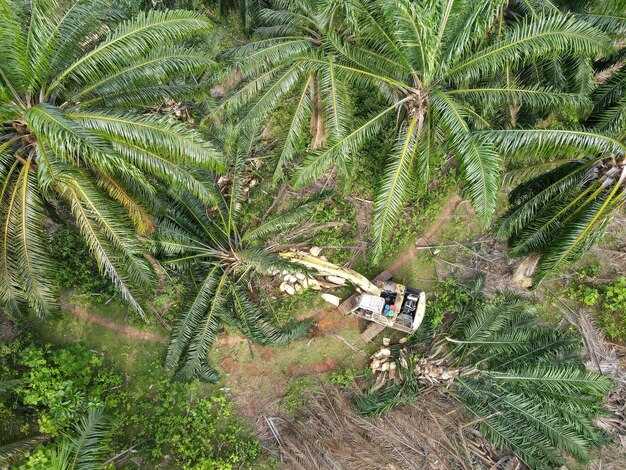
Recommendation: Diversify sources, secure long-term agreements, and maintain a 6-week stock buffer to shield manufacturing and retail chains from another wave of price spikes.
Indonesia accounts for roughly 60% of global palm oil exports and Malaysia about 25%, so the ban directly tightened worldwide supply and pushed a shift toward substitutes. The restriction, announced in late 2022 and extended into 2023, aimed to cool domestic price inflation but disrupted freight schedules and refining cycles, thus affecting markets.
The policy change impacted multiple chains of production, from crushing to refining and finished products. Traders told buyers that allocations would tighten until domestic stocks could improve, and buyers began seeking alternatives across worldwide markets.
To improve resilience, firms should map demand-supply risks, diversify sources, build buffer stocks, and explore alternatives such as crude palm oil from other origins or other vegetable oils. Ensure suitable contracts that allow volume adjustments, price hedging, and transparent reporting to consumers and partners. These steps align with goals of continuity and stable pricing, while reducing exposure to volatile price swings.
Policy makers and industry bodies can use data to guide export rules, maintain clear messaging, and support refining sectors to process using blended oils. By acknowledging the worldwide demand, they can improve supply reliability and give consumers confidence in product availability. Collaborative pilots with Malaysia and other origins can shorten late shipments, letting they meet goals in a gradually rebalanced market.
Direct Effects on Exports, Prices, and Availability
Act now: diversify sourcing, lock in fixed-price contracts, and build inventories to cushion the impact on your supplies.
The moment the ban took effect, palm exports tightened and the vegetable oil market felt the shock. Using early data, the situation showed export volumes slipping in the first months, with most shipments oriented toward Asia and Europe. All-time price volatility emerged, affecting customers, restaurants, and producers across products that rely on palm oil. Images from warehouses and markets highlighted tighter shelves and higher bids, signaling a need for enhanced planning and risk management. This moment also put pressure on margins, as input costs rose while demand remained steady in several segments.
- Exports and shipments: Indonesia accounts for a large share of global palm supply, so the measure reduces available tons on the market. Most destinations report slower deliveries and longer lead times, prompting buyers to explore alternative vegetable oils and renegotiate terms with suppliers. For buyers already juggling multiple sourcing paths, the impact is manageable, but for others the gap in supplies is material and requires proactive steps.
- Prices: Palm price indices moved higher in the months after the ban, with spillovers across related oils. Prices for competing vegetable oils also rose as buyers rebalanced portfolios. The result is rising costs for processors, manufacturers, and foodservice operators, while end customers feel the effect on product pricing and menu offerings.
- Availability and access: Supplies to restaurants and manufacturers tightened, especially for bulk orders and long-term contracts. Some products saw limited availability, and restaurants began evaluating substitutions or reformulations to sustain service levels. Consumers may notice changes in product mix and price directions at the point of sale, reinforcing the need for proactive procurement and inventory management.
- Policy responses and market measures: Governments and industry bodies implemented measures to stabilize markets, including monitoring prices, releasing strategic reserves where feasible, and coordinating logistics and port operations. These efforts aimed to ease short-term pressure while trade partners adapted to new sourcing realities amid ongoing months of volatility and risk considerations linked to broader conflicts in supply chains.
Recommendations for stakeholders:
- For buyers and chefs: diversify suppliers beyond palm by using alternative vegetable oils where feasible, using forward contracts to lock prices, and maintaining contingency inventories to reduce exposure during waves of market tension.
- For restaurants and manufacturers: reassess menu items that depend heavily on palm oil, identify substitution options, and adjust purchasing cycles to align with new delivery patterns.
- For governments and industry groups: publish transparent measures on stock releases, coordinate cross-border logistics, and share market intelligence to reduce interest rate and financing frictions for small buyers, boosting resilience across the supply chain.
- For customers and retailers: communicate clearly about product changes and price shifts, ensuring visibility into when supplies will stabilize and which products remain available.
In the current situation, proactive planning and diversified sourcing are essential to minimize disruption. By acting now, stakeholders can limit the peak of price spikes, preserve product availability, and maintain steady service levels for all customers, from households to large restaurants, during this months-long adjustment period.
License regimes and eligibility criteria for buyers
Apply now for the export license and verify eligibility before placing orders. Your company must be registered and meet the documented requirement to access indonesias palm oil trade.
Buyers operate under two main instruments: export permits and domestic measures that reserve a portion of goods for the domestic market. These tools shape where sales go and how prices move in the region.
Eligibility hinges on being a registered company with a valid import/export license, clear ownership records, and a track record of compliant trade. A positive survey of experienced buyers shows emphasis on stable supply, traceability, and timely reporting.
Documentation includes corporate registration, last fiscal year sales data, bank reference, and a commitment on product mix (CPO, olein, and other goods) with destination region (china or other markets) and volume targets in tons. The requirement also covers sustainability and conformity certificates that some buyers must obtain to access indonesias markets.
Process steps: submit on the ministry portal; verification typically takes 7-14 days if documents are complete; license grants specify allowed destinations and quantities; reporting obligations include monthly trade updates and random audits. A recent survey indicates buyers prefer packages with clear origin papers and predictable schedules to minimize disruption, and market visuals from getty show regional flows.
Region matters: buyers in china account for a substantial part of last year's trade, with China handling several hundred thousand tons of palm oil. Measures could push prices higher for olein and other goods. Prices have been pushed higher by these measures, and this situation could shift volumes away from indonesias region if approvals lag. Over the season, allocations may change as authorities adjust quotas.
Risk and compliance: failing to meet the requirement results in suspension or revocation of licenses, limits on future access, or penalties. Keep records ready for audits, and align with measures that track goods through the supply chain. A proactive approach reduces surprises when permits are renewed or when new quotas are announced.
Tips for buyers: maintain updated eligibility, secure pre-approved letters of credit, plan ahead for demand spikes, and monitor changes in export controls. Build relationships with local compliance teams, and consider alternative suppliers in the malaysian region to cushion potential disruptions. This approach helps protect sales momentum and keeps prices stable for important goods like olein while maintaining a reliable supply into china and other markets.
Edible oil vs. biofuel supply segmentation and shortages
Prioritize edible oil resilience by protecting supply chains and keeping refining capacity aligned with food needs, which reduces volatility in prices for households and food industries. Map trade among major buyers and producers to identify bottlenecks, and push policy measures that stabilize key margins.
Two segments drive the market: edible oil as a staple ingredient for kitchens and food industries, and biofuel feedstocks that compete for the same seeds. Under stress, majority supply tends to favor edible oil in places with strict blending rules, while biofuel demand holds the edge in energy markets. In March, stocks of palm fractions tightened in several markets, creating fallout for refining margins and consumer prices. The challenge grows when refining capacity sits near the edge, forcing producers to divert streams or delay shipments. This dynamic compounds inflation and limits access for consumers, with pakistan among the buyers most exposed to price swings.
To reduce risk, implement a two-track planning approach that separately tracks edible oil supply for consumption and biofuel feedstock for energy, while preserving flexibility in port allocations, refining, and labour at key nodes. Build buffer stocks at edge points like ports and processing hubs to cushion shortfalls. Strengthen sourcing diversity across places and chains to prevent overreliance on a single supplier and keep prices from spiking after shocks.
Policy and market actions for stakeholders include coordinating with producers in major chains to secure steady edible oil supplies for households, while ensuring biofuel inputs remain available for energy needs. For Pakistan and other markets, prioritize contracts with reliable suppliers and maintain contingency stocks at edge nodes to weather disruptions and meet the need for edible oil in households.
Track indicators such as trade volumes among producers and buyers, price trajectories for oils, refining utilization, and labour conditions at mills and ports. After export restrictions, the impact tends to spill across segments, so proactive planning reduces fallout and stabilizes access for both edible oil and biofuel inputs.
Regional shifts in export volumes by country
Immediately map export volumes by countries and identify where demand could hold, given Indonesia announced bans that disrupt the chain and tighten global trading conditions.
Create a country-by-country dashboard to flag shortfalls against customers and model how substitution to alternative markets could reshape orders and margins.
Yazid, a buyer in pakistan, notes higher interest from buyers shifting toward nearby markets and faster reallocation of processed products.
Companies must adjust production planning to reduce risk against olein-heavy grades and to offer diversified products that appeal to different country profiles.
Destined shipments in some markets could be hard to secure, so firms should renegotiate terms and establish flexible containers to keep the chain moving.
Processed shipments get routed to markets with a steadier appetite, while production teams push alternatives if bans tighten supply.
Across regions, pakistan and other countries could increase interest in non-traditional suppliers, helping well-positioned companies mitigate risk and secure customers.
yazid confirms the shift and notes continued interest from customers in diversified products.
Port congestion and inland logistics delays
Book and lock inland transport slots early to move goods and reduce port congestion.
Use real-time informa from port authorities to adjust loading windows and also align with weather forecasts, reducing dwell times.
Latest data show port queues worldwide soared to 5–7 days at hubs such as Shanghai and Singapore, with inland moves pushed by 2–5 days in key corridors depending on weather patterns.
The Indonesia decision pushed buyers to switch origins, resulted in shifts in demand-supply dynamics worldwide; India and China increased purchases of substitutes, affecting sales and inventories across every node in the chains.
To counter these pressures, diversify ports and inland routes, pre-book fixed weekly lanes, and maintain buffer inventories of materials and food products. Track the latest weather forecasts and adjust production timelines to minimize disruption.
| Action | Impact on delays | Notes |
|---|---|---|
| Early slot bookings with carriers | Reduces dwell times by 1–3 days | Best with fixed weekly lanes and cross-docking at depots |
| Diversify ports and inland routes | Lower exposure to chokepoints; potential 2–5 day relief | Helps palm-oil shipments avert bottlenecks |
| Share ETA and inventory data (informa) | Improves cross-chain planning | Requires standardized data exchange |
| Pre-clearance and documentation optimization | Speeds customs clearance; reduces last-mile hold | Coordinate with national customs offices |
Price signaling across markets and consumer price impact
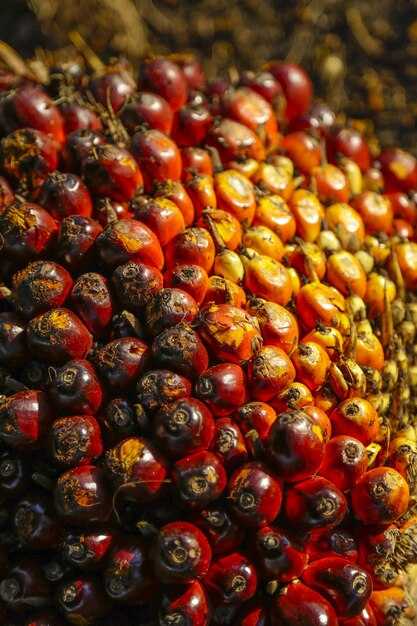
Recommendation: implement a cross-market price signaling framework immediately and align procurement plans to signals within 7-14 days. Build a weekly dashboard of prices, futures, and domestic bids, covering palm oil from Indonesia, Malaysia, and key markets like china and india. Tie supplier contracts to transparent signals so customers see steadier costs and secure their supplies, reducing price volatility and protecting their budgets.
Price signals move rapidly across markets. When Indonesia's export restrictions tighten, global prices can soar in weeks, and buyers adjust orders, reshaping margins for the most exposed players. For partners such as wilmar and other supplier networks, pricing tweaks unfold within hours of a signal, creating momentum that spans traders, refiners, and retailers. Maintain close dialogue across the chain to anticipate these moves and smooth the transition for customers and goods flows.
Key data points to track include tonnes of palm oil in transit, port clearance times, and the share of shipments directed to china and other large markets.crisil price indices and freight data provide timely readouts on how policy actions affect risk premiums. Governments may adjust duties to manage affordability, while labour costs in refining and packaging influence final consumer prices. Among the top destinations, china remains a central barometer for demand, and market signals here ripple through the global system, influencing costs among producers and processors alike.
Impact on consumers and markets: global price signals shape edible-oil baskets in households, with most shoppers feeling higher costs when supplies tighten. The moment supply discipline tightens, suppliers face harder margins, and customers seek steadier options or substitutes. If shipments become trapped at ports or lag behind demand, price volatility can spike further, underscoring the need for transparent communication and buffer stocks across the network.
Actions to take now: diversify the supplier base beyond a single partner like wilmar, and build 4-6 weeks of stock buffers for essential goods to cushion the impact on customers. Map the full supply chain, including labour costs and potential bottlenecks, and set clear goals for price stabilization across markets. Maintain up-to-date visibility on tonnes moving through key corridors, and engage governments and regulators early to align on predictable policy signals. This approach protects their interests, preserves supplies, and strengthens resilience against moment-to-moment shifts in the palm-oil landscape.