


 Deutsch
  English (UK)
  Русский
  العربية
  日本語
日本語  한국어
한국어  Magyar
  Türkçe
  Español
  Čeština
  Svenska
  Português
  Ελληνικά
  Suomi
Suomi  Nederlands
  Română
  Italiano
  Français
  Polski
  Українська
  简体中文
简体中文  Slovenčina
  Wie Aifleets drastische Flottenreduktionen und KI-Strategie darauf abzielen, inmitten von Herausforderungen des Frachtmarktes erfolgreich zu sein">

Radical Reduction: Aifleet’s Fleet Shrinks to Survive
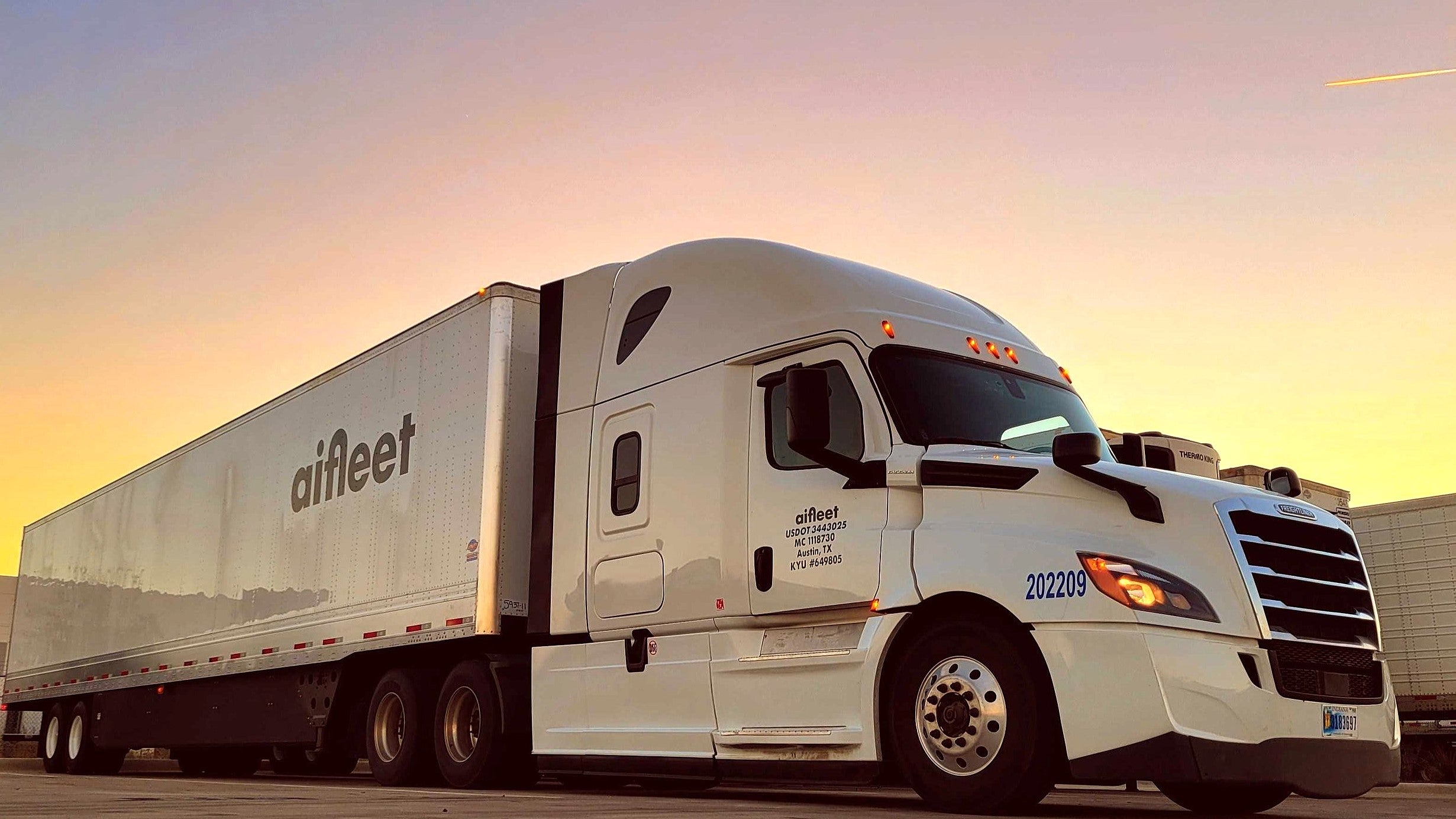
When the freight market throws curveballs, companies sometimes have to tighten their belts in ways that might ruffle feathers. In Aifleet’s case, this means slashing its truck fleet by nearly half—from around 180 vehicles down to a significantly smaller number. The move wasn’t a knee-jerk reaction but came after a key supplier suddenly terminated their contract, forcing the company into a swift and decisive restructuring.
Along with trimming its fleet, Aifleet is also cutting about 100 jobs, including roles beyond the driving team. It’s a “drastic” but necessary step to keep the business afloat in choppy waters. Despite these bold cutbacks, the company stays firmly operational, doubling down on its commitment to deliver services and leverage AI technology in smarter freight management.
Table: Before and After – Aifleet’s Fleet Size and Workforce Changes
| Aspekt | Before Cutbacks | After Cutbacks (Expected) |
|---|---|---|
| Number of Trucks | ~180 | Less than 90 |
| Workforce | — | Reduced by close to 100 employees |
Not Closing Shop: Staying Operational Amid Downscaling
There’s a fine line between shrinking to survive and shutting down entirely, and Aifleet is walking it with care. The CEO has emphasized that despite the cuts, the company is “fully operational” and continues to support its customers while rolling out new automation and AI capabilities. It’s a bit like trimming the sails during a storm without abandoning ship.
Profitability has taken center stage — as it should in any tough market. Maintaining a lean operation that still gives customers dependable freight hauling is the new focus, and part of that approach involves ditching the high-risk, low-margin spot market for steadier contract freight.
Spot Market vs. Contract Freight: Aifleet’s Strategic Shift
- Previous Model: Approximately 70% contract freight, 30% spot market exposure.
- New Approach: Aiming for near 100% contract-based freight allocation.
Why Contracts Over Spot Market?
The spot market might seem tempting with quick loads but often comes at the cost of profitability. Spot rates typically don’t pay as well as negotiated contracts with shippers. By focusing almost exclusively on contract freight, Aifleet positions itself to secure better rates and stable workloads, reducing volatility and improving its bottom line.
It’s a classic business nimbleness move — rather than chasing every shiny opportunity, it locks into reliable sources. This shift also aligns with their AI-driven operational model designed to keep costs down and maximize truck utilization.
Maximizing Efficiency: AI and Asset Utilization
Here’s where Aifleet’s tech game shines. The company boasts having the best cost per mile in the industry, around 20% less than average. Their AI algorithms help squeeze more “loaded miles” out of every truck, reportedly increasing asset utilization by 50% compared to industry norms.
Put simply, they’re making every wheel and every mile count. This AI-driven enhancement means fewer trucks can move more freight—crucial for logistics firms aiming to keep overhead low and output high, especially when the freight market is tough.
How AI Improves Freight Logistics Efficiency
- Optimizes route planning to minimize empty miles
- Matches freight loads with truck availability and driver schedules
- Reduces operational costs per mile traveled
- Enables proactive maintenance and fleet management
Aifleet’s Fleet Leasing Model and Workforce Structure
Unlike some freight operators that own their trucks or rely on owner-operators, Aifleet leases all its trucks, allowing for flexibility in scaling fleet size based on market needs. Its drivers are directly employed W-2 staff, not independent contractors, which means tighter operational control but also higher responsibility for workforce management.
Impact on Freight and Logistics
The wave that Aifleet is riding—reducing fleet size and focusing on contract freight supported by AI—is emblematic of larger shifts in the freight market. For logistics professionals, this means that reliance on technology-driven, cost-efficient models is more crucial than ever to survive economic ebbs and flows.
Companies that manage to keep freight rates profitable while reducing idle assets will likely lead the pack, setting new standards for how freight carriers and shippers collaborate efficiently.
Summary of Key Developments at Aifleet
| Key Aspect | Einzelheiten |
|---|---|
| Fleet Size | Cut from ~180 trucks to less than half to reduce costs |
| Workforce | Reduced by nearly 100 employees, including office staff |
| Business Model Shift | Moving from mixed spot/contract to nearly 100% contract freight |
| Technology Use | Continued deployment of AI to boost efficiency and reduce cost per mile |
| Operationen | Remaining fully operational with leased trucks and staff drivers |
The insights from Aifleet’s experience highlight a powerful lesson: in freight logistics, adaptability and technology integration can make or break companies, especially in challenging market climates.
Why Personal Experience Still Reigns Supreme in Logistics Decisions
It’s one thing to hear the expert reviews and customer feedback, but nothing truly beats firsthand experience when judging a freight carrier or logistics partner. Luckily, platforms like GetTransport.com provide access to a wide network of high-quality transport options worldwide. Whether you’re moving office equipment, shipping large bulky freight, or coordinating international cargo deliveries, having an affordable, reliable partner makes a world of difference.
What really stands out with GetTransport.com is its transparency and convenience—features vital for avoiding surprises and keeping logistics smooth. The platform’s versatility in managing everything from personal house moves to large commercial freight means that customers can find tailored transport solutions that suit their unique shipment needs and budgets. Buchen Sie Ihre Fahrt unter GetTransport.com to snag the best deals globally.
Looking Ahead: Freight Market and Logistics Outlook
While this latest development at Aifleet might not shake the global logistics landscape overnight, it signals a clear trend. The freight industry is tilting strongly toward tech-enhanced, contract-focused solutions that promise more predictable cash flow and better resource optimization. Staying ahead means innovating efficiently, no matter how rough the seas.
This matters to everyone in logistics, from freight forwarders to haulage companies, as the pressure to improve operational efficiency and cut costs grows. It’s a shift that GetTransport.com keeps close tabs on, ensuring users benefit from up-to-date, cost-effective transport solutions that navigate these waters with ease.
Planen Sie Ihre nächste Lieferung und sichern Sie Ihre Fracht mit GetTransport.com.
Abschließende Überlegungen
In navigating the choppy freight market, Aifleet’s strategy of reducing fleet size while doubling down on AI-driven efficiency and contract freight represents a smart blend of survival and innovation. These measures show how the modern freight carrier can adapt to economic headwinds without sacrificing operational capability.
For logistics and freight customers, especially those managing global shipments, bulky cargo, or large-scale relocations, this trend underscores the increasing importance of partnering with forward-thinking, tech-savvy carriers. Platforms like GetTransport.com perfectly fit this new logistics world, offering reliable, affordable solutions for shipping, moving, and delivery needs across the globe. Their wide selection and transparent pricing help unlock smarter, hassle-free freight forwarding and haulage—with all the convenience customers expect in today’s fast-paced market.