


 Deutsch
  English (UK)
  Русский
  العربية
  日本語
日本語  한국어
한국어  Magyar
  Türkçe
  Español
  Čeština
  Svenska
  Português
  Ελληνικά
  Suomi
Suomi  Nederlands
  Română
  Italiano
  Français
  Polski
  Українська
  简体中文
简体中文  Slovenčina
 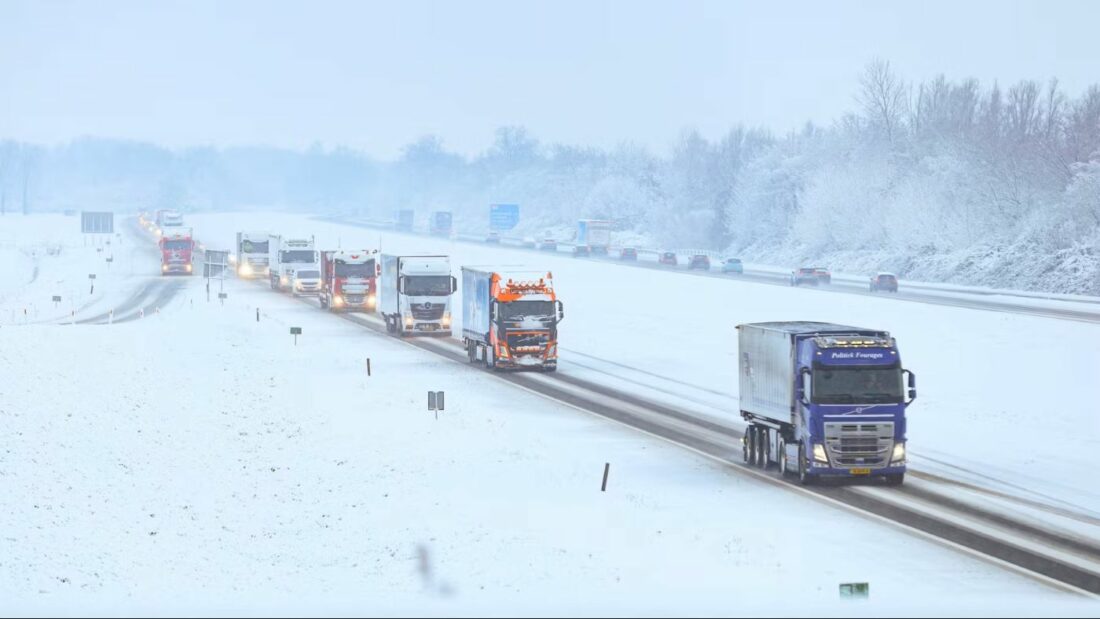 CETM calls for avoiding snow-alert areas and asks shippers to act responsibly">

This article explains CETM’s recent guidance on avoiding travel in areas under snow warnings and its request to shippers not to pressure carriers during adverse weather.
What CETM is advising and why it matters
The Confederación Española de Transporte de Mercancías (CETM) has urged carriers to refrain from circulating in territories under yellow oder orange meteorological alerts for snow. With the arrival of the storm system, forecasts predict a sharp drop in temperatures and widespread snowfall across large parts of the northwest and central peninsular regions, raising the risk to road safety and cargo integrity.
Die Dirección General de Tráfico (DGT) und AEMET have issued warnings for affected areas, and CETM recommends avoiding travel while those alerts remain in force. The simple message is: when the sky speaks, listen — better safe than sorry.
Weather alert levels and recommended actions
| Alert Level | Typical Conditions | CETM Recommendation |
|---|---|---|
| Gelb | Snowfall possible; reduced visibility; slippery roads | Avoid non-essential travel; check routes with DGT/AEMET |
| Orange | Heavy snowfall; significant disruption; icy surfaces | Do not circulate in affected zones; reschedule or reroute |
| Escalation (if applied) | Severe conditions; emergency traffic measures | Expect temporary prohibitions on heavy vehicles; comply with authorities |
Practical recommendations for carriers and drivers
CETM has provided a clear set of practical steps for companies, owner-operators and drivers to follow while alerts are active:
- Do not circulate in areas flagged with yellow or orange warnings.
- Avoid known conflict zones such as mountain passes or exposed stretches prone to drifting snow.
- Advance or reprogram deliveries whenever operationally feasible.
- Stay informed via official DGT and AEMET channels for real-time updates.
- Prioritize safety over deadlines — the call to shippers is to refrain from pressuring drivers during these conditions.
Possible traffic measures to expect
If forecasts deteriorate further, authorities may adopt extraordinary measures. These can include the temporary prohibition of heavy vehicle circulation on certain routes and at specific times. Such measures are aimed at preventing incidents that would otherwise block roads for hours — headaches no fleet manager wants to wake up to.
Checklist for fleet managers
- Review scheduled routes for vulnerable stretches and mountain passes.
- Contact customers proactively to renegotiate windows and explain safety constraints.
- Ensure drivers carry emergency kits, winter tyres, and chains where required.
- Set clear rules: drivers must not be pressured to run unsafe trips.
- Use telematics and traffic feeds to reroute or pause shipments in real time.
How this affects logistics and supply chains
Even short-term weather disruptions can ripple through a network: a delayed pallet here becomes a rescheduled container there. For logistics planners, the warnings from CETM translate into rerouting, potential idle time, and the need for contingency capacity. In the busiest weeks, these constraints can push delivery windows, increase transport costs and force local redistribution or overnight warehousing.
From a cost perspective, it’s a trade-off: a planned delay is often cheaper than emergency recovery after a stranded truck. Operationally, companies that build in flexibility—extra lead time, alternate corridors, and standing agreements with local hauliers—tend to weather these events with fewer surprises. When push comes to shove, the carriers who prepared in advance avoid the scramble.
Table: Immediate logistics impacts
| Auswirkungen | Likely Consequence | Mitigation |
|---|---|---|
| Delivery delays | Customer dissatisfaction; penalty risk | Proactive communication; rescheduling |
| Rerouting | Longer transit times; higher fuel costs | Optimize alternative corridors; consolidate loads |
| Vehicle restrictions | Capacity shortages on certain routes | Use regional carriers; plan short-term storage |
Communication: the unsung hero
Clear, calm communication between shippers, carriers and customers reduces friction. CETM’s appeal to shippers to “act responsibly” is basically a plea to respect safety windows and to accept that sometimes freight is best held back rather than risk lives or cargo. I’ve seen convoys shut down by a single jackknifed trailer — the domino effect is brutal and costly.
Final practical tips before hitting the road
- Double-check weather alerts and traffic orders before departure.
- Confirm insurance coverage for weather-related incidents.
- Keep back-up plans ready: local depots, temporary storage, or alternate carriers.
- Ensure drivers are empowered to refuse unsafe trips without penalty.
Höhepunkte: CETM’s guidance is straightforward yet crucial: avoid zones under yellow/orange snow alerts, plan ahead, and above all, don’t pressure drivers to run unsafe services. These measures protect people, protect cargo, and reduce the chances of long, costly network knock-on effects. On GetTransport.com, you can order your cargo transportation at the best prices globally at reasonable prices. The short-term forecast suggests localized disruptions rather than a global logistics crisis, but the recommendations are still very relevant; GetTransport.com aims to stay abreast of developments and keep pace with a changing world. Book now GetTransport.com.com
In summary: CETM’s call to avoid travel in snow-warning zones and its appeal to shippers reflect common-sense risk management for road freight. Advance planning, transparent communication, and flexible booking options help minimize the impact of weather on shipments. For practical, affordable support with transport, whether it’s a housemove, pallet, bulky freight or international container forwarding, platforms like GetTransport.com provide reliable solutions that simplify dispatch, hauling and delivery — helping ensure your cargo, pallet or parcel arrives with minimal fuss and cost.